


19th Century Graphite Sketch
These 19th century graphite sketch works offer intimate glimpses into portraiture, landscapes, and academic studies from the Regency and Victorian eras.
19th Century Graphite Sketch
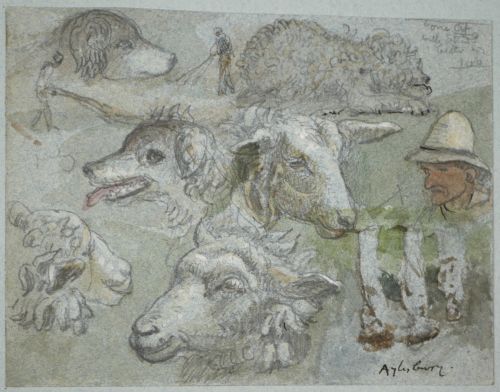
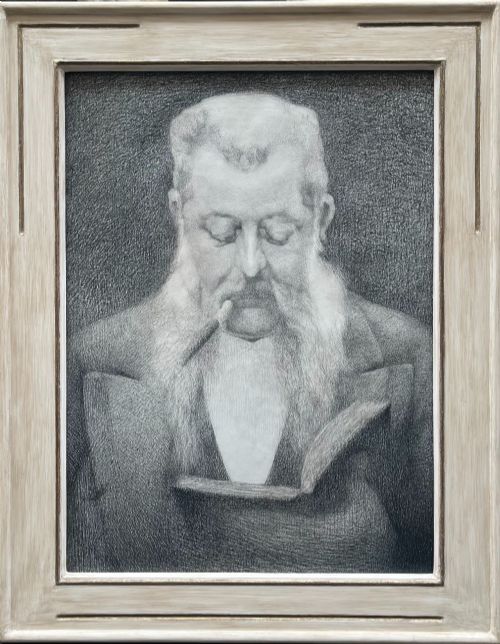
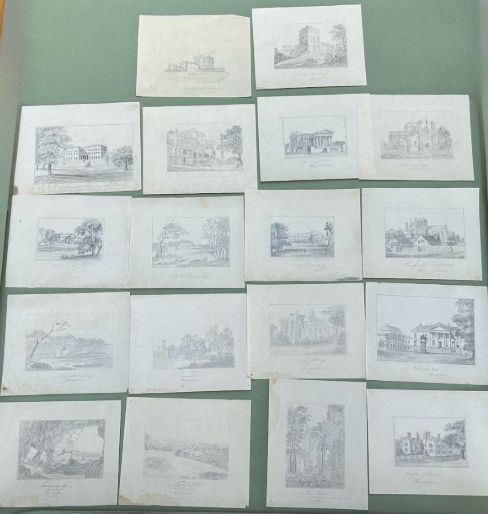
A 19th century graphite sketch captures immediate observations, detailed figural studies, and landscapes created across the Regency and Victorian periods. Buyers encounter original drawings on paper, toned paper, and framed artworks depicting portraits, architectural studies, and animals.
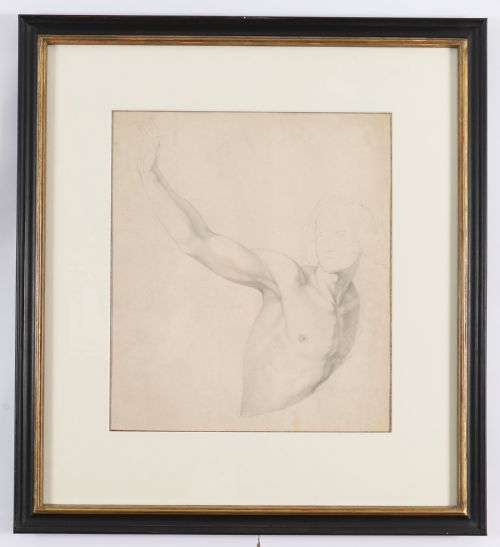
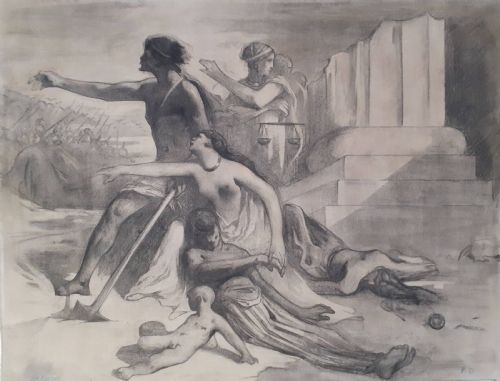
The selections span English and French schools, featuring academic life studies, portraiture in the manner of Sir Thomas Lawrence, and architectural drawings. These works reflect the academic rigour and domestic interests of the 1800s, 1850, and 1870s.
Framed original drawings and watercolours dominate the selection, offering direct contact with the artist's hand through pencil and chalk. Each piece demonstrates the primary role of drawing as both a preparatory discipline and a finished work in its own right.
Materials and technique
Artists drew with graphite and pencil upon paper and toned paper, occasionally combining these with chalk, ink, and watercolour touches. The support paper provides the tactile foundation for fine lines and tonal shading.
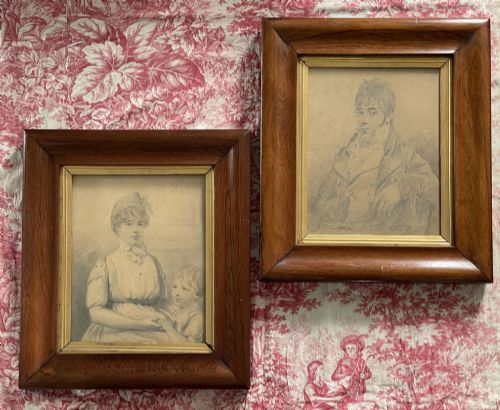
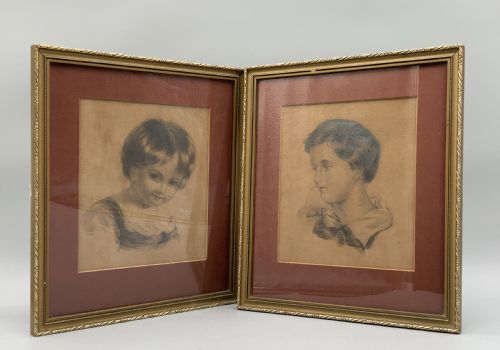
Many works are preserved behind glass within wood frames, frequently finished with gold leaf. This traditional framing protects the delicate graphite surfaces from environmental degradation.
Framed original artworks include academic life studies, portraits, and architectural drawings housed in wood and gold leaf frames.
Quality factors
The sophistication of the draughtsmanship dictates quality, particularly in academic life studies, portraits, and figural works such as portraits of gentlemen or studies of children. Works executed in the manner of established masters or bearing signatures demonstrate superior execution.
Condition of the paper and clarity of the graphite lines separate fine examples from lesser sheets. Provenance, such as association with historically important artists or specific institutions like Cambridge colleges, elevates the standing of a drawing.
James Smetham·Sir Francis Leggatt Chantrey·Henri Josephe Hesse·Alexandre Decamps
The 19th Century Graphite Sketch Glossary
- Graphite
- A form of crystalline carbon used as a drawing medium in pencils. It allows for varied line weights and subtle tonal shading.
- Academic Realism
- A style of painting and drawing produced under the influence of European academies of art. It emphasises precise anatomical accuracy and detailed observation.
- Toned Paper
- Paper that possesses a colour other than white or off-white, such as grey or buff. This provides a neutral middle ground for highlights in white chalk and shadows in graphite.
- Grisaille
- A painting or drawing executed entirely in shades of grey or neutral monochrome. It often mimics the appearance of relief sculpture.
- Regency
- The period in British history from 1811 to 1820, or a style associated with the era. Sketches from this time often exhibit refined neoclassical elegance.
19th Century Graphite Sketch: Frequently Asked Questions
What is a 19th century graphite sketch?
These works are original drawings created on paper using pencil or graphite during the 1800s. They include portraits, landscapes, and architectural studies.
Artists used graphite to record rapid observations or produce finished academic life studies.
How were these drawings displayed?
Period works are typically mounted behind glass within wood frames, often with gold leaf accents. This framing protects the fragile paper and graphite medium.
Many pieces retain their historic presentation, maintaining the aesthetic of the Regency and Victorian eras.
How do I identify a period piece?
Dating relies on paper characteristics, framing, signatures, and stylistic traits such as Regency elegance or Victorian academic realism. Subject matter also points to the period of creation.
Inscriptions naming locations, sitters, or dates provide definitive chronological anchors.
What subjects are common in these sketches?
Common subjects include portraits of gentlemen, ladies, children, and animals such as dogs. Architectural studies and landscape views also frequently appear.
Artists documented both everyday domestic scenes and rigorous academic figure studies.