


French Rococo Style Mirror
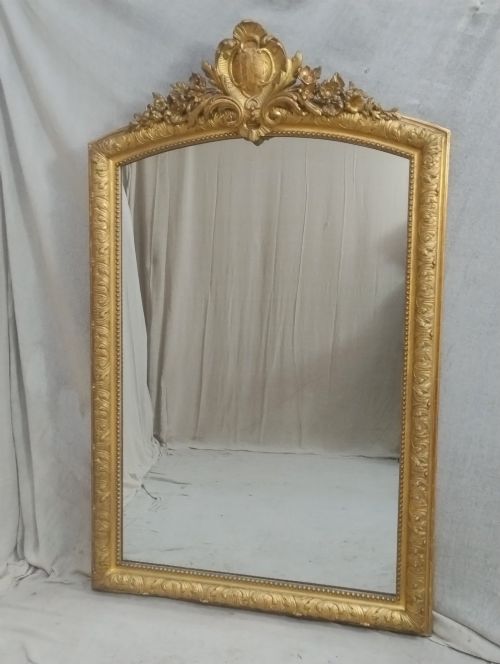
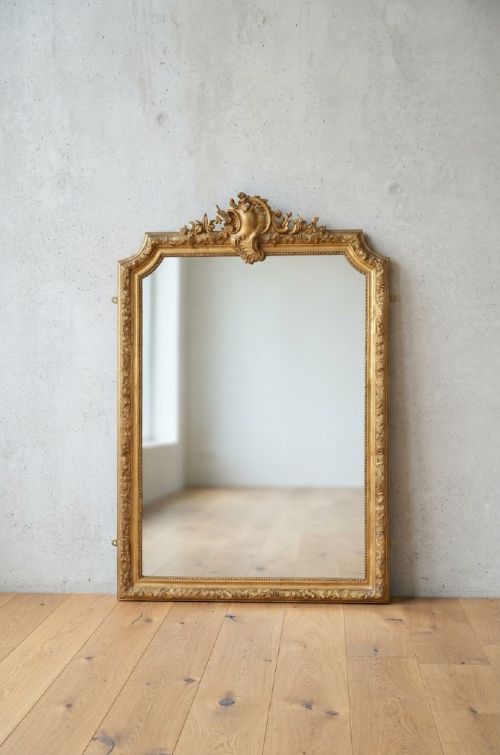
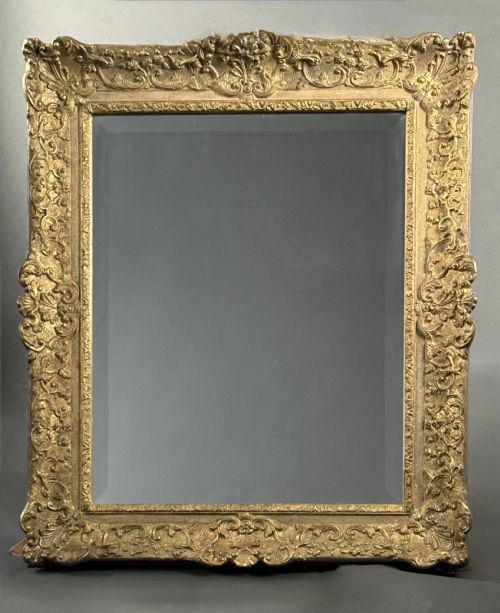
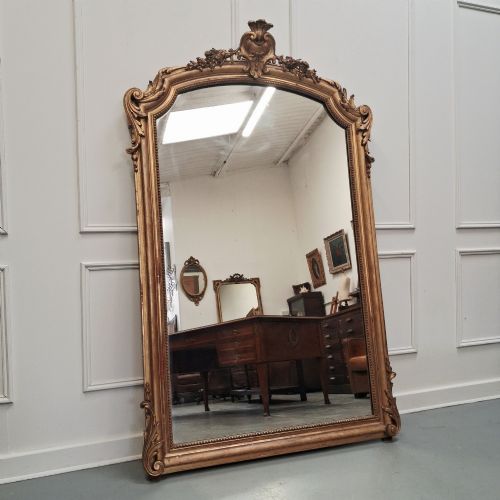
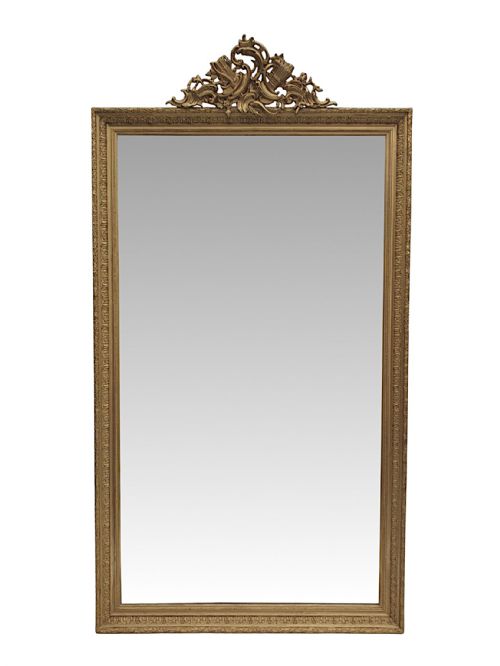
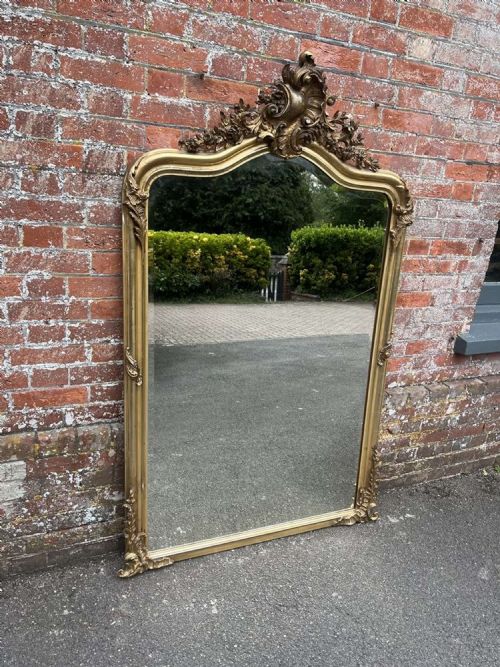
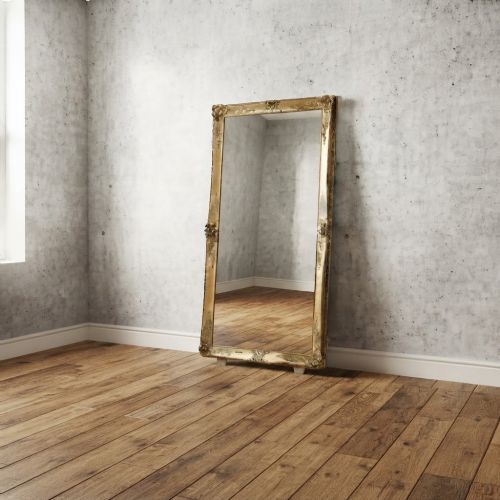
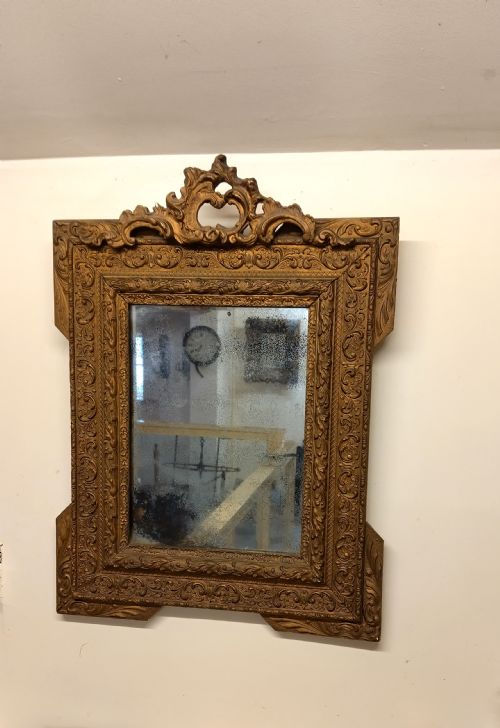
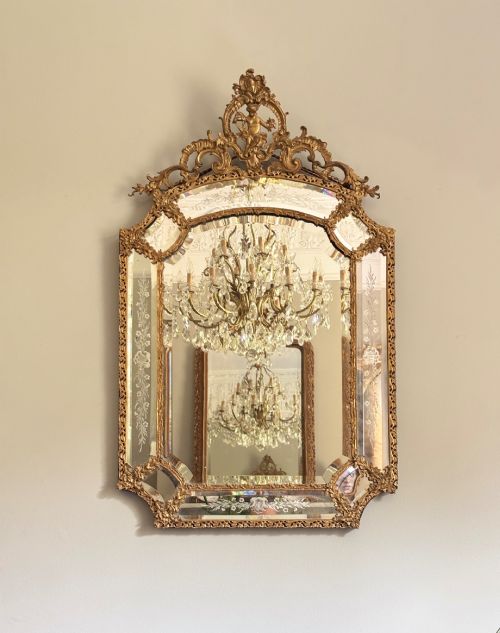
A french rococo style mirror brings flamboyant carved asymmetric curves and gilded surfaces into a room, capturing nineteenth-century revival taste.
French Rococo Style Mirror
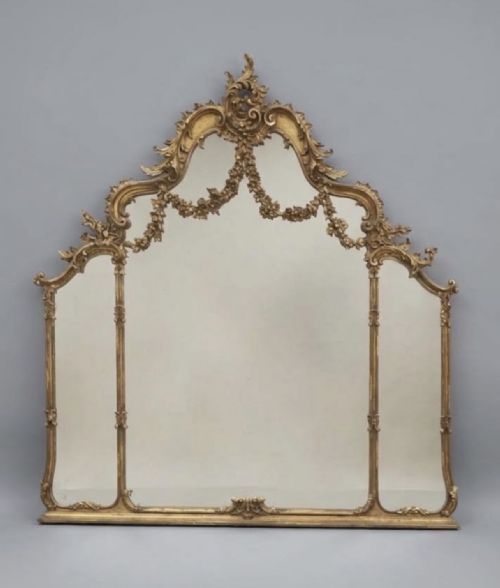
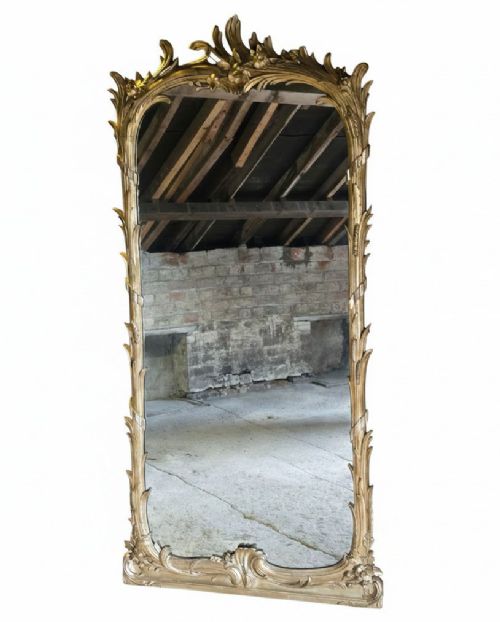
A french rococo style mirror is defined by its ornate, organic framing and fluid lines rooted in eighteenth-century design. On this page, buyers primarily encounter nineteenth-century revival wall mirrors, overmantels, and taller leaner formats originating from French and Victorian workshops.
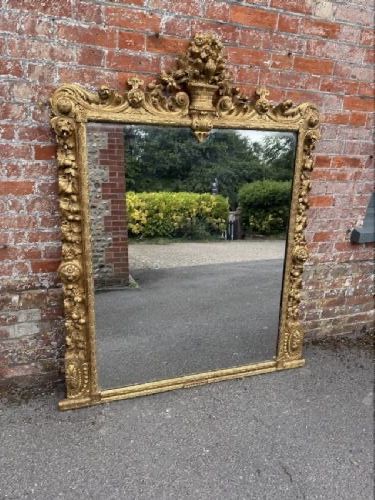
The selection ranges from massive architectural overmantel mirrors designed to sit above a fireplace to smaller girandole and dressing table variants. Many pieces incorporate shaped tops, crested frames, or pastoral painted panels known as trumeau mirrors.
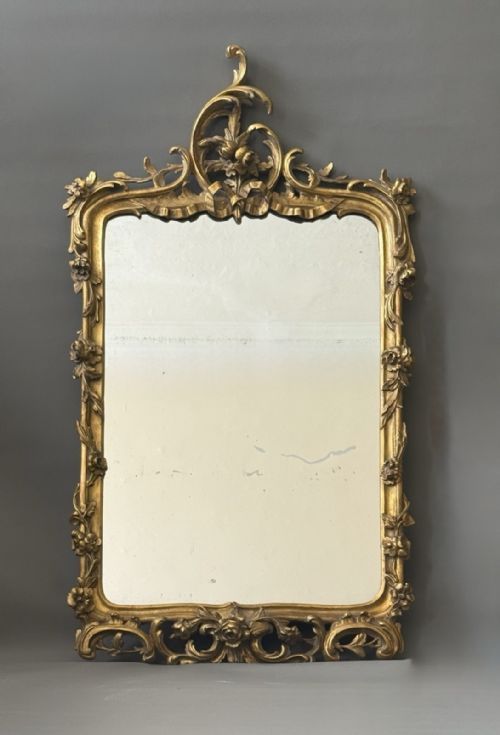
Makers drew heavily on Louis XV motifs, producing asymmetrical scrollwork, floral carvings, and shell elements. These furnishings were intended to reflect light and add dramatic visual weight to principal rooms.
How they were made
Carved wood frames formed the structural base for most pieces, utilising timbers such as oak, walnut, beech, and various softwoods. Artisans applied layers of gesso over the wood substrate to build up crisp, high-relief scrollwork and floral details.
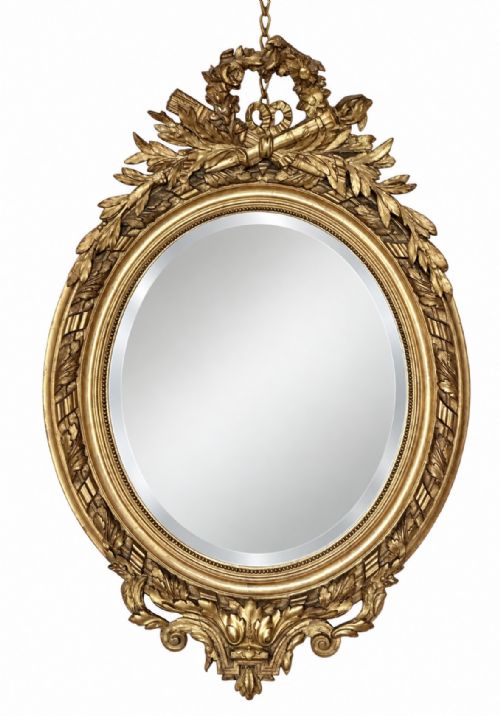
Gilding was achieved by applying gold leaf, silver-gilt, or liquid compositions to the prepared surfaces, sometimes supplemented by parcel-gilt techniques on carved elements. Ormolu and gilt bronze mounts appear on specific decorative frames.
Mirrors utilised antique glass plates, including mercury glass and bevelled mirror plates, which often display foxing and age spots from long exposure.
A pastoral oil painting sits quietly above the glass in the tall trumeau mirror.
What varies in quality
The depth and crispness of the carving dictate much of the piece's visual impact, separating deep hand-carved wooden frames from shallower composition mouldings. Superior examples show intricate undercut foliage and scrolls rather than flat, repetitive pressed ornament.
The integrity of the original gilt surface and the character of the glass plate heavily influence the piece. Original mercury glass and undisturbed gold leaf layers carry more authenticity than later re-gilding or replaced mirror plates.
François Linke
The French Rococo Style Mirror Glossary
- Giltwood
- Wood that has been coated with gold leaf or a gold-coloured finish. This material creates the characteristic bright, reflective surface seen on traditional frames.
- Gesso
- A plaster-like mixture applied to wood frames to provide a smooth base for carving and gilding. It allows craftsmen to model sharp, intricate relief details.
- Overmantel mirror
- A large mirror specifically proportioned to hang above a mantelpiece or fireplace. These pieces often feature wide horizontal formats or arched tops.
- Trumeau mirror
- A decorative wall mirror that incorporates an oil painting or panel within the upper section of the frame. They originated as architectural fittings for period rooms.
- Foxing
- Age-related spots and discoloration appearing within the mirror glass plate. This natural oxidation gives antique glass a mottled, clouded appearance.
French Rococo Style Mirror: Frequently Asked Questions
What is a french rococo style mirror?
A french rococo style mirror is an ornate decorative wall or mantel piece featuring asymmetrical scrolls, C-scrolls, and organic floral motifs inspired by mid-eighteenth-century French design.
Most examples found today date from the nineteenth-century revival periods, reflecting Victorian and Belle Époque interpretations of Louis XV aesthetics.
Where should I hang an overmantel mirror?
Overmantel mirrors are traditionally hung directly above a fireplace mantel to anchor the room's central focal point and reflect light across the space.
Due to their substantial weight and size, they require secure wall fixings tied into structural studs or masonry.
How do I date a nineteenth-century mirror?
Dating relies on examining the construction materials, frame wood, backing boards, and the characteristics of the mirror glass plate itself.
Original mercury glass, hand-carved gesso layers, and period fastening hardware help narrow the manufacture window to specific decades.
How do I clean an antique gilt frame?
Antique gilt frames require very gentle maintenance using a dry, soft brush to remove dust from the crevices of the carved gesso.
Water and chemical cleaning agents must be avoided because moisture easily strips delicate gold leaf and composition surfaces.