
Gold Leaf Crest Mirror
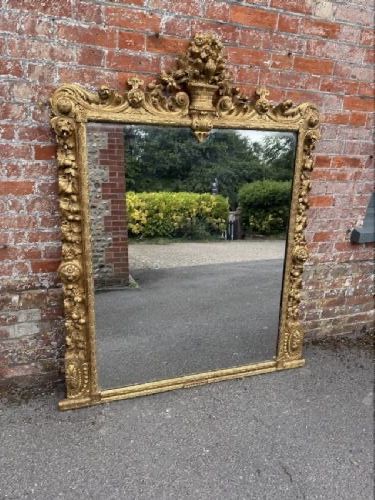
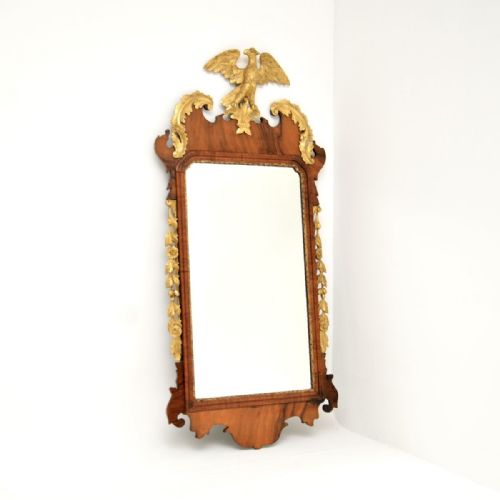
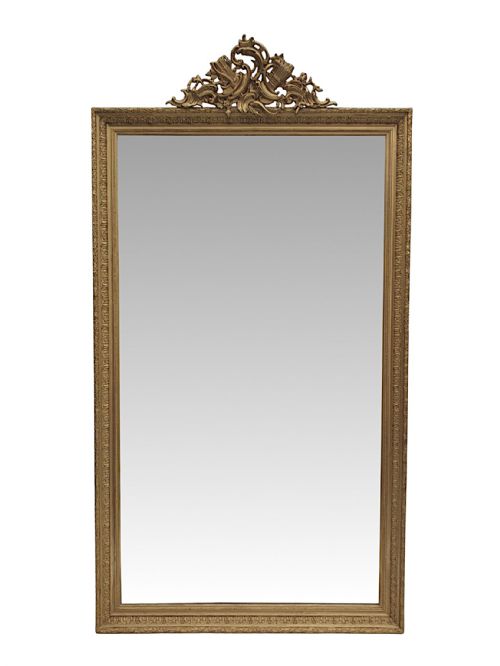
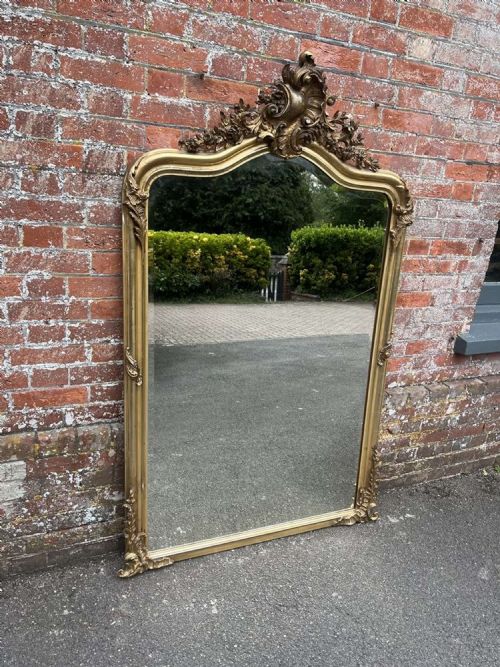
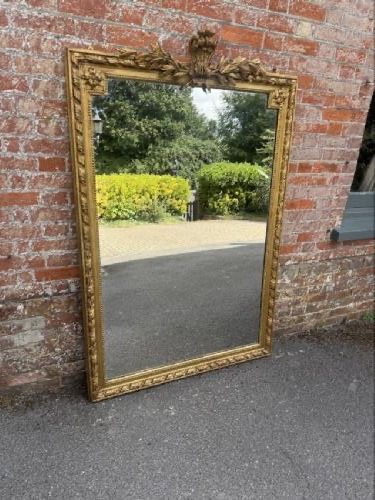
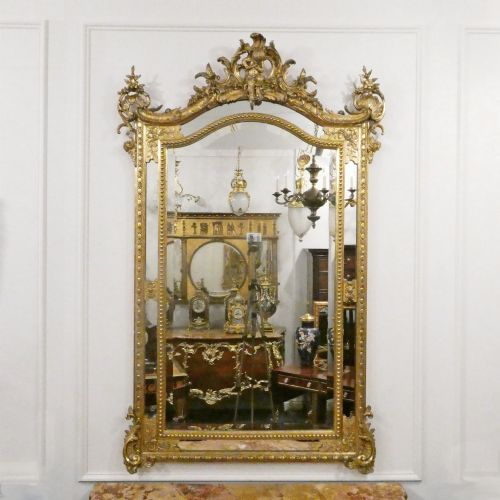
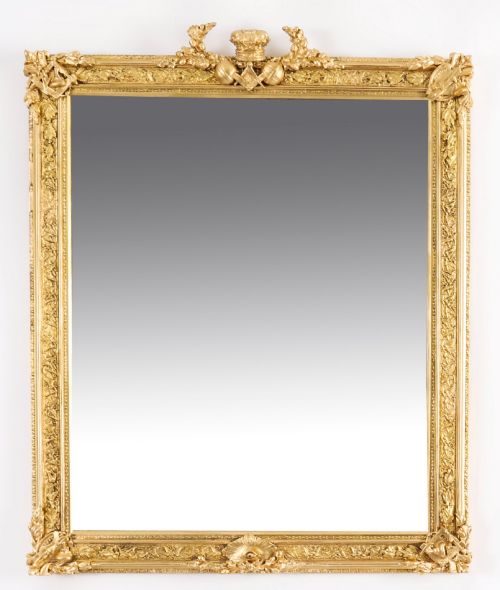
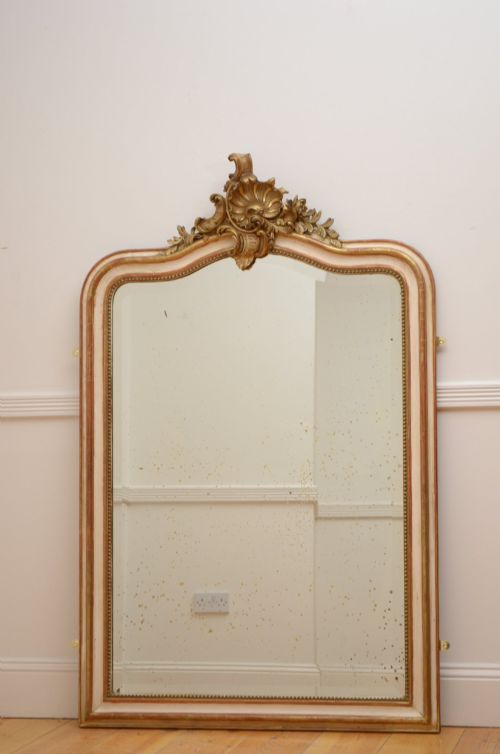
A gold leaf crest mirror brings undeniable presence to a room, defined by gilded surfaces and ornate crestings shaped in the nineteenth century and beyond.
Gold Leaf Crest Mirror
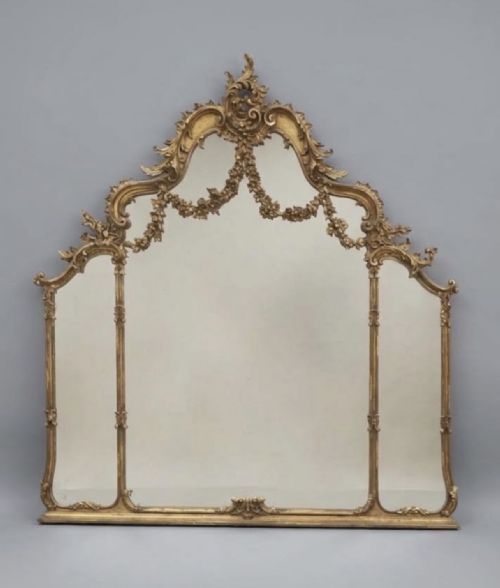
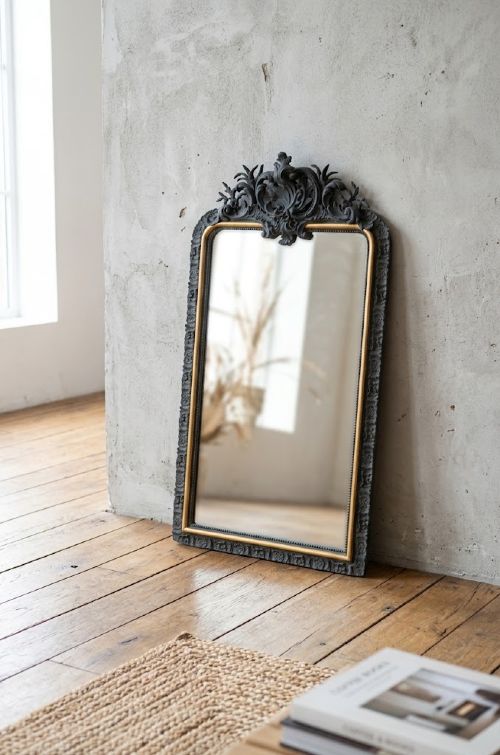
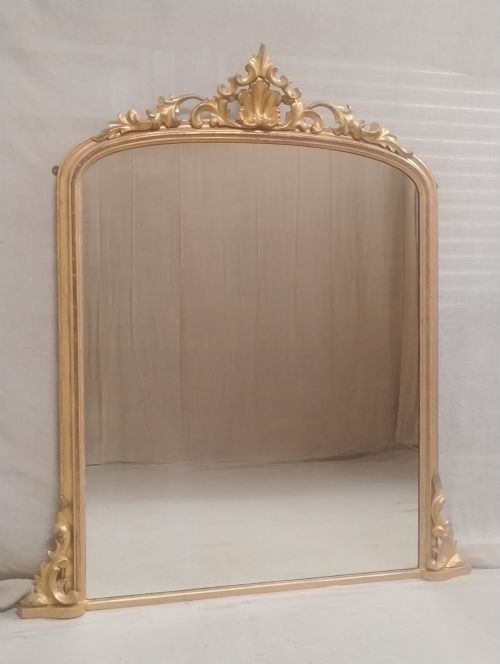
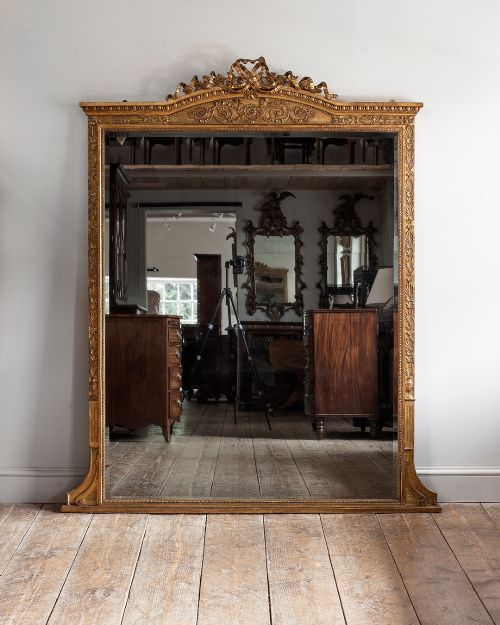
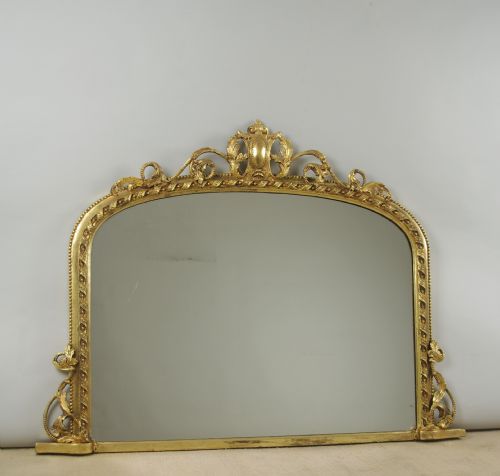
When searching for a gold leaf crest mirror, you encounter pieces spanning the Regency, Victorian, and early twentieth-century periods, alongside French styles like Louis XVI and Rococo Revival. These items function primarily as wall mirrors, grand overmantel mirrors, pier mirrors, and tall leaner mirrors.
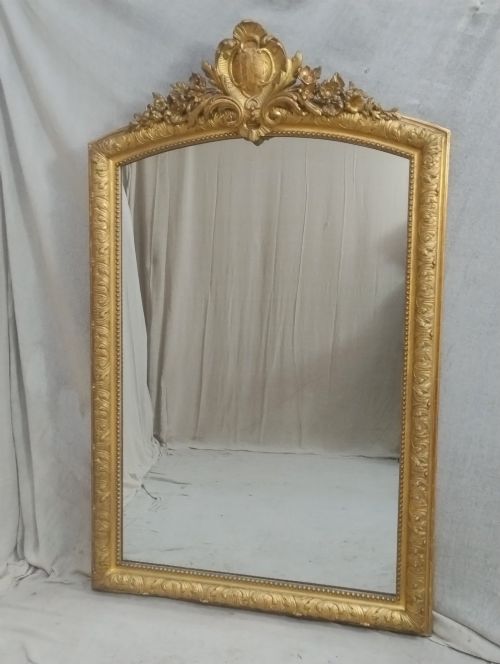
The most common versions on this page are large nineteenth-century French and English wall or overmantel mirrors featuring carved wooden frames, gesso enrichments, and prominent decorative crests. Styles range from restrained geometric Regency designs to elaborate French chateau and carved giltwood forms.
How they were made
Makers built these frames using carved wood, gesso, composition, and painted wood, applying thin sheets of gold leaf to create a luminous metallic surface. Gesso provided a smooth, responsive ground over wooden carcases, allowing artisans to model intricate relief details and decorative crests before gilding.
Mirrors incorporated traditional glass plates, occasionally utilising original bevelled glass or early mercury plate. Frames were assembled using traditional joinery, with composition ornaments often moulded and applied to wooden substrates.
Listings feature items spanning the Regency period through the nineteenth century, Victorian era, and early twentieth century, utilising giltwood, gesso, and painted wood.
What varies in quality
The distinction between tiers rests upon the depth and precision of the wood carving versus moulded composition ornament. Finer pieces display crisp, hand-carved botanical or classical motifs within the crest and frame, while simpler examples rely more heavily on cast composition details.
Quality also shows in the integrity of the original gilding and the preservation of the glass plate. Retaining original gold leaf and authentic mirror plate elevates a piece above those with later re-gilding or replaced glass.
The Gold Leaf Crest Mirror Glossary
- Giltwood
- Wood that has been coated with gold leaf. This finish provides the characteristic metallic brilliance seen on antique frames.
- Gesso
- A plaster-like mixture applied to wooden frame bases. It creates a smooth surface for carving and holds fine decorative relief work before gilding.
- Overmantel mirror
- A large mirror designed to hang above a fireplace mantel. These pieces often feature substantial crests to fill vertical wall space.
- Pier mirror
- A tall, narrow mirror traditionally hung on the pier of wall space between windows. They frequently incorporate detailed crests.
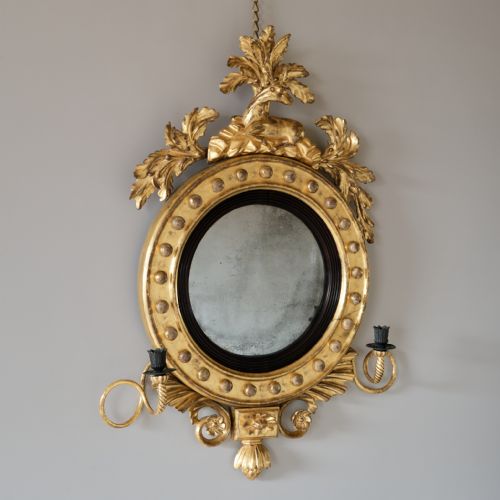
- Convex mirror
- A round mirror with a curved glass plate that provides a wide-angle reflection. Frames are often round with gilded ball details.
Gold Leaf Crest Mirror: Frequently Asked Questions
Where should I hang a large overmantel mirror?
These mirrors traditionally sit above a fireplace mantel, anchoring the room's proportions and reflecting light across the space. They also work effectively on expansive blank walls in reception rooms.
Ensure the wall construction supports the considerable weight of carved wood and gesso frames. Secure fixings directly into wall studs or masonry.
How do I identify French nineteenth-century styles?
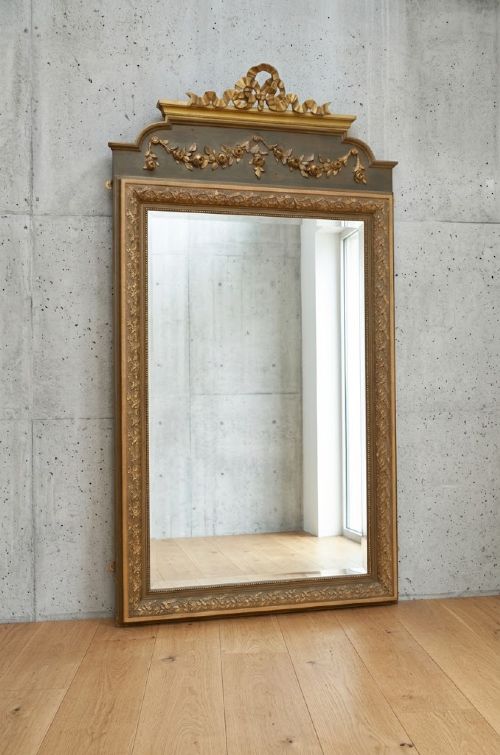
French pieces often display Louis XVI or Rococo Revival characteristics, such as ribbon crests, arched tops, and elaborate carved foliage. Look for painted wood details combined with gold leaf.
Origin is often indicated by the construction methods, proportions, and specific regional aesthetic preferences of the period.
What is the difference between gesso and composition?
Gesso is a liquid plaster mixture brushed onto wood to create a smooth ground for hand-carving and gilding. Composition is a denser, mouldable paste pressed into decorative shapes and applied to the frame.
Finer antique frames rely more on carved wood and gesso, while simpler pieces incorporate moulded composition ornaments.
Are mercury glass plates different from modern glass?
Mercury plates produce a softer, mottled reflection with characteristic dark spots and depth compared to modern silvered glass. They are found on earlier antique mirrors.
Preserved original glass plates add historic authenticity to the piece, showing age through subtle surface variations.