





French Rococo Oil Painting
A french rococo oil painting brings the playful movement and pastoral charm of eighteenth-century salons directly into a room.
French Rococo Oil Painting
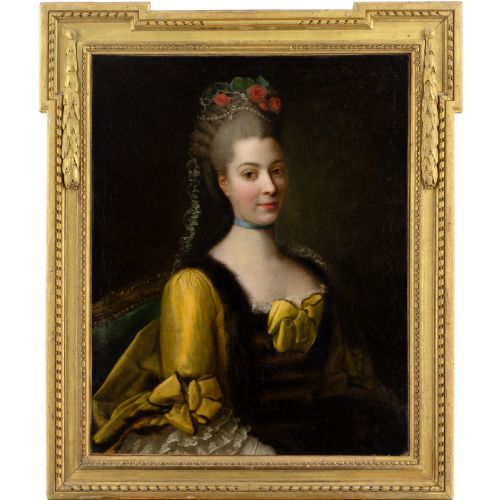
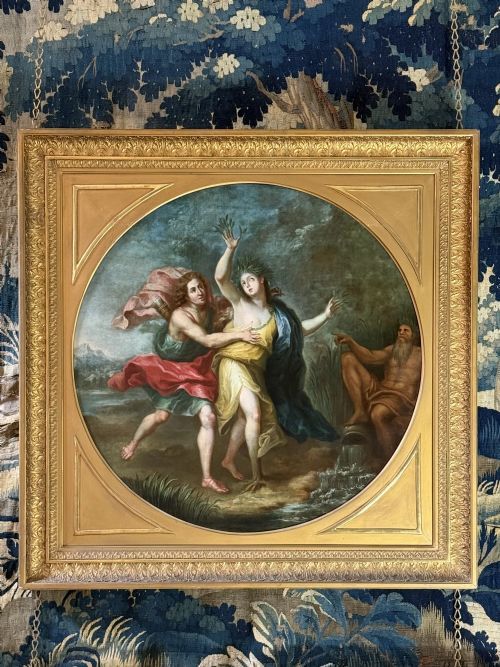
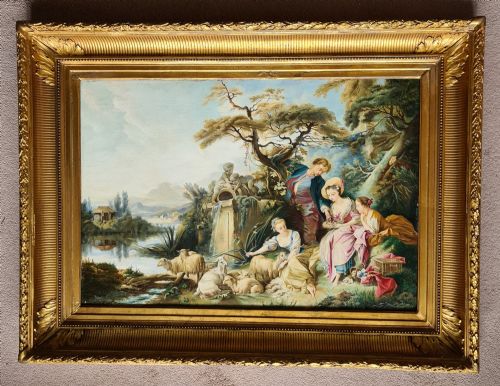
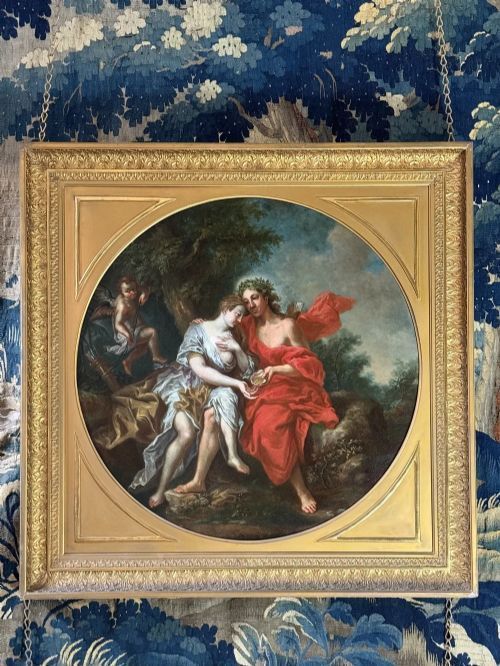
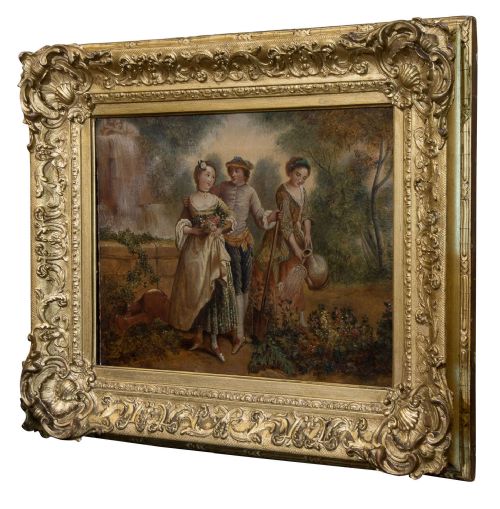
A french rococo oil painting typically presents graceful pastoral figures, mythological scenes, or delicate portraits rendered in soft, curving compositions. These works range from original eighteenth-century canvases and copper panels to later nineteenth-century revival interpretations executed in the same decorative spirit.
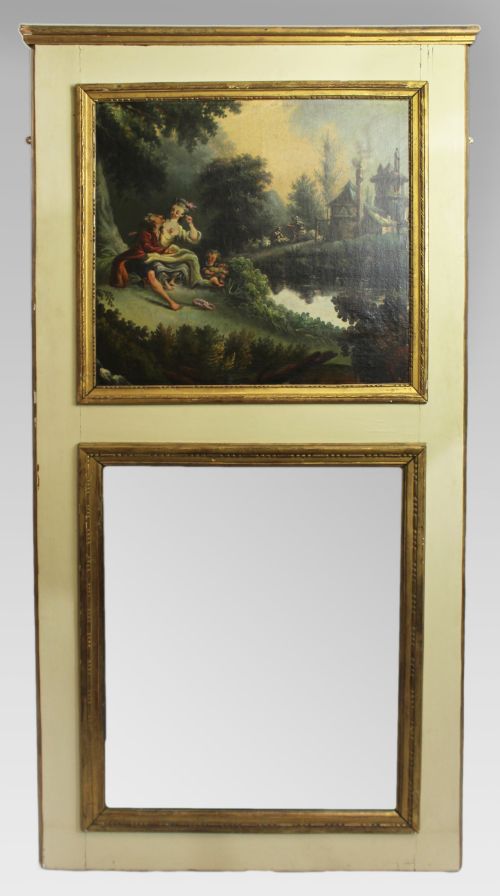
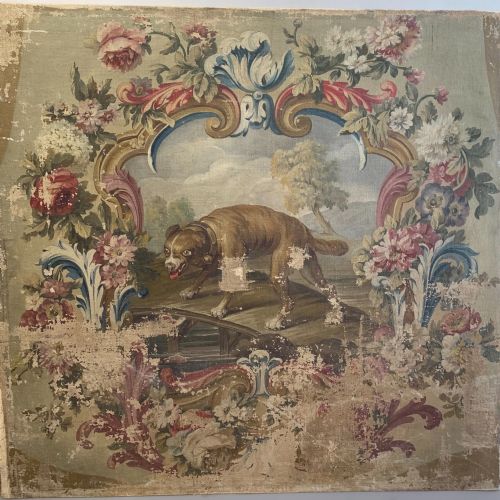
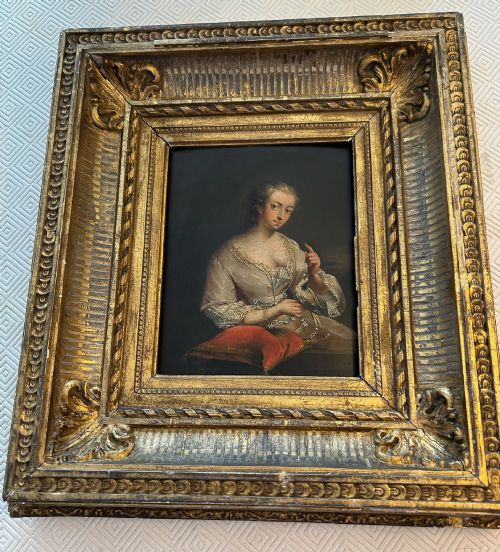
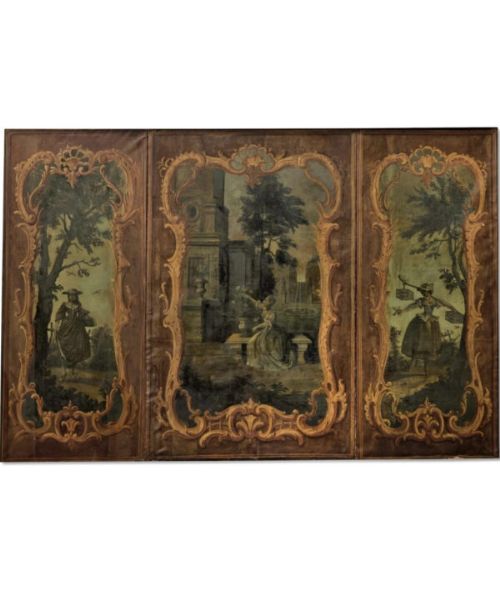
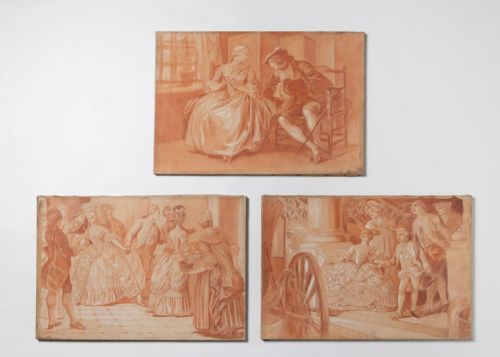
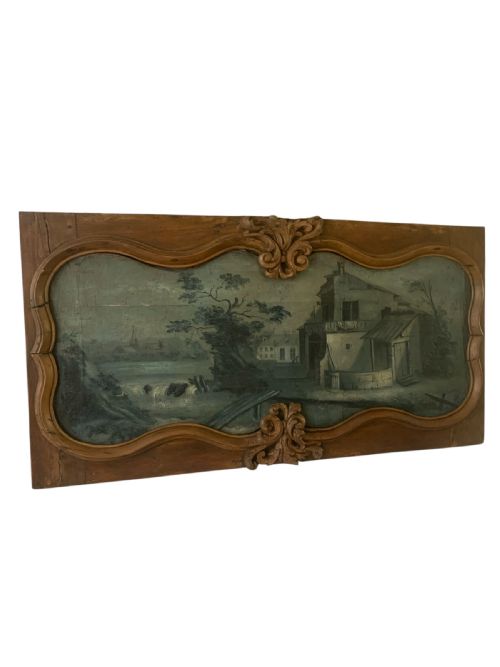
Buyers frequently encounter figurative interior scenes, mythological pairs, and portraits created in the manner of established masters like Boucher or Watteau. Alongside direct stretched canvases, the selections include architectural overdoor panels, painted screens, and works integrated into giltwood trumeau mirrors.
The aesthetic spans from authentic mid-eighteenth-century execution through to later nineteenth-century revival copies and decorative wall hangings. These pieces reflect the enduring appetite for French chateau interiors and classical ornamentation across multiple generations of production.
Materials and technique
Pigments were traditionally ground and suspended in oil media, applied primarily to woven canvas supports or occasionally onto prepared copper plates. This technique allowed artists to build luminous skin tones, translucent drapery, and subtle tonal gradations characteristic of the period.
Surrounding frames and integrated architectural elements were constructed from wood, then coated with layers of gesso before receiving intricate hand-carved ornamentation and surface gilding. This combination of oil paint on canvas housed within heavy giltwood frames created the unified decorative objects found in grand salons.
Cherubs frolic across multiple canvases on this page, occasionally abandoning their celestial duties to play cards and chase each other through woodland clearings.
Assessing the execution
Quality rests primarily in the fluidity of the brushwork, the anatomical conviction of the figures, and the expressive handling of light within the composition. Masterful examples display confident, spontaneous strokes that convey fabric movement and facial nuance effortlessly.
The distinction between a top-tier period work and a standard decorative copy lies in the depth of the pigment layering and the sophistication of the palette. Finer paintings maintain compositional balance and harmonious colour relationships that weaker workshop pieces often miss.
Charles-Antoine Coypel·Jean-Baptiste Greuze·Jean-Baptiste van Loo·Nicolas Fouche·Louis De Silvestre
The French Rococo Oil Painting Glossary
- Trumeau mirror
- A decorative wall mirror featuring an integrated painted panel set into the woodwork above the glass. These architectural elements often served as overmantels in grand salons.
- Camaieu bleu
- A monochrome painting technique executed entirely in shades of blue. This style mimics the appearance of porcelain decoration or classical ceramics.
- Grisaille
- A method of painting executed entirely in monochrome shades of grey, neutral, or earth tones. It was frequently employed to simulate sculptural reliefs or preparatory cartoons for tapestries.
- Gesso
- A plaster-like mixture applied to wooden frames and panels to create a smooth surface for gilding and carved detail. It forms the base under the gold leaf.
- Overdoor
- A decorative painting or panel designed specifically to fit the architectural space immediately above a doorway. These works often featured pastoral landscapes or festive figures.
French Rococo Oil Painting: Frequently Asked Questions
How do I hang a heavy trumeau mirror safely?
These substantial wooden and glass assemblies require professional wall anchors fixed directly into masonry or secure timber studs. Due to the combined weight of the carved frame, glass plate, and oil painting insert, a load-bearing French cleat system provides the most stable support.
Position the piece at eye level to ensure the integrated painting can be properly appreciated as a standalone work of art. Avoid placing them near direct heat sources or in damp environments that might distress the underlying gesso and canvas.
What is the difference between an original eighteenth-century work and a revival piece?
Period works from the eighteenth century carry the specific pigment chemistry, canvas ageing, and stylistic nuances of the active court painters of the era. They reflect the direct artistic currents of the reigns of Louis XV and Louis XVI.
Revival pieces, often produced during the nineteenth century, imitate these earlier motifs with slightly different stretching techniques and framing styles. Both hold decorative value, but period pieces carry distinct historical attribution.
Where were painted overdoor panels originally placed?
Overdoor panels were commissioned to sit directly above interior doorways within formal salons and drawing rooms of French chateaus. They served to unify the room's decorative scheme by continuing the pastoral themes of the wall panelling.
Today, these horizontal compositions can be hung above doorways in period properties or displayed at standard eye level on open wall spaces as independent landscape paintings.