






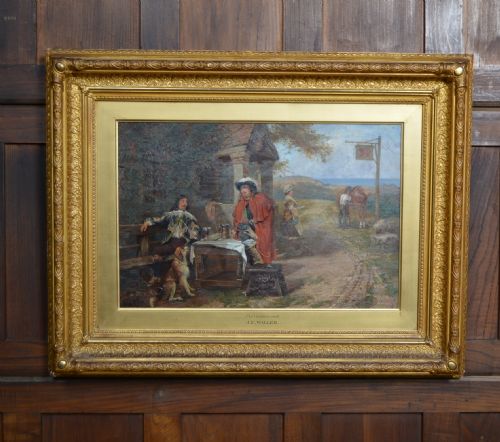

Classical Narrative Oil Painting
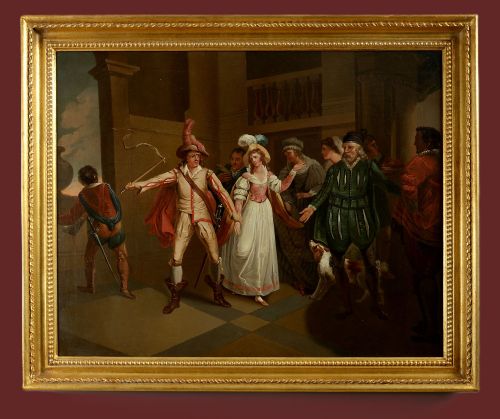
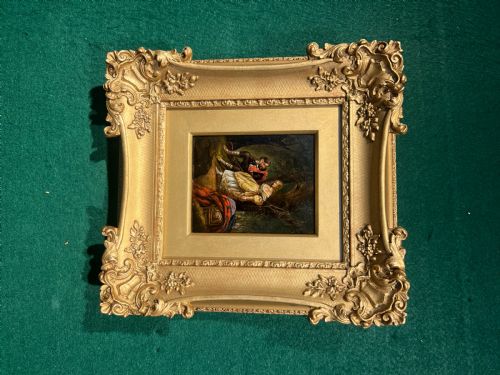
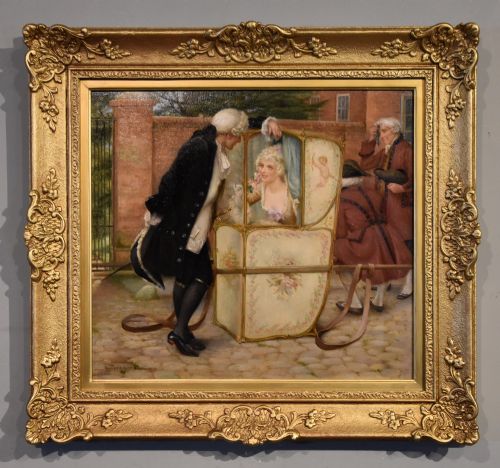
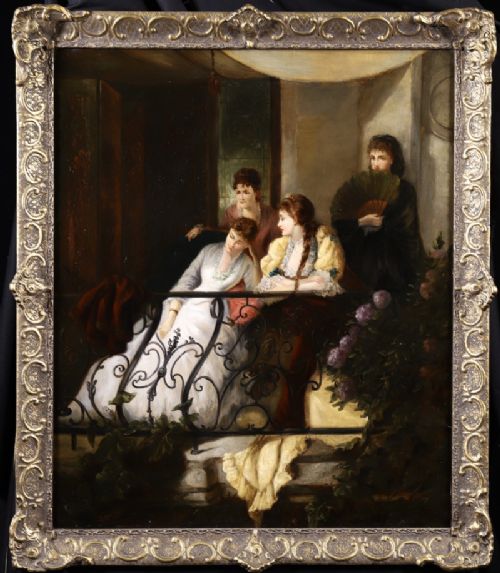
A classical narrative oil painting brings literary, mythological, and historical scenes to life on canvas through the hands of period artists.
Classical Narrative Oil Painting
A classical narrative oil painting depicts stories drawn from Shakespeare, mythology, and historical events across centuries of artistic tradition. When you search for classical narrative oil painting, you encounter works ranging from 18th-century compositions on copper to Victorian canvases and later interpretations.
The pieces on this page span British, Scottish, French, and Italian schools, encompassing romanticism, symbolism, and baroque influences. Many works interpret specific literary moments, theatrical scenes, or biblical accounts.
Framing often includes period elements such as giltwood and gesso, which complement the canvas or wood panel supports. These artworks function primarily as substantial wall art intended for principal rooms.
What varies in quality
Quality in a classical narrative oil painting rests upon the sophistication of the figurative composition and the expressive handling of the brushwork. Works by named artists or those associated with specific historical schools generally display greater anatomical precision and narrative depth.
The condition of the oil paint surface, the presence of original or period-appropriate giltwood framing, and the clarity of the depicted scene further distinguish individual examples.
Listings span works executed on both canvas and copper supports, dating from the seventeenth century through the mid twentieth century.
Sir Joseph Noel Paton·Francis Plummer·Delapoer Downing·John A. Monteith·Friedrich von Kaulbach·Jean-Baptiste Joseph Pater·William Edward Frost·Pietro D'Asaro·Andrea Celesti·Peter Paul Rubens·Jules Girardet·Abraham Cooper·Alexandre Decamps·Eugene Hindle
The Classical Narrative Oil Painting Glossary
- Oil on canvas
- Pigment mixed with drying oil applied to a woven fabric support stretched across a wooden frame. This combination became the standard medium for Western easel painting from the Renaissance onward.
- Giltwood
- Wood, typically carved timber, coated with gold leaf or gold paint. It frequently forms the decorative frames associated with period artworks.
- Gesso
- A paint mixture consisting of a neutral binder mixed with chalk, gypsum, or pigment. It serves as a prepared baseline surface on panels or frame mouldings before gilding or painting.
- Italian Baroque
- An artistic style originating in Rome around seventeen hundred, characterised by dramatic lighting, deep shadows, and intense emotional narratives.
- Figurative genre
- Artwork depicting scenes from everyday life, literature, or history involving human subjects. These compositions tell a story through the interaction and poses of the figures.
Classical Narrative Oil Painting: Frequently Asked Questions
What subjects appear in these paintings?
These works portray scenes from classical mythology, Shakespearean plays, biblical accounts, and historical moments. Subjects include literary episodes, heroic encounters, and dramatic historical narratives.
Artists drew inspiration from theatre, literature, and ancient texts to construct complex figurative scenes designed to engage the viewer's intellect and imagination.
How do I date an oil painting?
Dating relies on stylistic clues, framing materials, canvas preparation, and documented signatures or exhibition records. Seventeenth and eighteenth-century works often utilise copper supports or specific canvas weaves.
Victorian and Edwardian pieces frequently exhibit characteristic framing styles, distinct pigment usage, and academic approaches to anatomy and composition.
Where should I hang a large painting?
Large narrative works require substantial wall space with controlled lighting to prevent glare on the oil surface. Dining rooms, studies, and principal reception rooms traditionally house these substantial pieces.
Ensure the hanging wall avoids direct sunlight and excessive humidity fluctuations to protect both the canvas and the giltwood frame.
What is the difference between schools?
Regional schools reflect the artistic training, techniques, and aesthetic priorities of specific countries and periods. Italian works often emphasise theatrical lighting and baroque drama, while British and Scottish pieces frequently lean towards literary and romantic subjects.
Identifying the school helps place the artwork within a broader art-historical tradition and clarifies the painterly conventions employed by the artist.