
French Rococo Accent Table
These french rococo accent table pieces bring curved lines and gilt mounts to sitting rooms, offering a surface for small objects.
French Rococo Accent Table
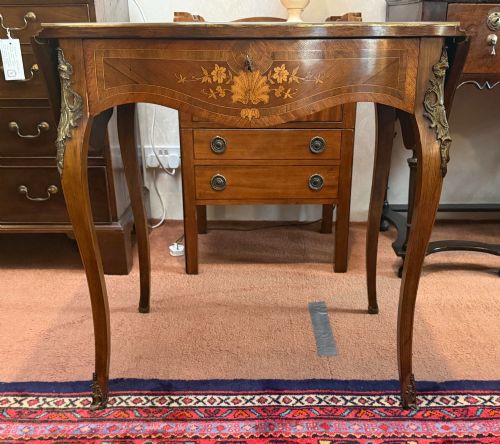
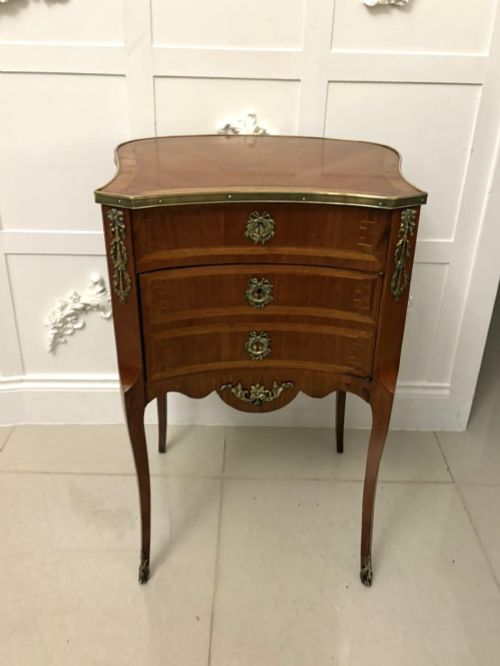
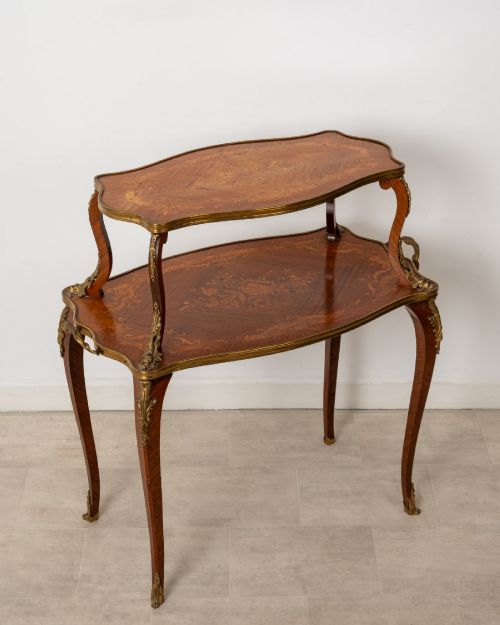
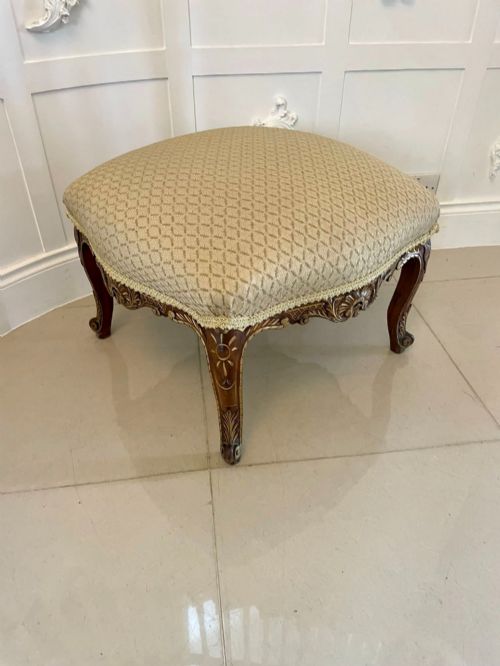
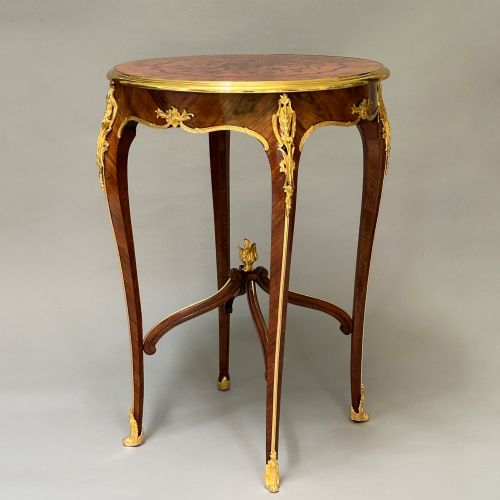
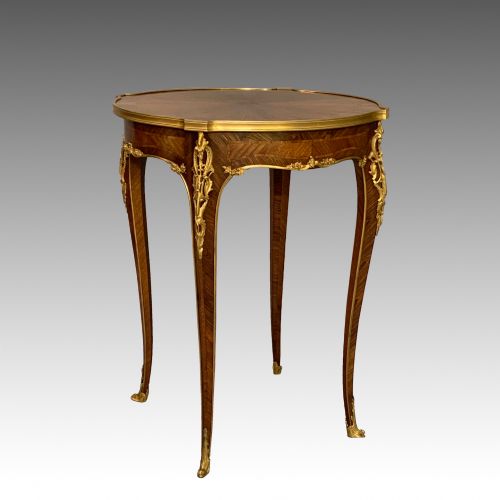
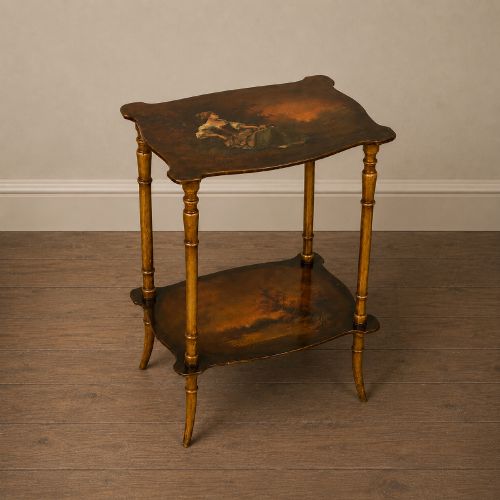
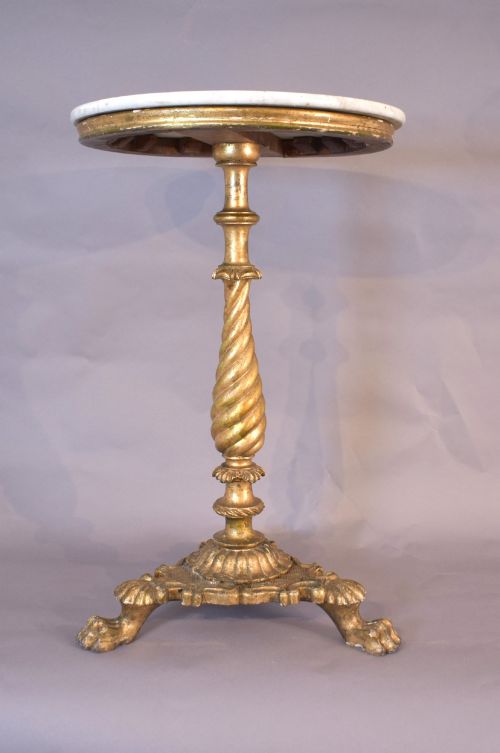
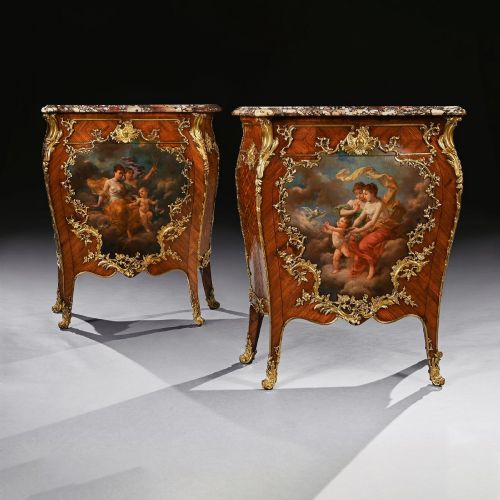
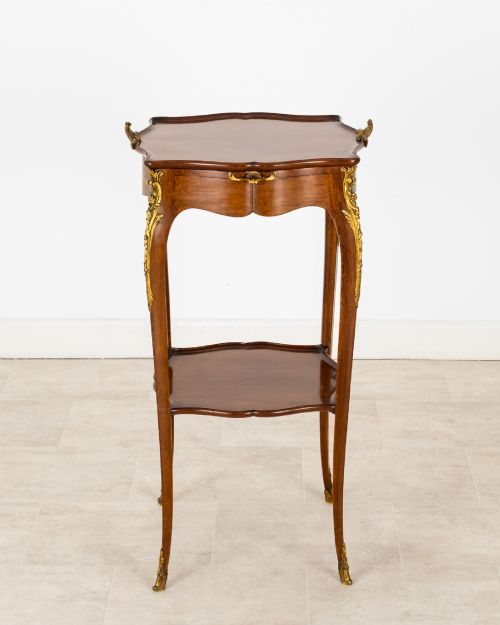
A french rococo accent table displays the asymmetrical curves and decorative flourishes typical of revival periods. Buyers seeking this phrase most frequently encounter occasional tables, side tables, and two-tier étagères dating from the nineteenth century.
Makers working in the nineteenth century produced these forms in walnut, kingwood, and mahogany, often incorporating marble tops and gilt bronze mounts. These pieces served as decorative surfaces in formal rooms rather than utilitarian furniture.
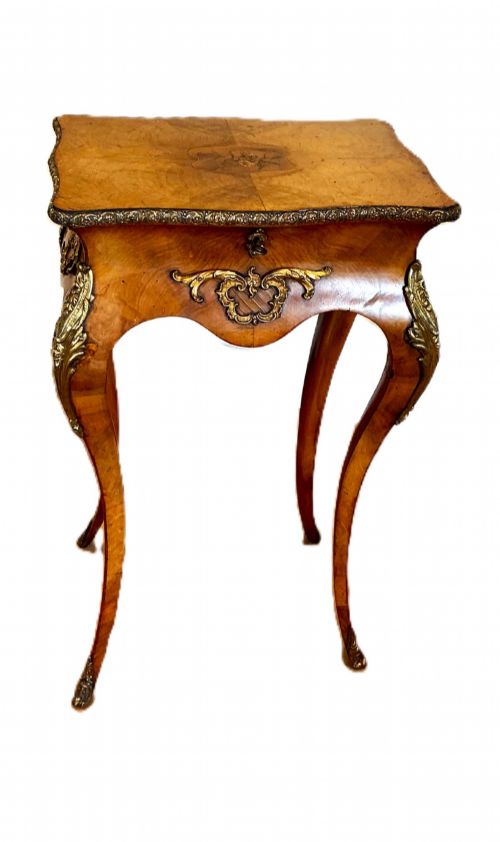
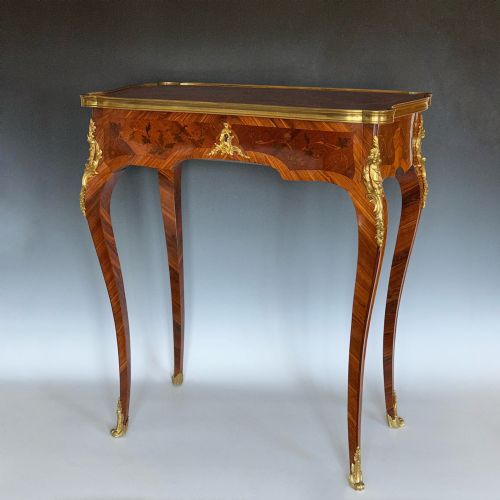
Designs draw heavily on Louis XV styles, featuring cabriole legs and floral marquetry inlay. The selection includes occasional pieces and centre tables created by prominent Parisian workshops.
Materials and Technique
Cabinetmakers constructed carcass frames from timbers like walnut and mahogany, applying veneers of kingwood and burr wood over the surfaces. Marquetry decoration utilises contrasting wood cuts arranged in floral and geometric patterns.
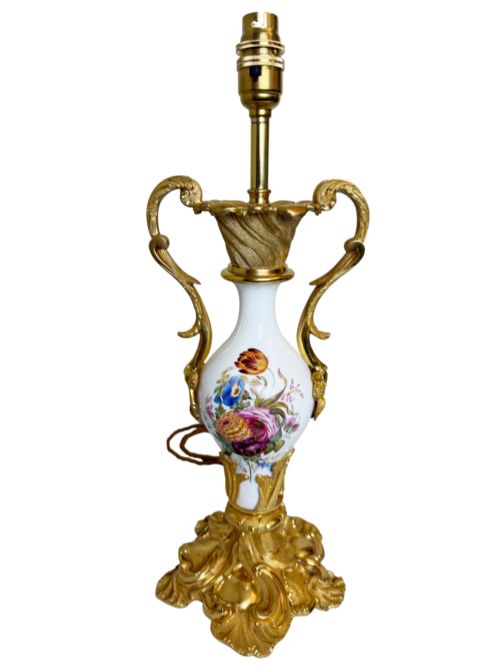
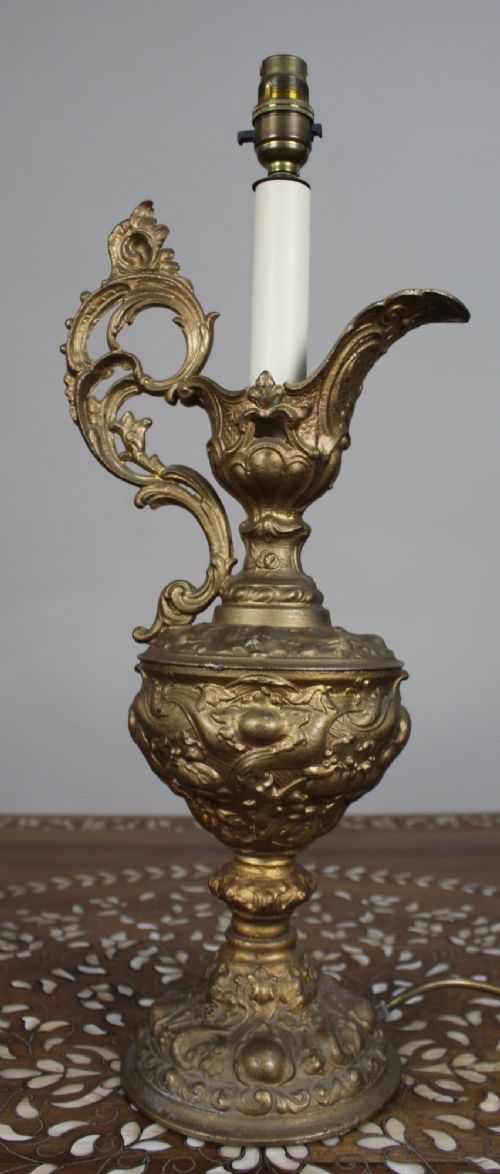
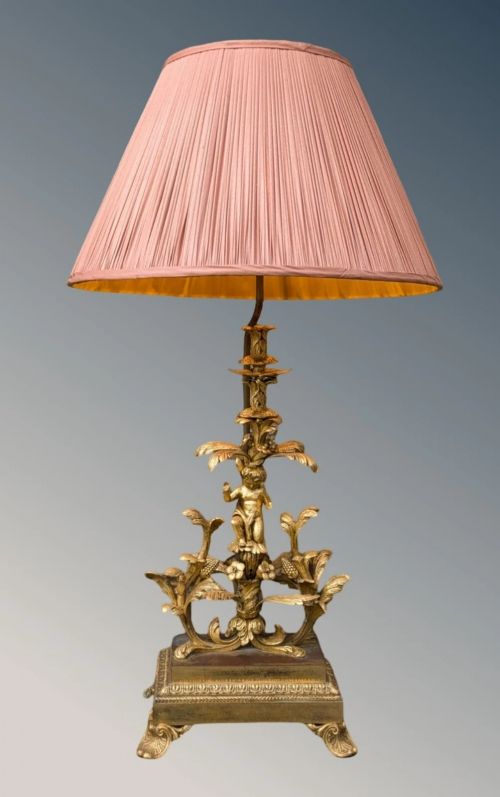
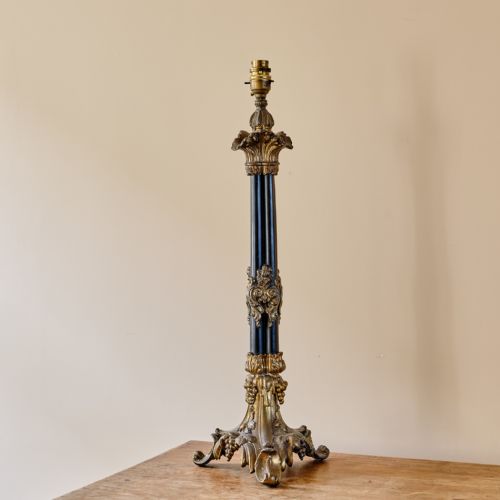
Gilt bronze and ormolu mounts are cast, chased, and secured to corners, legs, and aprons to accentuate the curved contours. Marble tops, often shaped with moulded edges, sit within the upper framework of side and centre tables.
French Rococo Accent Table Retail Price Guide 2026
Typical asking prices for french rococo accent table among the pieces listed under this phrase on Sellingantiques today, from the lower quarter to the upper quarter. They describe what is for sale here now, not the wider market.
Some tables hide tiny velvet-lined compartments beneath sliding trays, built for concealing love letters or elaborate visiting cards.
Assessing Execution
Quality rests in the crispness of the gilt bronze chasing and the precision of the marquetry inlay. Superior examples display hand-finished detail in the mount work and seamless integration of veneers across complex curved surfaces.
The choice of secondary timbers and the weight of the marble or bronze elements distinguish standard production from exhibition pieces. Maker attribution to workshops such as those of François Linke or Maison Millet indicates high standards of nineteenth-century craftsmanship.
Joseph-Emmanuel Zwiener·François Linke·Maison Millet·Edwards & Roberts
The French Rococo Accent Table Glossary
- Ormolu
- Gilt bronze mounted on furniture or used for decorative objects. The technique involves applying a mercury and gold amalgam to cast bronze before heating.
- Kingwood
- A dense Brazilian timber with dark violet-brown grain patterns used extensively for veneering. Cabinetmakers prize it for rich colour contrast in marquetry.
- Marquetry
- The art of applying small pieces of veneer to a structure to form decorative patterns. Artisans cut different woods to fit together precisely.
- Étagère
- A set of open shelves for displaying small objects or ornaments. These pieces typically feature multiple tiers supported by slender columns.
- Vernis Martin
- A type of simulated Japanese varnish developed in France. Craftsmen applied multiple translucent coats to achieve a glossy decorative finish.
French Rococo Accent Table: Frequently Asked Questions
What is a french rococo accent table?
These tables are small decorative surfaces featuring curved cabriole legs, floral marquetry, and gilt bronze mounts. They emerged during nineteenth-century revival periods inspired by earlier Louis XV designs.
They function as side tables, occasional tables, or étagères designed to hold lamps, porcelain, or small decorative items in a drawing room.
How do I identify the period?
Nineteenth-century pieces rely on specific timber combinations, machine-assisted or hand-cut veneers, and characteristic casting methods in the ormolu mounts. Makers often utilised kingwood over walnut or mahogany carcasses.
Examining the construction methods underneath and inside drawers helps distinguish nineteenth-century revival work from later reproductions.
Were these tables used daily?
These pieces served primarily as decorative furnishings in formal reception rooms rather than heavy utilitarian furniture. Their delicate veneers and marble tops suited light service such as holding tea accessories or small lamps.
Owners placed them beside seating or against walls to complement coordinated suites of furniture.
How do I care for kingwood and ormolu?
Wood surfaces require occasional dusting with a dry cloth and protection from direct sunlight and heat sources to prevent veneer cracking. Avoid harsh chemical polishes that can damage historic finishes.
Ormolu mounts need gentle dusting without abrasive cleaners to preserve the original gilding.