




French Rococo Accent Mirrors
French rococo accent mirrors bring exuberant curves, asymmetric scrollwork, and gilded elegance to any interior.
French Rococo Accent Mirrors
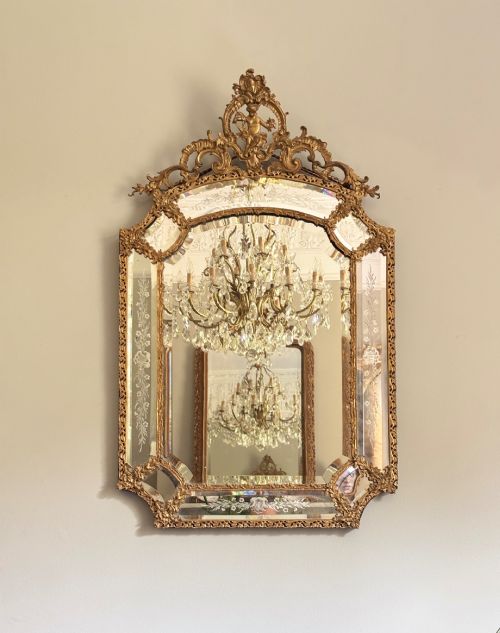
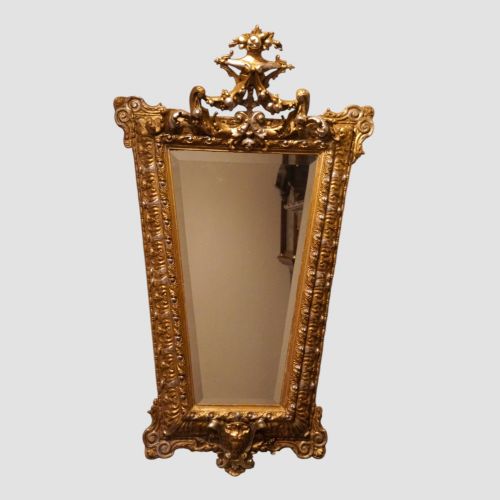
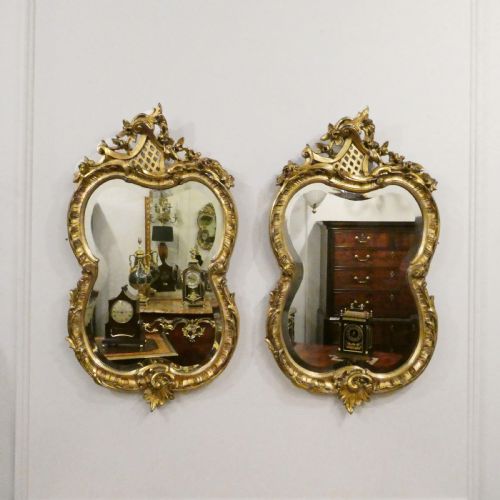
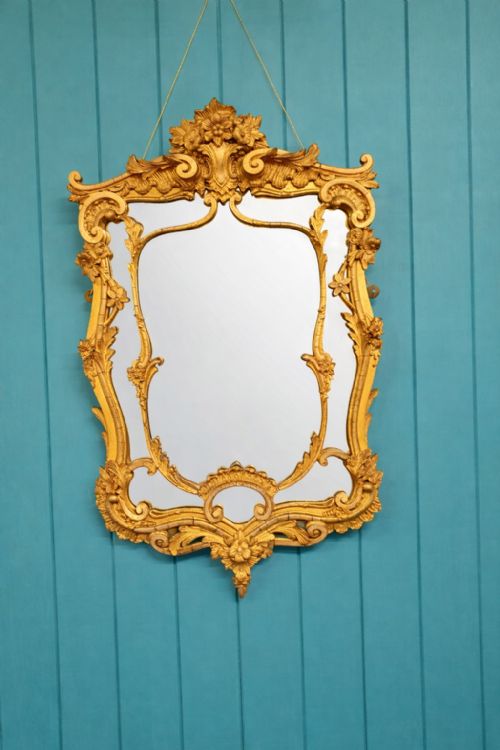
French rococo accent mirrors encompass ornate wall-hanging glasses framed by elaborate interpretations of eighteenth-century design. Buyers exploring this category encounter pieces that range from compact vanity glasses to large overmantel installations.
The selections span authentic eighteenth-century examples alongside nineteenth-century revivals produced during the Victorian and Edwardian eras. These later interpretations capture the essence of the Louis XV style through spirited scrolling motifs and dynamic outlines.
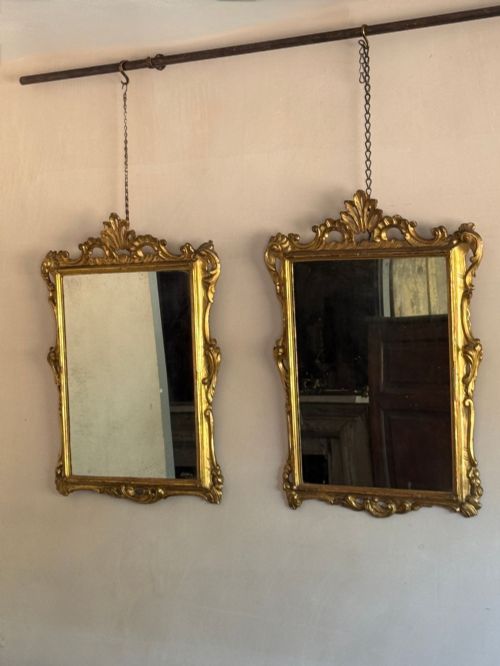
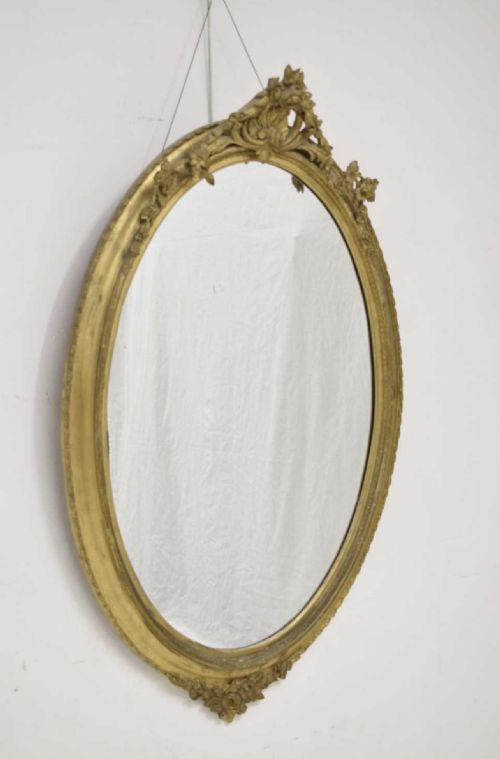
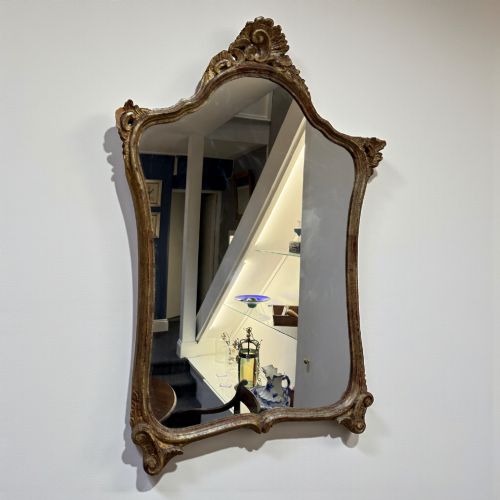
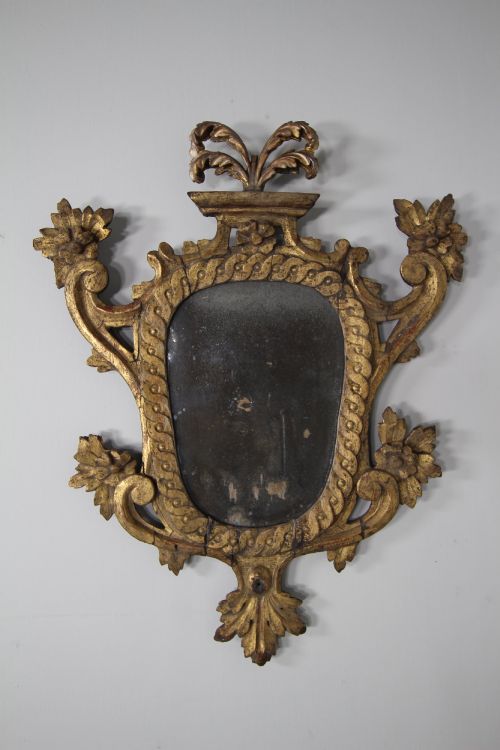
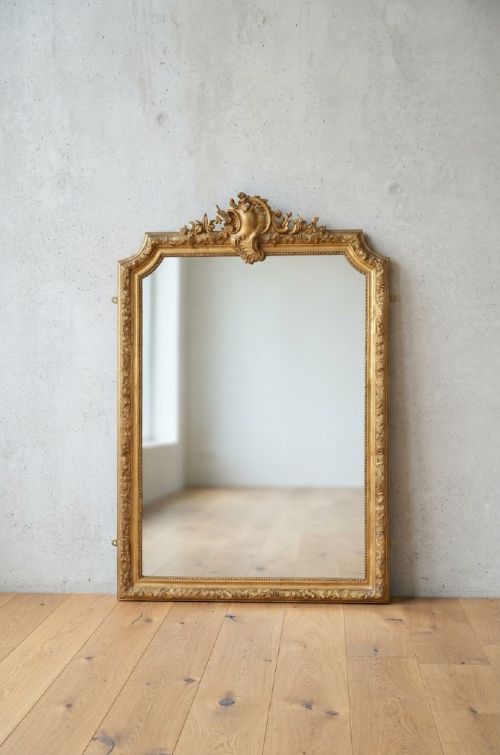
Forms vary from cartouche and shield shapes to rectangular and oval formats featuring distinctive shell or foliate cresting. Wall mirrors and pier glasses dominate the selection, occasionally accompanied by associated console or pedestal supports.
Materials and construction methods
Makers utilised wood as a primary structural base, employing carved wood, oak, and occasionally kingwood for stability. Carvers shaped these timbers into asymmetric scrollwork, C-scrolls, and naturalistic floral details characteristic of the style.
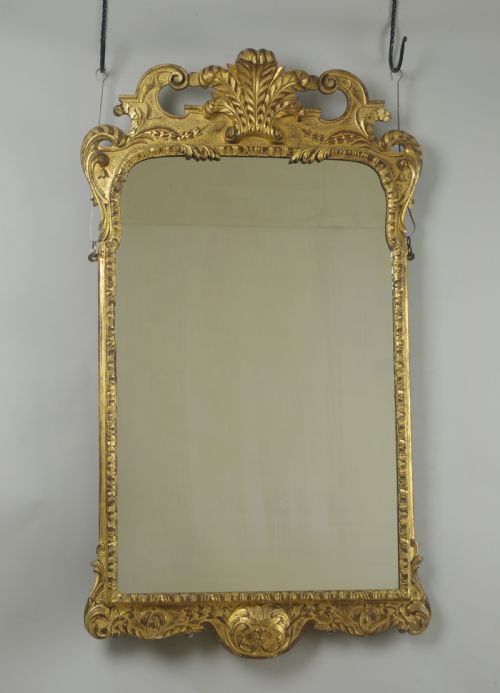
Giltwood and gesso surfaces received layers of gold leaf or silver-gilt, which created the reflective, luminous finish central to the aesthetic. Artisans applied gesso over carved wooden foundations to build up intricate relief ornaments before gilding.
Some frames conceal tiny hand-carved shells tucked into asymmetric scrollwork, waiting patiently for an observant viewer to spot them.
Distinctions in craftsmanship and design
The depth and clarity of the carving separate standard production pieces from masterworks. Crisp undercut foliage, delicate shell motifs, and confident asymmetry demonstrate superior hand-carving skill.
The quality of the gilding and the preservation of the original mirror glass influence the character of each piece. Surface finishes that retain their original tonal variations and subtle wear show greater integrity than modern replacements.
The French Rococo Accent Mirrors Glossary
- Giltwood
- Wood that has been coated with gold leaf or gold paint. This finish creates the characteristic bright surface found on classical frames.
- Gesso
- A plaster-like mixture applied to wood frames as a base for gilding. It allows carvers to model fine details before applying gold leaf.
- Trumeau
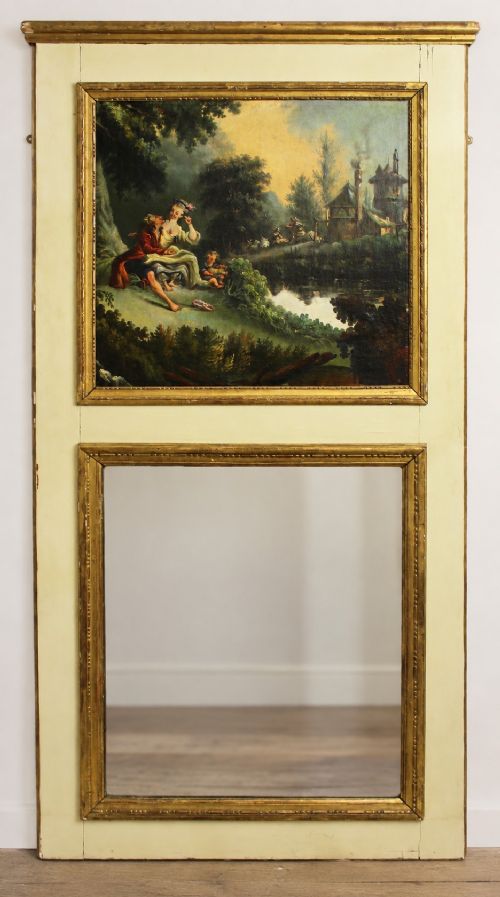
- A decorative wall mirror incorporating an oil painting or panel above the glass. These architectural pieces often integrate into wood-panelled rooms.
- Cartouche
- An ornamental frame resembling a rolled-up scroll or paper tablet. It frequently forms the central asymmetric shape of rococo mirror borders.
French Rococo Accent Mirrors: Frequently Asked Questions
How do I date a french rococo accent mirror?
Dating relies on examining the construction methods of the wooden frame, the composition of the gesso, and the backing materials. Eighteenth-century originals show hand-cut joinery and aged patination, whereas nineteenth-century revivals utilise machine tools alongside period styling.
The mirror glass itself provides additional clues through its bevelling, thickness, and silvering technique. Older glass often exhibits subtle distortions and minor oxidation that modern manufacturing does not replicate.
Where should I hang these mirrors?
These pieces function effectively above mantelpieces, console tables, or as focal points on plain walls. Their reflective surfaces amplify natural light and add a sense of depth to smaller rooms.
Secure heavy giltwood frames directly into wall studs using appropriate hardware to support the weight safely. Pairing a mirror with a matching pedestal stand or console creates a cohesive decorative arrangement.
What is the difference between rococo and baroque styles?
Baroque design focuses on symmetry, monumental scale, and heavy, theatrical grandeur. It projects order and regal authority through structured ornamentation.
Rococo style introduces lighter, playful asymmetry, curved C-scrolls, and naturalistic plant motifs. It replaces rigid symmetry with dynamic movement and delicate whimsy.
Are these mirrors fragile?
The protruding gesso and carved wooden elements require careful handling during relocation or cleaning. Gentle dusting with a soft brush preserves the delicate gilded surfaces.
Avoid using liquid chemical cleaners on the gilt finish, as moisture damages the underlying gesso. Clean the mirror glass sparingly with a soft cloth slightly dampened with water.