
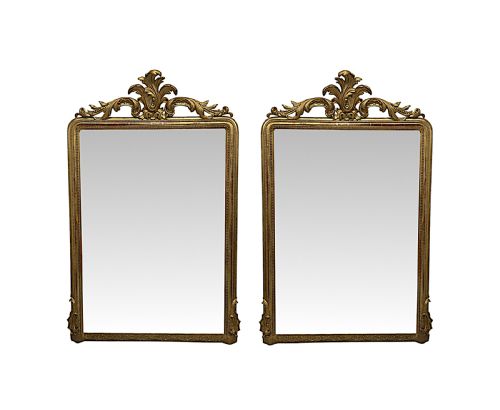
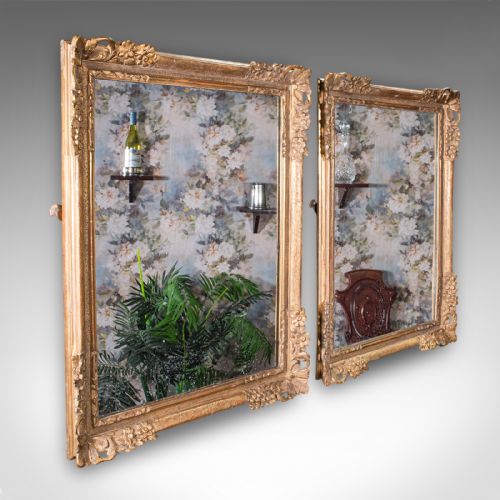
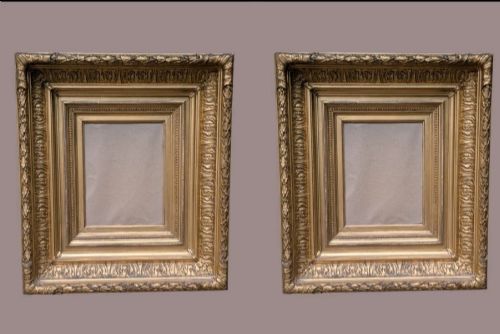
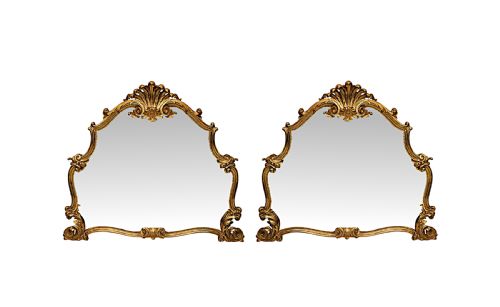

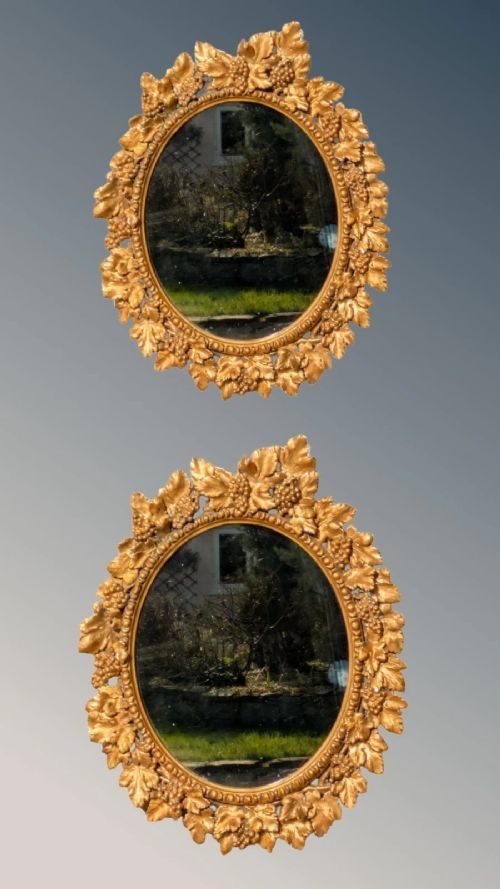
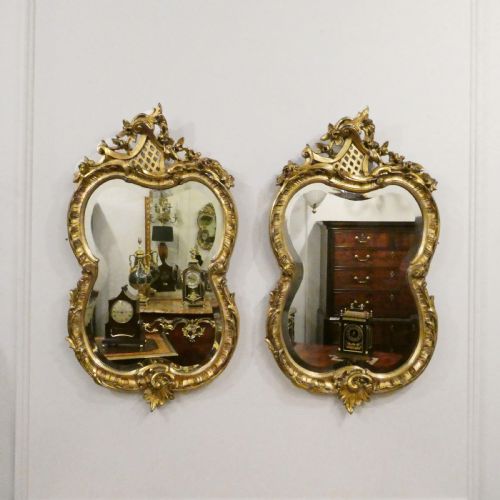


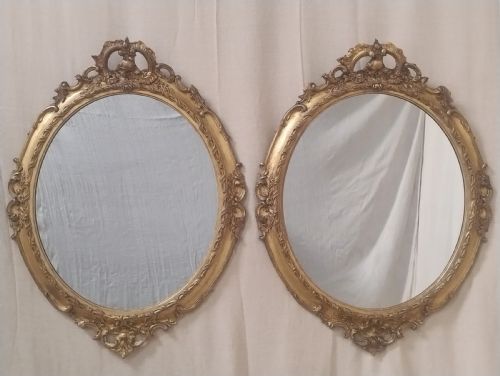
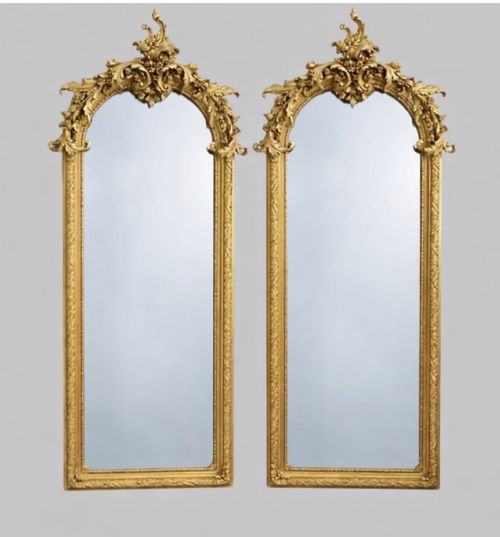
Pair Gold Leaf Mirrors
Pair gold leaf mirrors bring warmth and historic decoration to a room, catching the light across centuries of fine craftsmanship.
Pair Gold Leaf Mirrors
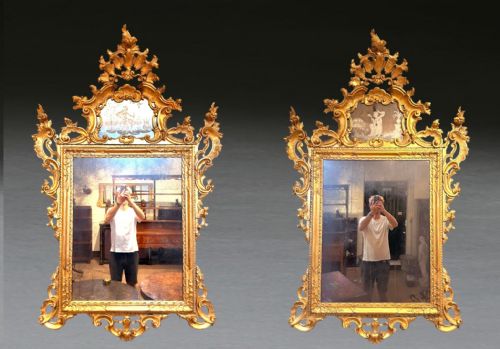
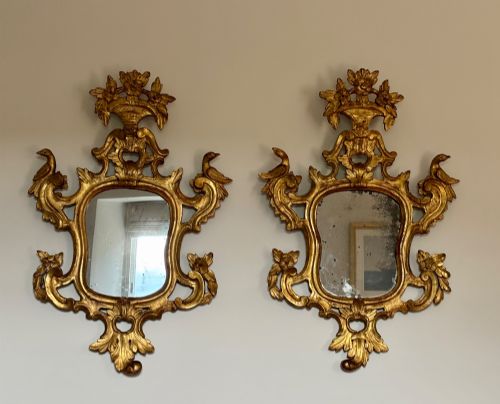
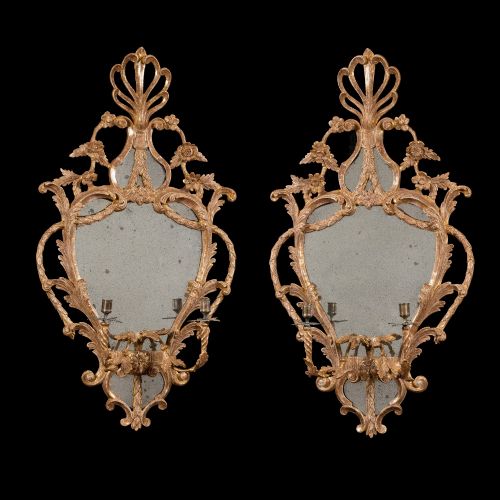
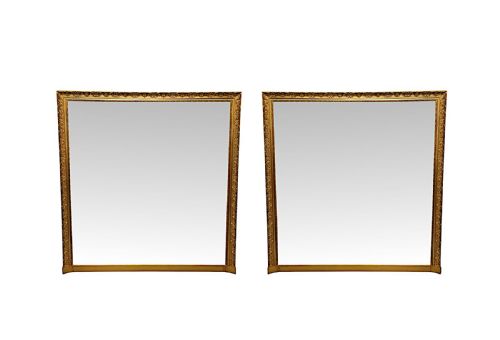
These items comprise matching looking glasses finished with metallic leaf, gesso or gilding, designed to hang together symmetrically on a wall. The selection spans grand overmantel and pier mirrors from the eighteenth and nineteenth centuries alongside smaller oval shapes and decorative wall sconces.
Buyers most frequently encounter nineteenth century pieces and Victorian interpretations, though Georgian, Regency and early twentieth century examples also appear regularly. Forms range from ornate Italian Rococo and French Chateau styles to simpler English and Florentine designs.
Origin points stretch across England, France, Italy and China, reflecting diverse regional tastes in carving and frame construction. Common formats include wall mirrors, picture frames, girandoles and mirrored display shelves.
How they were made
Carpenters and carvers built the foundational structures using timber such as wood, walnut or composition materials. Artisans then applied layers of gesso to smooth the surface before laying fine sheets of gold leaf or giltwood over the intricate carvings.
Glass production involved silvering mirror glass to fit securely within the wooden or gilt metal frames. Many of the older frames rely on hand-carved details like vine leaves and floral motifs rather than moulded ornaments.
Object types range from traditional wall mirrors and overmantels to girandoles, picture frames and mirrored display shelves.
What varies in quality
The crispness of the hand-carved woodwork dictates the primary visual impact, distinguishing deeply carved giltwood from simpler composition or metal substitutes. Authentic period gilding shows a rich, aged patina where the underlying gesso softly reveals itself through the gold leaf.
Proportion and matching symmetry determine the success of a pair, as minor historical alterations can upset the balance between two corresponding frames. Original mirror glass with authentic foxing and ageing carries more character than modern replacements.
The Pair Gold Leaf Mirrors Glossary
- Giltwood
- Wood that has been coated with gold leaf or thin gold paint. This technique gives frames a luminous finish that endures for centuries.
- Gesso
- A plaster mixture applied to wood frames as a smooth base for gilding. It allows carvers to achieve sharp, intricate details before applying gold leaf.
- Girandole
- A decorative wall mirror fitted with candle sconces attached to the frame. The polished glass and gold leaf help reflect and amplify the candlelight.
- Overmantel Mirror
- A wide mirror intended to be positioned directly above a fireplace mantelpiece. These pieces frequently anchor the decorative scheme of a historic room.
Pair Gold Leaf Mirrors: Frequently Asked Questions
Where should I hang a pair?
These matching mirrors look best placed symmetrically on either side of a fireplace, doorway or large piece of furniture. Their balanced presence helps anchor a room and draws the eye along the wall.
Ensure they hang at a comfortable eye level so the reflective glass captures natural light from windows. Placing them opposite a light source maximises brightness in smaller spaces.
How can I tell the period?
Examine the construction methods behind the frame, noting whether the timber shows hand carving or later machine moulding. Styles like Regency, Rococo and Georgian carry distinct aesthetic markers that align with specific centuries.
Inspect the backboards, fixings and the nature of the mirror glass for signs of age. Original mercury glass or early silvering often displays characteristic oxidation spots known as foxing.
Are original glass plates important?
Original glass adds significant historic value and authenticity to antique pieces, often showing charming distortions and foxing. These imperfections prove the glass has witnessed generations of history.
While replacement glass offers a clearer reflection, collectors generally prefer surviving period plates. The subtle waves in older glass create a softer reflection than modern manufacturing allows.