
Pair of Giltwood Mirrors
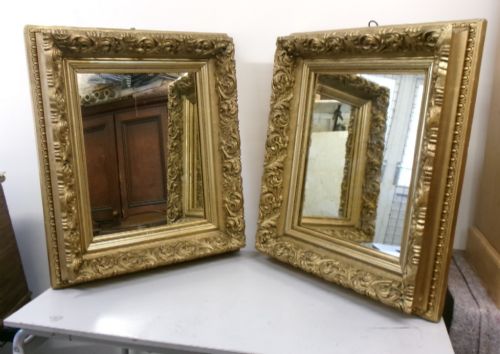
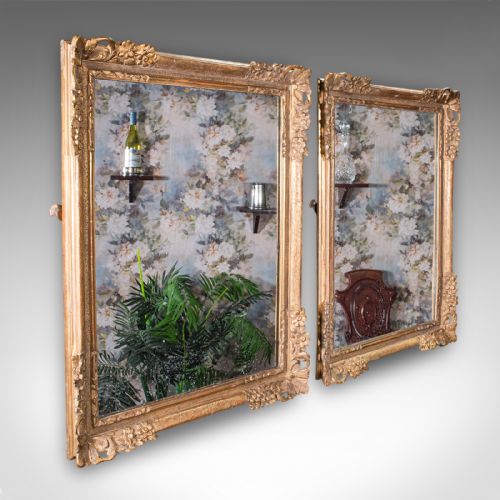
A pair of giltwood mirrors brings balanced reflection and gilt warmth to a room, spanning 18th-century Venetian workshops to Victorian revival salons.
Pair of Giltwood Mirrors
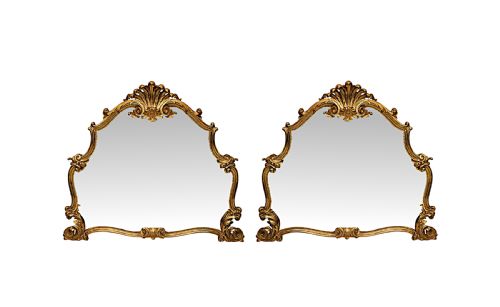
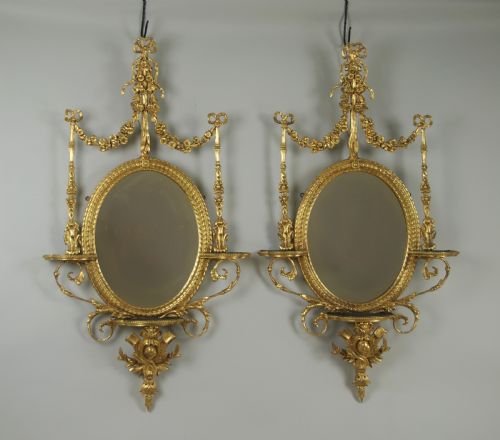
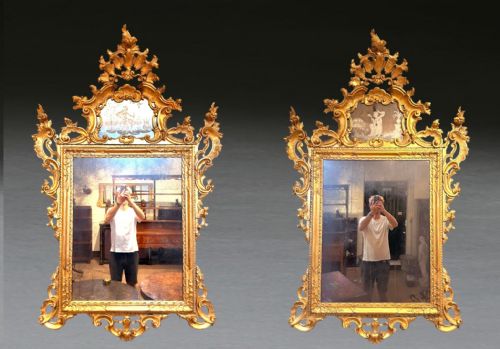
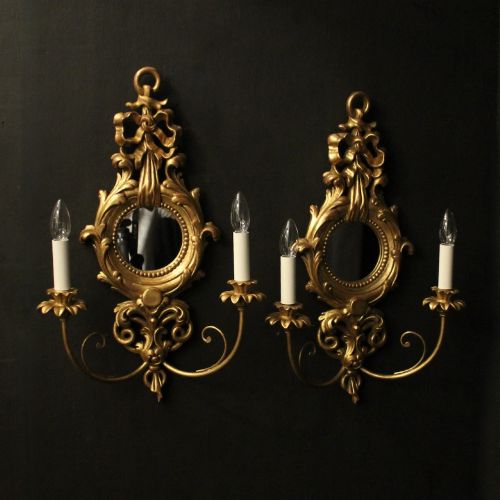
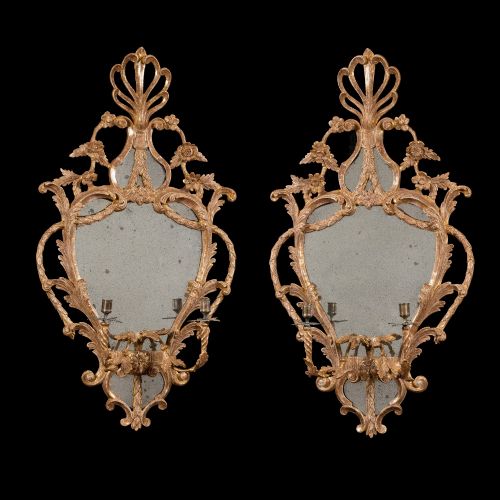
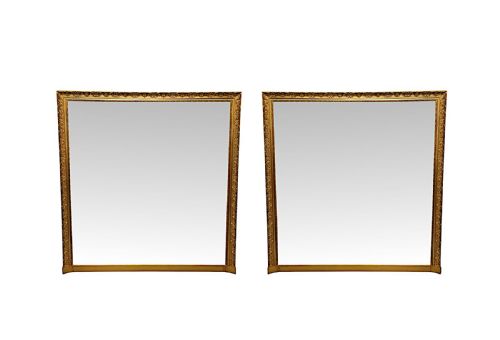
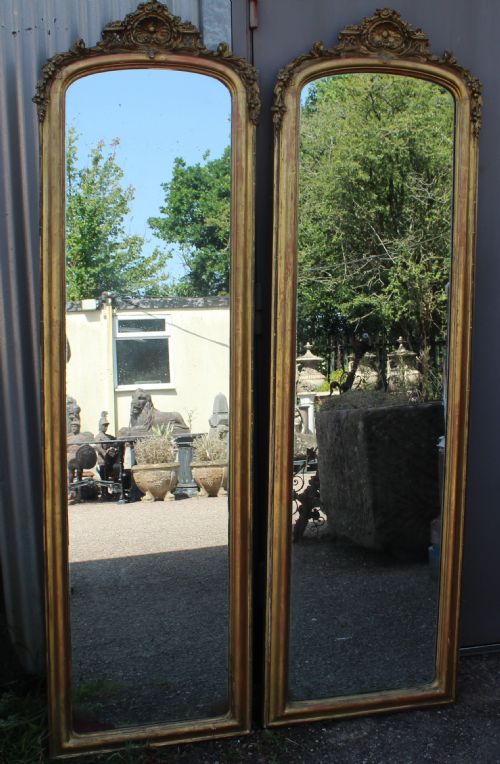
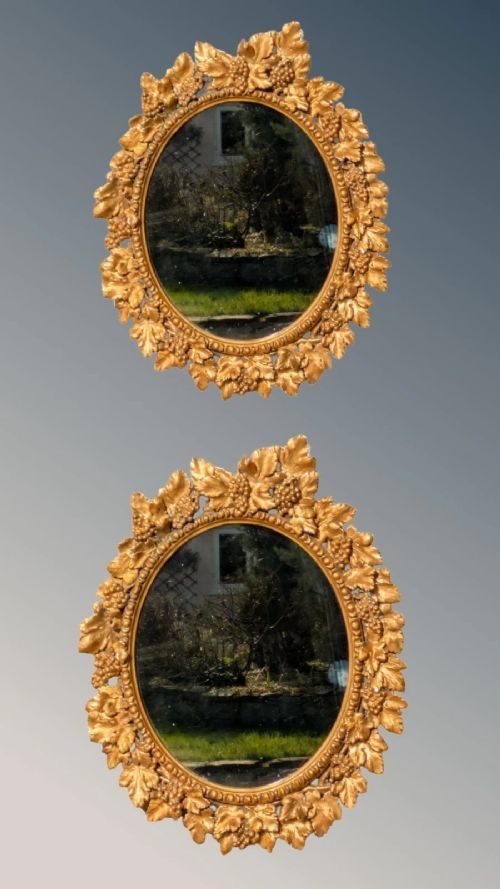
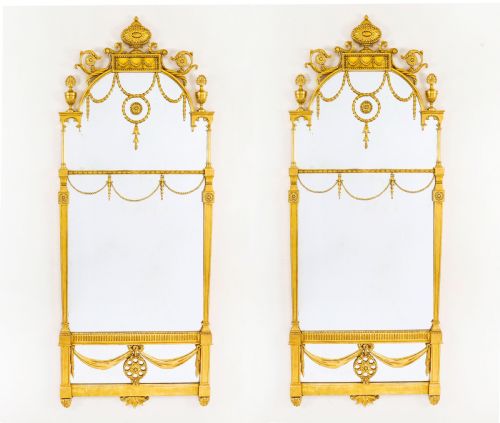
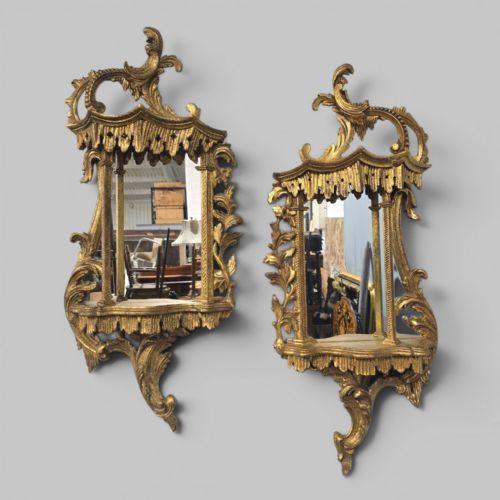
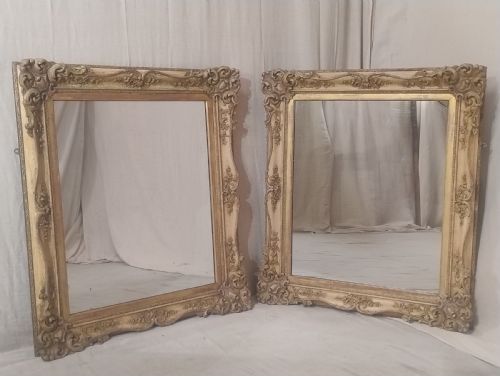
When searching for a pair of giltwood mirrors, buyers encounter matching frames built for symmetry, often hung above mantels, console tables or flanking windows. The pieces on this page draw from 18th-century origins through 19th-century revivals, appearing as overmantels, pier glasses, girandoles and oval wall mirrors.
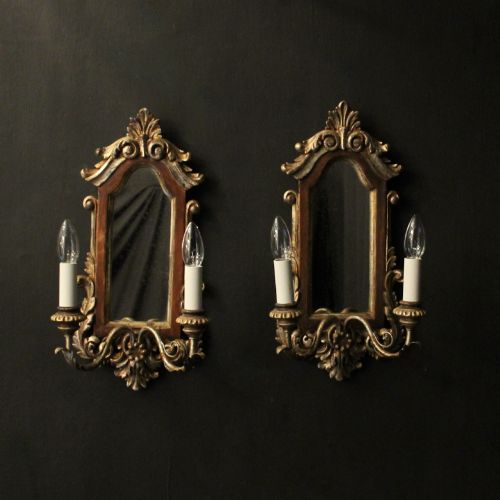
Italian, French and English designs dominate the selection, showing stylistic influences from the Rococo, Regency, Adam and Chippendale manners. Buyers frequently meet Victorian interpretations of earlier Georgian and continental aesthetics, alongside pieces carrying candle arms or display brackets.
How they were made
Carved wooden frames form the core structure, utilising timbers such as pine or walnut beneath the decorative surface layers. Craftsmen applied gesso to smooth the wood and create crisp relief for intricate motifs like vine leaves and cartouche scrolls.
Gold leaf or gilt paint finishes the surface, catching the light across the mirror glass plates. Girandoles incorporate brass or metal candle arms, while composition mouldings appear on later revival pieces to replicate hand-carved depth.
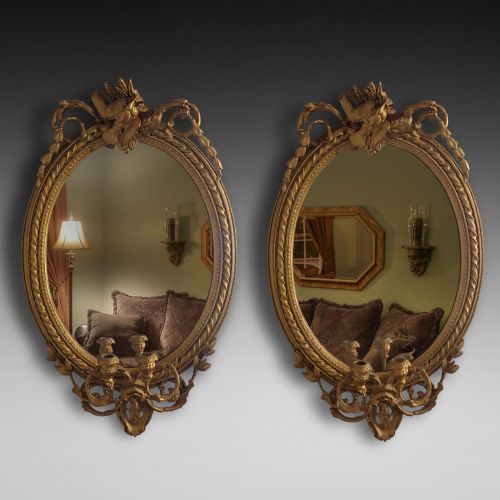
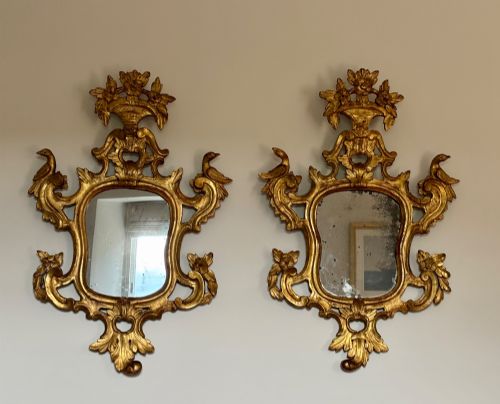
Several mirrors sport carved wooden birds perched atop their crests, watching over the room with motionless wooden dedication.
What varies in quality
Depth and crispness of the carved detail separate masterwork frames from standard commercial production. Hand-tooled gesso and finely beaten gold leaf hold sharper definition than moulded composition alternatives.
Original mirror glass with period silvering or bevelled edges commands greater interest than later replacements. The consistency of the matching pair, from wood shrinkage to the wear of the gilding, dictates the overall harmony of the set.
Strahan of Dublin
The Pair of Giltwood Mirrors Glossary
- Giltwood
- Wood coated with gold leaf or gilt paint. This traditional finish provides the characteristic metallic warmth seen on antique frames.
- Girandole
- A wall mirror featuring attached candle sconces. These fixtures multiplied candlelight within 18th- and 19th-century rooms.
- Pier glass
- A tall mirror designed to hang on the narrow wall space between windows. They frequently sat above console tables or small pier tables.
- Gesso
- A plaster mixture applied to the carved wooden frame. It provided a smooth base for subsequent gilding and modelled ornamentation.
- Cartouche
- An ornamental frame resembling a scroll or folded paper. This motif appears frequently on Italian and French rococo designs.
Pair of Giltwood Mirrors: Frequently Asked Questions
Where should I hang these mirrors?
Symmetric pairs suit placement flanking a fireplace, above a matching pair of console tables, or on opposite sides of a principal window to bounce natural light across the interior.
Ensure wall fixings bear the weight of the timber and glass frames securely, particularly for larger overmantel or pier glass examples.
How do I clean giltwood frames?
Dust the carved surfaces gently with a soft, dry brush to prevent disturbing the fragile gold leaf or gesso layers.
Avoid liquid cleaners, chemical sprays and abrasive cloths entirely, as moisture strips historical gilding from the wood base.
How do I tell Regency from Victorian pieces?
Regency frames lean toward classical restraint, drawing on Neoclassical and architectural motifs with clean lines and disciplined proportions. Victorian interpretations of the same era often feature heavier relief, exuberant Rococo Revival curves and denser composition ornamentation.
Examining the underlying timber construction and the oxidation of the mirror plates helps confirm the active period of manufacture.
What is a girandole mirror?
A girandole integrates candle arms directly into the mirror frame design. The polished glass and reflective gilt surface amplified the flickering candlelight of pre-electric rooms.
Many examples feature convex glass plates that offered a wide-angle view of the surrounding interior space.