


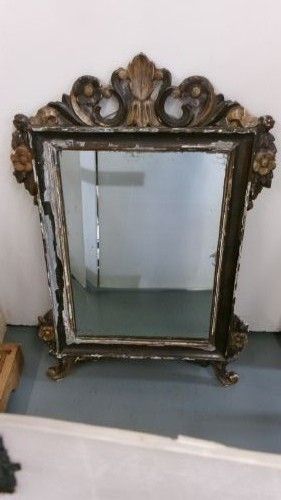
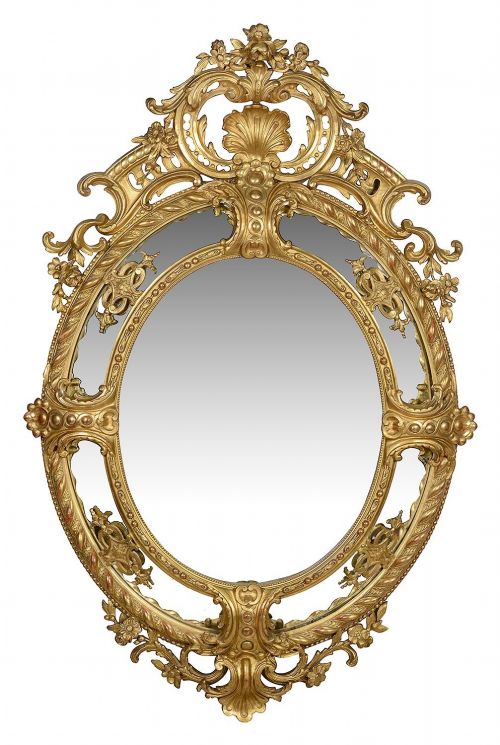
Rococo Gilt Hanging Mirror
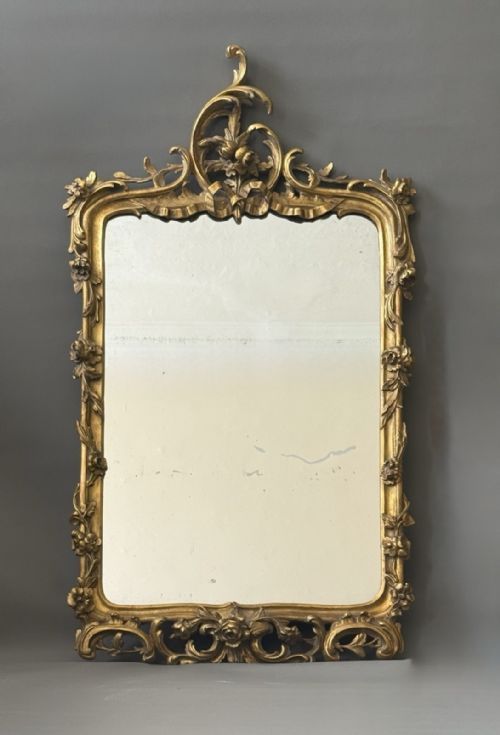
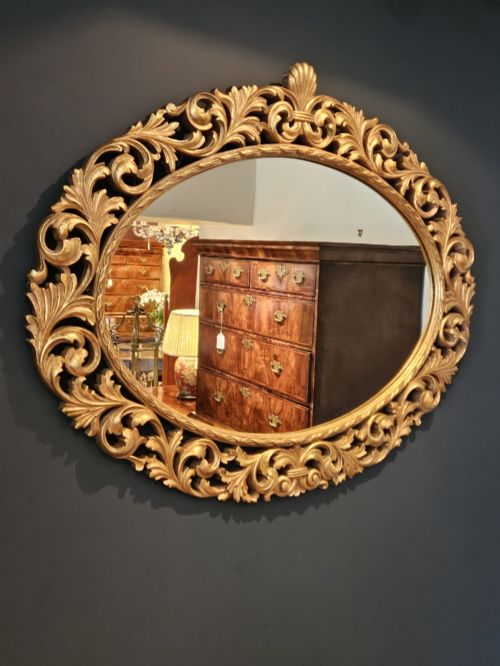
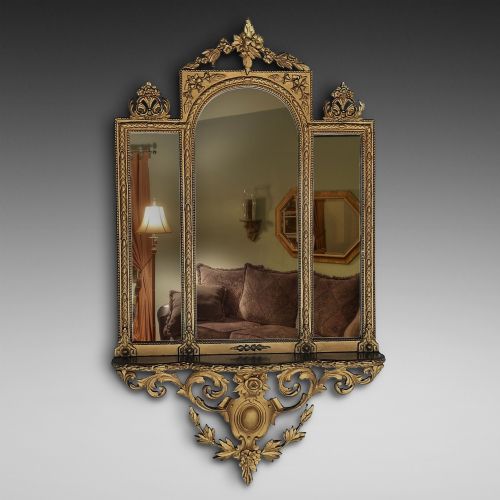
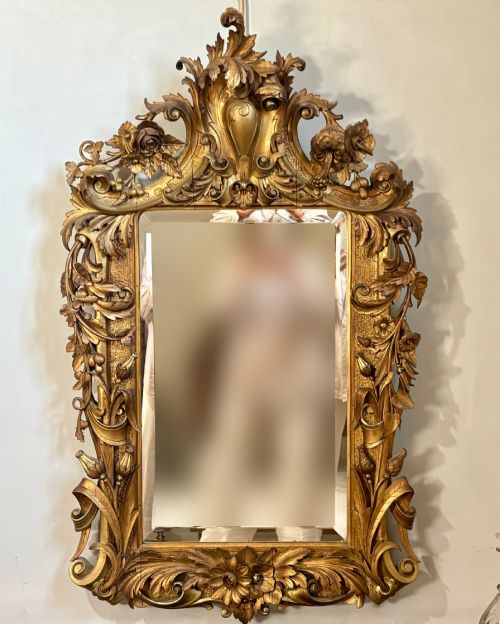
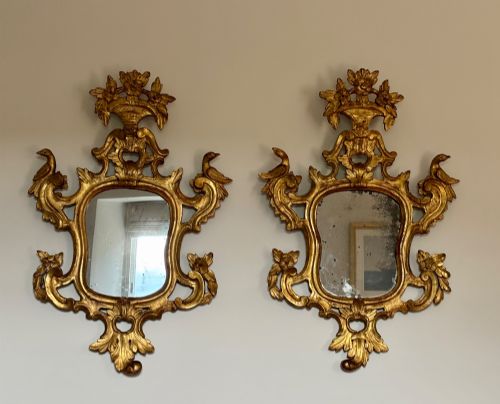
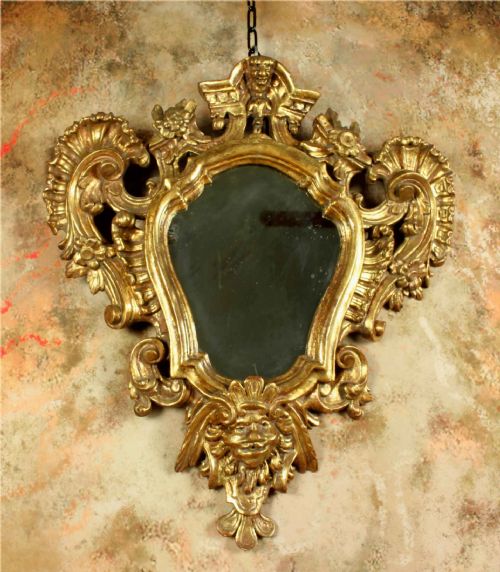
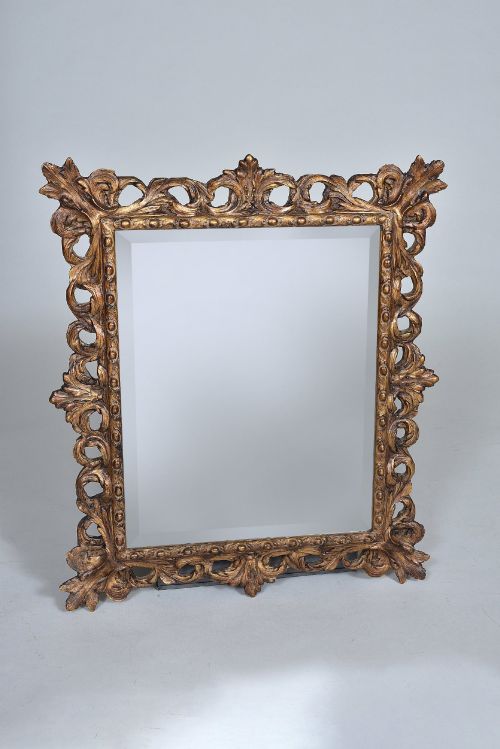
A rococo gilt hanging mirror brings fluid asymmetrical movement and brilliant gold reflection into a room, drawing the eye instantly through scrolls and leafwork.
Rococo Gilt Hanging Mirror
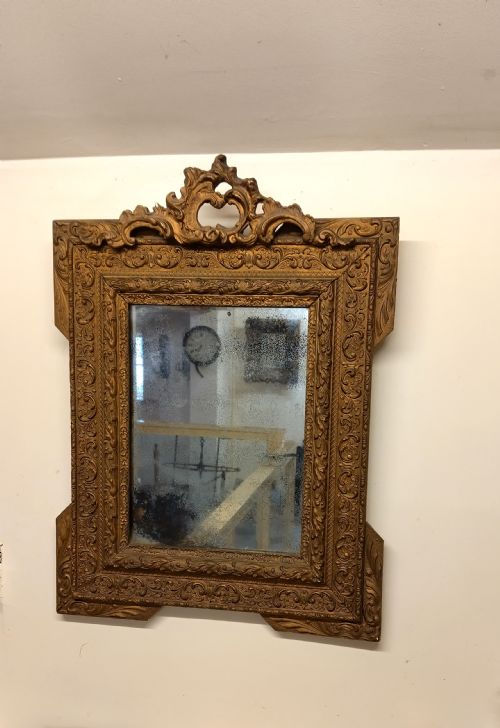
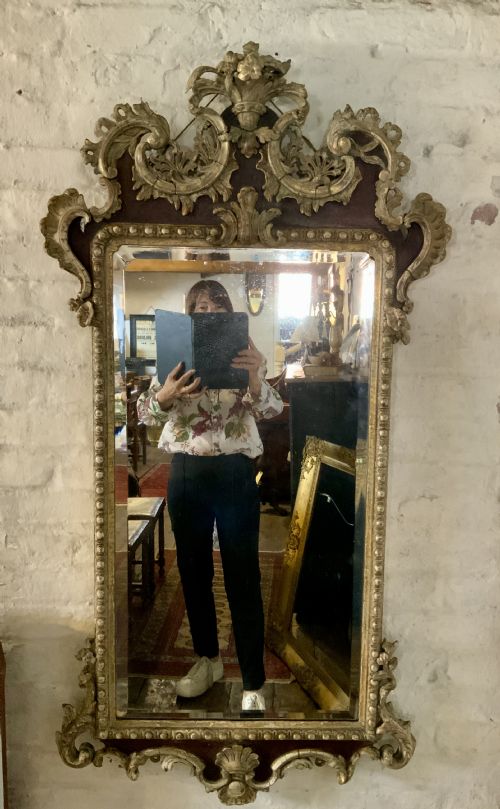
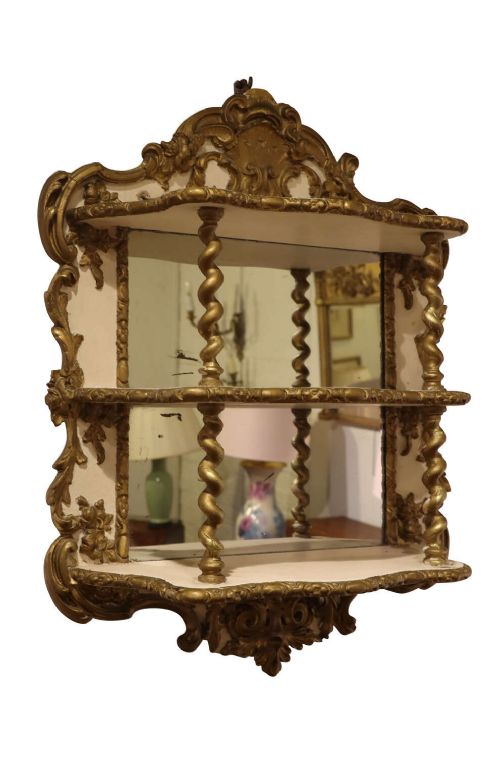
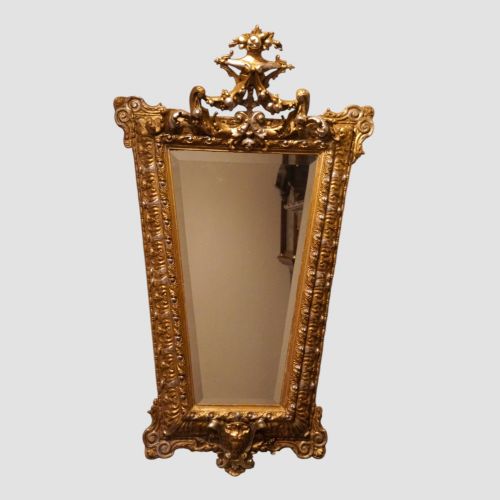
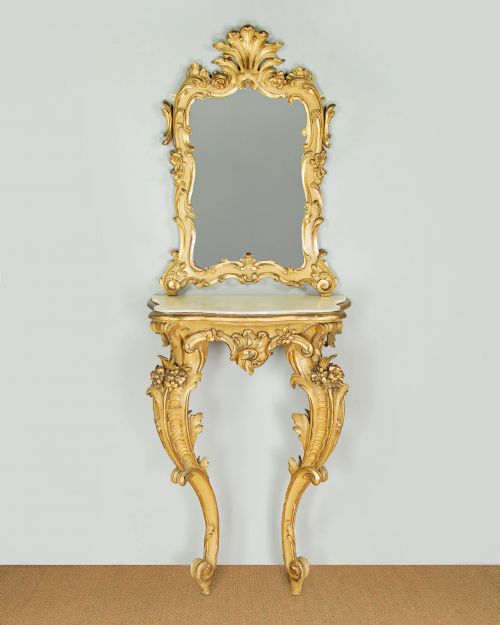
A rococo gilt hanging mirror takes many sculptural shapes, from grand rectangular wall pieces to smaller oval frames and occasional wall étagères or console pairings. These objects span several centuries, appearing in genuine 18th-century Georgian and French iterations alongside later 19th-century Victorian revivals and early 20th-century adaptations.
The aesthetic relies on characteristic asymmetric C-scrolls, floral motifs, and organic shell forms typical of the Rococo style and its later revivals. Buyers encounter Italian Florentine and Venetian examples alongside French Louis XV interpretations and British Chippendale designs.
Materials and construction
Makers typically built the structural framework from carved wood, timber, or oak, applying layers of gesso to create a smooth surface for gilding. Gold leaf or silver-gilt was then meticulously laid over the gesso or composition details to achieve a brilliant reflective finish.
Many pieces incorporate original antique glass plates, sometimes featuring engraved details or foxed patination that reveals their age. Metal elements such as brass or bronze also appear in certain frames, while walnut and parcel gilt combinations provide alternative tonal depth.
Listings span from the 17th century through the Georgian and Victorian eras up to the 1920s, utilising wood, gesso, glass, and gold leaf.
Craftsmanship and preservation
The depth and crispness of the carving dictate much of the visual success, separating pieces with sharp, undercut foliage from softer, moulded composition frames. Hand-carved giltwood demonstrates superior artistry compared to mass-produced composite alternatives.
The integrity of the original gilding and the character of the mirror plate also determine standard. Surviving antique glass with authentic silvering holds greater historical interest than later replacement mirror plates.
The Rococo Gilt Hanging Mirror Glossary
- Giltwood
- Wood that has been coated with gold leaf or metal leaf. This traditional finish provides the characteristic metallic brilliance seen on period frames.
- Gesso
- A plaster-like mixture applied to wood frames to create a smooth base for carving and gilding. It allows artisans to shape intricate relief ornamentation.
- Rococo
- An ornate artistic style originating in 18th-century France characterised by asymmetry, scrollwork, and naturalistic plant motifs. It forms the primary design vocabulary for these mirrors.
- Parcel gilt
- Woodwork that is partially gilded while other areas reveal the natural wood grain. This technique highlights specific decorative elements against a contrasting background.
- Étagère
- A piece of furniture with open shelves, sometimes combined with a mirror. These items provide display space alongside reflective surfaces.
Rococo Gilt Hanging Mirror: Frequently Asked Questions
How do I hang a heavy antique mirror?
Heavy carved timber and gesso frames require secure wall fixings distributed evenly across the primary wooden structure rather than relying solely on old hanging loops.
Consult a professional installer to locate proper wall studs or use heavy-duty masonry anchors suited to the weight of the piece.
Are these mirrors French or Italian?
Origins vary widely across the selection, with pieces originating from French workshops, Italian centres like Venice and Florence, and British makers influenced by Chippendale.
Stylistic cues such as the sharpness of the gesso work, regional wood types, and specific scroll motifs help identify the likely place of manufacture.
What does antique plate mean?
An antique plate refers to the original mirror glass housed within the frame, often identifiable by slight surface imperfections, bubbles, and soft oxidation.
These older plates differ noticeably from modern, flawless float glass by offering a warmer, less uniform reflection.
Can I place these in a bathroom?
High humidity and fluctuating temperatures in bathrooms cause moisture to penetrate old gesso and damage historic wooden frames and silvered glass.
Keep these mirrors in stable, dry living areas, hallways, or dining rooms to preserve the integrity of the antique materials.