

French Provincial Seat
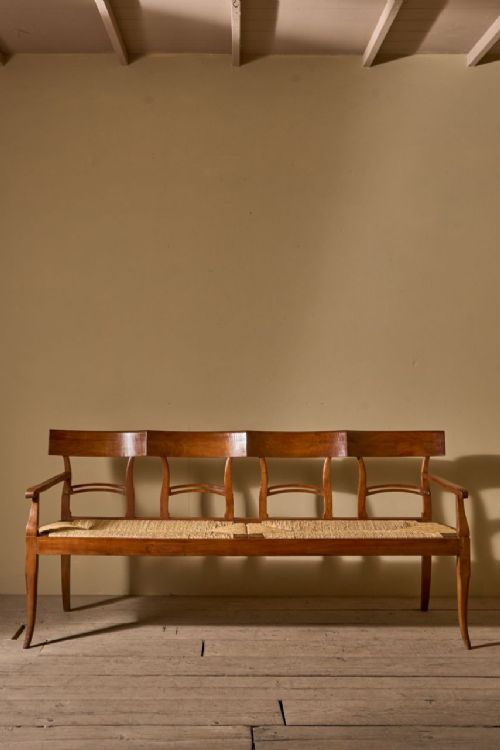
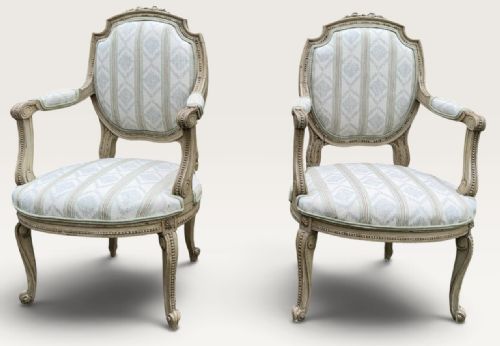
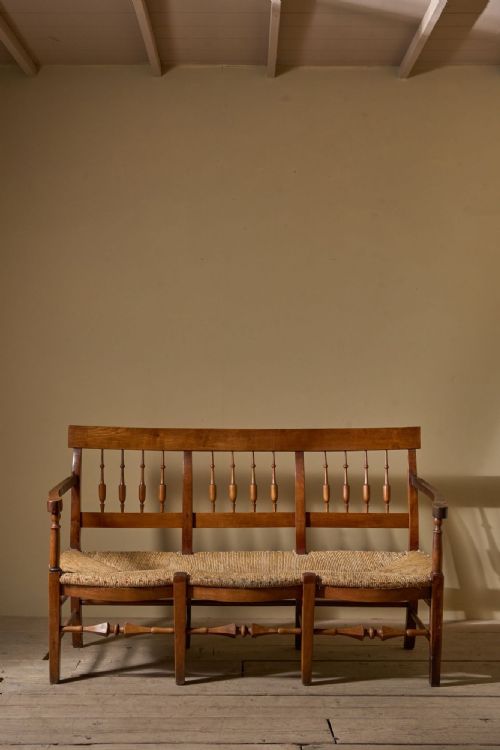
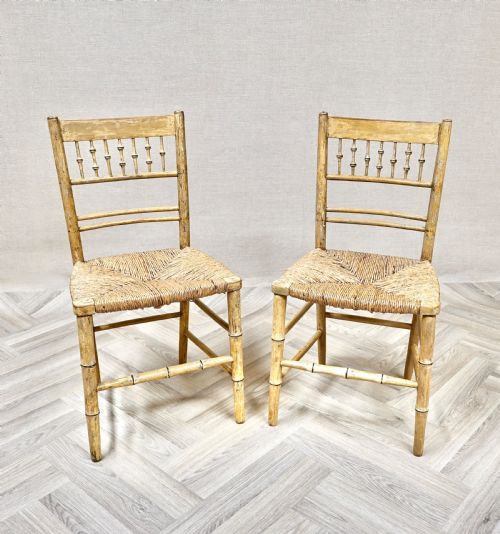
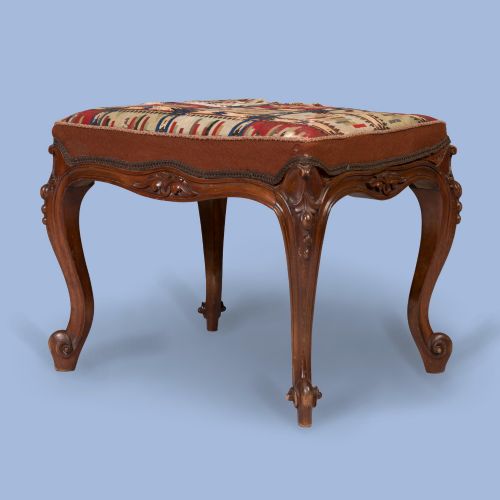
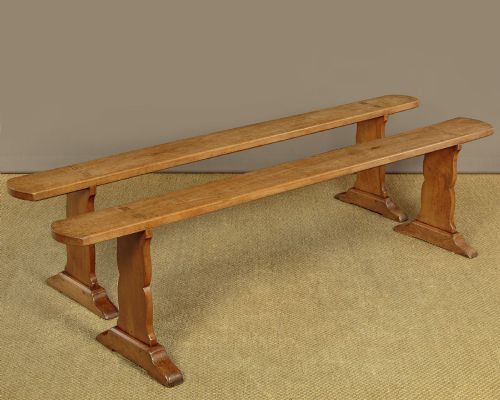
French provincial seat examples range from rush-seated oak benches to carved walnut armchairs, offering rustic elegance for country interiors.
French Provincial Seat
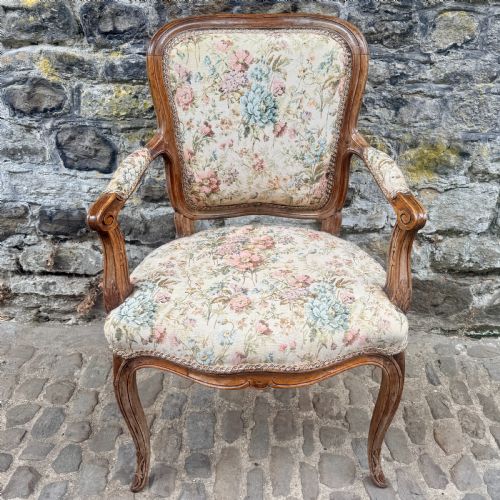
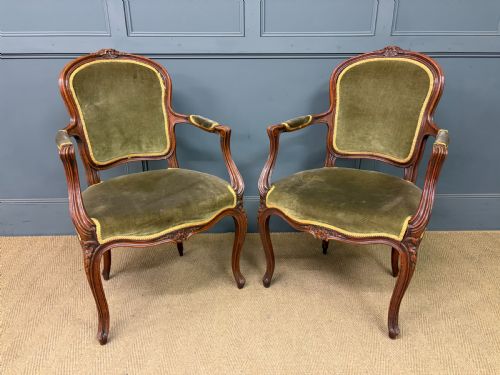
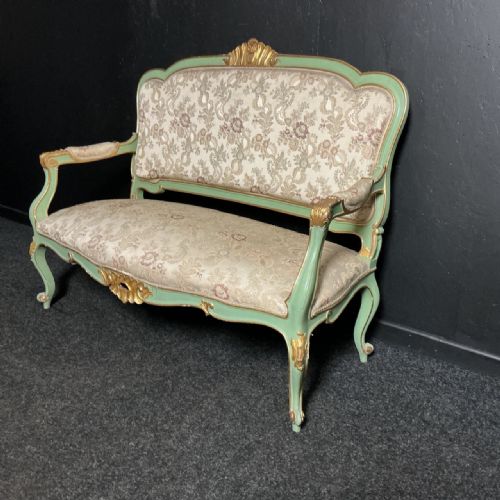
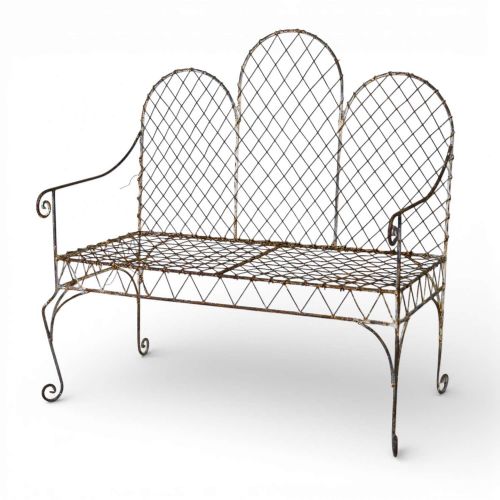
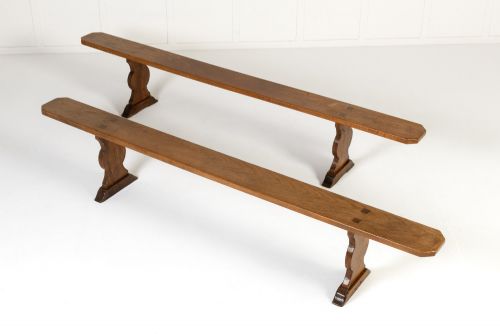
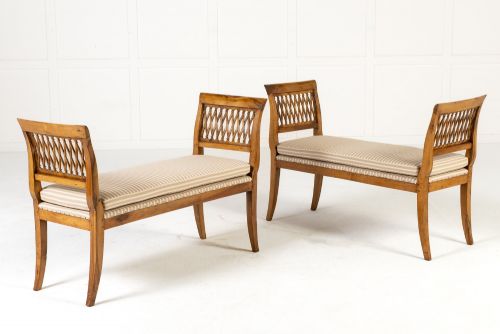
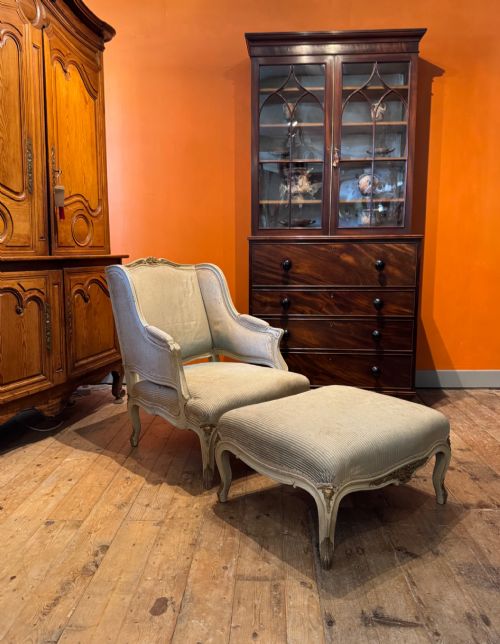
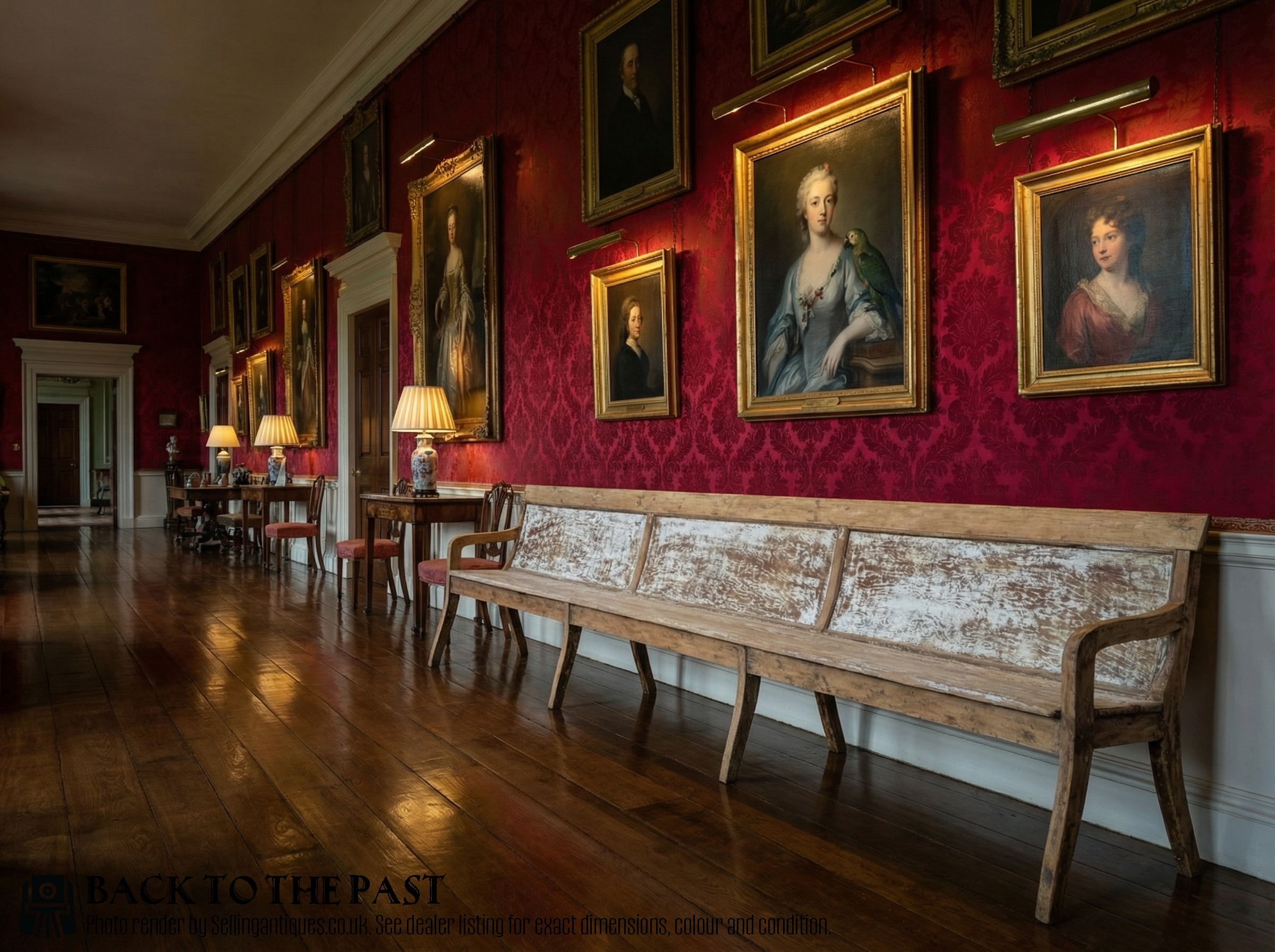
A french provincial seat covers a diverse array of seating forms originating from regional France, including armchairs, dining chairs, settees, window seats, and benches. Buyers encounter numerous examples dating across the eighteenth, nineteenth, and early twentieth centuries, reflecting both rural traditions and urban revivals.
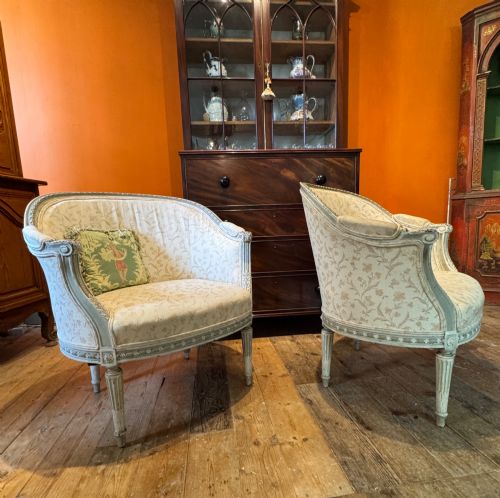
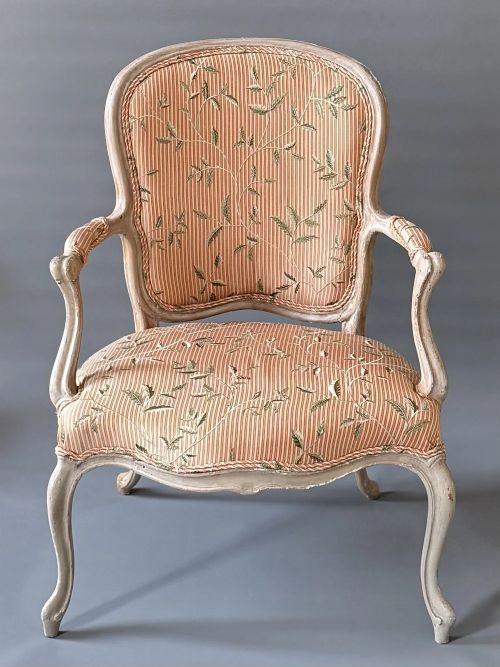
The selection encompasses specific regional types like rush-seated hall benches, painted armchairs, and fruitwood dining chairs. Simpler country iterations share space with pieces showing Louis XV or Louis XVI design influences, providing varied options for domestic spaces.
How they were made
Cabinetmakers utilised indigenous timbers such as oak, walnut, cherrywood, beech, and fruitwood to construct frames, frequently employing carved decoration or retaining original paint surfaces. Joinery techniques varied from scratch-built country pine construction to refined dovetail and mortise-and-tenon joints on formal revival models.
Seating surfaces incorporate traditional materials including woven rush, cane, and squab cushions upholstered in fabric, silk, or needlework textiles. Original upholstery and painted finishes survive on select pieces, demonstrating period craftsmanship and patination.
Scratch-built country pine reveals where a rural maker improvised without a pattern book.
What varies in quality
Quality rests upon the crispness of hand carving in the wood framework and the integrity of regional construction methods. Pieces retaining untouched original paint or authentic patinated fruitwood surfaces command greater attention than later refinished iterations.
The balance of proportions and the integration of secondary materials like rush or cane define the standard of execution. Sound structural joinery combined with period upholstery textiles distinguishes superior provincial examples from utilitarian workshop output.
The French Provincial Seat Glossary
- Fauteuil
- An open-arm armchair with upholstered back and seat, typically featuring exposed wooden framework.
- Bergère
- An enclosed armchair with upholstered back and sides, often featuring a loose seat cushion.
- Duchesse brisée
- A multi-part day bed or chaise longue combination designed for reclining.
- Rush
- A pliable marsh plant material woven to create traditional resilient seating bases.
- Caning
- Openwork wicker seating constructed from split rattan threaded through frame holes.
French Provincial Seat: Frequently Asked Questions
How do I identify a provincial piece?
Provincial seating exhibits simpler, sturdier regional interpretations of court styles, executed in local timbers like fruitwood, cherry, and oak.
Decoration relies on modest hand-carved motifs rather than elaborate gilt ornamentation associated with Parisian workshops.
Are original painted finishes common?
Surviving original paint surfaces appear on select nineteenth and early twentieth-century examples, showing gentle wear and layered patination over time.
Many pieces underwent later stripping or repainting during subsequent decorative revivals.
Where were window seats placed?
Window seats and low benches functioned in bedrooms at the end of beds or beneath large casement windows in country houses.
Their compact dimensions allowed versatile placement in hallways and reception rooms.
How do rush seats survive?
Natural rush withstands daily domestic use when kept in stable indoor environments away from excessive moisture.
Period woven panels occasionally require conservation by traditional craftspeople using matching marsh grasses.