

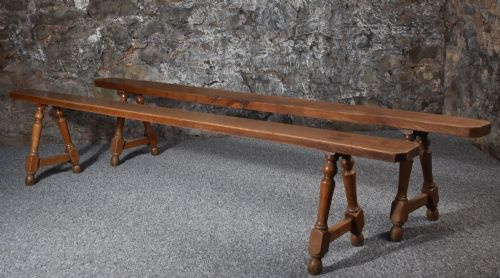
French Rustic Bench
A French rustic bench brings genuine provincial character to a room, offering honest construction and centuries of practical utility.
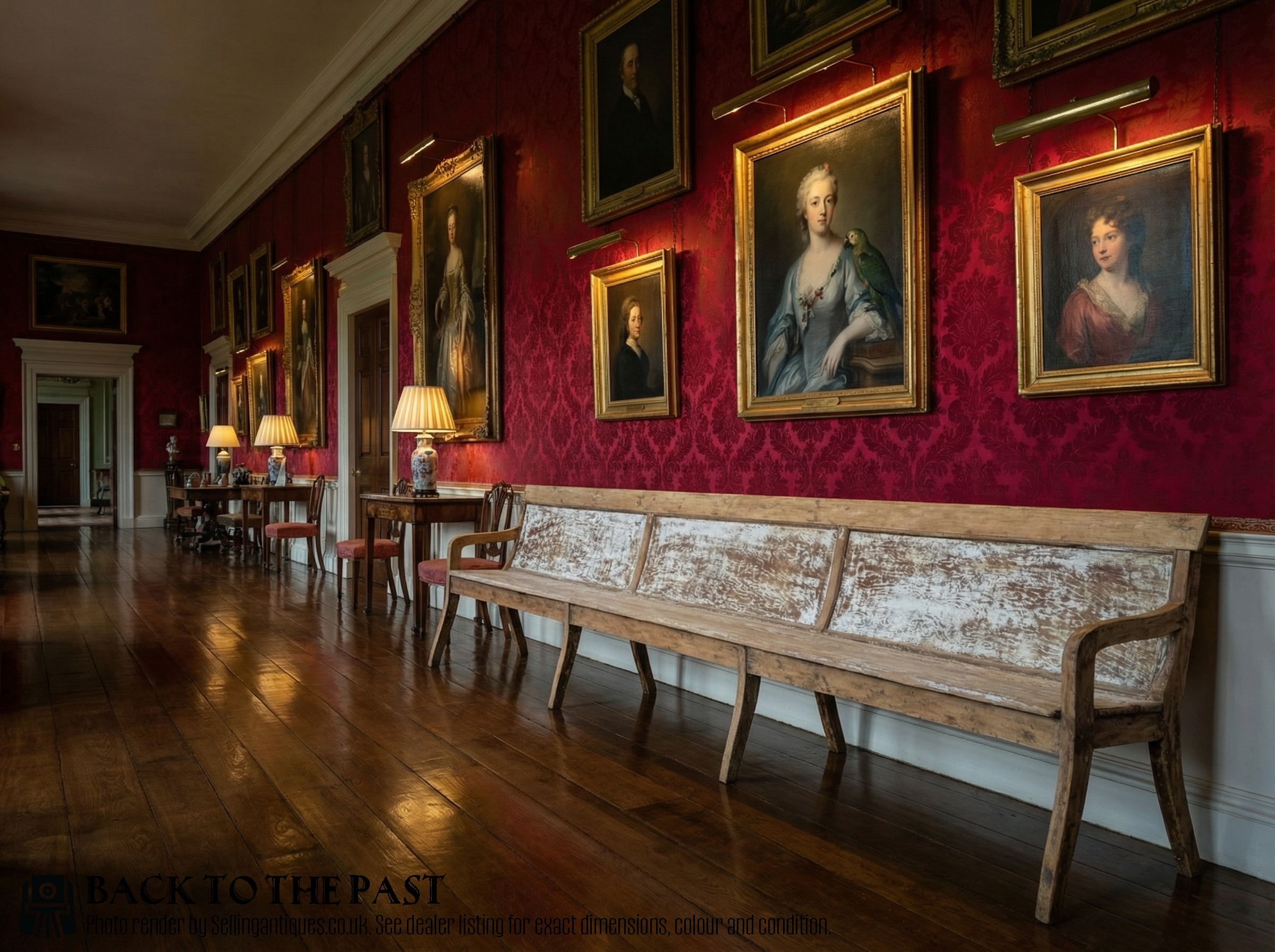
French Rustic Bench
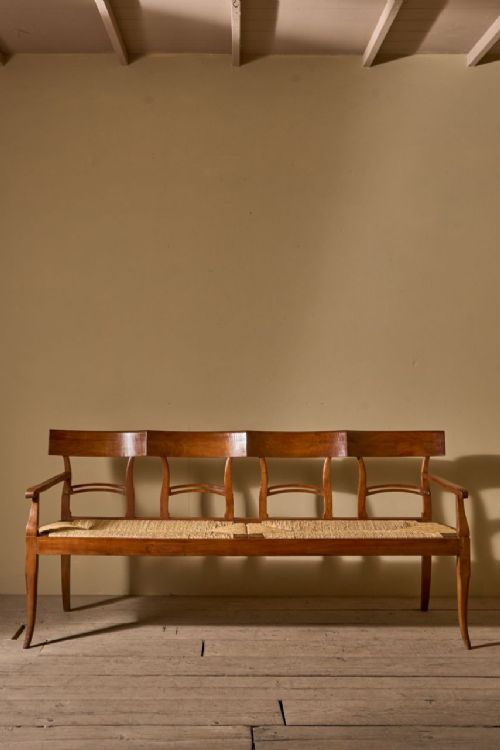
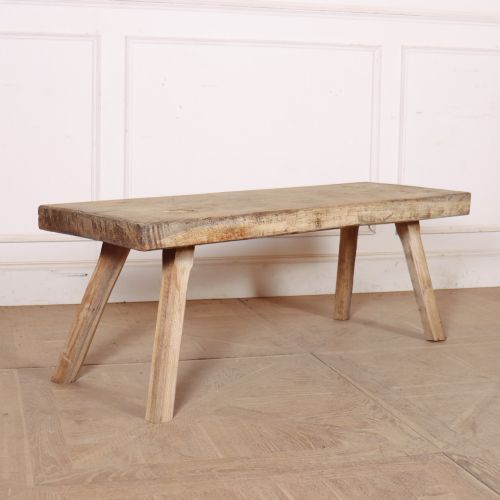
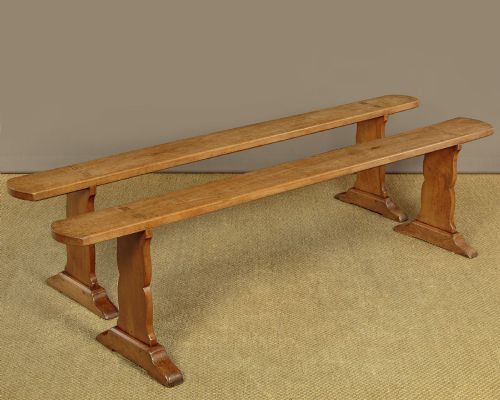
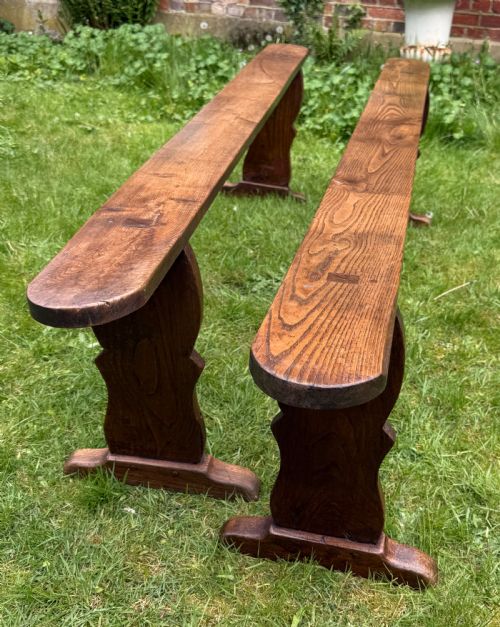
A French rustic bench represents the utilitarian seating of rural households, workshops and gardens across France. These pieces range from simple pine kitchen seating to substantial elm and cherrywood forms shaped by daily domestic use.
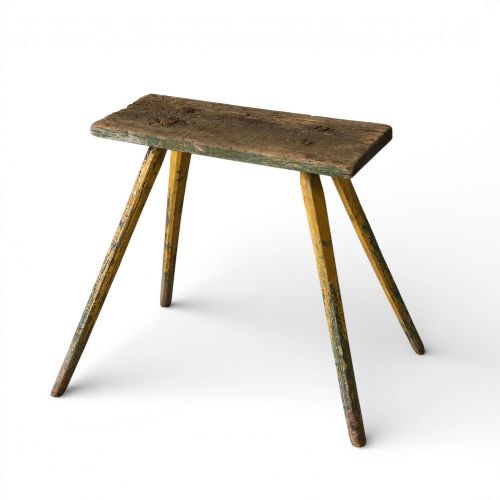
Buyers seeking a French rustic bench most frequently encounter nineteenth-century examples in oak, pine and cherrywood. Many of these pieces retain original scrubbed finishes, traces of paint or the honest wear of agricultural and domestic life.
Materials and Construction
Local timbers such as oak, elm, cherrywood, and pine form the structural backbone of these pieces, selected for strength and availability. Carpenters utilised straightforward joinery methods, relying on pegged joints and solid planks to withstand heavy daily demands.
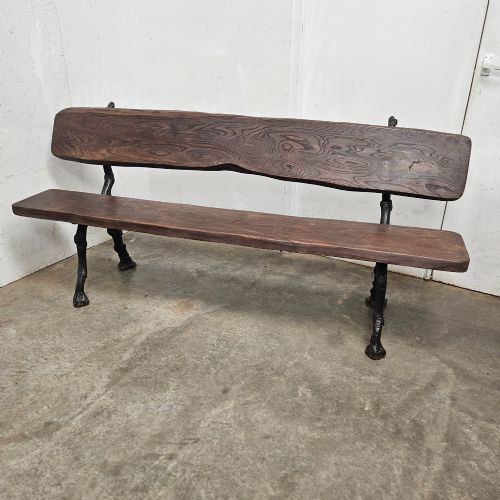
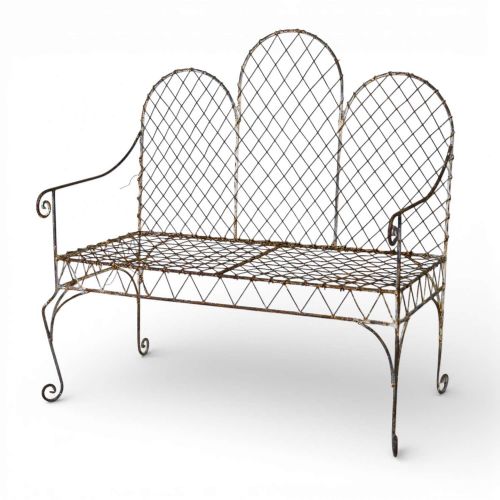
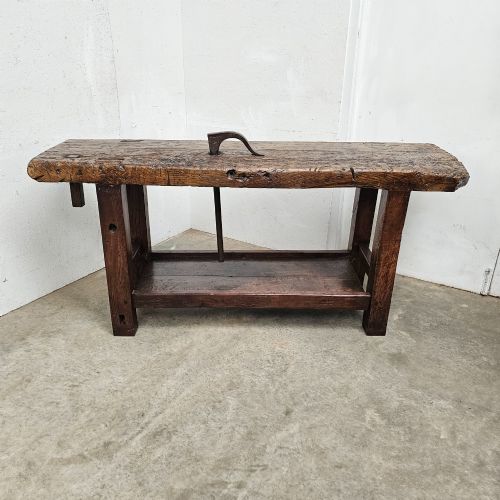
Metal components appear where function requires additional reinforcement, utilising wrought iron brackets, vices and strapwork. Surfaces often display the marks of hand tools, adzes and saws rather than factory smoothing.
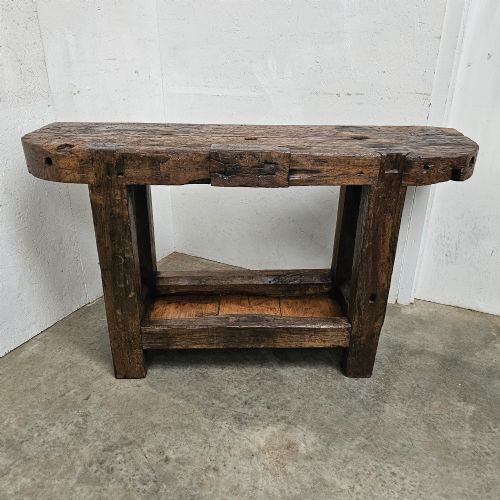
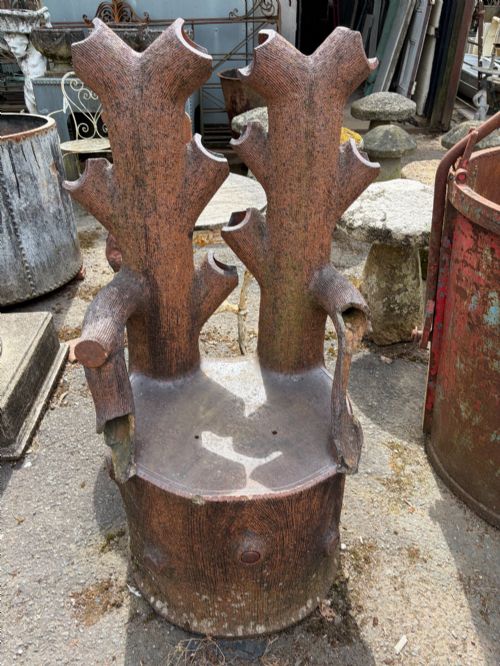
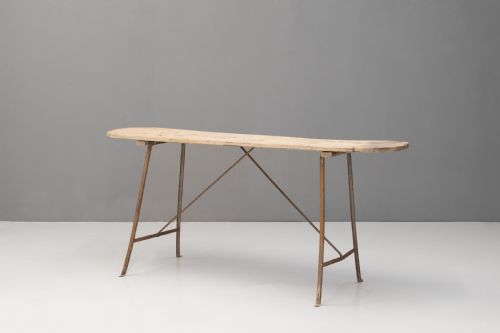
Recorded forms extend beyond seating to include workbenches, bread prep tables and faux bois garden furniture.
Factors Determining Quality
The integrity of the timber and the honesty of the surface patina dictate the standing of an individual piece. Retained original surfaces, such as old paint or scrubbed timber left by generations of scrubbing, carry greater integrity than heavily restored or stripped timber.
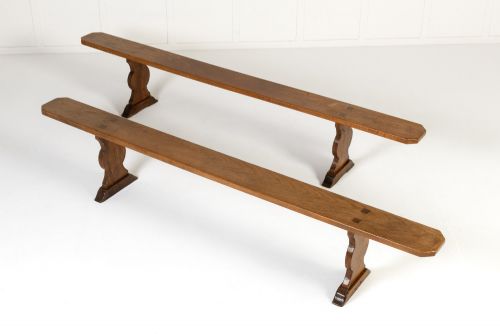
Structural proportion and the balance of the legs relative to the seat plank separate standard utilitarian items from finer country carpenter work. Substantial thickness in the seat boards and minimal structural alteration preserve the historical value of the piece.
Trussant and Cie
The French Rustic Bench Glossary
- Patina
- The surface sheen and colour developed through years of handling, waxing and cleaning. It serves as a visual record of age and use.
- Faux Bois
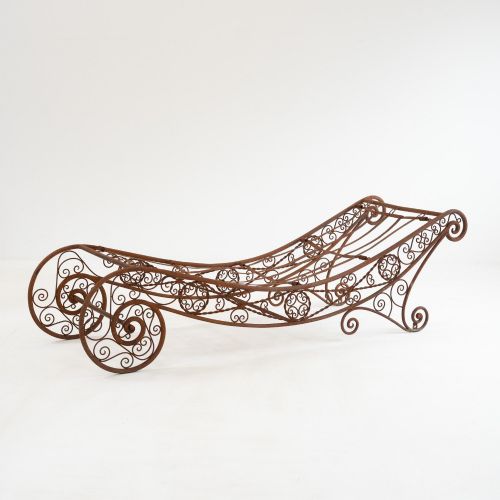
- An artistic imitation of wood grain executed in concrete or metal. This technique appears frequently on nineteenth-century garden seats and benches designed to mimic natural timber.
- Trestle
- A structural support consisting of a horizontal beam fixed to two splayed legs. This framework supports many provincial tables and long benches.
- Settle
- A wooden bench with a high solid back, solid arms and often a box seat. These pieces provided shelter from draughts in traditional farmhouses.
- Bobbin turned
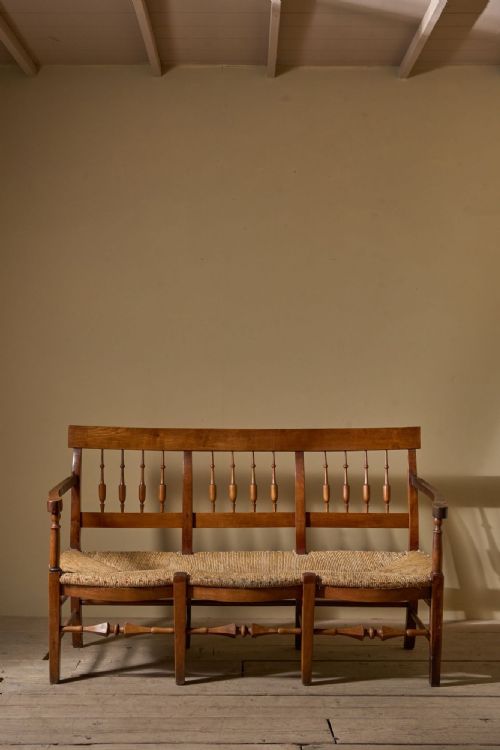
- A style of furniture turning that creates a series of rounded spheres resembling spools or bobbins along the length of a leg or stretcher.
French Rustic Bench: Frequently Asked Questions
Where were these benches originally used?
These benches served working functions in French farmhouses, provincial kitchens, workshops and gardens. They provided practical seating around heavy dining tables or served as resting places in potting sheds and orchards.
Over time, many transitioned from purely utilitarian environments into domestic living spaces, hallways and boot rooms where their robust construction remained useful.
How do I care for a rustic wooden bench?
Maintenance requires minimal intervention to preserve the historic surface and patina. Regular dusting with a dry cloth and occasional application of clear beeswax keeps dry timber nourished without creating an artificial gloss.
Keep wooden benches away from direct heat sources and rapid temperature fluctuations to prevent the old timber from splitting or warping.
How can I tell the age of a French bench?
Age is determined by tool marks, timber shrinkage, construction methods and the depth of the surface patina. Hand-sawn boards, pegged joints and subtle wear patterns around the footrests point towards nineteenth-century or earlier provincial craftsmanship.
Examine the underside and joints for consistency in manufacture, as machine-cut screws or modern adhesives usually indicate later repairs or reproductions.
Can these benches be used outdoors?
Indoor timber benches constructed from pine, cherrywood or oak lack weather-resistant treatments and deteriorate rapidly if exposed to rain and damp conditions. Wrought iron and designated garden benches built with protective finishes suit outdoor placement better.
If placing an antique wooden bench in a conservatory or sheltered porch, ensure it rests on dry flooring away from direct sunlight.