



Dark Elm Bench
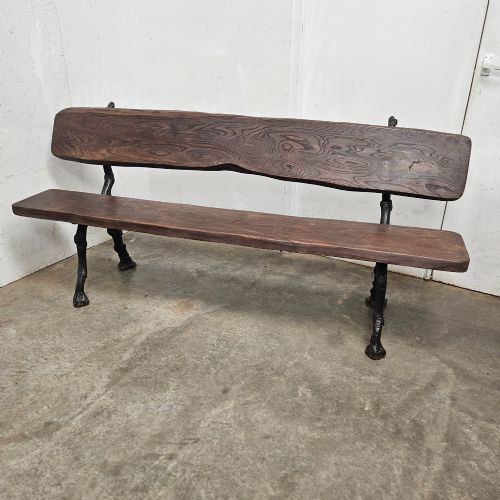
A dark elm bench brings raw timber character and centuries of utilitarian design straight into a modern interior.
Dark Elm Bench
A dark elm bench represents a sturdy tradition of practical seating and utility furniture spanning the seventeenth century through to the Edwardian period. When searching for a dark elm bench, buyers encounter a robust mix of country house furniture, provincial seating, and workshop pieces designed for hard daily use.
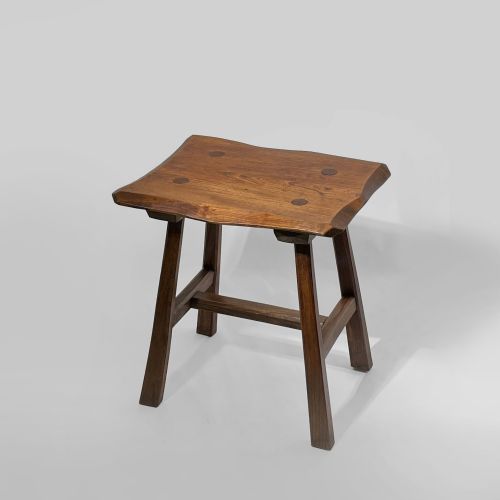
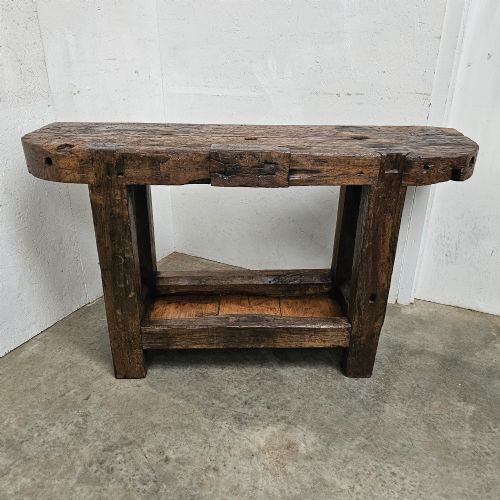
The selections on this page range from early box settles with integrated storage and tavern tables to French provincial benches and low tables. Many pieces combine a deep-grained timber top with supporting elements in contrasting materials such as oak, ash, iron, or cast iron.
Geographic origins vary significantly across the inventory, taking in regional British workshops, French country homesteads, and Chinese Qing dynasty pieces carved from dense hardwood. Forms shift fluidly between settles, window seats, workbenches, and low coffee tables while retaining that central focus on dark, figured timber.
Construction and materials
Makers relied on solid elm for its dense, interlocking grain and resistance to splitting, often pairing thick plank tops with sturdy frames of oak, ash, or other regional hardwoods. Iron and cast iron components appear in structural braces, garden frames, and hardware fittings to add industrial rigidity to domestic seating.
Joinery methods prioritized absolute utility, utilising pegged mortise and tenon joints, dovetails for box settles, and heavy trestle supports to bear substantial weight. Surfaces developed deep patination over generations of handling, sometimes enhanced by traditional lacquering or wax finishes that accentuate the dark figure of the timber.
The material palette recorded here extends beyond pure timber to incorporate cast iron, wrought iron, and traditional Asian hardwoods.
Assessing quality and character
Quality rests in the integrity of the original timber and the depth of the natural patina accumulated across centuries of use. Superior examples display undisturbed surface wear, original board widths on plank tops, and minimal timber replacement.
Proportion and structural honesty separate everyday utility pieces from finer vernacular items. Well-balanced proportions, intact original hardware, and tight regional joinery indicate superior craftsmanship within the rustic tradition.
The Dark Elm Bench Glossary
- Elm
- A resilient hardwood prized for its interlocking grain and rich dark tone. It resists splitting under heavy stress, making it the preferred choice for historic workbenches and tavern seating.
- Settle
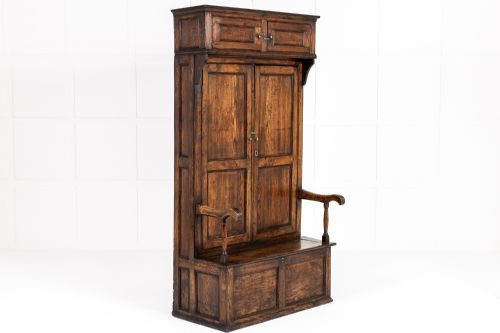
- A high-backed wooden bench designed to block draughts in older homes. Many examples include a hinged seat lifting to reveal storage space below.
- Vernacular
- Everyday furniture built by local craftsmen for practical use rather than following high-style metropolitan fashions. These pieces reflect regional materials and local domestic traditions.
- Trestle
- A structural support consisting of two or more upright legs connected by a horizontal beam. This design provides maximum stability for long benches and heavy tables.
- Patina
- The deep sheen and surface coloration developed by wood over decades of handling, exposure to light, and polishing. A rich patina is a hallmark of genuine antique timber.
Dark Elm Bench: Frequently Asked Questions
How do I style a dark elm bench at home?
A dark elm bench works naturally as a dining seat, hallway perch, or low coffee table depending on its height and form. Pair it against light plastered walls to let the deep timber grain stand out clearly.
Keep surrounding decor simple to allow the historic character of the bench to remain the visual focus of the room.
What is an elm bacon settle?
A bacon settle is a traditional high-backed wooden bench featuring a tall storage compartment built into the backrest. In historic rural homes, farm households used these enclosed spaces to hang and cure meat away from pests.
Today, the internal compartment functions as a convenient concealed storage space for household linens or boots.
Are these benches suitable for daily seating?
These pieces were originally built for rigorous daily work, tavern life, or farm use, meaning their structural bones remain exceptionally strong. Solid timber construction ensures they easily handle regular domestic seating.
Adding a simple linen cushion can make lower or older benches more comfortable for extended sitting.
How do I care for antique elm furniture?
Maintain the timber by applying a microcrystalline wax sparingly to nourish the grain and protect the surface from moisture. Avoid placing antique wood near direct heat sources or in strong sunlight, which can dry out the historic timber.
Dust regularly with a soft, dry cloth rather than using silicone-based polishes that can build up on the surface over time.