


Rustic Timber Garden Seat
A rustic timber garden seat brings enduring character to an outdoor space, offering solid construction and patinated materials shaped by the elements.
Rustic Timber Garden Seat
A rustic timber garden seat combines natural woods with robust metal frames to create durable outdoor resting places. When searching for a rustic timber garden seat, buyers encounter various historical forms originating from the nineteenth and early twentieth centuries.
The selection includes English and French country examples, featuring sturdy timbers paired with cast or wrought iron. Most pieces on this page originate from the nineteenth century or the Edwardian period, displaying weathered surfaces and traditional craftsmanship.
How they were made
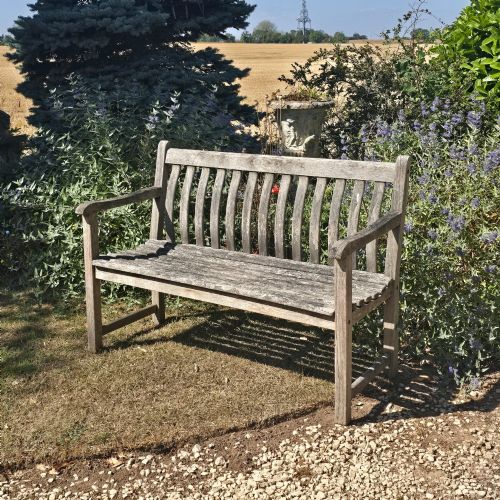
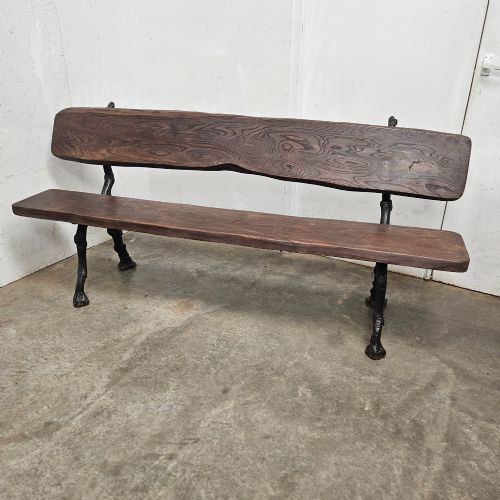
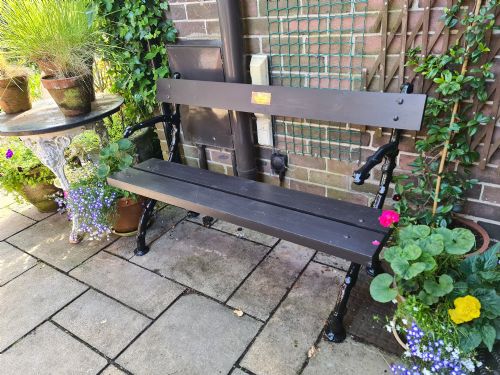
Constructed primarily from durable woods such as teak, oak, elm, and general weathered timber, these benches utilise materials chosen for outdoor longevity. Artisans combined these natural timbers with heavy cast iron or wrought iron supports to ensure structural stability.
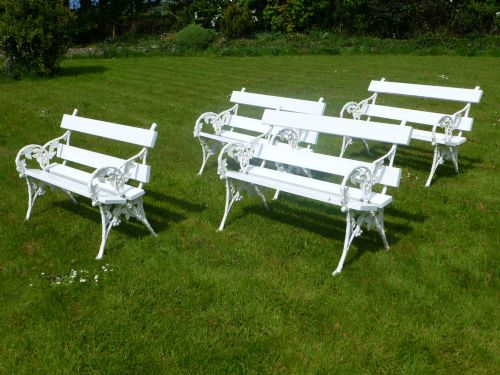
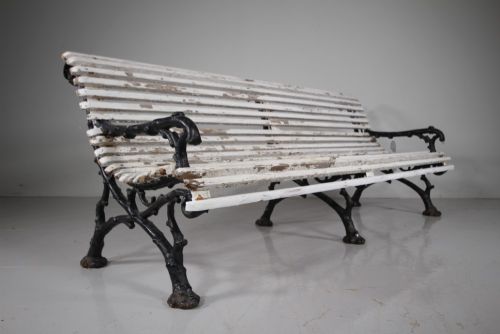
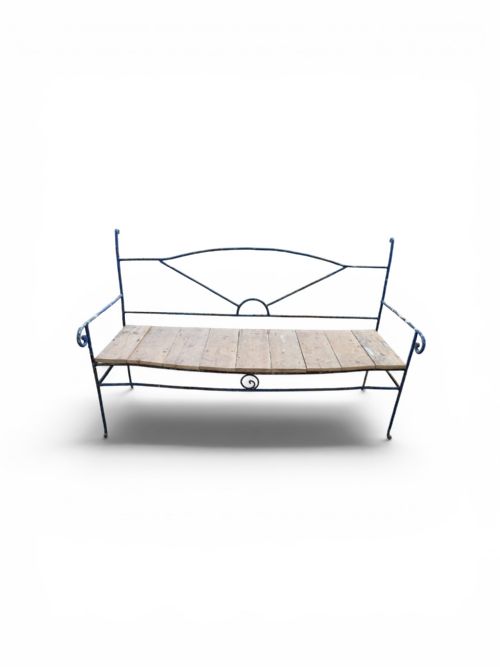
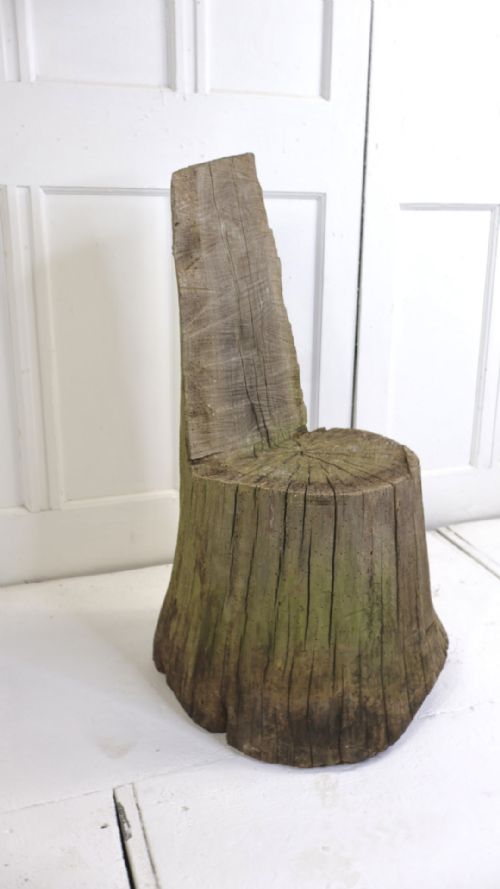
Many examples incorporate decorative metalwork, such as blackberry and leaf patterns, alongside faux bois techniques that mimic natural branches. The resulting seats rely on the union of seasoned wood and robust metal framing.
Materials represented across the current selection include teak, oak, elm, cast iron, and wrought iron.
What varies in quality
Quality in these garden seats is determined by the integrity of the timber and the refinement of the metal components. Finer examples display harmonious proportions and sophisticated decorative elements like naturalistic cast iron foliage.
The degree of weathering and the survival of original surface patination distinguish superior pieces from standard utilitarian items. Superior construction involves careful joinery between timber slats and robust iron frames.
The Rustic Timber Garden Seat Glossary
- Faux bois
- A technique where materials like iron or concrete are shaped to imitate wood or branches. This decorative style appears frequently on nineteenth-century garden furniture.
- Weathered wood
- Timber that has developed a silvery grey patina through prolonged exposure to sun and rain. This natural ageing process is highly valued by collectors of garden antiques.
- Tree seat
- A circular or polygonal bench built to encircle the trunk of a mature tree. These sculptural period forms provide shaded seating within a garden landscape.
- Orangery bench
- A long seating form traditionally housed in a glasshouse or orangery for tender plants. These pieces often feature lighter framing and unusual proportions.
Rustic Timber Garden Seat: Frequently Asked Questions
How do I care for a weathered timber bench?
Keep the timber clean of debris and allow the natural weathering process to continue without heavy varnishes. Minimal intervention preserves the historical silvered patina.
Position the seat on firm, well-drained ground to prevent moisture accumulation at the base of the legs during wetter months.
Are these garden seats suitable for year-round outdoor use?
Most pieces are built from durable hardwoods and iron designed to withstand outdoor conditions. However, severe winter weather can affect vulnerable joints.
Consider storing delicate or highly sculptural examples under cover during the harshest months to protect the historical timber.
How can I tell a nineteenth-century bench from a later copy?
Examine the fixings, the depth of the metal casting, and the natural wear patterns within the grain of the wood. Older pieces exhibit genuine patination from decades of exposure.
Hand-forged elements and traditional joinery methods offer further clues to the manufacturing date and regional origin of the seat.
What is the difference between teak and oak garden seats?
Teak contains natural oils that make it exceptionally resistant to moisture and decay, making it a preferred choice for outdoor longevity. Oak offers great strength and traditional weight but requires more careful positioning to avoid standing water.
Each timber ages differently, with teak acquiring a smooth silver tone and oak developing deeper fissures over time.