




French Provincial Architectural Salvage
French provincial architectural salvage brings the heavy timber, weathered paint and distinct regional character of old European country houses straight into modern interiors.
French Provincial Architectural Salvage
When you search for french provincial architectural salvage, you are looking at fragments and structural elements salvaged from older European buildings. These items carry the marks of age, construction and weathering that give period rooms their distinctive weight.
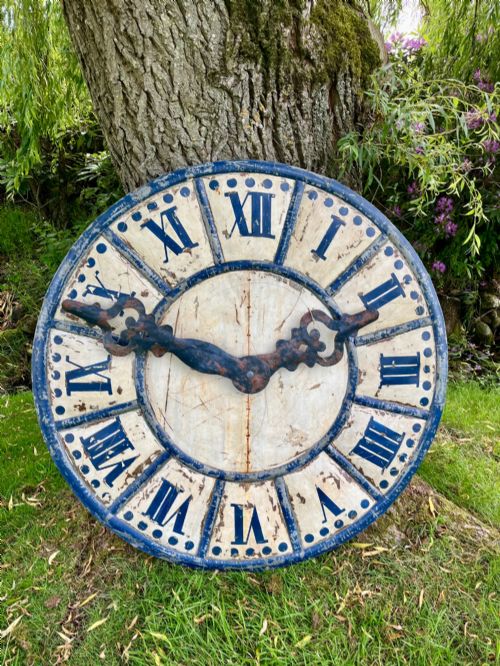
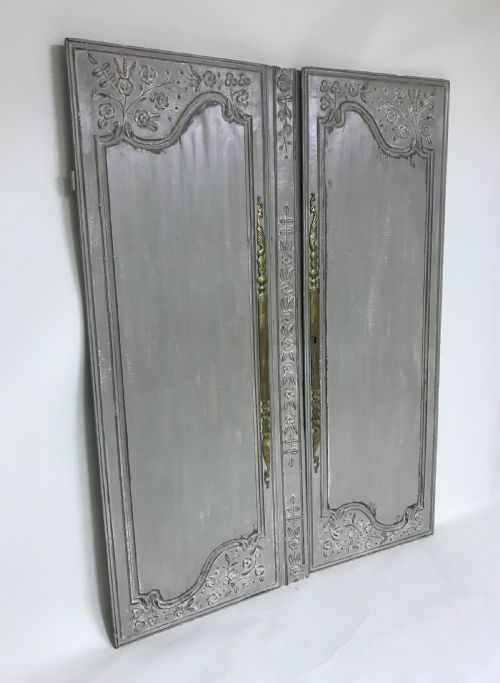
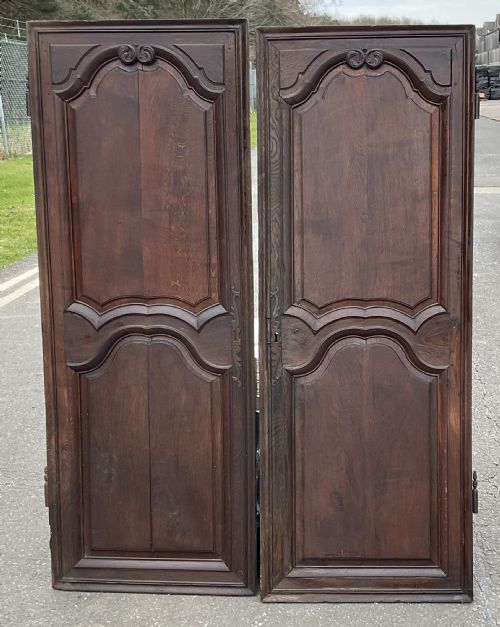
The pieces you are most likely to meet on this page include salvaged doors, hand carved panels, pelmets, pediments and clock faces. They span several periods from the eighteenth century through to the early twentieth century.
Most items reflect regional styles such as French chateau and French renaissance revival alongside the broader architectural salvage category. They bring immediate texture to plain walls and modern spaces.
How they were made
Traditional joinery and hand carving define these items, using solid timbers like oak, walnut and cherrywood. Craftsmen worked the wood by hand to create deep panels, pediments and doors built to last generations.
Many surfaces carry historic layers of paint, which weather and chip naturally over decades of use. Iron and brass fittings provide structural strength and contrast against the warm timber.
An enormous clock face from a French tower stands ready to remind everyone that time is entirely optional.
What varies in quality
Depth of hand carving and the crispness of architectural detail separate standard architectural elements from exceptional examples. Deeper relief work and more complex moulding profiles indicate skilled joinery.
The integrity of the original material matters greatly, particularly how well timber panels have aged and retained their structural stability. Surfaces that show honest, undisturbed wear hold greater visual authority than over-restored pieces.
The French Provincial Architectural Salvage Glossary
- Architectural salvage
- Building components rescued from demolition or renovation for reuse in interior design. These items include doors, panels and pediments.
- Pelmet
- A framework placed above a window or doorway to conceal curtain fittings or structural joins. They often feature carved wooden decoration.
- Pediment
- A triangular or curved architectural element placed above doors, panels or windows. In these listings, they are typically carved in oak.
- Armoire
- A large wardrobe or cupboard, whose salvaged doors frequently appear as standalone decorative wall panels. They demonstrate traditional French joinery.
French Provincial Architectural Salvage: Frequently Asked Questions
Can antique doors be used again?
Salvaged doors often function well as room dividers, pantry entrances or sliding doors on modern tracks. Their solid wood construction makes them durable for daily interior use.
Some buyers prefer to mount them flat against a wall as decorative architectural panels rather than hanging them on hinges. This preserves the original surface finish and ironwork without requiring structural alterations to doorways.
How do I care for painted wood surfaces?
Historic paint finishes require gentle dusting with a dry microfibre cloth to remove debris without disturbing flaking layers. Avoid using chemical cleaners, polishes or wet sponges that can soften old water-based or oil paints.
Keeping the pieces away from direct heat sources and high humidity prevents the timber beneath from warping or cracking. Wax can sometimes be applied to bare timber areas while leaving aged painted sections untouched.
What periods do these pieces date from?
The inventory spans from the eighteenth century up to the early twentieth century, including items from the eighteen-eighties and nineteen-twenties. Earlier pieces often feature denser hand carving and deeper patination.
Later nineteenth-century items frequently display revival styles influenced by French chateau architecture. Examining the construction joints and timber types helps determine the likely era of manufacture.