




Pair Carved Wall Plaques
These pair carved wall plaques bring instant character to a room, offering symmetric focal points shaped by centuries of woodwork and stone carving.
Pair Carved Wall Plaques
When you search for pair carved wall plaques, you encounter matching decorative panels designed for vertical display across various domestic and architectural settings. The pieces span periods from the sixteenth century through the mid-twentieth century, encompassing European and Asian origins.
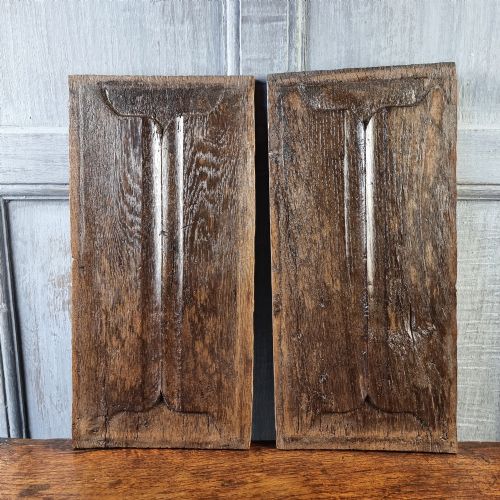
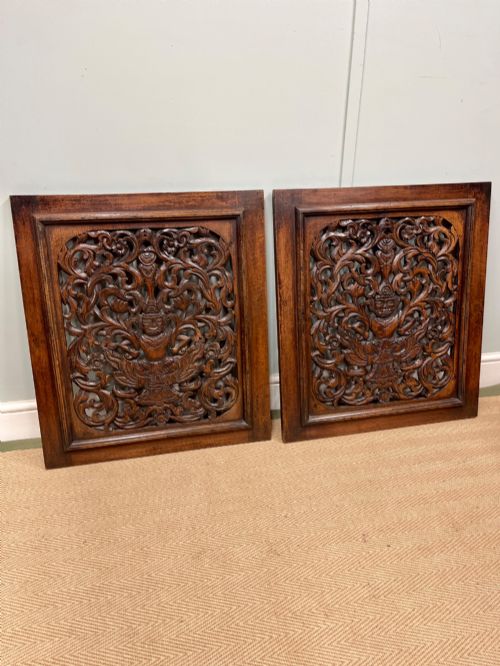
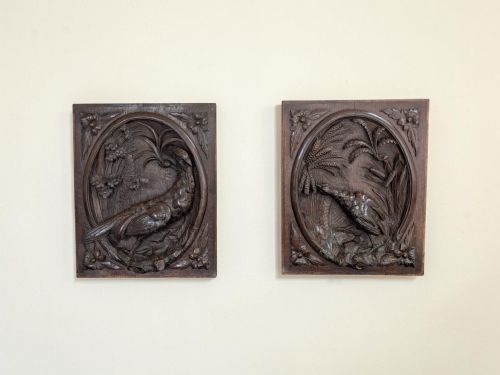
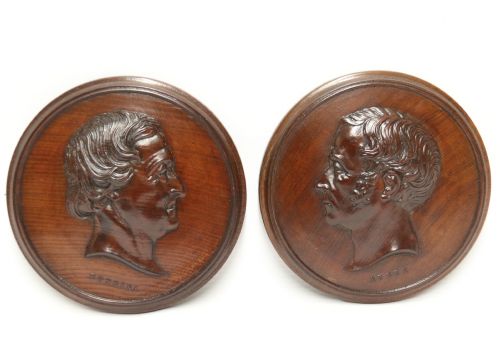
You meet a wide range of forms in this selection, including architectural salvage, linenfold panels, temple carvings, hunting trophies, and profile portraits. Oak and mahogany dominate the wooden examples, while Italian marble appears in classical reliefs.
Regional styles vary significantly, stretching from Black Forest and French chateau aesthetics to Chinese Qing style and Japanese Meiji period works. Most items function as wall art, sculptures, or architectural elements intended to anchor a room scheme.
Assessing quality in carved pairs
Quality rests on the depth and clarity of the carving, where crisp undercut details demonstrate superior hand control by the artisan. Softer, shallower work often suggests a later or more hurried production.
The choice of material and the symmetry between the two pieces dictate overall success. Well-matched grain patterns and balanced proportions indicate that the pair was conceived and executed together rather than assembled later.
The selection includes architectural salvage and framed sculptures alongside traditional wall panels and plaques.
Kasper Hendrik Roskam
The Pair Carved Wall Plaques Glossary
- Bas-relief
- A sculptural technique where the figures project only slightly from the background plane. This method appears frequently on marble profile plaques and classical souvenir panels.
- Linenfold
- A style of wood carving imitating folded parchment or linen, common on early panels. It gives flat surfaces a textured, textile-like appearance.
- Black Forest
- A regional style of nineteenth-century wood carving associated with wildlife and hunting motifs. Pieces often depict trophies, animals, and foliage carved in high relief.
- Grand Tour
- A nineteenth-century cultural journey undertaken by wealthy Europeans that generated demand for souvenir art. It accounts for many Italian marble cameo portraits of Roman emperors.
- Meiji period
- The era of Japanese history lasting from 1868 to 1912, known for refined decorative arts. Panels from this time often feature intricate inlay and meticulous surface work.
Pair Carved Wall Plaques: Frequently Asked Questions
How do I hang heavy wall plaques safely?
Heavy wooden and marble plaques require secure wall anchors and appropriate weight-rated fixings screwed directly into masonry or wall studs. Using a sturdy french cleat system distributes the load evenly across the back of the panel.
Ensure the hanging wire or mounting brackets match the substantial weight of dense materials like oak or solid marble to prevent accidental slips.
Can these plaques go in any room?
These decorative panels suit studies, living rooms, and hallways where their symmetry creates a balanced focal point. Wooden versions prefer stable indoor humidity away from direct heat sources.
Marble and lacquered pieces also require dry environments to protect surface inlays and polished stone finishes from moisture damage.
How should I clean carved wooden panels?
Dust wooden carvings gently with a soft dry brush to lift debris from deep recesses without harming the patina. Avoid using wet cloths or liquid furniture polishes that can build up within the carved details.
Natural beeswax applied sparingly helps preserve dry antique wood without altering its historic surface character.
Are these pieces from the same original set?
Matching pairs share consistent materials, scale, and carving technique, indicating they were produced together as a set. Subtle variations in grain or hand-tooled details often confirm genuine manual execution.
Examining the reverse sides reveals similar ageing, tool marks, and construction methods that tie the two panels together.