
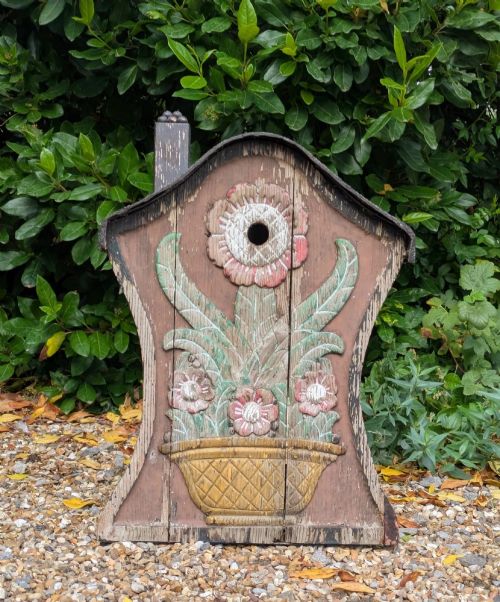
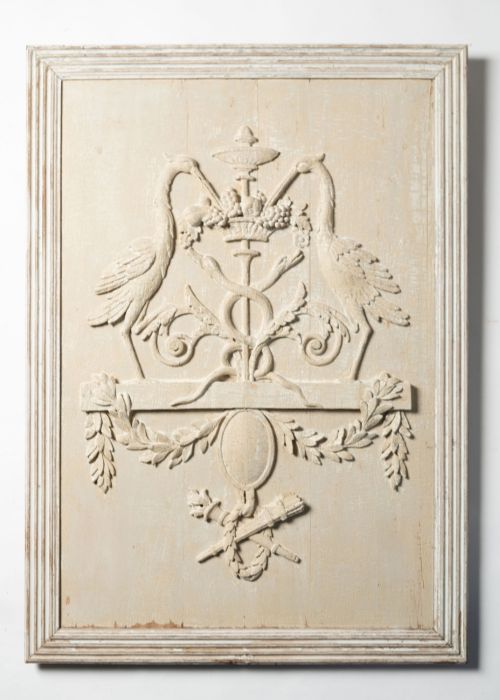
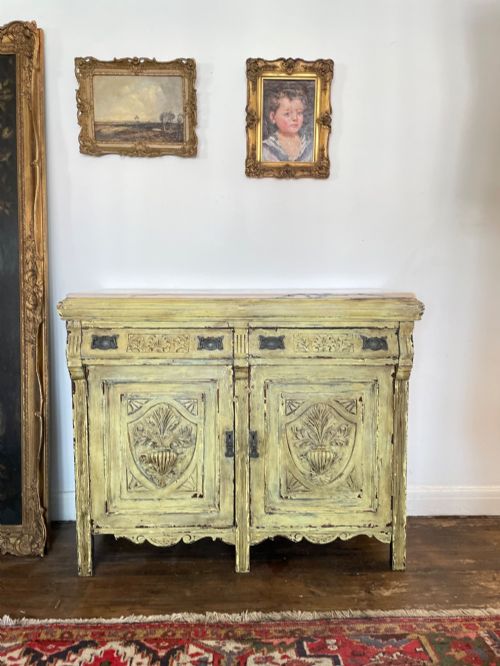
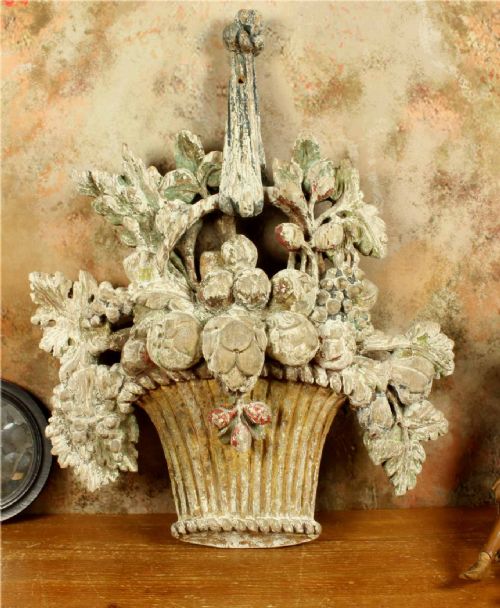




Distressed Wood Carved Panels
These distressed wood carved panels bring genuine architectural character and aged surface texture into modern interiors.
Distressed Wood Carved Panels
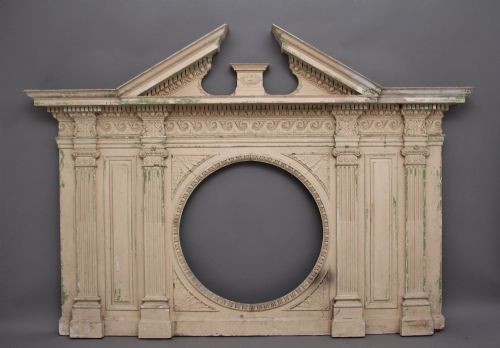
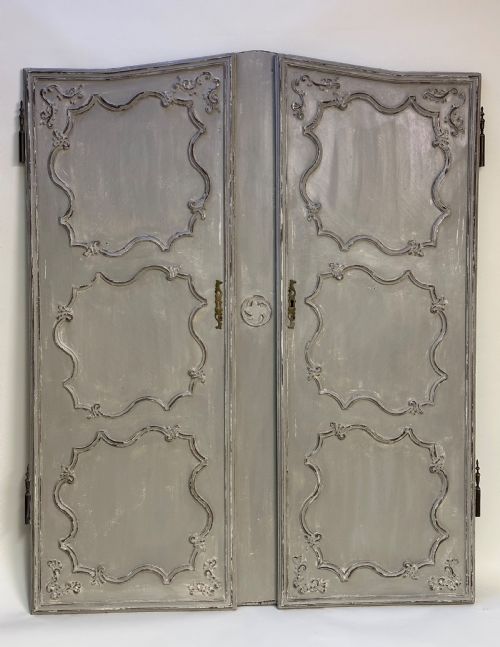
Distressed wood carved panels encompass architectural salvage, overmantels, wall reliefs, and cupboard doors originating from the eighteenth and nineteenth centuries. These pieces carry authentic age, with surfaces shaped by historical wear and weathered paint layers.
The selections available here lean heavily toward French provincial, French chateau, and Scandinavian country origins alongside English and Chinese architectural elements. Buyers frequently encounter hand-carved floral motifs, baskets, and figurative details preserved from earlier domestic and public structures.
How they were made
The construction relies upon solid timbers such as pine and native hardwoods, shaped by hand using traditional chisels and gouges to achieve deep relief. Joinery techniques reflect the period of origin, utilising pegged mortise and tenon joints to stabilise large sections of timber.
Surfaces receive layered treatments of paint, which subsequently weather through decades of exposure and handling. Iron hardware and occasionally marble elements integrate directly into the structural frames of larger architectural elements like sideboards and doors.
Listings feature items from the eighteenth, nineteenth, and early twentieth centuries, constructed from pine, timber, and painted wood.
What varies in quality
Depth of carving and clarity of detail distinguish finer panels from simpler decorative elements. Master carvers achieved crisp undercutting and balanced proportions that hold visual weight across a room.
The integrity of the original surface patina dictates much of the visual success of a piece. Intact historic paint layers with natural craquelure hold considerably more character than later, unsympathetic overpainting.
The Distressed Wood Carved Panels Glossary
- Architectural salvage
- Building elements rescued from structures slated for demolition or renovation. These pieces retain original fixings and surface patination from their primary installation.
- Overmantel
- A decorative panel or mirror frame designed for placement directly above a fireplace opening. They often feature prominent floral or neoclassical carvings.
- Wall relief
- Sculpture technique where elements remain attached to a solid background of the same material. The carving projects outward from the flat plane to create shadow and depth.
- Patina
- The surface sheen and colour alteration developed through age, light exposure, and regular handling. It serves as a primary indicator of genuine antiquity.
Distressed Wood Carved Panels: Frequently Asked Questions
How do I hang a heavy carved panel?
Heavy architectural panels require secure fixing directly into wall studs or masonry using appropriate steel brackets. Weight distribution must be calculated carefully before mounting.
Professional installation is strongly advised for large doors, overmantels, and substantial timber reliefs to ensure structural safety.
Can I clean an antique painted finish?
Historic painted surfaces tolerate only gentle dusting with a dry, soft cloth to remove surface particulates. Moisture and chemical cleaning agents can strip fragile historic pigments.
Consult a conservator before attempting any wet cleaning on vulnerable or flaking painted wooden surfaces.
Where should I place a panel in my home?
These pieces function effectively as focal points above mantels, headboards, or displayed flat against large feature walls. Their texture softens minimalist architectural spaces.
Keep panels away from direct heat sources and extreme humidity fluctuations to prevent timber movement and splitting.
How do I tell an 18th century panel from a later copy?
Eighteenth century panels display tool marks consistent with hand-forged irons and possess dry, deep-set timber shrinkage. Fasteners and pegging methods reveal period-specific manufacturing techniques.
Examine the back of the timber for hand-saw marks and consistent oxidation that matches the front surface wear.