






French Porcelain Figures
French porcelain figures bring classical pastoral charm to a room, ranging from delicate bisque pairs to grand hand-painted mantle groups.
French Porcelain Figures
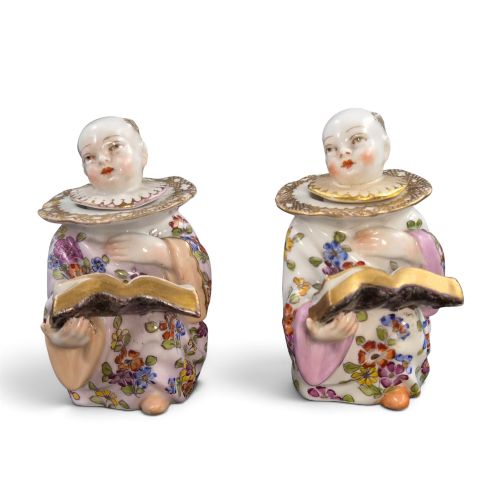
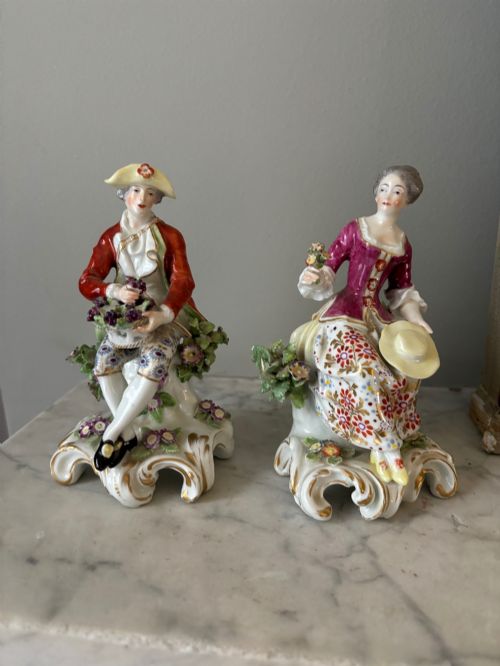
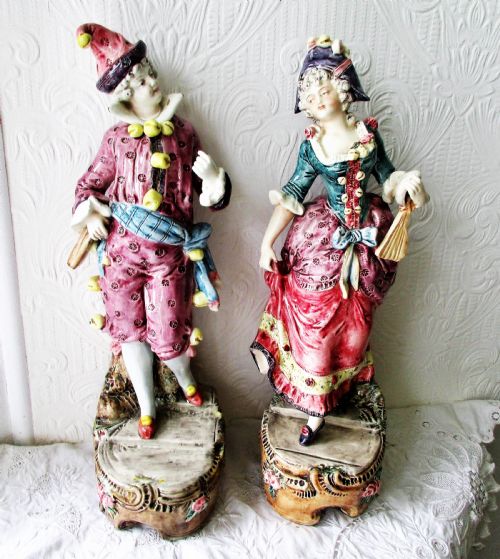
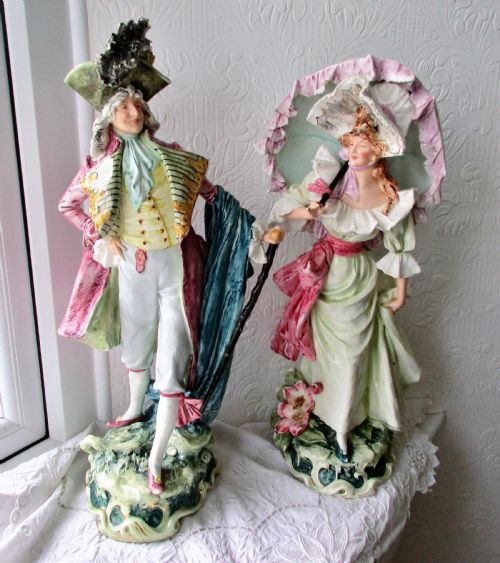
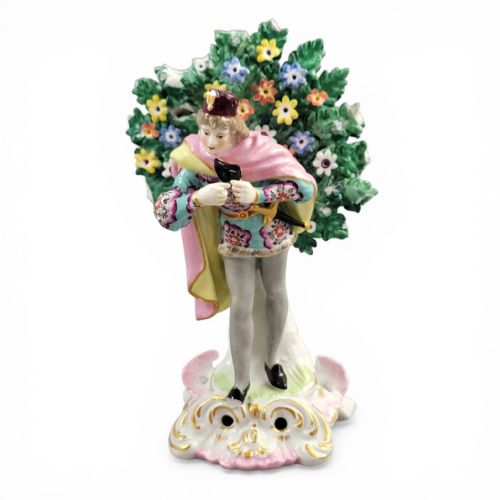
French porcelain figures encompass decorative figurines, sculptural groups, and functional objects like inkwells and bonbonnières originating from Paris workshops and regional factories. Collectors most frequently encounter nineteenth-century pairs modelled in neoclassical, rococo revival, or derivative styles that echo earlier eighteenth-century Derby and Chelsea aesthetics.
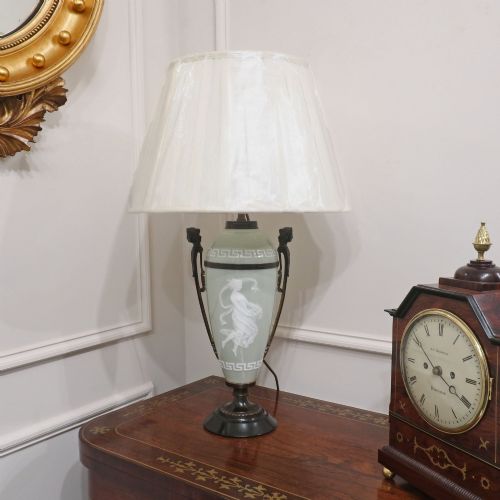
The selection extends from glazed porcelain and soft-paste compositions to unglazed biscuit porcelain and intricate lace groups. Makers often drew inspiration from pastoral themes, mythology, and theatrical characters, resulting in diverse forms from table lamps to large monumental figures.
How they were made
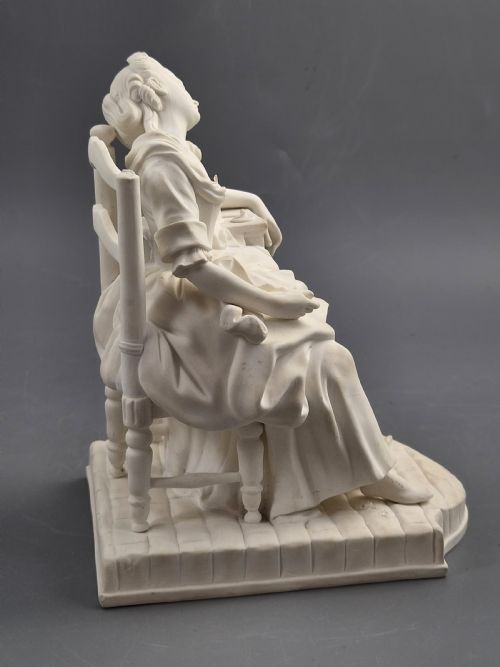
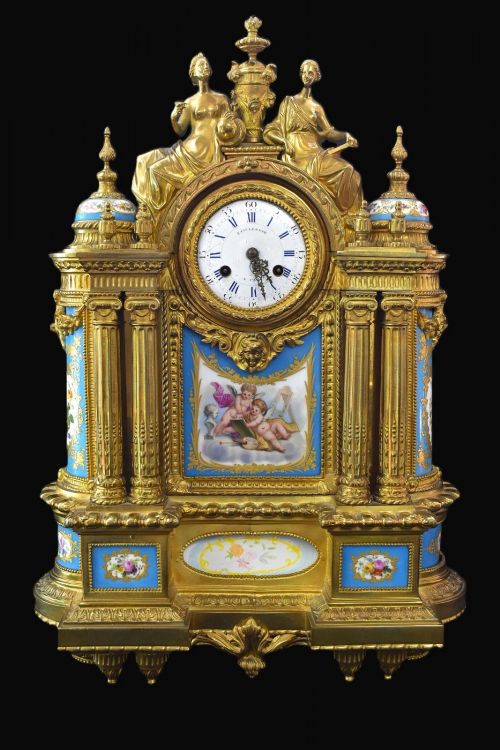
Craftsmen shaped these pieces using ceramic paste, frequently employing biscuit porcelain for unglazed, matte finishes that highlight sculptural detail. Enamel colours and gilding were applied by hand before firing, often augmented by cast or gilt bronze mounts and ormolu details.
Many nineteenth-century Paris workshops utilised specialised techniques such as pate sur pate for relief decoration or incorporated real lace dipped in porcelain slip before firing to create delicate textile textures.
Several figures depict elaborate theatrical characters, street vendors, and mischievous putti playing with goats.
What varies in quality
Quality depends heavily on the crispness of the modelling and the precision of the hand-painted enamel work, distinguishing mass-produced wares from master studio output. Superior examples display finely rendered facial expressions, intricate hand-applied details, and well-preserved gilding without smudging.
The reputation of the maker also dictates the standard, with authenticated pieces from established Paris firms and designated factory marks commanding greater appreciation than unmarked generic productions.
Edmé Samson·Vion and Baury·Bourdois and Bloch·Letu and Mauger·Niderviller
The French Porcelain Figures Glossary
- Bisque porcelain
- Un-glazed white ceramic ware with a matte, marble-like texture. It became particularly popular during the nineteenth century for expressive sculptural figures.
- Pate sur pate
- A ceramic technique where layers of liquid white porcelain slip are painted onto a coloured body to build up a low-relief cameo effect.
- Ormolu
- Gilded bronze ornamentation applied to mounts, clocks, and bases. It provides a bright metallic contrast to the white porcelain.
- Soft-paste
- An early porcelain composition fired at lower temperatures than hard-paste. It has a warmer tone and a characteristic glaze often found in eighteenth-century pieces.
French Porcelain Figures: Frequently Asked Questions
Are these figures usually marked?
Many nineteenth-century Paris pieces feature factory stamps, painted initials, or pseudo-marks that imitate earlier English and German manufacturers like Derby or Chelsea. Samson in particular frequently used altered historic marks.
Unmarked examples are also common, requiring attribution based on paste quality, modelling style, and manufacturing technique rather than a signature.
What is the difference between bisque and glazed figures?
Bisque porcelain is left unglazed after firing, offering a matte, porous finish that resembles carved marble and highlights fine anatomical details. Glazed figures receive a glossy vitreous coating that seals the ceramic body.
Glazed pieces typically feature bright hand-painted enamel colours and gilt accents, whereas bisque relies entirely on sculptural form and shadow.
Where were most of these figures made?
The majority originate from workshops in and around Paris, which became a major centre for porcelain production and revivalist decorative arts during the nineteenth century. Provincial factories such as Niderviller also contributed significant sculptural output.
Many Paris studios specialised in producing historical revivals, creating pieces inspired by eighteenth-century Meissen, Chantilly, and Chelsea models for an international clientele.