





French Plinth Column
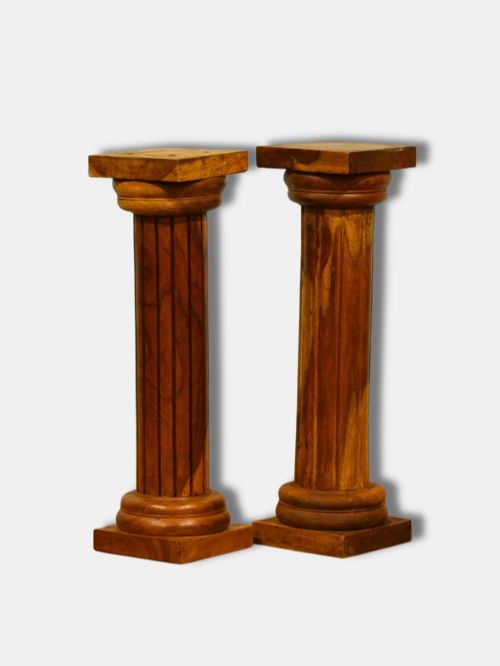
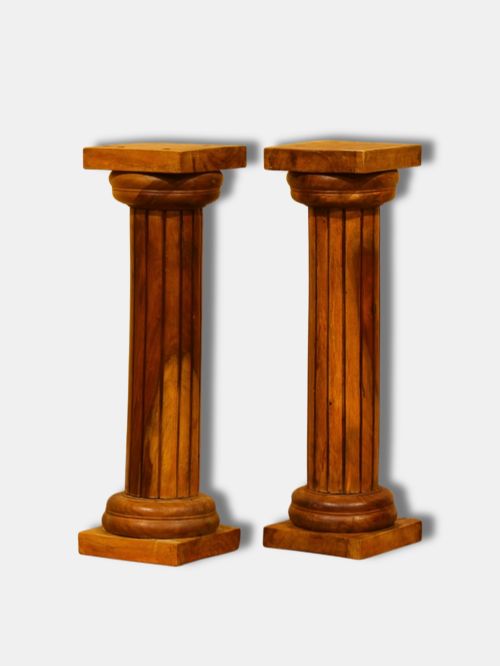
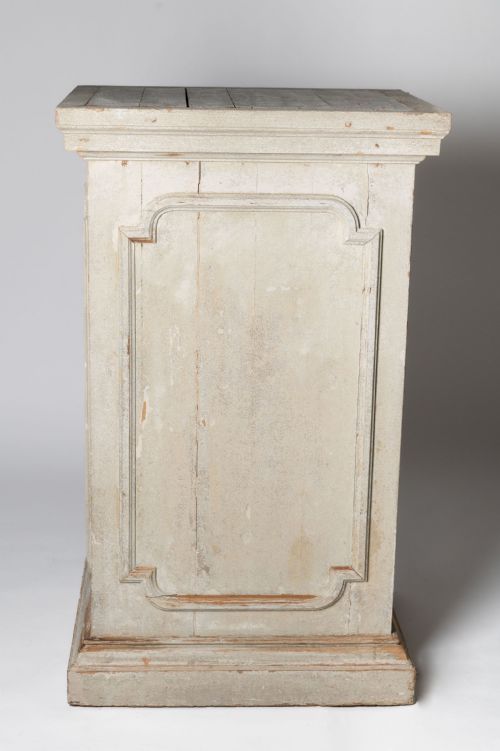
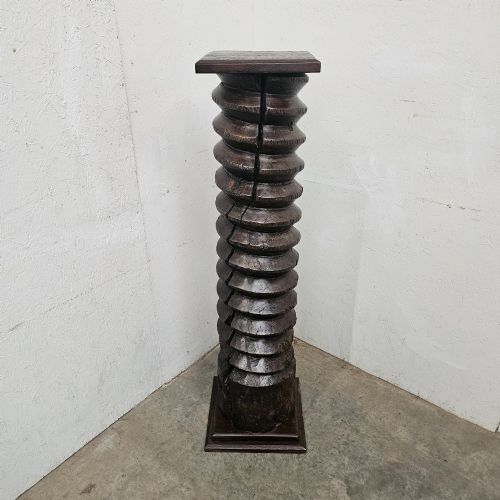
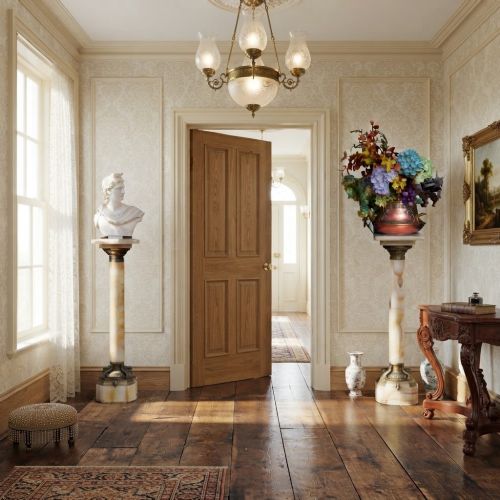
These French plinth column pieces elevate sculpture and lamps with classical presence, bringing architectural dignity to an interior.
French Plinth Column
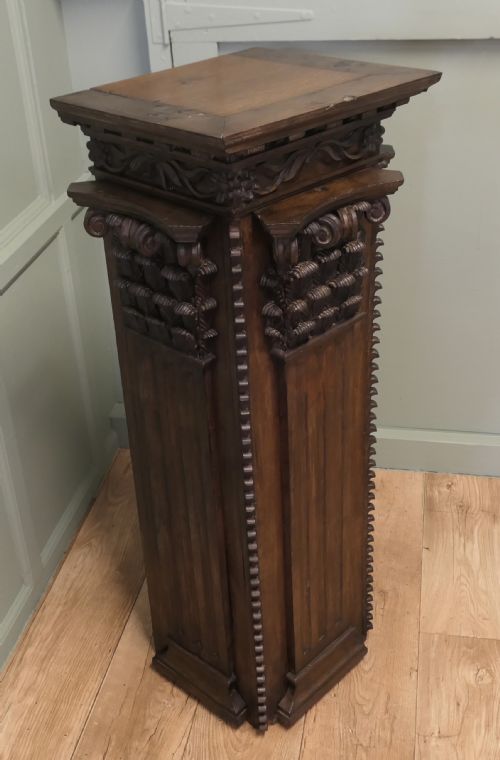
When you search for a french plinth column, you encounter architectural supports designed to elevate busts, urns, figures, and lamps within a room. These structural display stands take the form of columns, pedestals, and torcheres created to draw the eye upward.
The versions you meet most frequently on this page date from the nineteenth century, reflecting classical revival tastes through tall, commanding shafts. They appear in pairs as well as single stands, ready to anchor corners or frame focal points.
Makers drew on historical vocabularies ranging from neoclassical restraint to exuberant baroque and rococo carving. The resulting forms serve both functional display and sculptural decoration in domestic spaces.
Materials and methods of construction
Craftsmen shaped these supports from dense stones including marble, onyx, and serpentine, often turning them on large lathes to achieve smooth, symmetrical shafts. Softer materials like oak, walnut, and mahogany received hand-carved details or smooth painted finishes.
Metal ornament played a structural and decorative role, with ormolu and gilt bronze mounts fitted to collars, capitals, and bases. Gesso and gold leaf added further embellishment to carved wooden and plaster surfaces, creating contrast against the stone.
French Plinth Column Retail Price Guide 2026
Typical asking prices for french plinth column among the pieces listed under this phrase on Sellingantiques today, from the lower quarter to the upper quarter. They describe what is for sale here now, not the wider market.
One recorded pair of painted columns bears the signature of Marguerite, leaving an elusive nineteenth-century maker's mark.
Distinctions in quality and execution
The standard of a piece rests upon the selection of its raw materials, such as the depth of figuring in a marble or onyx shaft and the weight of the bronze or ormolu mounts. Finer examples display crisply chased metalwork that integrates seamlessly with the stone or timber body.
Proportion and structural stability dictate the success of the design, with superior columns maintaining precise balance and vertical alignment. Hand-carved wooden or plaster elements show greater definition and depth in ornamental relief than simpler moulded versions.
The French Plinth Column Glossary
- Ormolu
- Gilded bronze used for decorative mounts on furniture and pedestals. This technique involved applying a mercury and gold amalgam to bronze before heating.
- Torchere
- A tall stand or pedestal designed specifically to hold a light source or candle. These pieces often feature slender shafts suited for corners.
- Caryatid
- A sculpted female figure serving as an architectural support in place of a column. They appear on pedestals to bear the weight of the upper platform.
- Verde Antico
- A dark green serpentine marble heavily veined with white calcite. This decorative stone was favoured in classical and revival interiors for its rich colour.
- Triform
- Having three sides or a triangular base. Triform pedestals provide stable support while offering a distinct geometric silhouette.
French Plinth Column: Frequently Asked Questions
What were french plinth column supports used for?
These supports served primarily to elevate decorative objects such as marble busts, bronze figures, and heavy urns to eye level. By raising art above floor height, rooms gained a sense of classical proportion and display hierarchy.
They also functioned as torcheres to hold lighting fixtures in grand salons and hallways. Their architectural presence helped define the corners and perimeters of large entertaining spaces.
How do I place them in a room?
A column works effectively when positioned in an empty corner, beside a fireplace, or framing a doorway. Pairing two matching columns creates symmetry when flanking a console or large artwork.
Ensure the top surface area accommodates the footprint of your intended display object safely. Heavy stone and marble columns require stable flooring to support their considerable weight.
How do I distinguish nineteenth century styles?
Nineteenth-century pieces often draw on neoclassical restraint with straight fluted columns and restrained bronze mounts. Louis XVI revival pieces incorporate symmetrical floral garlands, ribbons, and beaded ormolu collars.
Later Victorian examples tend towards heavier proportions and darker woods or highly figured onyx. Rococo revival pieces introduce asymmetrical scrolling foliage and rich walnut carving.
What materials are common on these pieces?
Stones such as various marbles, green serpentine, and onyx form the structural shafts of many examples. These are frequently combined with cast and chased ormolu or gilt bronze mounts.
Wooden versions utilise oak, walnut, mahogany, and painted pine. Plaster and gesso appear on decorative pedestals designed to mimic carved stone or wood.