
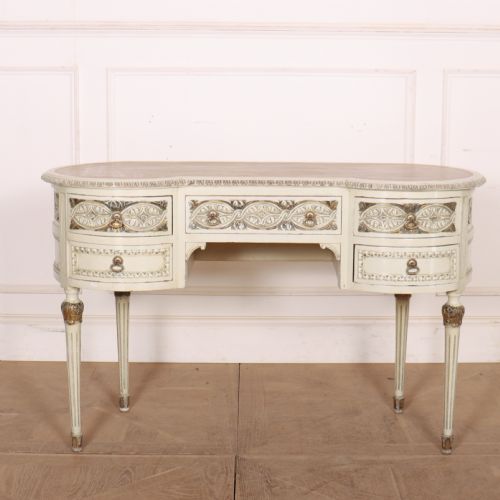


Cream Painted Pedestal
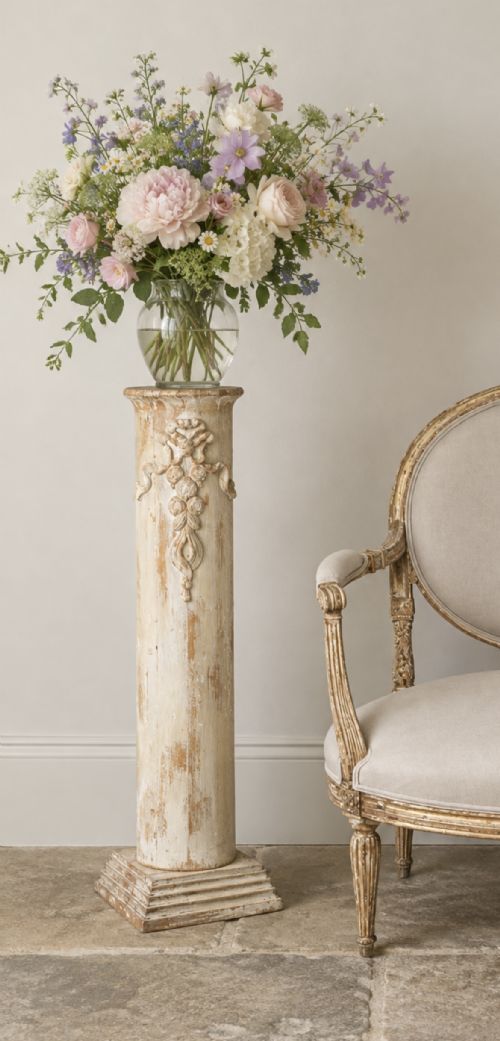
A cream painted pedestal offers an architectural lift for a corner, supporting lamps or urns with a pale, neutral finish.
Cream Painted Pedestal
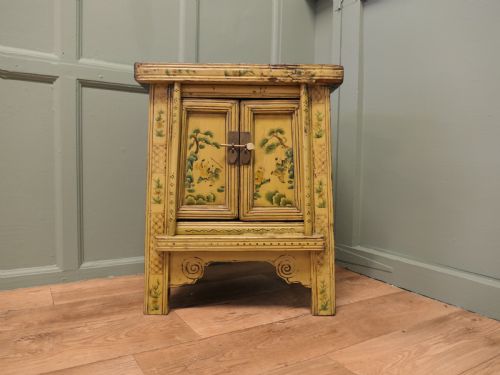
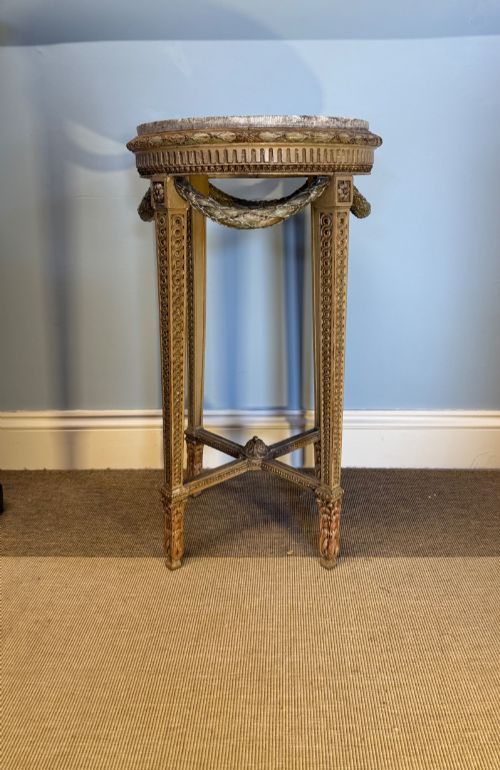
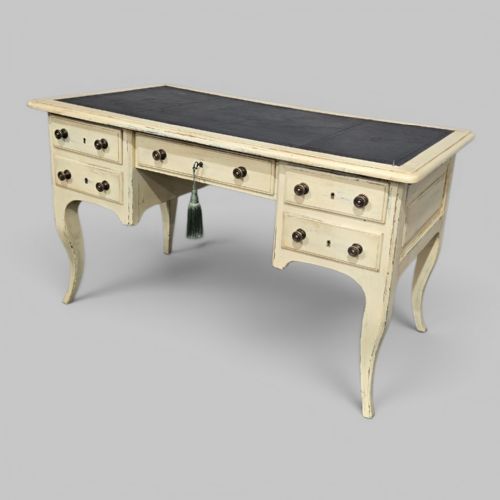
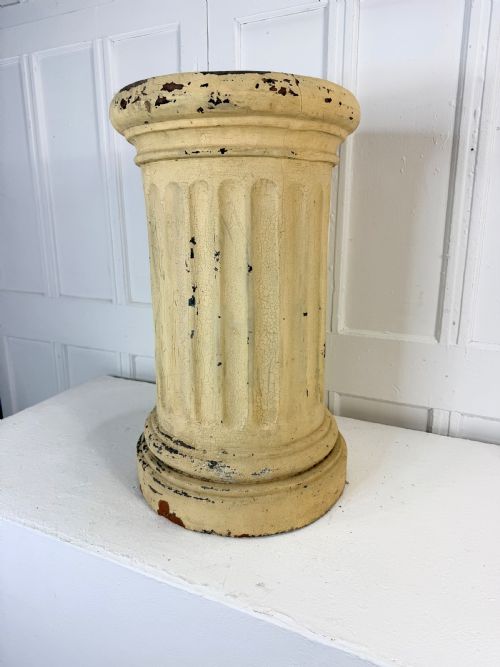
When searching for a cream painted pedestal, buyers encounter columns, pillars, and stands designed to elevate decorative objects within a room. The selections span the 18th century through to the 1930s, incorporating Victorian, Edwardian, and continental European pieces.
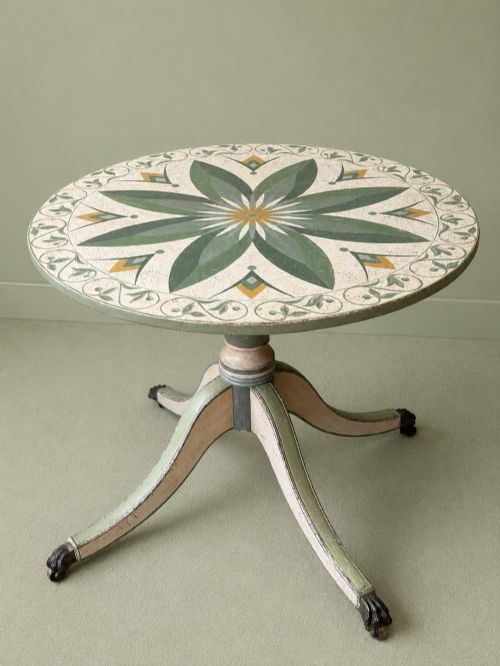
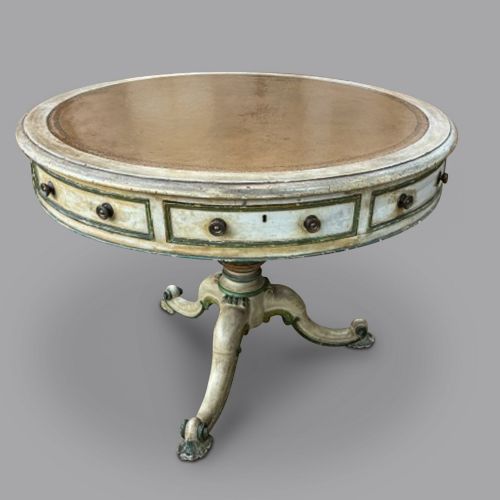
The most common forms on this page include wooden columns, plaster display stands, and occasional tables finished in neutral paint. Pieces range from simple turned wooden supports to elaborately decorated items featuring neoclassical revival or French chateau styles.
Materials and construction
These items rely on wood, plaster, terracotta, and iron as foundational materials, shaped into columns, tables, and stands. Wood surfaces are built using joinery techniques appropriate to their period, providing stable structures for vertical display.
Finishes involve layers of paint, gesso, and occasional gilding to achieve the signature cream surface. Some items incorporate faux marble effects or hand-decorated motifs over the base material.
Listings feature items from the 18th, 19th, and early 20th centuries, utilising painted wood, porcelain, gesso, and brass.
Assessing quality and finish
Quality rests in the crispness of the turning, carving, or moulding detail beneath the paint layers. Finer pieces maintain structural integrity without excessive warping, while the application of the cream paint and gesso shows deliberate hand-crafting rather than hurried production.
The sophistication of the secondary decoration, such as subtle distressing, gilding accents, or faux marbling, distinguishes standard utility stands from more ambitious decorative columns.
Doulton Burslem·Hadley's Worcester·Royal Worcester
The Cream Painted Pedestal Glossary
- Gesso
- A plaster-like mixture applied to wood or other substrates to prepare a smooth surface for painting or gilding. It provides the crisp base required for fine decorative details on columns and pedestals.
- Column
- An upright architectural pillar traditionally used for support or display. In furniture, it serves as a pedestal to elevate vases, sculptures, and lamps.
- Gilding
- The application of gold leaf or powder to a surface. It appears on antique pedestals to highlight carved elements or mouldings.
- Tilt-top table
- A table with a hinged top that tilts vertically when not in use. Several examples feature painted surfaces suited to occasional display.
- Jardiniere
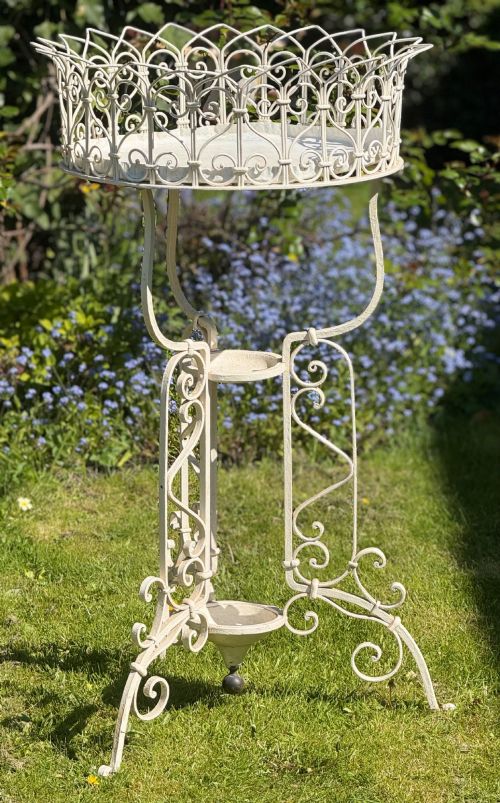
- An ornamental pot or stand for plants or flowers. Wrought iron and ceramic variants often accompany pedestal displays.
Cream Painted Pedestal: Frequently Asked Questions
How do I style a pedestal?
Position a pedestal in an empty corner or beside seating to provide height and visual balance to a room.
Top the surface with a lamp, vase, or sculptural urn to draw the eye upward and create a focal point.
What periods are these pieces from?
The selection includes items spanning from the 18th century through the Victorian era and into the early 20th century.
Craftsmanship and decorative motifs generally reflect the design tastes of the specific decade in which they were made.
Are these stands suitable for heavy items?
Sturdiness depends on the material, with solid wood and terracotta columns offering robust support for substantial decorative objects.
Lighter plaster or softwood versions suit medium-weight lamps, urns, and porcelain pieces.
How do I clean a painted finish?
Dust the surface regularly with a soft, dry cloth to prevent dirt accumulation on the gesso or paint.
Avoid harsh chemical cleaners or excess moisture, which can damage the aged cream paint layers.