


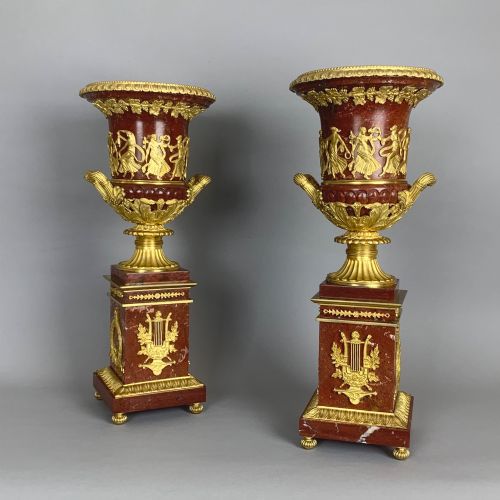
Antique French Pedestal
An antique french pedestal supports sculpture, urns or plants through columns of marble, onyx and timber.
Antique French Pedestal
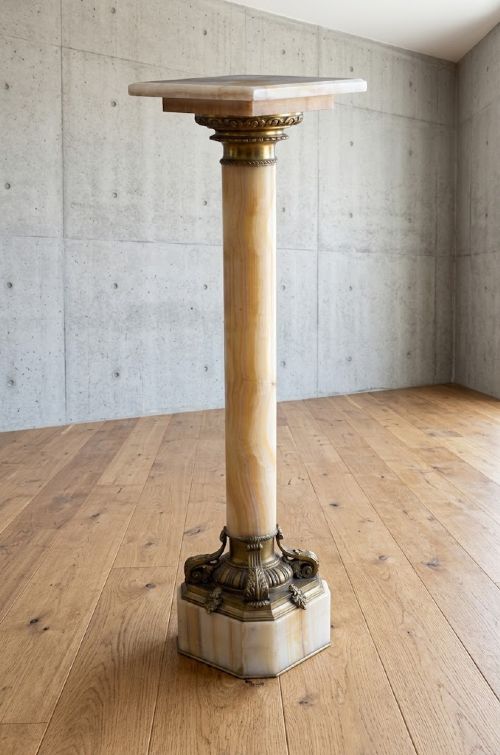
The term antique french pedestal covers tall display columns, torcheres, plant stands and substantial desk bases originating from the nineteenth and early twentieth centuries. These pieces appear in forms ranging from slender onyx shafts to robust mahogany cabinets and gilt bronze mounts.
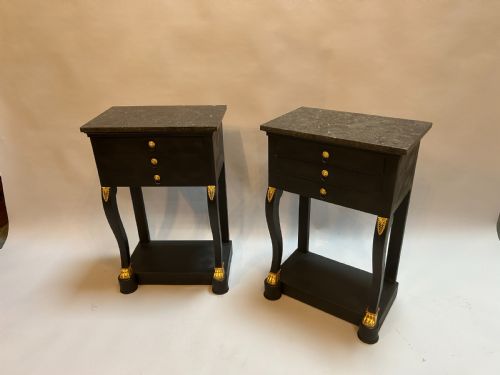
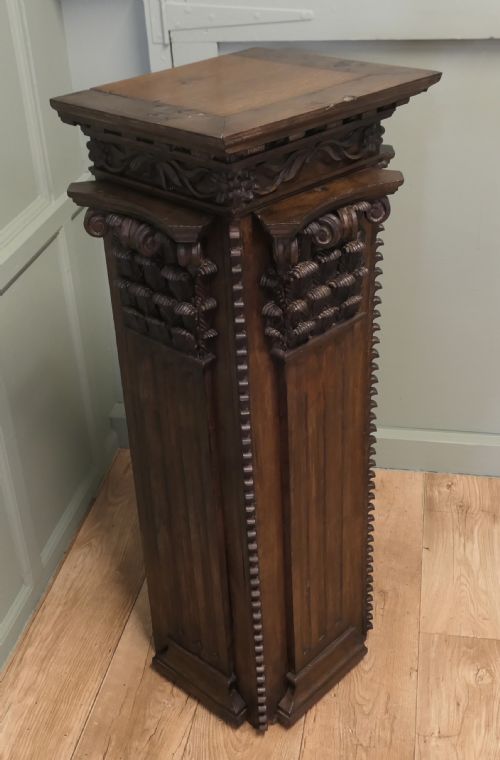
Buyers frequently encounter marble columns, carved walnut stands and ebonised torcheres designed to elevate decorative objects within a room. Architectural styles span French Empire, Neoclassical and Napoleon III aesthetics.
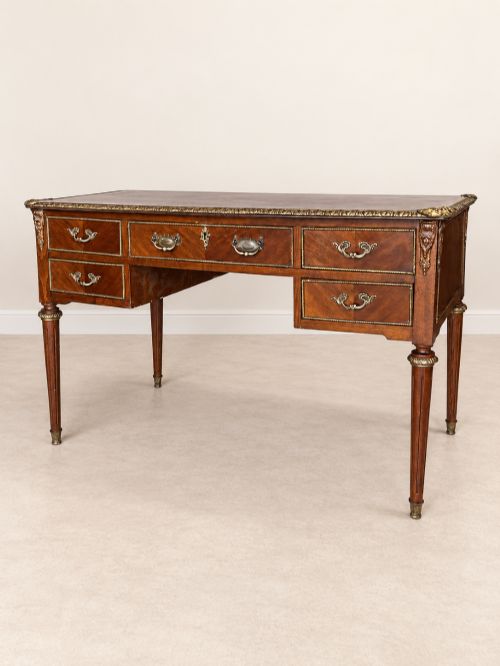
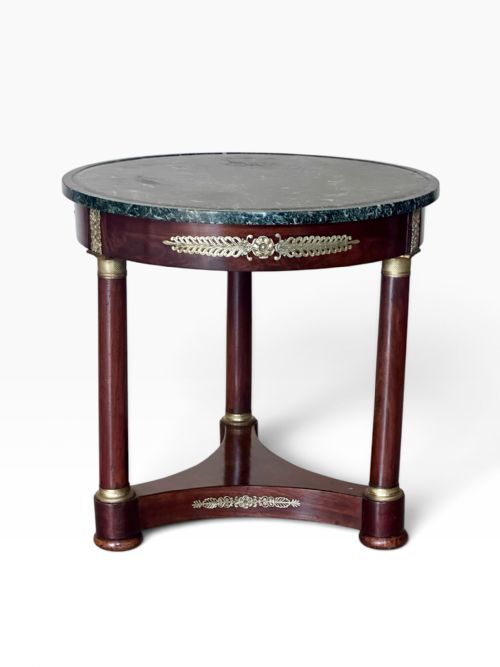
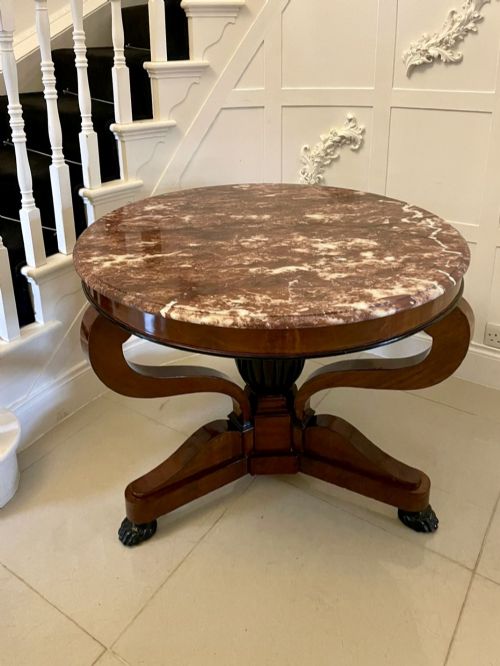
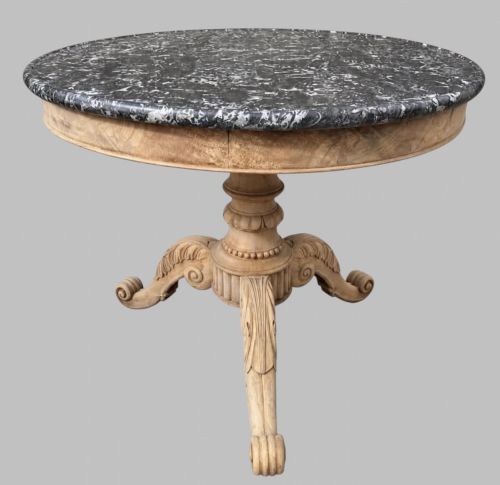
The category also encompasses specialised furniture such as pedestal desks and gueridon tables that share the characteristic vertical support structure. Each piece reflects the decorative priorities of nineteenth century French interiors.
Materials and construction methods
Construction relies heavily on dense hardwoods like mahogany and walnut, paired with natural stones including white marble, onyx and Siena marble. Workshops frequently combined these materials with cast metals to create stable, weight-bearing architectural forms.
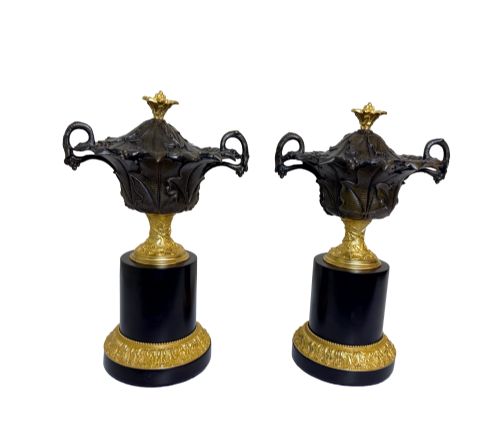
Metal components utilise bronze, gilt bronze and ormolu, often cast with classical motifs and finished by hand. Marble sections are turned and polished, while timber frames employ traditional joinery and occasional veneer or boulle work.
Some nineteenth-century pedestals served double duty as secret hiding spots for pocket watches and carriage clocks.
Distinctions in manufacture and design
Quality separates ordinary turned timber from pieces featuring finely chased ormolu collars and patinated bronze figures. The weight and consistency of the stone top or column shaft indicate the grade of materials selected by the maker.
Execution of carved details, such as classical acanthus leaves or fluted columns, defines the upper tier of production. Superior examples maintain structural rigidity and balanced proportions across the entire height of the shaft.
Mercier Freres·A Moreau Paris
The Antique French Pedestal Glossary
- Ormolu
- Gilded bronze mounts applied to furniture and decorative objects. The technique involves coating metal with a mercury and gold amalgam before heating.
- Gueridon
- A small circular table supported by a central column or tripod base. These tables frequently feature marble tops and veneered timber bodies.
- Torchiere
- A tall ornamental stand or candlestick designed to hold a light source or display an urn. Nineteenth-century examples often use ebonised wood or bronze.
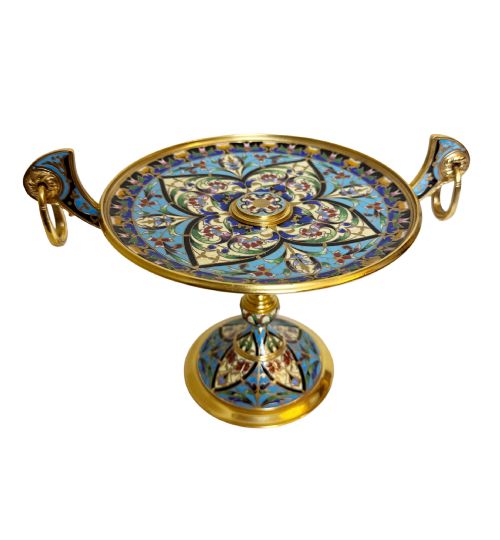
- Tazza
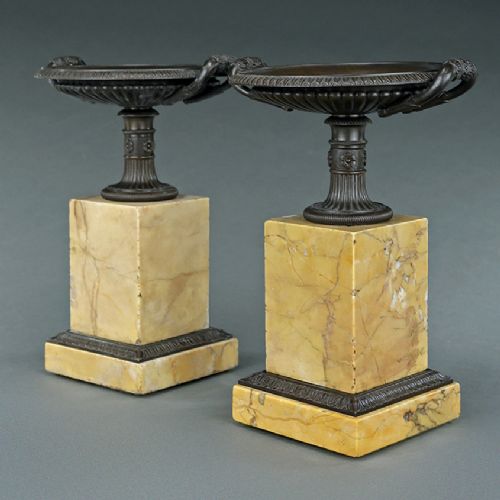
- A shallow bowl or vase raised on a high foot and pedestal stem. These pieces appear in marble, bronze and porcelain across the grand tour period.
- Boulle work
- An elaborate marquetry technique using brass and tortoiseshell inlaid into furniture surfaces. It appears on desks and cabinets from French workshops.
Antique French Pedestal: Frequently Asked Questions
What holds an antique french pedestal stable?
Massive stone bases and dense timber construction provide the primary counterbalance for tall display columns and torcheres. Heavier materials like marble and bronze are positioned at the foot to lower the centre of gravity.
Internal iron rods or threaded bolts often secure multi-section marble columns together. These hidden fixings maintain vertical alignment without disturbing the classical exterior appearance.
Where should a pedestal be placed?
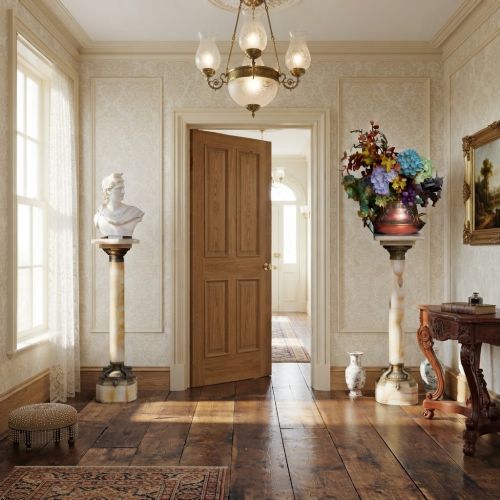
Columns and torcheres suit corners, hallways and empty wall spaces where vertical height draws the eye upward. They function best when displaying a single object such as a bronze bust or ceramic urn.
Heavier desk pedestals require adequate floor space and clearance for associated seating. Positioning depends entirely on the specific furniture type and its original functional purpose.
How do I identify the period?
Stylistic motifs provide the clearest indication of date, with Empire pieces showing military emblems and Neoclassical stands displaying clean classical orders. Materials also shift over time, from early nineteenth-century bronzes to late-century onyx and champleve.
Construction details within timber carcasses, such as drawer linings and secondary woods, help confirm nineteenth-century manufacturing techniques. Patination on gilt bronze surfaces develops distinctive wear patterns over decades.
Can these stands support heavy sculptures?
Solid marble and heavy bronze columns are engineered specifically to carry significant weight loads. The structural integrity derives from thick stone shafts and secure metal collars.
Lighter timber plant stands and occasional pedestals suit moderate weights rather than heavy architectural bronzes. Checking the base footprint and material density ensures safe display for individual items.