
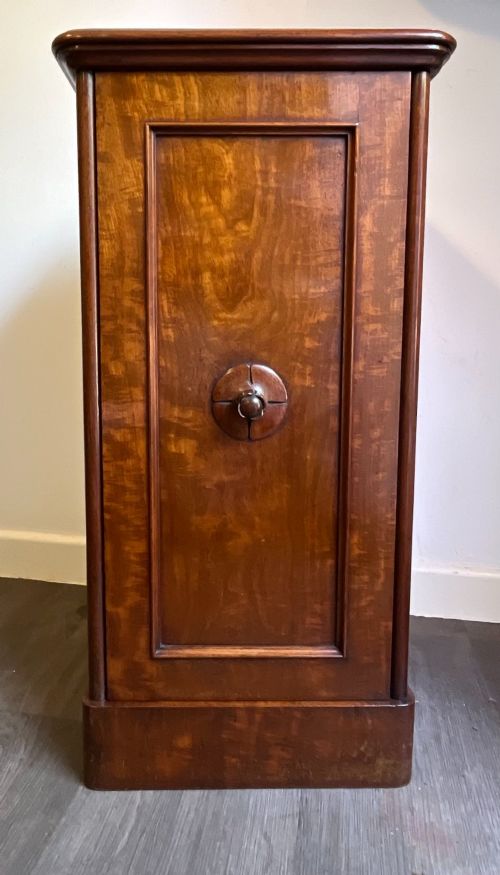
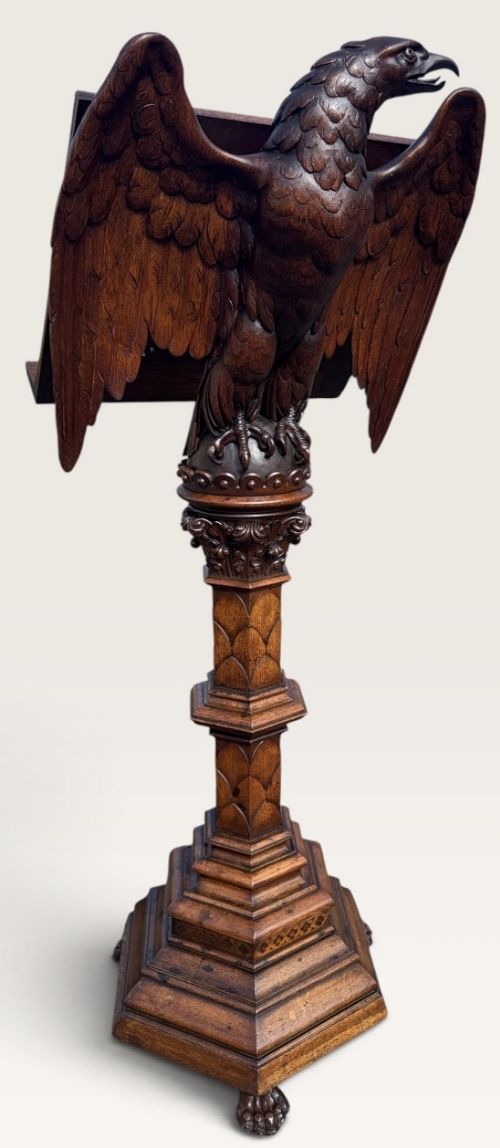
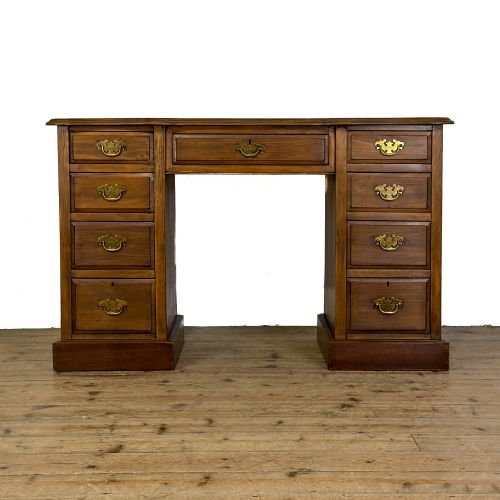
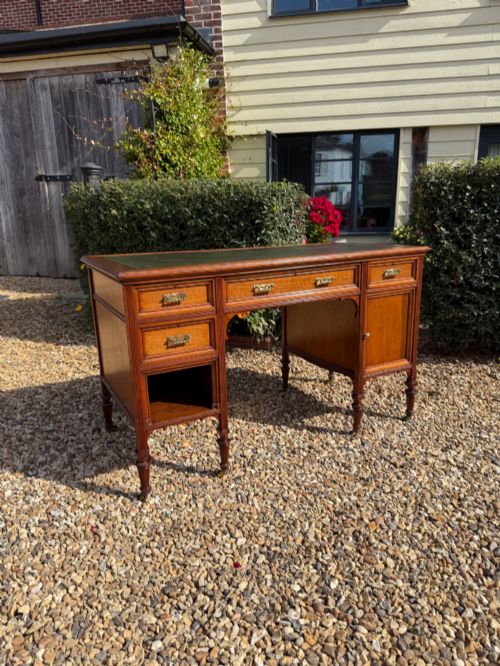
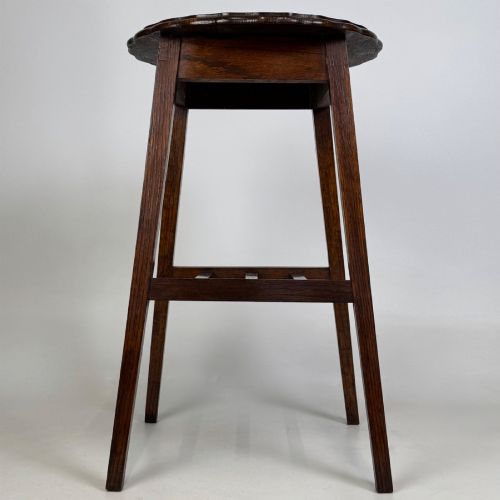
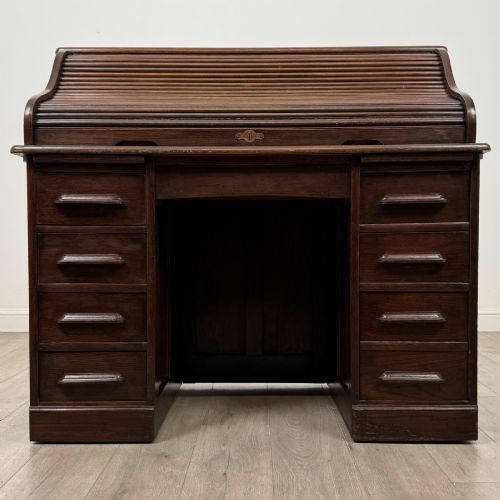
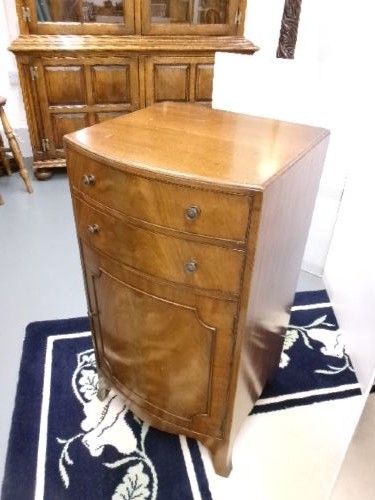
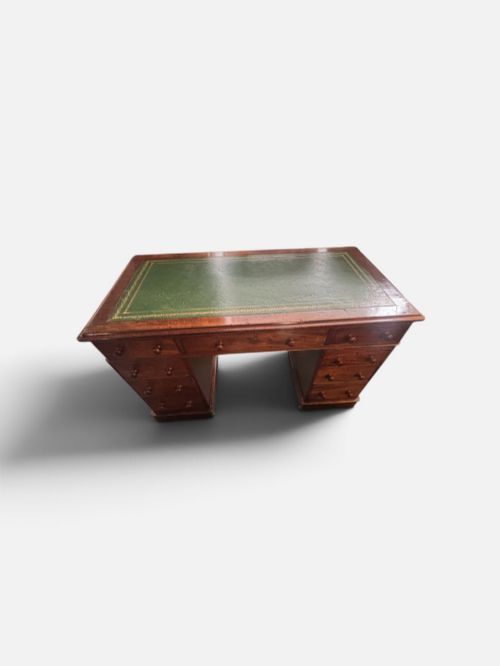
Vintage Wooden Pedestal
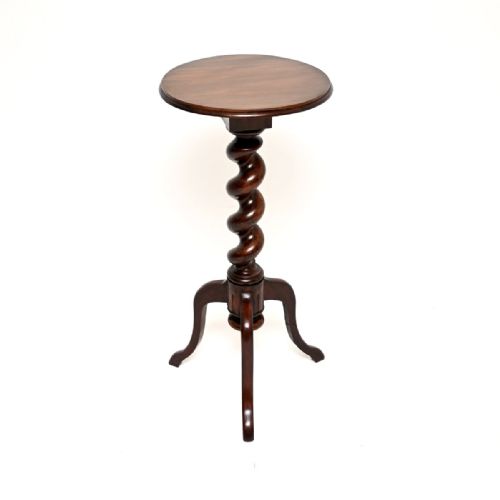
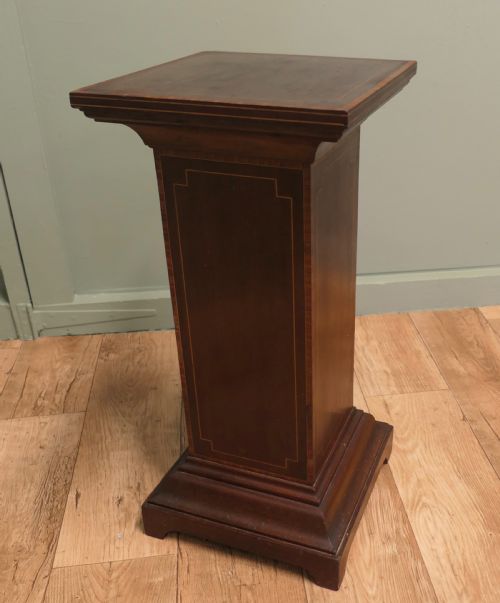
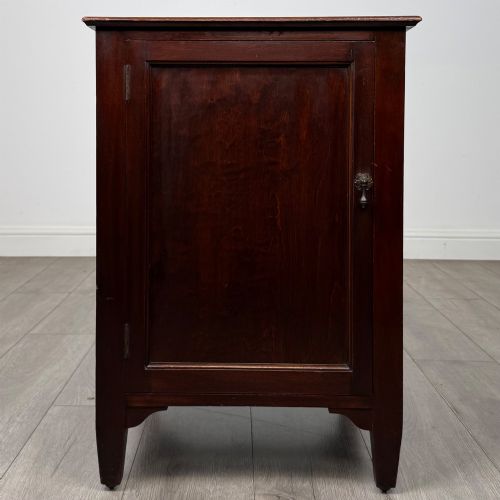
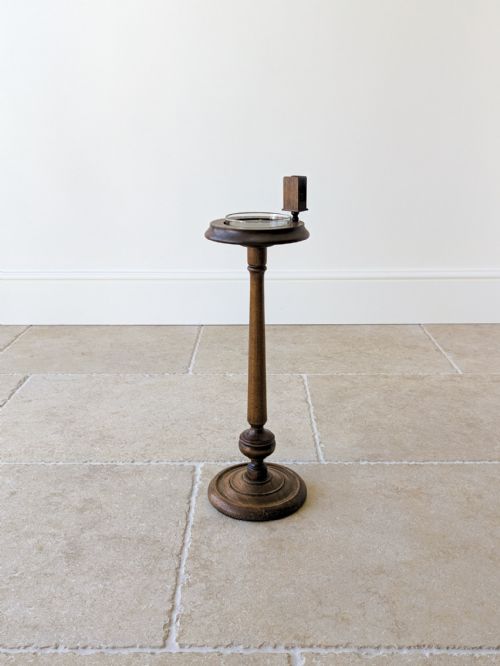
These vintage wooden pedestal options bring sturdy architectural forms and polished timbers into domestic rooms.
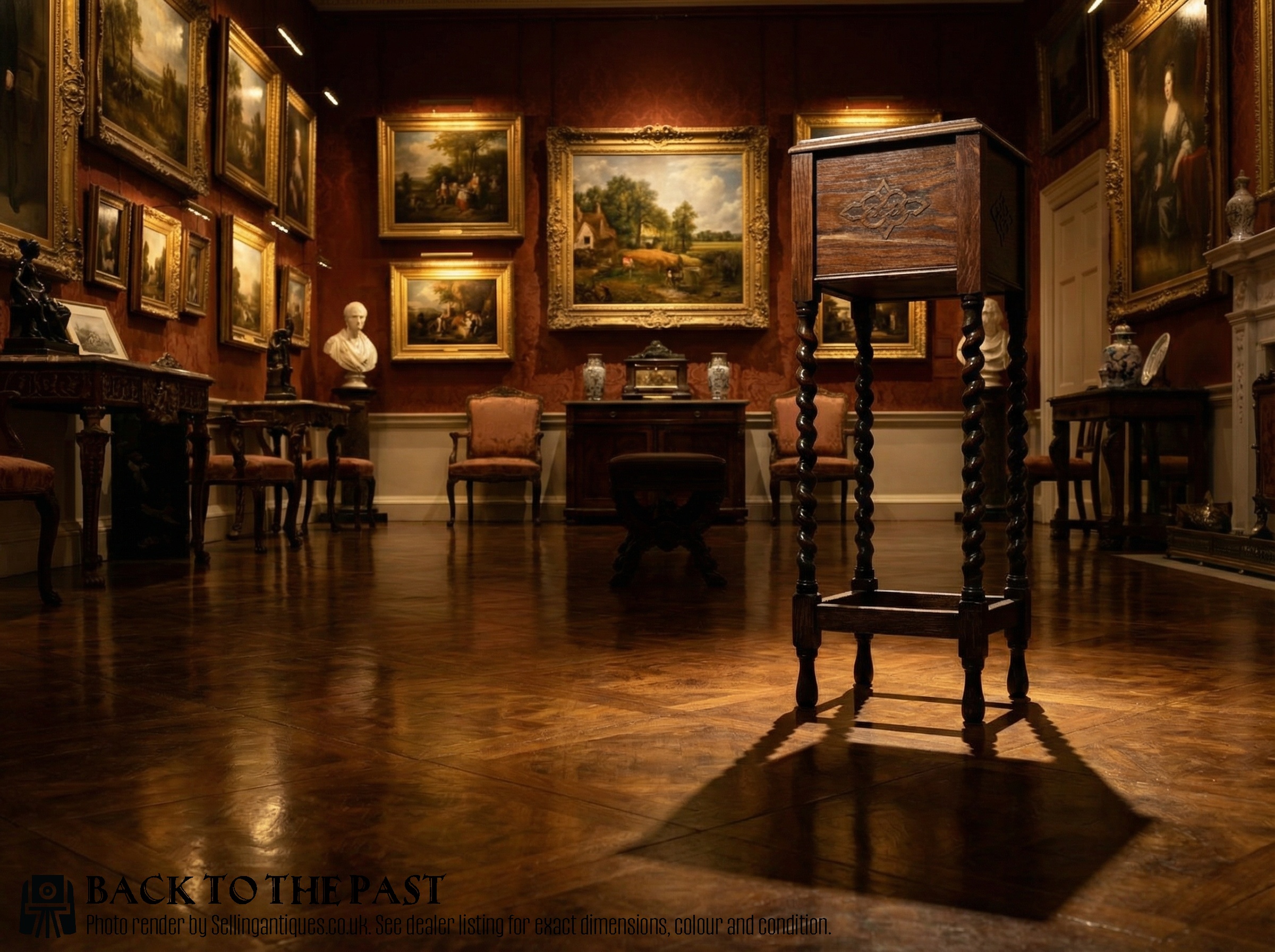
Vintage Wooden Pedestal
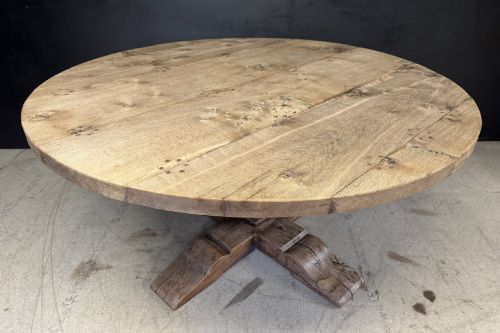
A vintage wooden pedestal spans sturdy plant stands, multi-pillar dining tables and heavy office desks rooted in the nineteenth and early twentieth centuries.
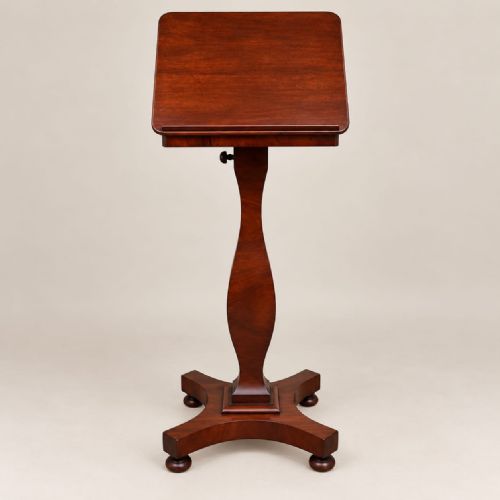
The selections here range from compact Edwardian satinwood plant stands and turned mahogany wine tables to substantial Georgian and Regency extending dining tables supported by multiple columns.
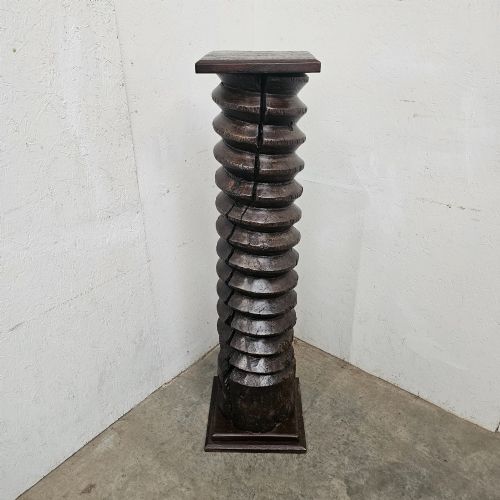
Buyers also encounter oak pedestal desks, walnut display columns and occasional tables shaped by Victorian, Arts and Crafts and Art Deco hands.
Materials and construction methods
Craftsmen built these items primarily from dense hardwoods like mahogany, oak and walnut, occasionally incorporating lighter satinwood or pine.
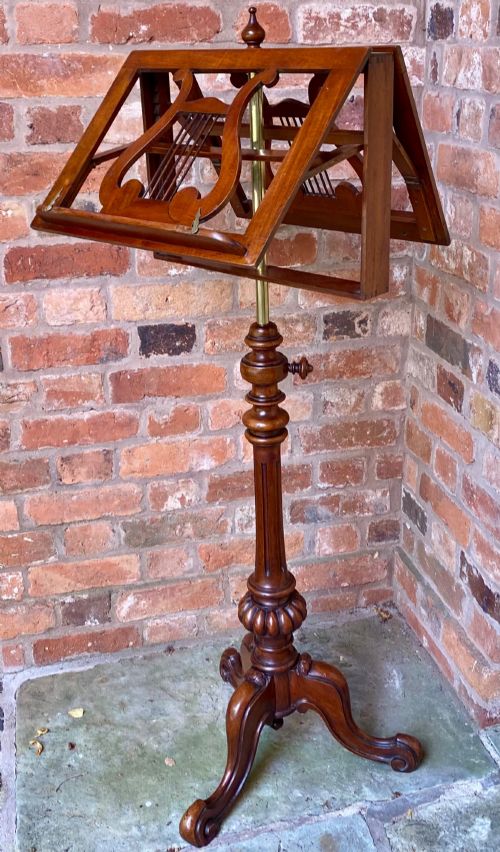
Joinery relies on solid turning for plinths and columns, stable multi-pillar configurations for large dining boards, and hand-carved detailing on capitals and friezes.
Solid tree trunks were hollowed out by hand to form African primitive grain mortars and pestles.
Distinguishing quality across examples
Figure and grain in the timber define the upper tier of tables and desks, where selected mahogany or figured walnut shows depth across large surfaces.
Stability in the central pillar and the proportional harmony between base and top separate standard utilitarian furniture from finer architectural examples.
Denby and Spinks
The Vintage Wooden Pedestal Glossary
- Pedestal
- A structural support or column holding up a table top, desk, or display surface. It often sits upon a tripartite or quadrupartite footed base.
- Plinth
- A heavy rectangular or square block serving as the base for a column or pedestal. This architectural element grounds the upright weight of the object.
- Torchere
- A tall decorative stand or pedestal designed to hold a light or a display item. Originating in earlier centuries, these pieces continued into later revival periods.
- Tilt-top
- A table mechanism allowing the top to hinge vertically for storage when not in use. It locks flat via a traditional brass catch or wooden peg.
- Tambour
- A flexible sliding shutter formed from narrow vertical strips of wood glued to canvas. It operates within tracks on roll-top desks and filing cabinets.
Vintage Wooden Pedestal: Frequently Asked Questions
How do I style a wooden pedestal table at home?
Place a slender plant stand in an unused corner to add vertical height to a room. Alternatively, position a wine table beside an armchair for a practical resting surface.
Keep surrounding items simple so the turned timber column remains the visual focus of the space.
How do I care for antique mahogany and walnut surfaces?
Dust timber regularly with a soft dry cloth to prevent particulate buildup in carved details. Apply occasional traditional wax polish to nourish the grain without sealing the wood.
Keep these items away from direct heat sources and strong sunlight to prevent the timber from splitting or fading.
How can I tell an Edwardian pedestal from a Victorian one?
Victorian pieces often display heavier proportions, darker finishes, and dense carved ornamentation reflecting revival tastes. Edwardian examples frequently show lighter satinwood or mahogany construction with simpler, airier lines.
Examination of the secondary woods inside drawers can also help determine the period of manufacture.