

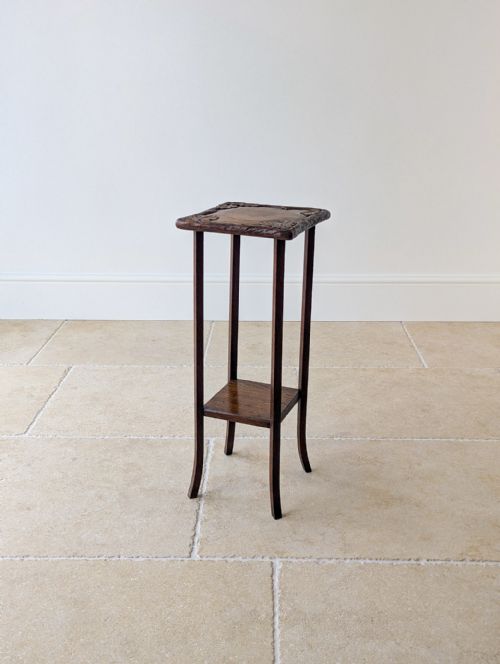

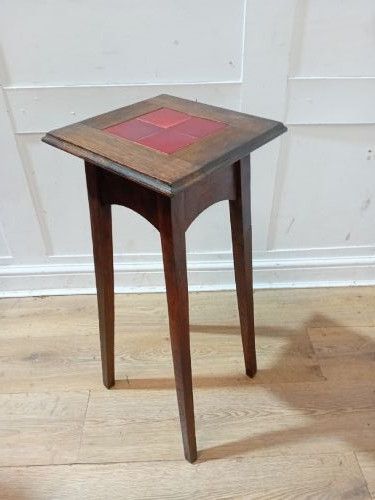


Edwardian Oak Jardiniere
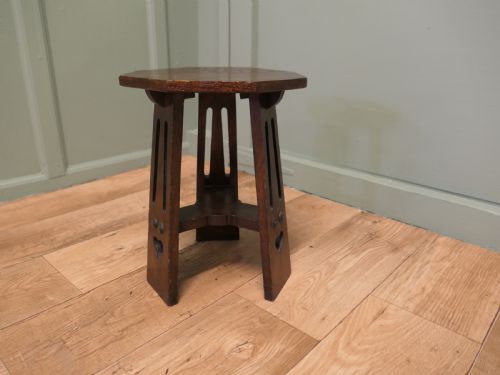
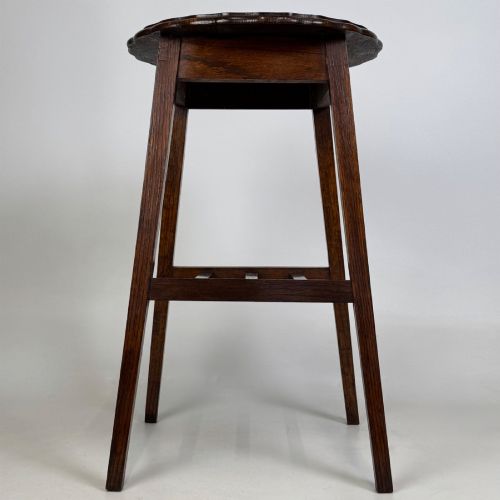
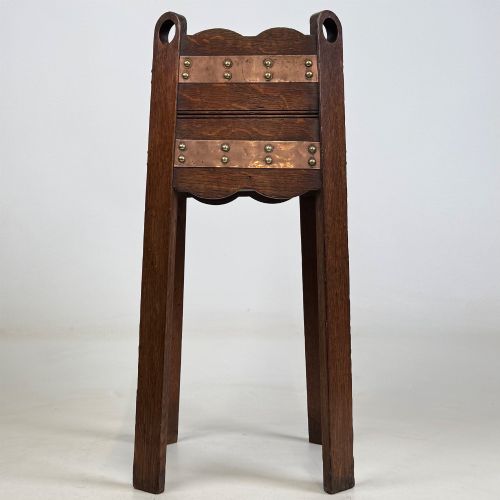
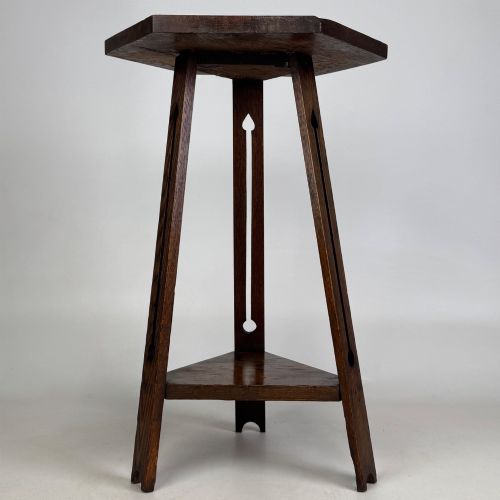
An edwardian oak jardiniere brings solid timber warmth and green foliage together, built to house indoor plants with practical elegance.
Edwardian Oak Jardiniere
When searching for an edwardian oak jardiniere, a buyer looks at plant stands, planters, and jardiniere stands rooted in the Edwardian period and the Arts and Crafts movement. These timber pieces serve as display platforms and waterproof containers for indoor greenery, bridging domestic horticulture with furniture design.
The versions met most frequently on this page combine sturdy oak frames with metal liners, often featuring octagonal tops, two tiers, or coopered barrel construction. Alongside standard plant stands, related occasional tables and side tables appear within the broader selection of forms.
Origins span late nineteenth-century workshops through to the 1920s and 1930s, showing influences from Jacobean Revival and English Country styles. Makers such as Lister and Co produced coopered examples that survive as notable specimens of the genre.
Markers of quality
Quality in an edwardian oak jardiniere rests upon the integrity of the timber selection and the precision of the cooperage or joinery. Tighter stave alignment and robust metal binding distinguish better-constructed planters from simpler forms.
Design ambition separates standard production pieces from finer Arts and Crafts examples, particularly where hand-hammered metalwork or balanced proportions are evident. The presence of maker attribution, such as work by Lister and Co, elevates the historical interest of a stand.
Edwardian Oak Jardiniere Retail Price Guide 2026
Typical asking prices for edwardian oak jardiniere among the pieces listed under this phrase on Sellingantiques today, from the lower quarter to the upper quarter. They describe what is for sale here now, not the wider market.
Listings for this search span the Edwardian period, the nineteenth century, and the 1920s, utilising oak alongside brass, copper, and ceramic.
Lister and Co
The Edwardian Oak Jardiniere Glossary
- Coopered
- Constructed from wooden staves fitted together side by side and bound with metal hoops, much like a traditional barrel. This technique allows vessels to hold plants securely.
- Barley Twist
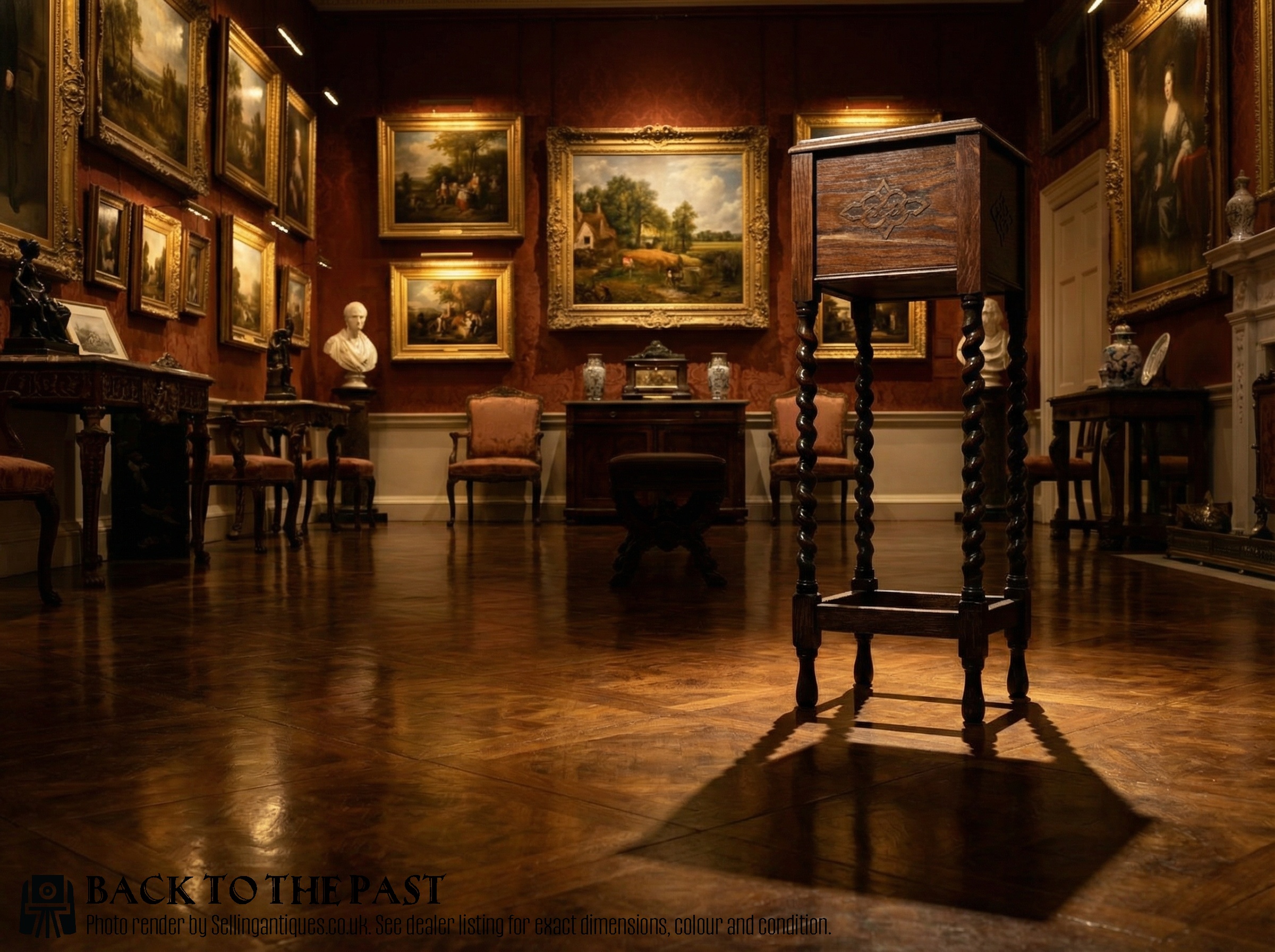
- A turned wood column carved in a spiral shape resembling a twisted ribbon of barley sugar. It appears frequently on the legs of Edwardian plant stands.
- Jardiniere
- A decorative pot or stand designed to hold flowers or growing plants indoors. They often feature metal liners to protect the surrounding wood from moisture.
- Arts and Crafts
- A design movement valuing handcraftsmanship, simple forms, and natural materials over mass production. Many pieces matching this search display characteristics of this aesthetic.
- Two-Tier
- Furniture featuring an upper display surface and a lower shelf joined by legs. This configuration provides extra stability and display space on plant stands.
Edwardian Oak Jardiniere: Frequently Asked Questions
What is an edwardian oak jardiniere?
An edwardian oak jardiniere is a wooden plant stand or planter produced during the Edwardian era, typically combining an oak frame with a metal container for holding indoor greenery.
These pieces range from coopered barrel stands to multi-tiered display tables influenced by the Arts and Crafts movement.
How were these stands used originally?
Victorian and Edwardian households utilised these pieces to bring living plants indoors as part of interior decoration. They placed ferns and flowering pots inside metal liners to display greenery in parlours and halls.
The lower tiers on certain stands also served to hold additional pots or small decorative objects.
How do I identify an Edwardian piece?
Edwardian pieces generally date from the period around 1901 to 1910, showing lighter oak tones and simpler lines than heavy Victorian furniture. Arts and Crafts influences appear frequently through exposed construction and honest use of materials.
Barley twist legs and coopered staves are also characteristic of woodwork from this era.
Are these stands suitable for live plants?
Many planters and jardiniere stands include original or replacement metal liners designed to contain moisture and soil safely. Using a potted plant inside an inner pot prevents water damage to the surrounding oak timber.
Careful watering ensures the coopered staves and wooden frames remain free from prolonged dampness.