


Carved Giltwood Column
A carved giltwood column brings reflective depth and architectural warmth to an interior, whether supporting a light or framing a glass.
Carved Giltwood Column
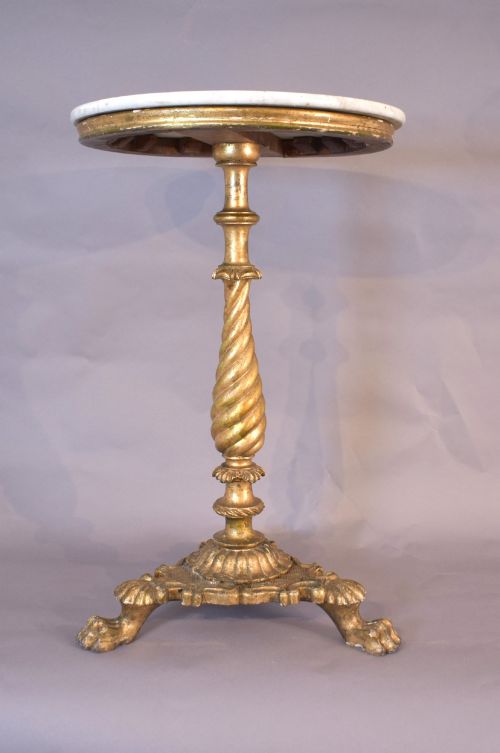
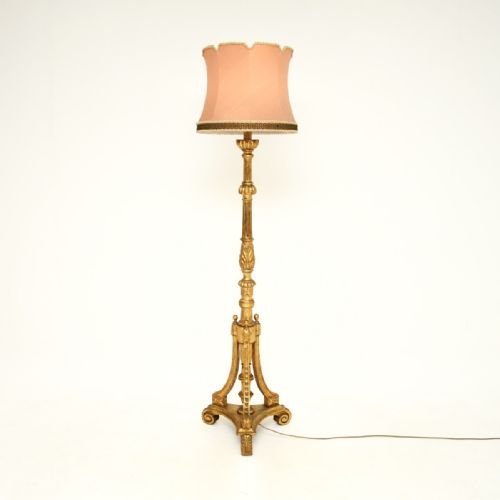
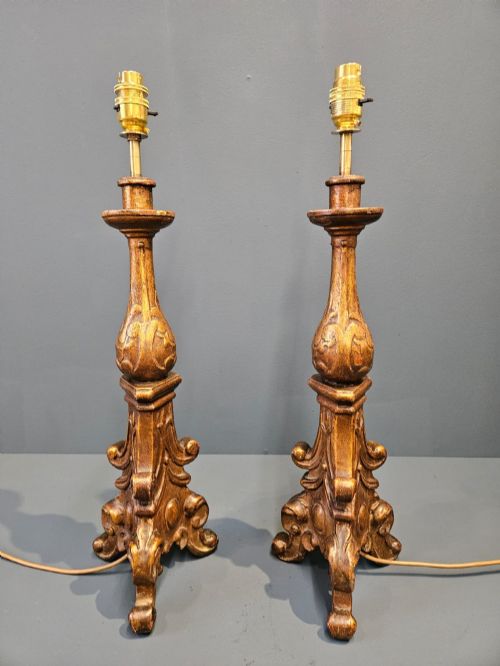
Buyers seeking a carved giltwood column encounter a variety of functional forms, ranging from towering torcheres and pedestals to standard lamps and overmantel mirrors framed by classical columns. These pieces span multiple eras, with nineteenth-century examples appearing alongside eighteenth-century works and later revivals.
The selection leans heavily toward mirrors and floor-standing supports such as torcheres, pedestals, and standard lamps. Many pieces incorporate architectural motifs like Egyptian Revival columns, fluting, and acanthus leaf details executed in wood and gesso.
Materials and construction
Craftsmen shaped these items from timber bases, often applying layers of gesso to build up crisp relief work before finishing the surfaces with gold leaf or water gilding. This layered method allowed carvers to achieve sharp architectural profiles and ornate decorative freezes.
Materials extend beyond plain timber to include ebonised wood, glass plates for mirrors, and inset marble tops on specific pedestals and tables. The integration of giltwood with painted details or contrasting dark woods remains a recurring structural theme.
The listings span the eighteenth, nineteenth, and early twentieth centuries, featuring standard lamps, torcheres, and column-framed overmantel mirrors.
Distinctions in quality
The standard of carving defines the distinction between ordinary items and finer works, particularly where delicate elements like acanthus leaves and fluted columns retain their crisp edges beneath the gold leaf. Deeper hand-carving in the underlying wood separates superior pieces from heavier, gesso-reliant moulding.
The integrity of the original gilding surface governs the visual success of the piece, with water-gilded finishes showing a distinct warmth compared to later metallic paints. Structural stability in taller forms like torcheres and standard lamps also determines the execution level.
The Carved Giltwood Column Glossary
- Giltwood
- Wood coated with gold leaf or gold dust for a decorative metallic finish. This surface treatment defines the primary visual characteristic of these mirrors and torcheres.
- Gesso
- A plaster mixture applied to wood surfaces as a smooth base for carving or gilding. It allows artisans to model intricate relief ornamentation before applying gold leaf.
- Torchere
- A tall ornamental stand designed to hold a light or display an object. These slender wooden supports often feature column-like shafts and gilt decoration.
- Pier glass
- A tall mirror designed to hang on the wall between windows. They frequently incorporate classical column framing and detailed freezes.
- Overmantel mirror
- A large mirror intended for placement above a fireplace mantelpiece. Many examples in this category utilise flanking columns and triptych glass panels.
Carved Giltwood Column: Frequently Asked Questions
Where should I place a giltwood torchere?
These tall stands suit corners of reception rooms or hallways where their vertical lines add architectural interest. They function well displaying lamps, plants, or decorative objects.
Ensure they stand on level flooring to maintain stability given their slender proportions and height.
How do I identify a Regency mirror?
Regency mirrors often display classical architectural elements such as column frames, ball-studded bezels, and crisply carved acanthus leaf details. Their proportions tend to reflect early nineteenth-century neoclassical tastes.
Look for traditional construction methods and period-appropriate gesso application beneath the gold leaf.
Can I use an antique standard lamp daily?
Standard lamps from the nineteenth or early twentieth century adapt well to modern interiors when fitted with appropriate wiring. Their wooden shafts and gilt columns provide sturdy support for contemporary shades.
Position them away from heavy foot traffic to protect the delicate giltwood surfaces from accidental knocks.