
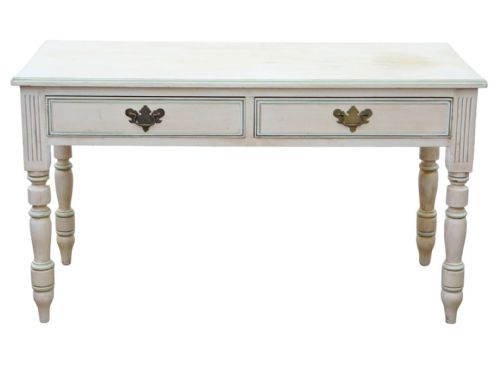


French Pine Kitchen Table
A french pine kitchen table brings enduring utility and provincial character into the heart of the home.
French Pine Kitchen Table
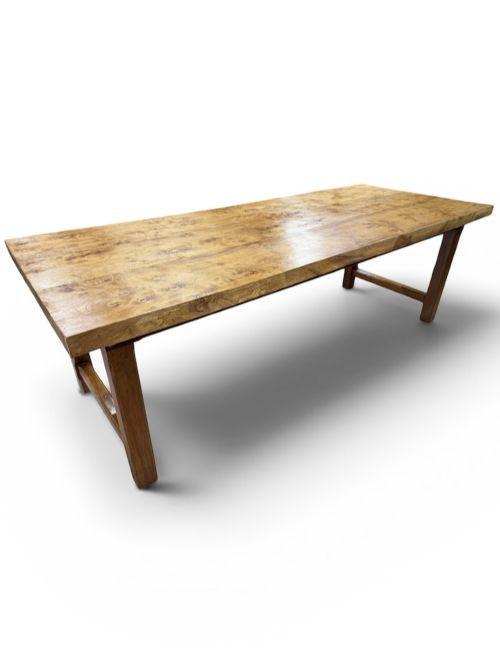
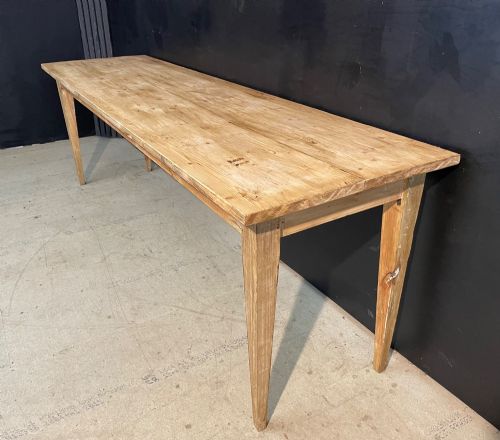
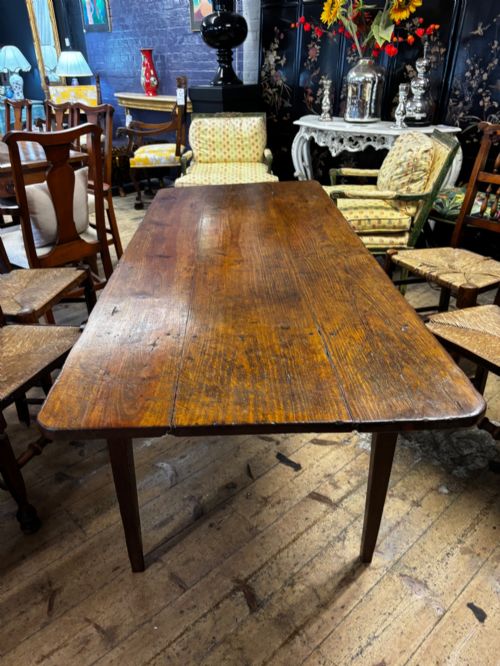
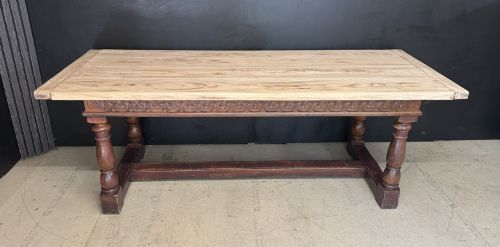
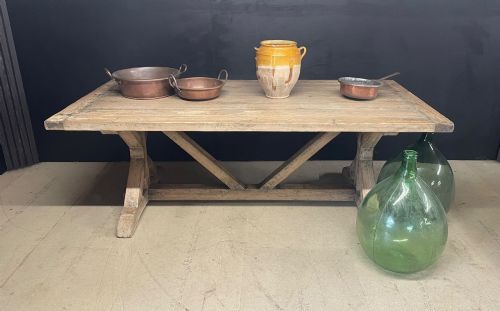
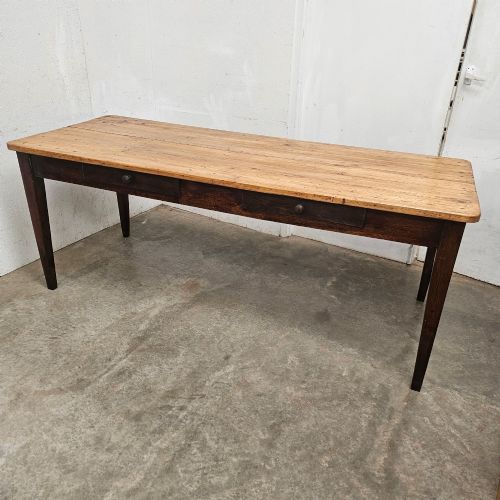
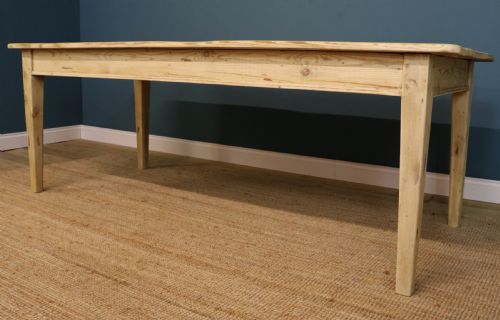
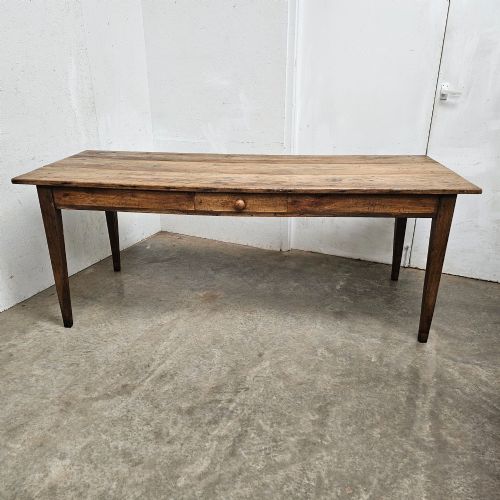
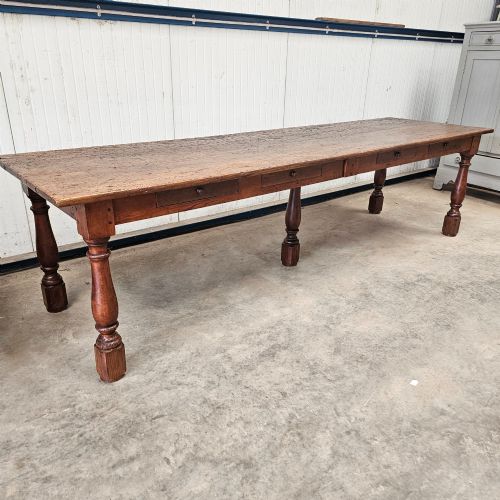
The phrase french pine kitchen table encompasses robust work surfaces originating from rural European households and workshops, dating predominantly from the nineteenth and early twentieth centuries. These pieces appear in various forms, including traditional dining tables, drapers tables, prep tables, and shop counters.
Buyers commonly encounter sturdy rectangular dining formats alongside specialised utility pieces featuring single or multiple drawers. The selection bridges rustic farmhouse styles with refined provincial aesthetics, utilising native softwoods and hardwoods alike.
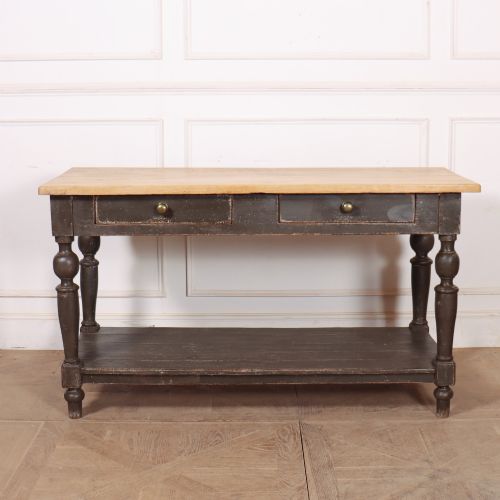
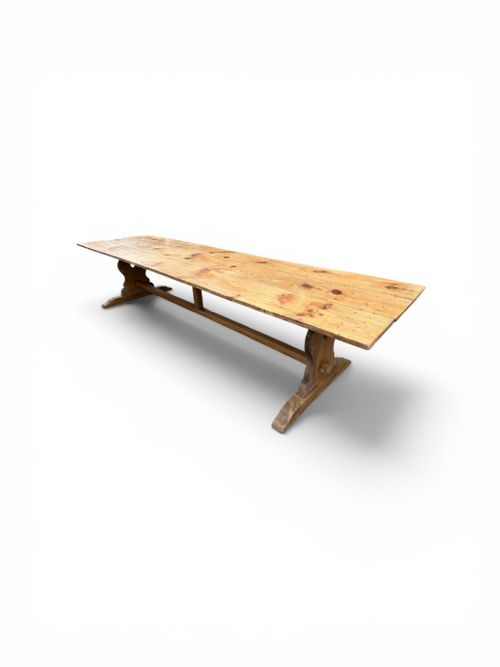
Origins trace across nineteenth-century production years up to the nineteen-twenties, reflecting practical domestic and commercial use. Structural variations range from simple four-legged frames to trestle designs and multi-tiered work tables.
Materials and construction methods
Makers constructed these tables primarily using solid pine, often pairing the timber with oak, fruitwood, chestnut, or poplar for structural strength and contrasting surfaces. Scrubbed or bleached tops demonstrate years of physical preparation and everyday cleaning.
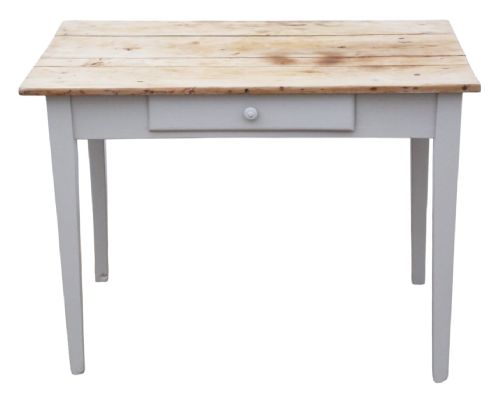
Joinery techniques relied on traditional pegged or mortise-and-tenon methods designed to withstand heavy daily labour. Painted finishes in muted tones appear frequently on bases and aprons, contrasting with natural wood tops.
Some tables retain up to eight storage drawers, suggesting former lives as remarkably organised workspaces for busy nineteenth-century households.
Distinguishing quality in period tables
Quality rests upon the integrity of the timber selection, particularly the thickness and maturity of the pine top and the retention of original structural hardware. Tables combining pine bodies with oak or fruitwood components show deliberate choices for durability.
The presence of functional drawers with original brass fittings and the preservation of untouched painted surfaces elevate individual pieces. Proportion, leg stability, and the degree of honest wear from decades of use determine the standing of each example.
The French Pine Kitchen Table Glossary
- Scrub-top
- A wooden table surface finished without varnish or wax, designed to be repeatedly scrubbed clean with water and abrasive brushes. This method produces a pale, textured grain.
- Drapers table
- A long, utilitarian table originally utilised in mercer shops for folding and measuring cloth. These versions often incorporate deep proportions and multiple drawers.
- Refectory table
- An elongated dining table traditionally built for communal dining halls. Examples in this category offer generous length suited for large gatherings.
- Work table
- A functional domestic or commercial table built for preparation tasks rather than formal dining. They frequently include lower tiers or utility drawers.
- Provincial style
- Design characteristics originating from regional areas outside major metropolitan centres. These pieces prioritize sturdy domestic utility over ornate decoration.
French Pine Kitchen Table: Frequently Asked Questions
How do I care for a scrubbed pine top?
Maintain the dry, pale finish by cleaning spills promptly with a damp cloth and mild soap. Avoid excessive moisture and modern chemical varnishes that alter the historic texture of the wood.
Periodic light sanding or traditional scrubbing can address marks while preserving the antique character built up over generations.
Were these tables used only for dining?
Historical evidence shows these pieces served multiple functions across domestic and commercial spaces, including food preparation, drapers work, and shop counters. Many incorporate drawers for utensils or merchant goods rather than serving solely as dining furniture.
Their robust construction made them adaptable workspaces for entire households and trade environments.
How do I date a nineteenth century pine table?
Examine the construction methods, tool marks on the underside, and the type of hardware used in drawers and framing. Nineteenth-century examples often display hand-sawn timber boards and forged iron or brass elements.
Gradual changes in leg turning styles and the presence of accumulated patination also help narrow down the period of manufacture.
Can I mix these tables with modern chairs?
The rustic forms of these tables pair effectively with contemporary seating or matching benches to create functional dining arrangements. Their neutral wood tones and painted bases adapt readily to varied interior styles.
Consider the clearance height beneath the aprons when pairing the table with chairs featuring armrests.