





Pine Oak Kitchen Table
A pine oak kitchen table anchors the heart of the home, offering the honest utility and robust construction that define country interiors.
Pine Oak Kitchen Table
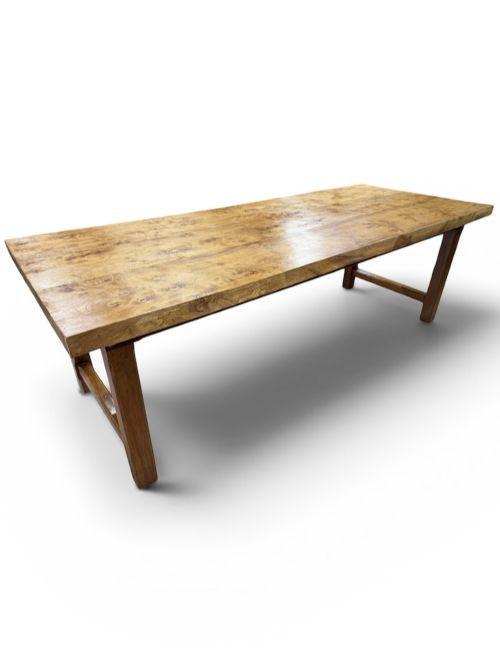
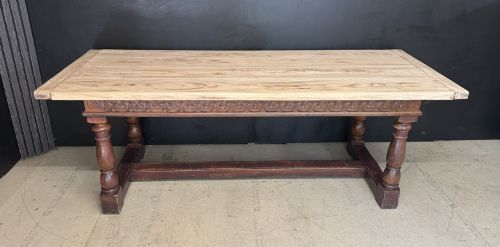
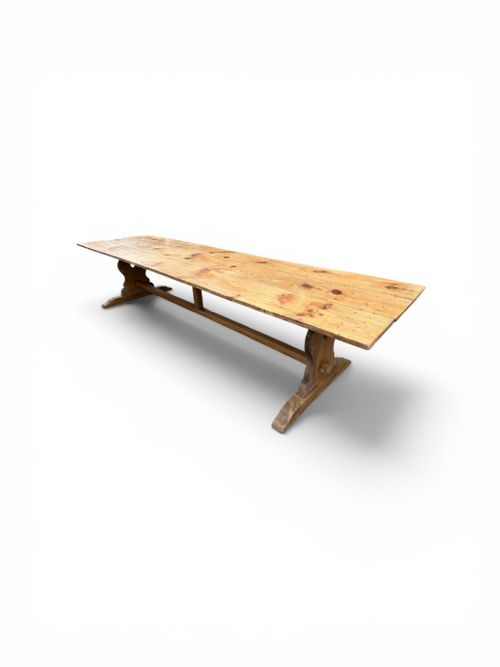
A pine oak kitchen table combines the structural strength of oak with the accessible warmth of pine, creating a surface designed for daily domestic service. Buyers searching for a pine oak kitchen table encounter sturdy dining tables, harvest tables, and refectory forms spanning the eighteenth, nineteenth, and early twentieth centuries.
The pieces on this page span several regional traditions, including English country, French provincial, and Scandinavian country styles. Most examples pair a durable oak top with a pine base, though variations incorporate pitch pine, beech, and hornbeam timbers alongside iron or metal fittings.
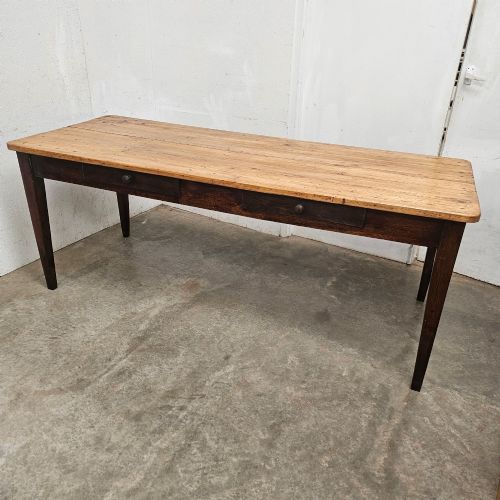
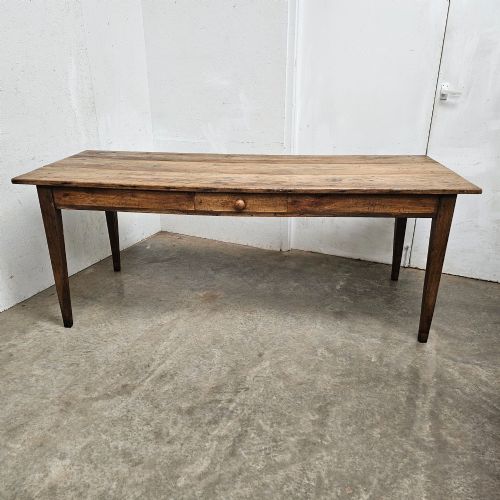
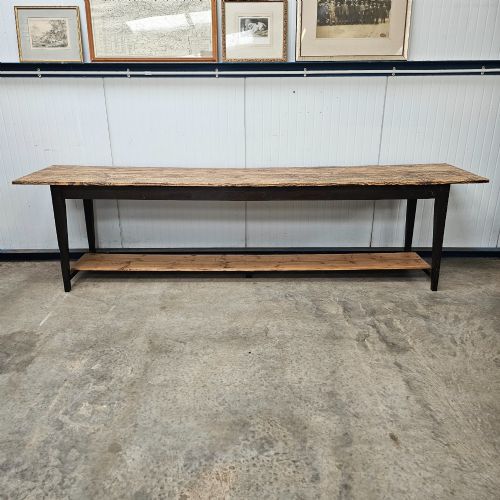
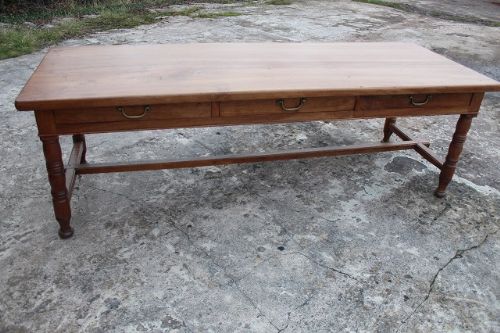
Functional additions distinguish many of these tables, from single or multi-drawer configurations to two-tier harvest designs and butchers block formats. These configurations reflect their original roles in dairies, farmhouses, and taverns where preparation space and storage were equally vital.
Materials and construction methods
Makers utilised solid timbers such as oak for heavy-wearing tops and pine for supporting frames, legs, and drawers. This sensible pairing ensured the surface could withstand constant chopping and dining while keeping the overall structure manageable.
Joinery methods relied on traditional pegging and mortise and tenon techniques, anchoring thick wooden boards across trestles, refectory bases, or four-legged frames. The integration of secondary hardwoods like beech and hornbeam in stress points further reinforced legs and stretchers against daily wear.
Several tables retain drawer spaces once used by busy cooks to stash flour scoops away from inquisitive farmyard mice.
Factors determining quality
The grade of timber and the integrity of the original construction separate everyday utility pieces from finer examples. Superior tables exhibit thick, well-figured oak boards joined cleanly to stable pine underframes without excessive warping or modern timber replacement.
Proportion and regional character dictate desirability, with longer refectory and harvest formats showing greater architectural presence. The survival of original drawers, authentic working hardware, and uncompromised patination on both pine and oak surfaces elevate a piece above standard utilitarian counterparts.
The Pine Oak Kitchen Table Glossary
- Refectory Table
- A long, narrow dining table traditionally used in communal dining halls and large country kitchens. These pieces feature elongated proportions supported by sturdy trestles or set-back legs.
- Harvest Table
- A substantial wooden table designed for seasonal agricultural labour and communal meals. They often incorporate extended lengths and additional lower tiers for storage during busy periods.
- Pitch Pine
- A dense, resinous variety of pine valued for its durability and strong grain pattern. It appears frequently in nineteenth-century preparation and kitchen tables.
- Dresser Base
- A low cabinet or table featuring drawers and sometimes lower shelving used for food preparation and kitchen storage. They form an integral part of the country kitchen furniture tradition.
Pine Oak Kitchen Table: Frequently Asked Questions
How do I clean a wooden kitchen table?
Wipe the surface with a damp cloth and mild soap, avoiding harsh chemicals that strip the natural wax or oil finish. Dry the wood thoroughly immediately after cleaning to prevent moisture damage.
Apply a traditional beeswax periodically to nourish the pine and oak timbers, maintaining their natural resistance to spills and everyday kitchen use.
Can I use these tables for daily dining?
These tables were built specifically for heavy domestic use, making them ideal for everyday family dining and kitchen preparation. Their robust timber construction absorbs the knocks and marks of daily life without losing structural integrity.
Using placemats and coasters helps protect antique timber from excessive heat and moisture while allowing the character of the wood to develop naturally over time.
How do I date an antique wooden table?
Examine the construction methods, tool marks, and fastener types visible beneath the top and within the frame. Hand-cut joints and timber movement patterns often point toward specific centuries of manufacture.
Compare the style, timber species, and regional characteristics against documented examples from periods such as the Georgian or Victorian eras to narrow down the decade.
Why do pine and oak feature together?
Makers paired oak and pine to balance durability with practicality in busy domestic spaces. Oak provided a hardwearing surface capable of resisting heavy chopping and daily friction.
Pine offered a lighter, more abundant timber for frames, aprons, and drawers, reducing the overall weight and cost of the finished furniture while maintaining stability.