


French Patinated Bronze Statue
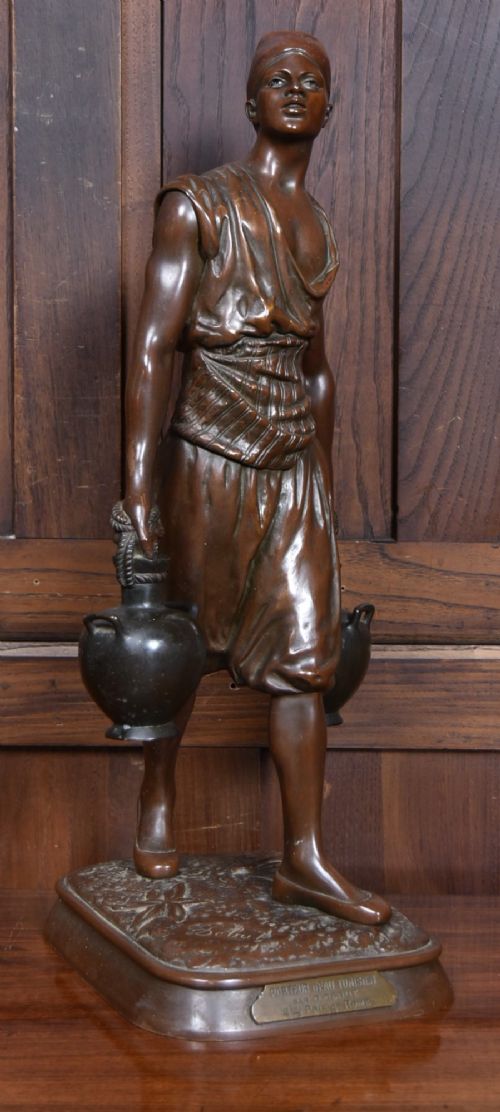
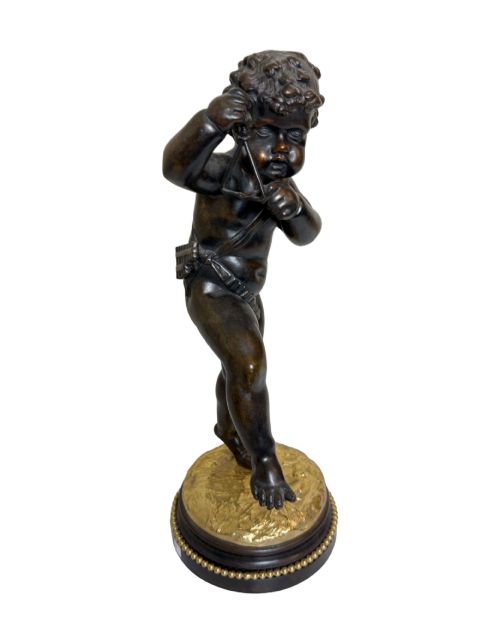
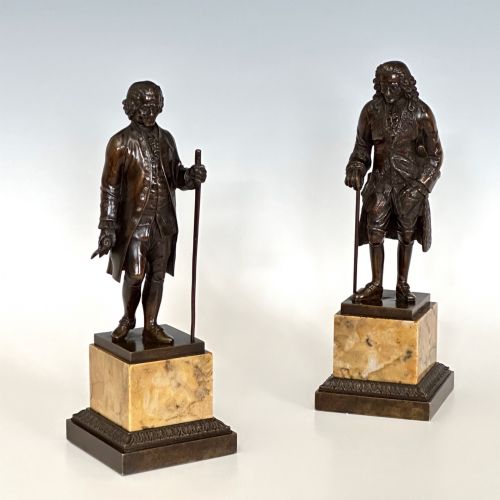
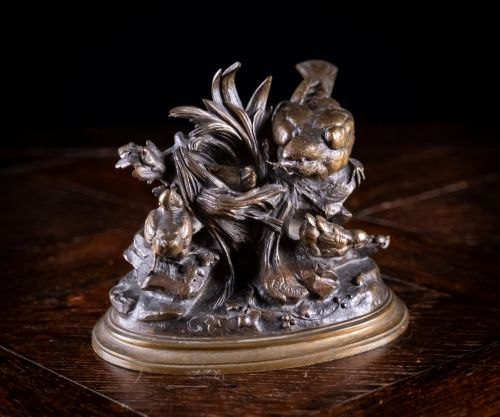
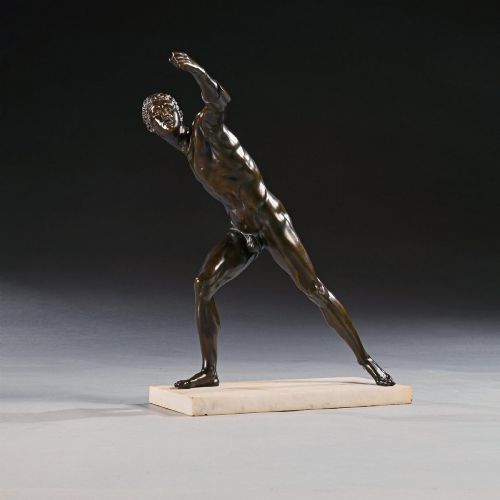
A french patinated bronze statue brings nineteenth and twentieth century foundry work into a room through classical figures, animals and allegorical subjects.
French Patinated Bronze Statue
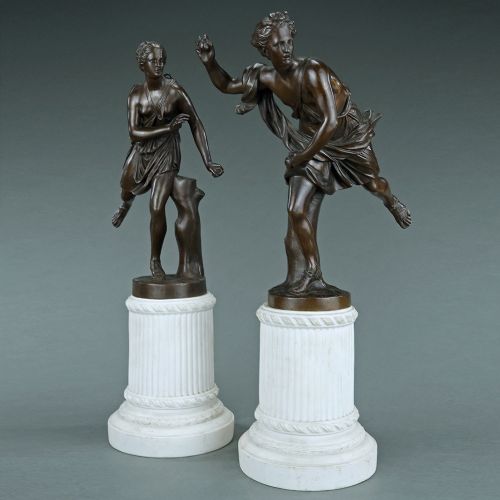
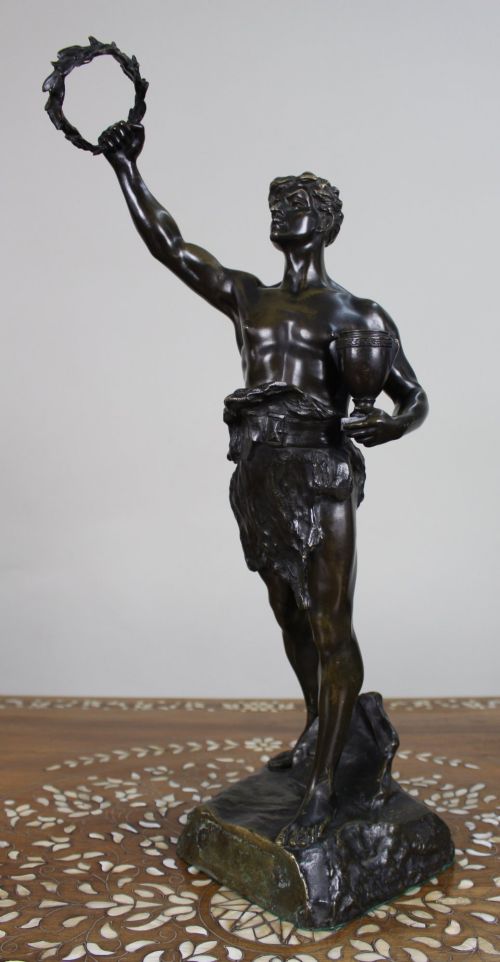
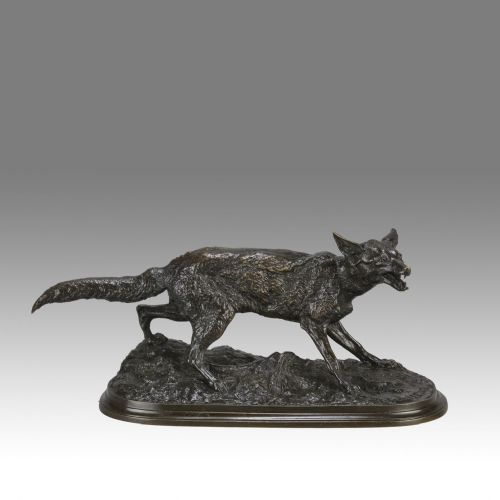
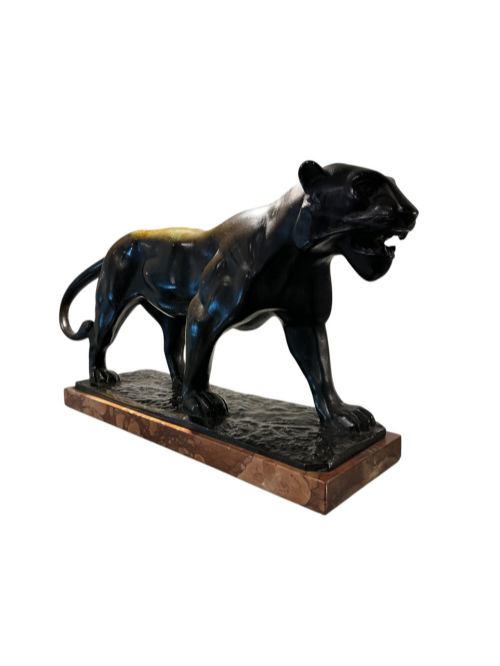
A french patinated bronze statue represents sculptural works cast in bronze and treated with chemical or thermal surfaces to produce dark, golden, or nuanced finishes. These pieces range from mythological figures and classical heroes to animalier studies of wildlife and domestic animals. Buyers encounter sculptures originating from the nineteenth century through the art nouveau and art deco periods.
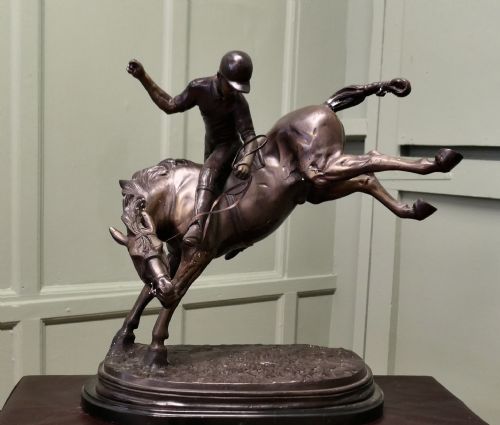
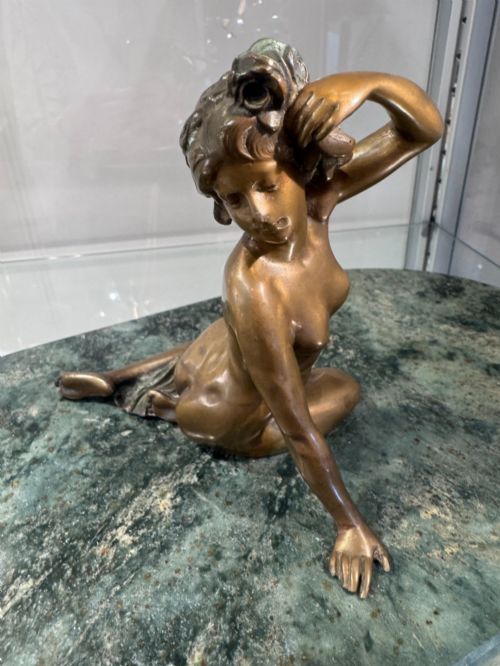
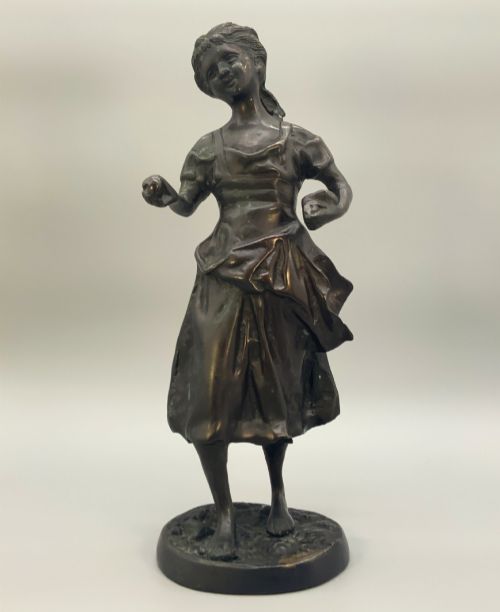
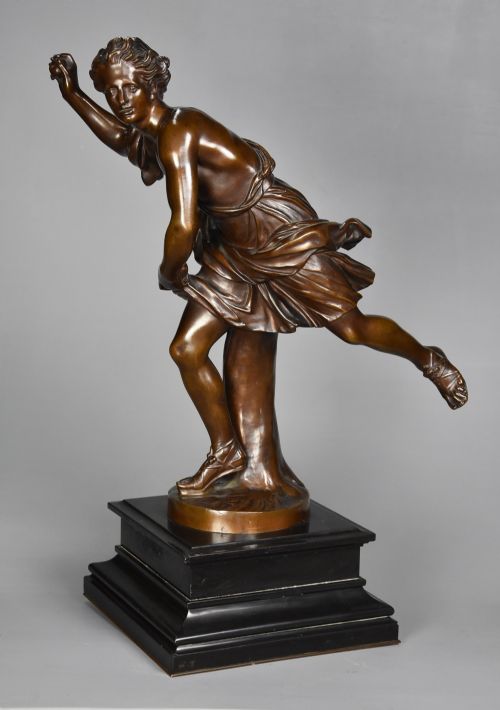
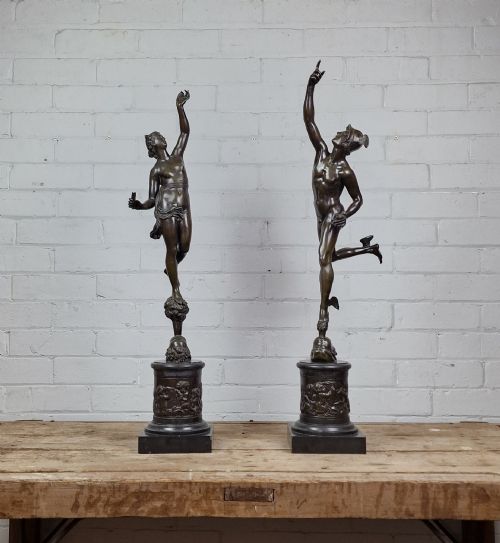
The selections span figures mounted on marble, onyx, slate, and ebonised wood bases alongside standalone casts. Makers rendered subjects such as cherubs, classical maidens, gladiators, and racing horses with detailed chasing and surface work. Many pieces reflect foundational styles including neoclassical, rococo revival, and orientalist traditions.
Foundry outputs include both monumental scale groups and cabinet bronzes designed for tabletop display. The inventory reflects varied interpretations of human anatomy and animal behaviour modeled by renowned sculptors of the period.
How they were made
Foundries utilised the lost wax casting method or sand casting techniques to reproduce intricate models in molten bronze. Craftsmen then employed chisels and files during the chasing process to sharpen details in hair, drapery, and musculature.
The distinctive surface colouration relies on chemical patination applied to the metal, followed by waxing to seal the finish. Many figures were permanently mounted to heavy plinths made of marble, slate, or polished stone to provide structural stability.
Several bronzes capture surprisingly domestic moments, including a seated French bulldog and cheerful monkeys managing market baskets.
What varies in quality
The depth and durability of the patination layer contribute to the visual presence of the metal surface. Superior mountings utilising heavy, high-grade marble or slate bases provide balance and proportion that complement the bronze sculpture.
Ferdinand Barbedienne·P J Mêne·Emmanuel Villanis·Antoine Louis Barye·Émile Louis Picault·Christophe Fratin·Emile Carlier·Mathurin Moreau
The French Patinated Bronze Statue Glossary
- Patinated bronze
- Bronze that has been treated with acids or heat to alter the surface colour from raw metallic golden brown to deeper tones. This chemical finish protects the metal and defines the sculptural contours.
- Animalier
- A nineteenth-century artistic movement dedicated to the realistic depiction of animals, particularly horses, dogs, and wild beasts. Sculptors working in this genre studied anatomy through direct observation in menageries.
- Chasing
- The manual finishing process where artisans use small punches and hammers to refine the surface of a raw bronze casting. This step removes foundry flaws and restores crispness to fine details.
- Lost wax casting
- A traditional method of creating metal sculptures from an original model encased in wax and refractory material. Molten bronze replaces the melted wax inside the mould to form the hollow or solid figure.
- Cire perdue
- The French term for the lost wax casting technique utilised extensively by European foundries. This method allows for complex undercuts and fine sculptural detail.
French Patinated Bronze Statue: Frequently Asked Questions
What is patinated bronze?
Patinated bronze is metal treated with chemical solutions or heat to create a stable surface colour rather than leaving the alloy bright. The process enhances shadows and highlights across the sculptural details.
Over time, handling and environment can subtlely deepen these tones on older sculptures.
How do I identify animalier bronzes?
Animalier bronzes focus specifically on naturalistic representations of animals in motion or repose. Look for close attention to muscle tension and realistic behavioural postures.
These pieces were especially popular in nineteenth-century French foundry production.
Why are some figures mounted on marble?
Foundries mounted bronzes on marble, slate, or onyx bases to add weight, stability, and aesthetic contrast to the dark metal. Heavier bases supported the cantilevered balance of figures in dynamic motion.
Many art deco and art nouveau pieces utilise these stone plinths as an integral design element.
What distinguishes signed casts?
Signed casts bear the name or cipher of the sculptor or foundry stamped directly into the bronze during the casting or chasing phase. These signatures indicate commercial production by established workshops.
Signatures help attribute figures to specific artists active during the nineteenth and early twentieth centuries.