

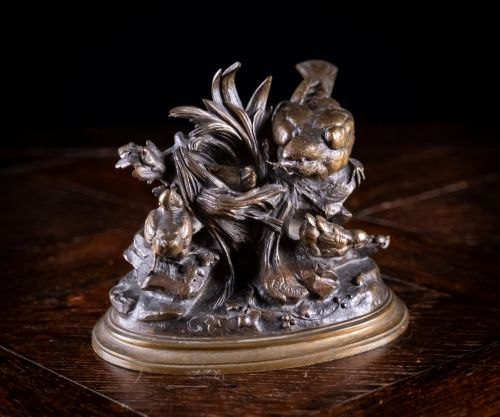
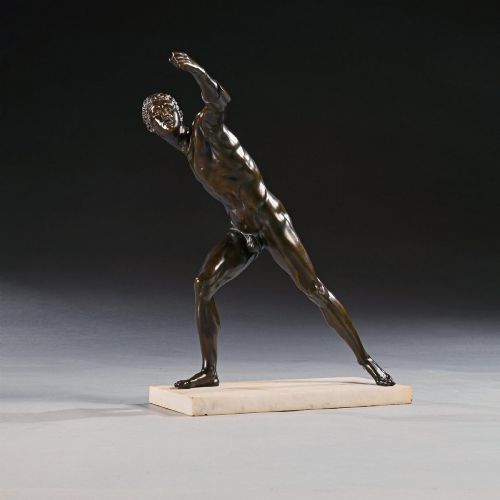
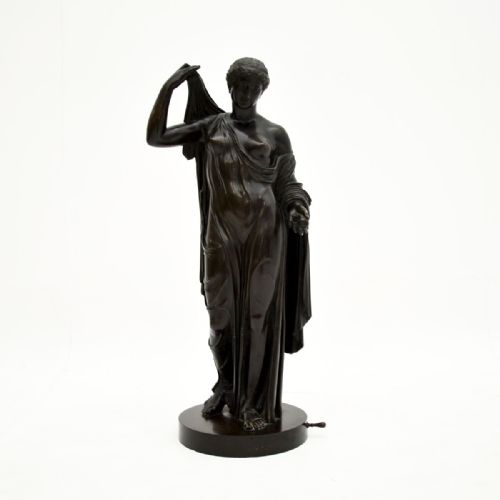
French Patinated Bronze Figure
When you examine a french patinated bronze figure, you encounter cast metal sculpture shaped by European foundries across the nineteenth and twentieth centuries.
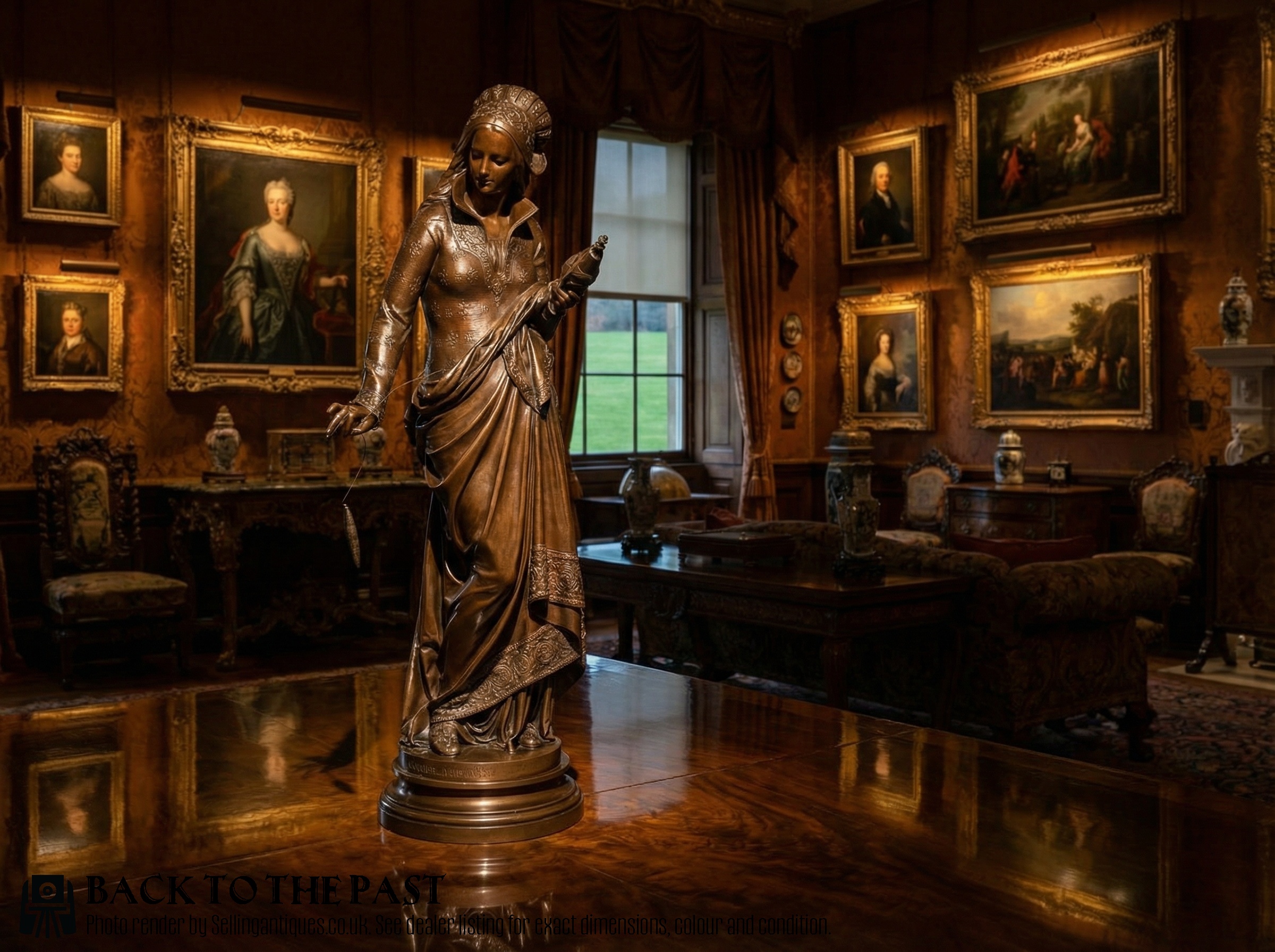
French Patinated Bronze Figure
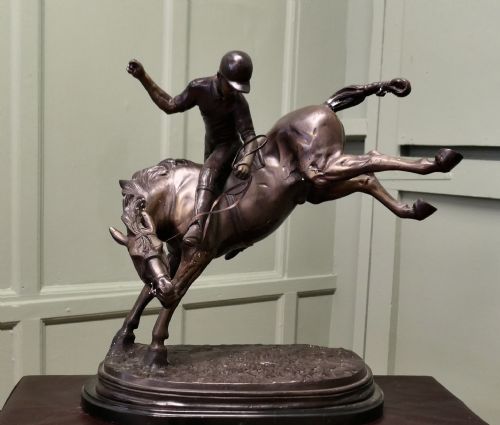
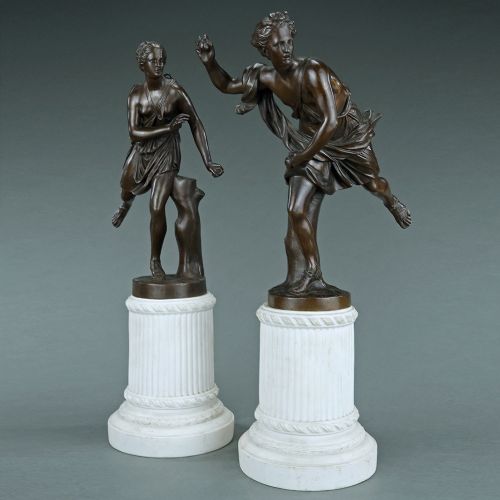
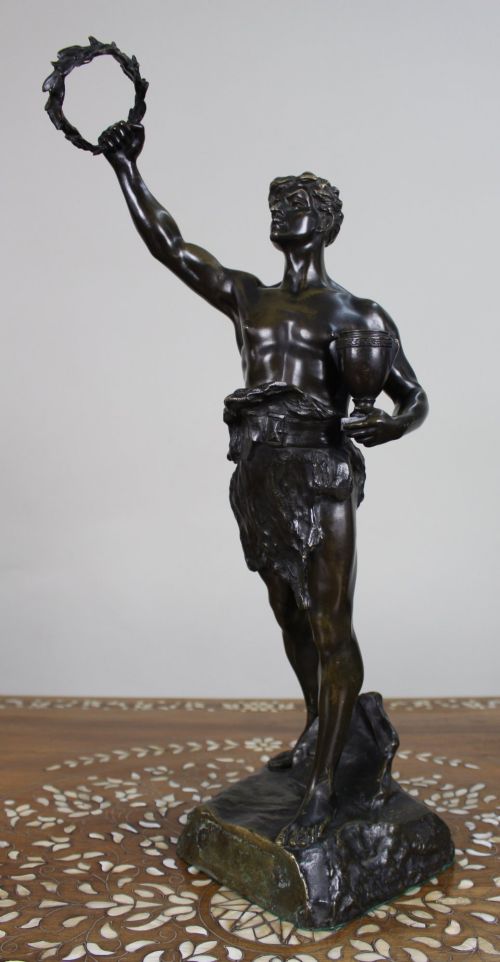
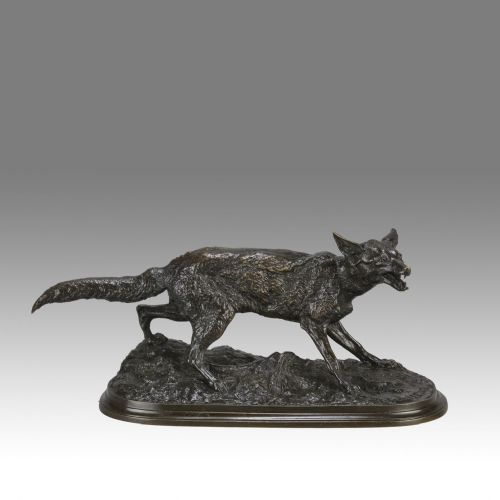
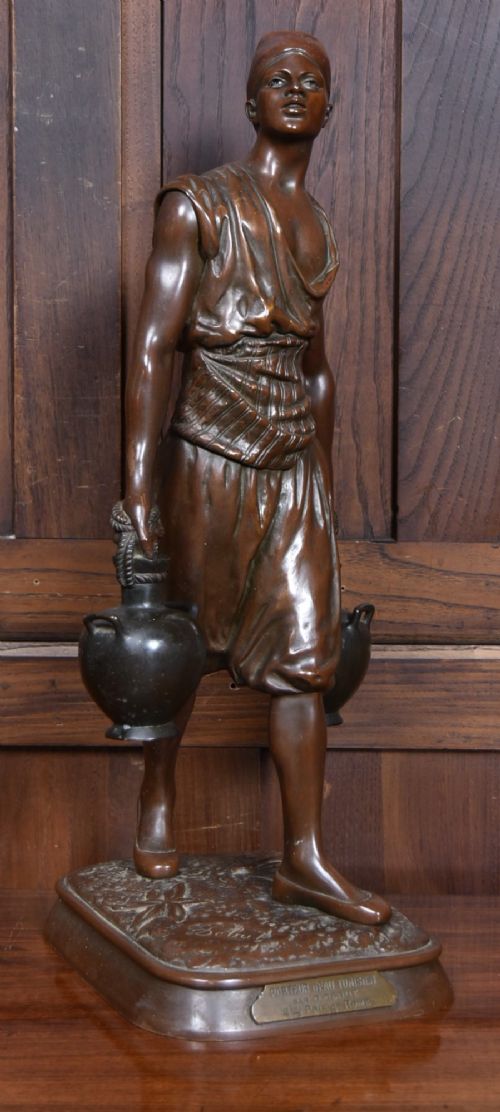
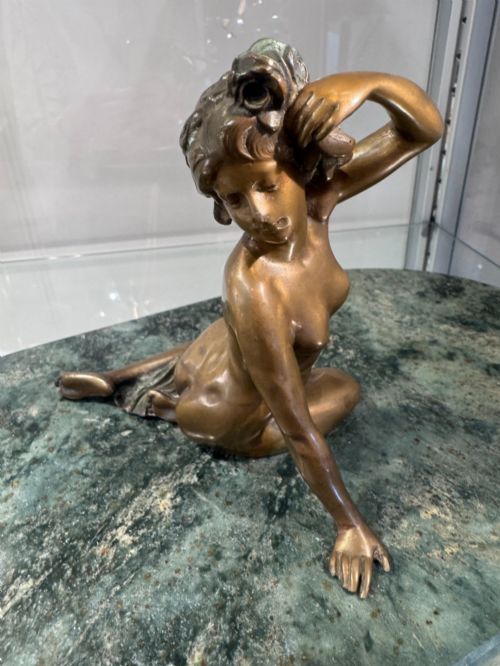
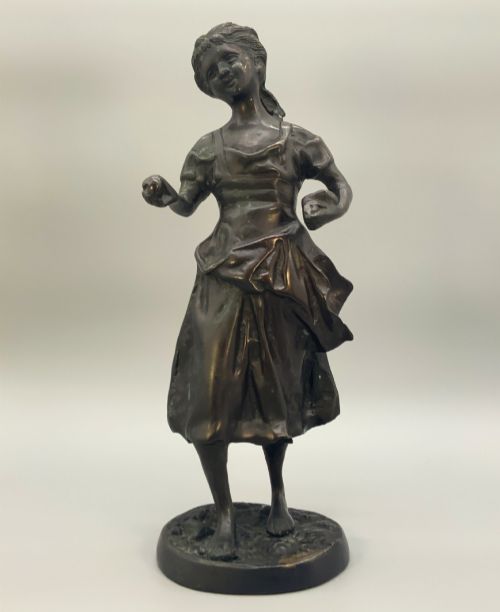
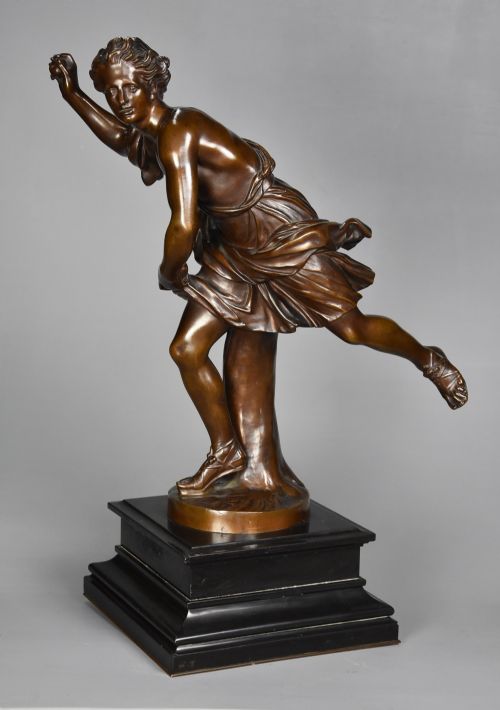
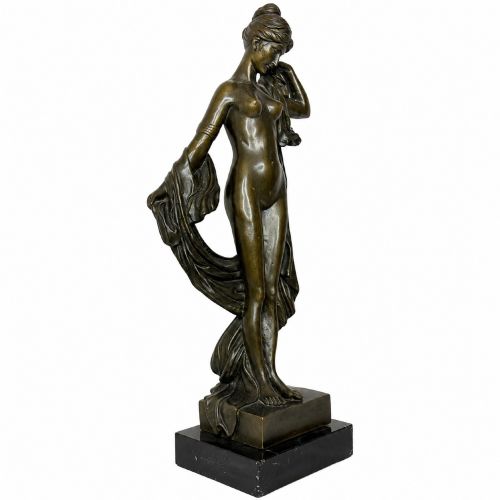
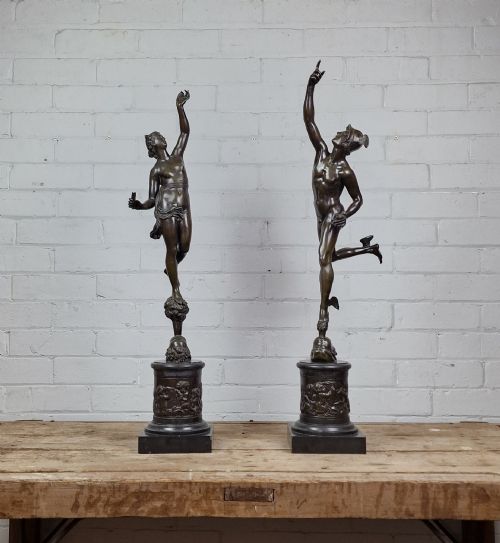
A french patinated bronze figure comprises cast metal sculptures and statuettes originating from periods spanning the nineteenth century through the art deco era. These pieces frequently depict mythological subjects, classical deities, historical figures, human figures, and animalier studies. Makers produced works in various dimensions, from cabinet statuary to large scale gallery pieces.
You will regularly encounter examples bearing signatures of prominent founders and sculptors from the eighteen-eighties onward. Many figures incorporate subsidiary materials such as marble bases or ebonised wood mounts to elevate the composition. The overarching aesthetic moves fluidly from neoclassical severity to organic art nouveau curves and streamlined art deco forms.
Materials and casting methods
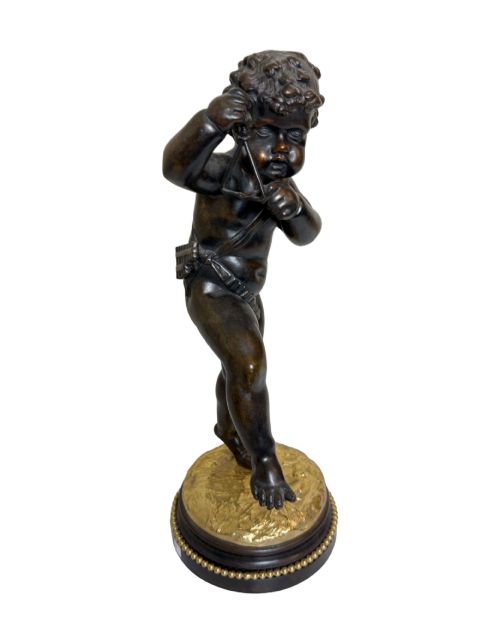
Foundries utilised bronze alloys poured into custom moulds to achieve intricate detail in hair, drapery, and musculature. Artisans applied chemical patination treatments directly to the metal surface to produce deep brown, green, or near black coloration. Ormolu highlights and gilt bronze accents occasionally supplemented the dark patinated skin of the cast.
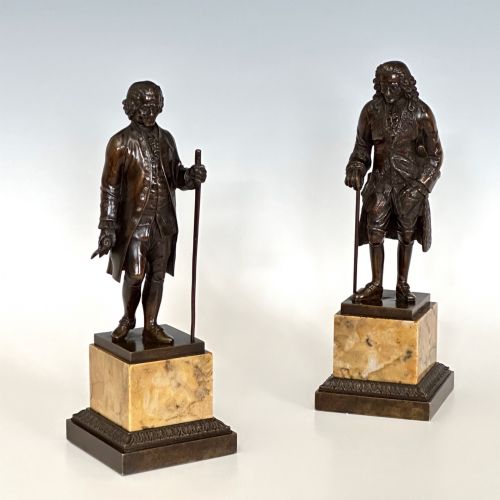
Base elements frequently integrated contrasting media such as carved marble, ebonised wood, or carved timber plinths to support heavier sculptures. Subsidiary elements like candelabra arms or musical instruments were cast separately and mechanically joined to the primary figure.
The listings span the nineteenth and twentieth centuries, incorporating neoclassical, art nouveau, and art deco stylistic movements.
Distinctions in execution
The complexity and depth of the chemical patina separate standard commercial items from master foundry output. Subtle gradations in colour and careful hand finishing indicate higher workshop standards.
Barbedienne·P J Mêne·Émile Louis Picault·Emmanuel Villanis·Antoine Louis Barye
The French Patinated Bronze Figure Glossary
- Patina
- The surface coloration and chemical film developed naturally over time or applied intentionally by the founder during production. This finish protects the underlying metal while defining the visual tone.
- Animalier
- A nineteenth century artistic genre focusing on realistic and dynamic portrayals of animals in naturalistic settings. Sculptors in this tradition studied anatomy closely in menagerie environments.
- Ormolu
- Gilt bronze ornamentation created by applying a finely ground high carat gold mercury amalgam to a bronze object and heating it to vaporise the mercury. The technique yields a rich golden surface finish.
- Foundry mark
- A stamp, cipher, or signature impressed into the bronze by the workshop responsible for casting the metal. These stamps help attribute pieces to specific commercial foundries.
French Patinated Bronze Figure: Frequently Asked Questions
What subjects do these figures show?
The sculptures depict a wide array of subjects drawn from classical antiquity, mythology, and everyday life. Common themes include robed ladies, mythological heroes, cherubs, and human figures engaged in labour or leisure.
Animal studies form another major category, capturing dogs, birds, and larger fauna in active poses. Artists also rendered historical personalities and allegorical concepts such as spring or victory.
How were they displayed originally?
These bronze works served primarily as interior decorative art placed upon mantelpieces, pedestals, and library tables. Larger scale figures stood independently on floors or dedicated stone plinths within grand rooms.
Many smaller statuettes and figural groups functioned as garniture sets alongside clocks or candelabra. Bases made of marble or ebonised wood provided stability and visual weight to the display.
How do I identify the foundry?
Inspect the lower margins and edges of the bronze base for stamped foundry seals or cast signatures. Workshops often inscribed the artist name alongside commercial founder marks to authenticate the edition.
Casting quality and the method of joining separate components offer further clues to the producing workshop. Comparing the signature style against known foundry records helps confirm attribution.
How should I care for bronze?
Maintain the surface by dusting the metal gently with a soft dry cloth to prevent particulate accumulation. Avoid chemical cleaners and abrasive polishes that strip away the applied chemical patina.
Keep figures away from direct heat sources and excessive moisture to preserve the underlying alloy and stone bases. Occasional application of microcrystalline wax can protect the metal finish.