
French Parquetry Side Table
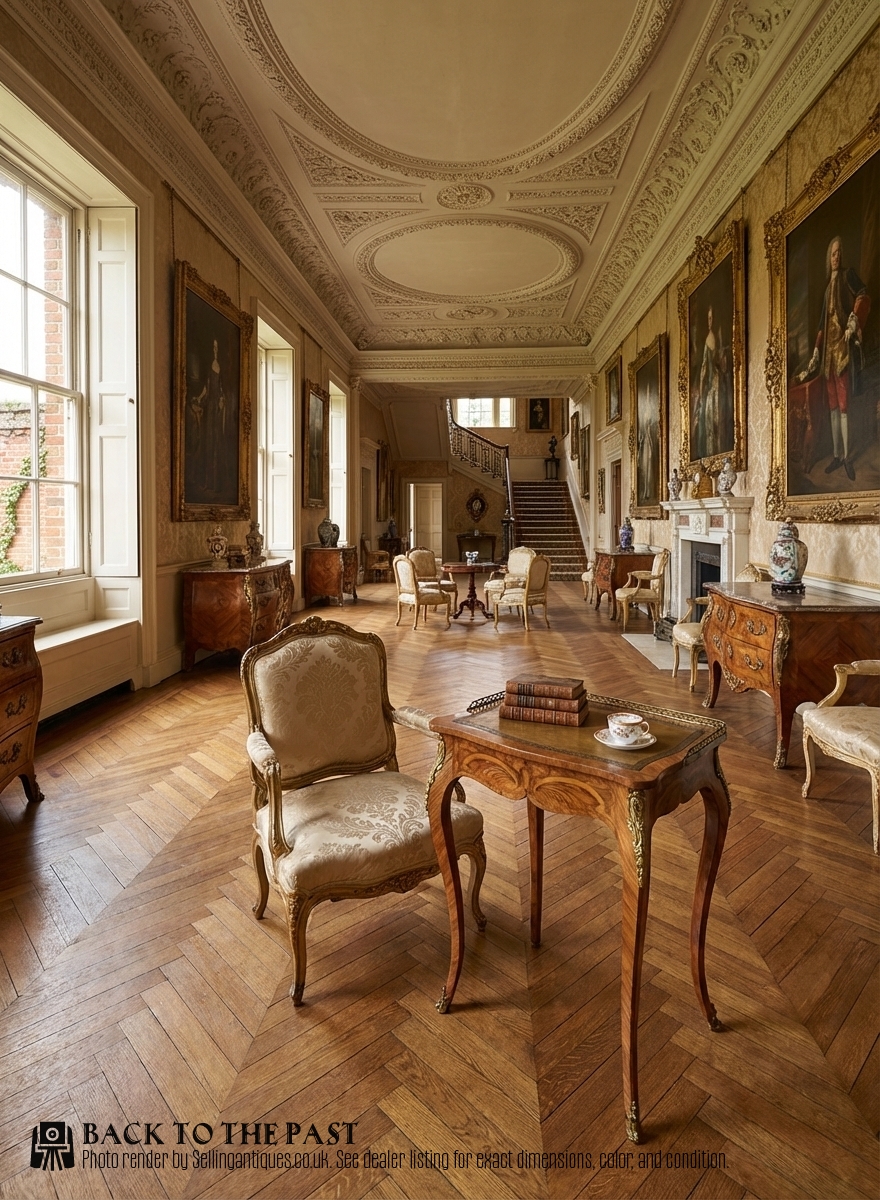
When you select a french parquetry side table, you introduce a functional piece of continental heritage defined by precise geometric wood veneers.
French Parquetry Side Table
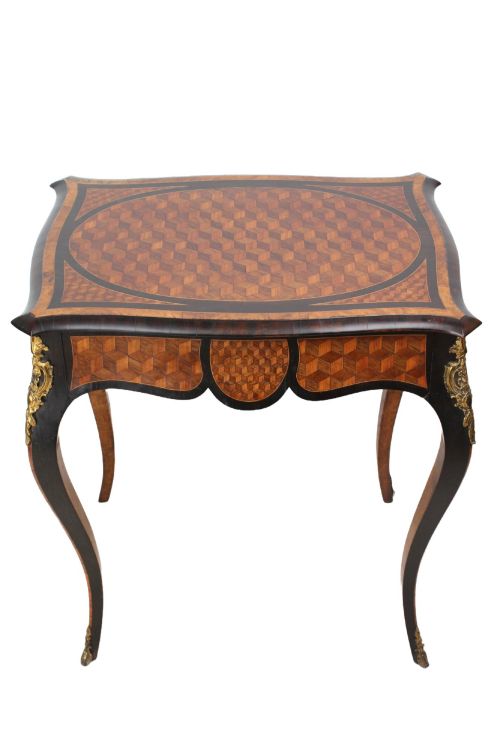
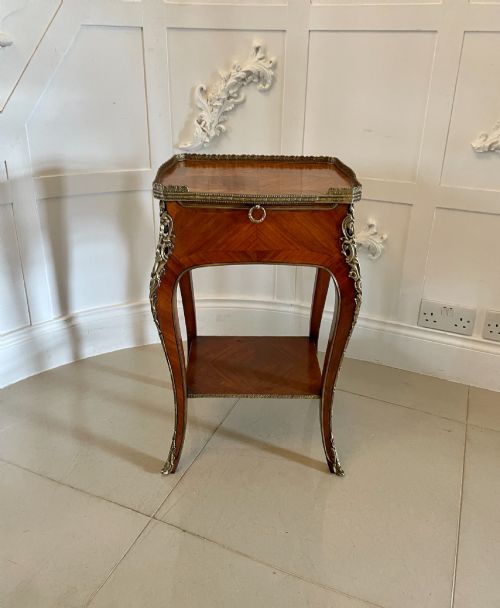
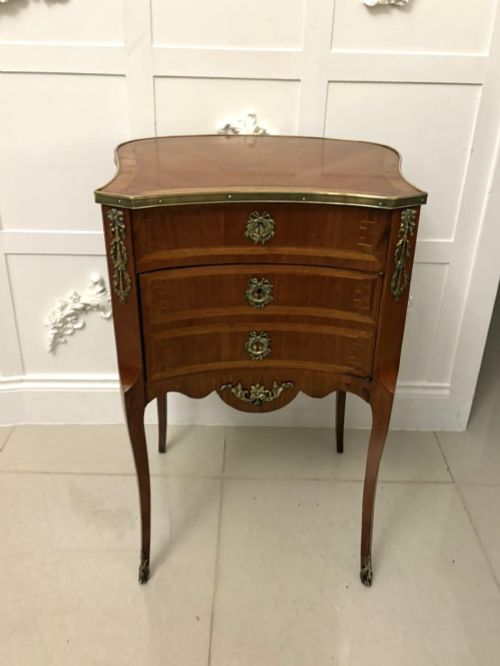
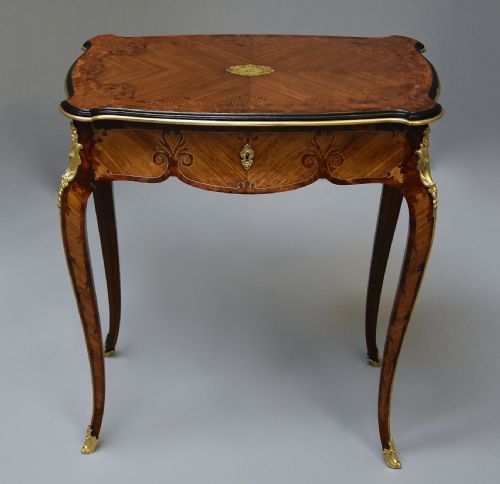
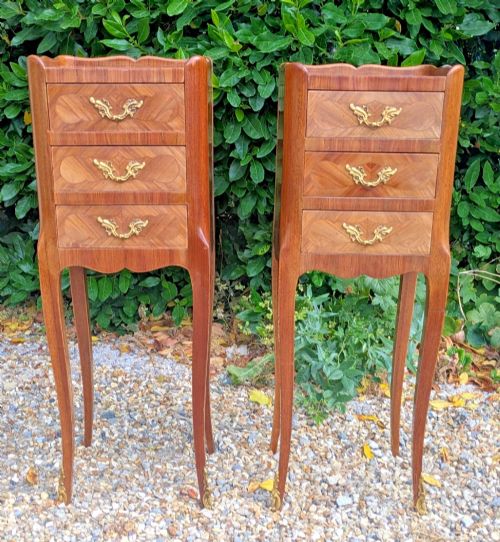
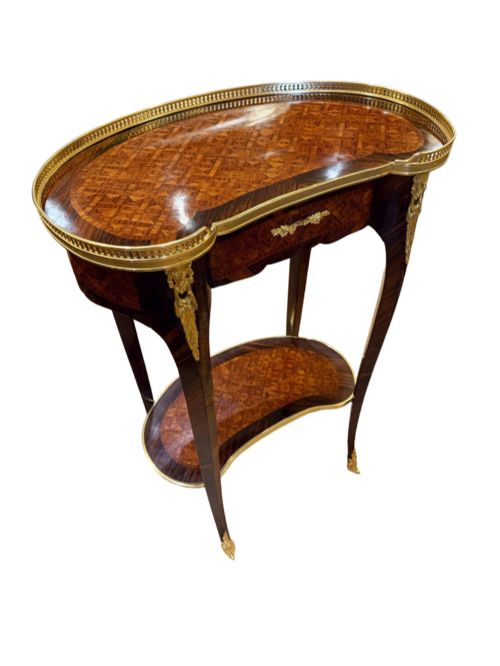
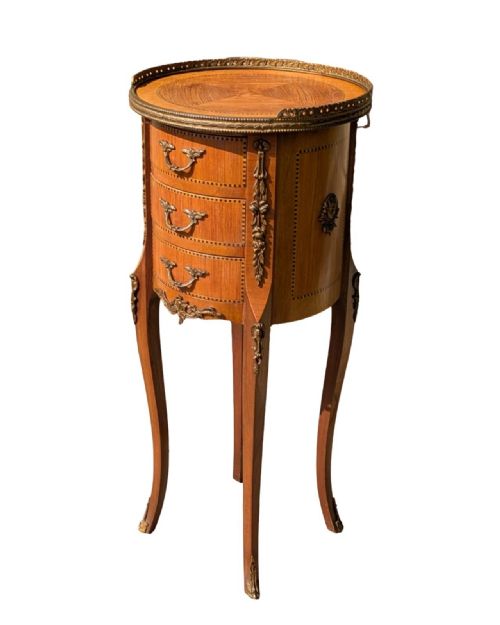
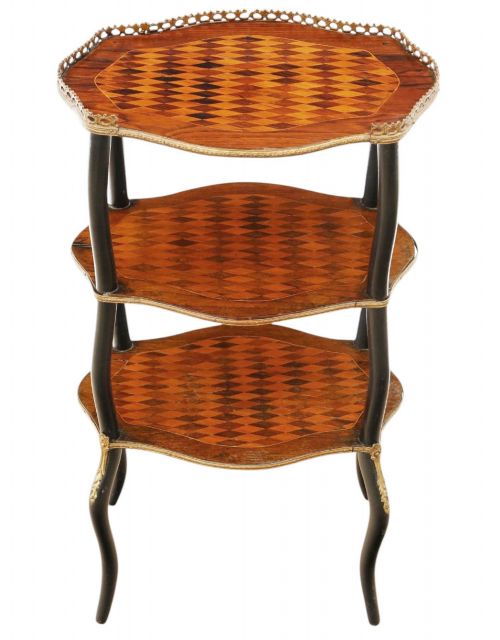
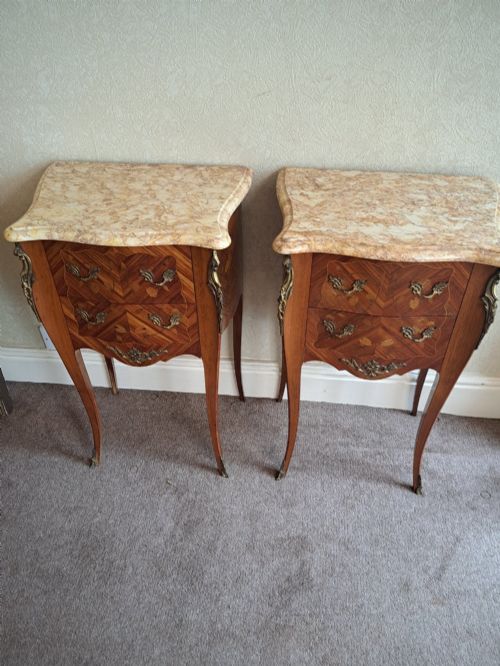
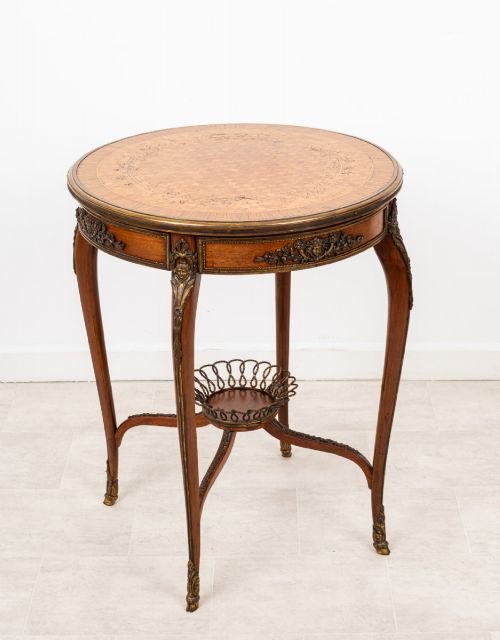
A french parquetry side table encompasses a range of smaller occasional furniture, frequently appearing as bedside cabinets, lamp tables, and kidney-shaped or oval occasional stands originating from the nineteenth and early twentieth centuries.
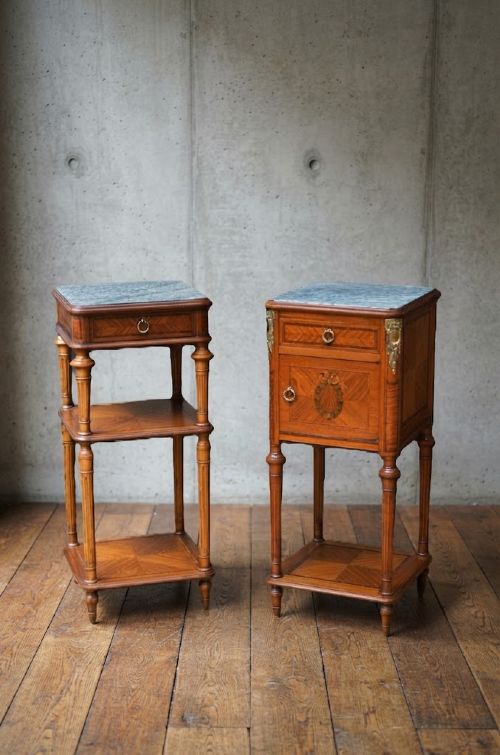
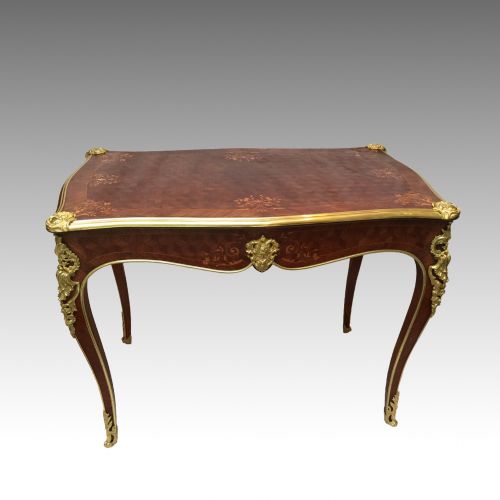
Makers designed these items to serve domestic spaces as freestanding tables, small desks, and tiered display stands, often featuring marble tops or folding leaves.
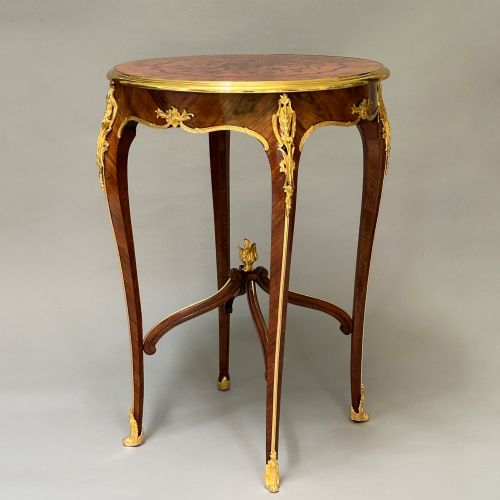
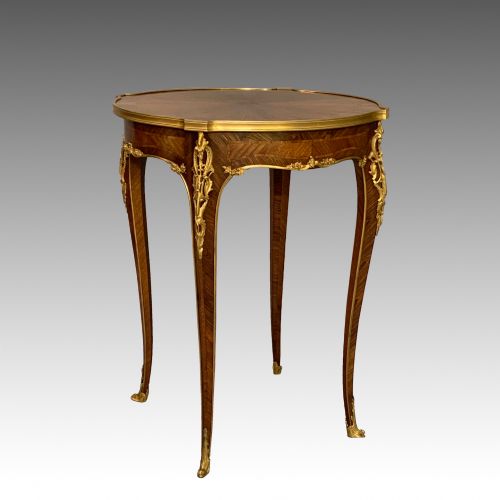
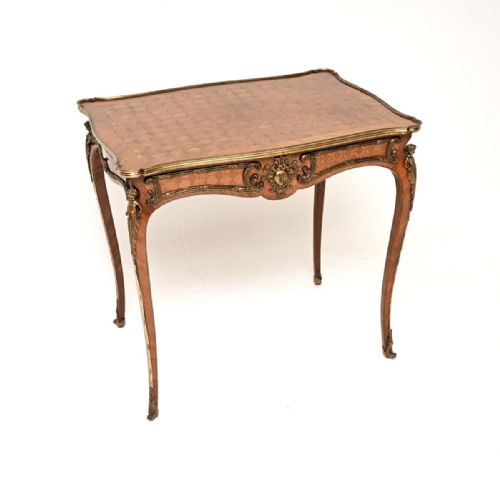
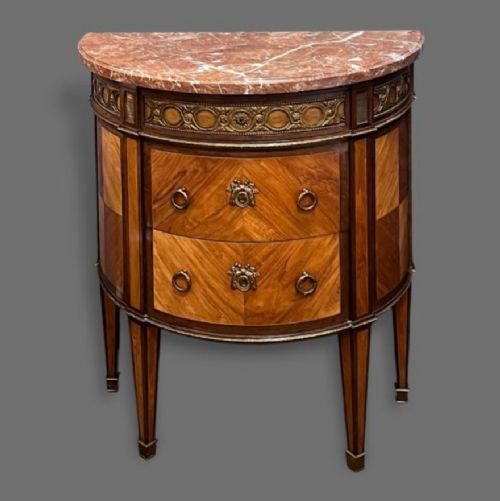
The aesthetic leans heavily on historical revivals, most notably Louis XV and Louis XVI styles, bringing curved cabriole legs or straight tapered supports into domestic interiors.
Materials and Construction
Craftsmen utilised native and exotic timbers such as kingwood, rosewood, walnut, mahogany, and satinwood, slicing them into fine veneers to build intricate geometric parquetry patterns across table tops.
Structural elements frequently incorporated oak or fruitwood beneath the decorative surface, while cast brass and ormolu mounts highlighted corners, legs, and aprons.
Some examples integrated inset marble slabs into the timber frame, secured with moulded bronze galleries or raised borders.
French Parquetry Side Table Retail Price Guide 2026
Typical asking prices for french parquetry side table among the pieces listed under this phrase on Sellingantiques today, from the lower quarter to the upper quarter. They describe what is for sale here now, not the wider market.
Some nineteenth-century tables hide mechanical tricks inside, folding out from innocent lamp stands into full card and games surfaces.
Distinguishing Craftsmanship
The calibre of a piece rests upon the precision of the veneer work, where tightly fitted geometric wood blocks align without visible gaps or excessive filler.
Superior examples display finely chased ormolu mounts that integrate smoothly with the timber contours rather than appearing crudely cast or loosely pinned.
Proportion and stability dictate overall merit, separating utilitarian provincial items from refined metropolitan workshop production.
JAS Shoolbred·Joseph-Emmanuel Zwiener·François Linke·L.Martin of Paris·A Hugnet Paris·Gillows
The French Parquetry Side Table Glossary
- Parquetry
- A geometric mosaic of wood veneers arranged in repeating patterns such as cubes, diamonds, or chevrons across furniture surfaces. It differs from pictorial marquetry by relying on abstract shapes rather than figurative imagery.
- Ormolu
- Gilt-bronze decorative mounts applied to the corners, legs, and edges of furniture. This technique added metallic contrast and protected vulnerable wooden corners from damage.
- Guéridon
- A small round freestanding table supported by a central column or several upright legs. Originating in the seventeenth century, these tables frequently featured marble tops and parquetry surfaces.
- Bureau Plat
- A writing table fitted with a flat top, often lined with leather, sitting upon cabriole or tapered legs. These desks typically incorporated drawers within the frieze and delicate bronze mounts.
- Chevets
- French bedside tables or small cabinets designed for domestic chambers. They frequently incorporated single drawers, small cupboards, and inset marble tops.
French Parquetry Side Table: Frequently Asked Questions
What is a French parquetry side table?
These items are small domestic tables and cabinets decorated with geometric wood veneers arranged in patterns like cubes or lozenges. They were built primarily during the nineteenth and early twentieth centuries.
Craftsmen drew inspiration from historical court furniture styles, adapting grand aesthetics into neat proportions suitable for everyday placement beside chairs or beds.
How do I identify Louis XV and Louis XVI styles?
Louis XV pieces generally feature sweeping serpentine lines, curved cabriole legs, and asymmetrical rococo mounts that emphasise organic movement. The influence creates an impression of fluid grace.
Louis XVI design shifts toward neoclassical restraint, displaying straight tapered legs, right angles, and symmetrical geometric parquetry borders that reflect classical architecture.
How should I care for timber and ormolu surfaces?
Maintain the wood veneers by avoiding direct sunlight and excessive moisture fluctuations that can cause timber to split or veneer to lift. Dust gently with a dry cloth.
Keep ormolu mounts unpolished with harsh abrasives, as chemical cleaners can strip the historical gilt finish away from the bronze base.