

French Painted Chest of Drawers
When you search for a french painted chest of drawers, you find decorative storage pieces combining continental elegance with practical utility.
French Painted Chest of Drawers
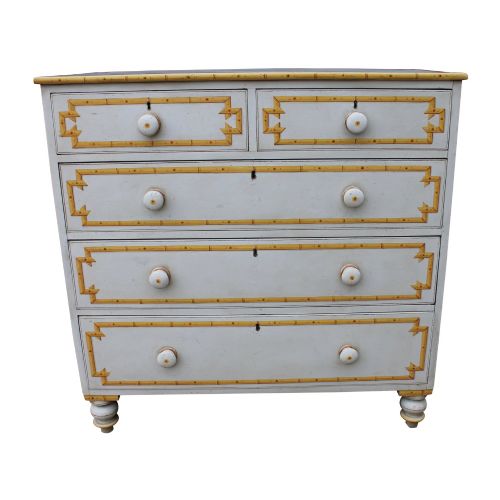
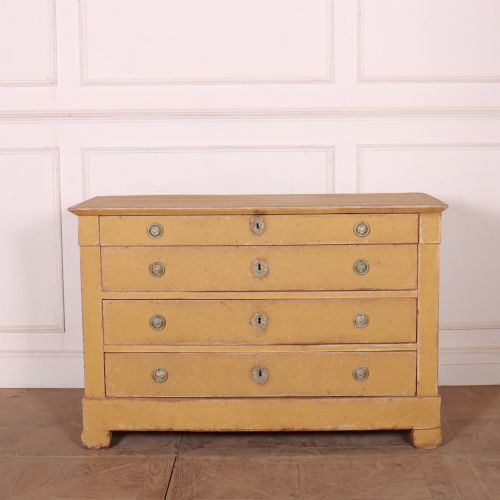
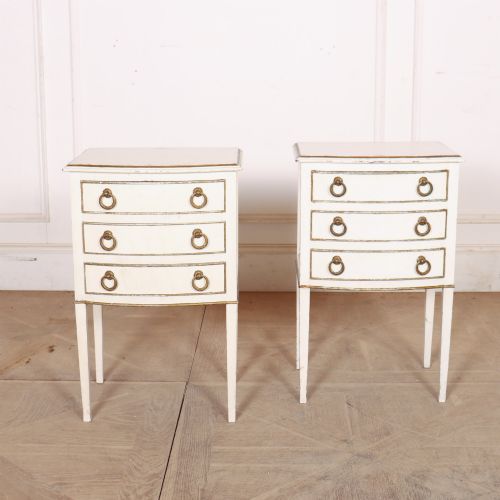
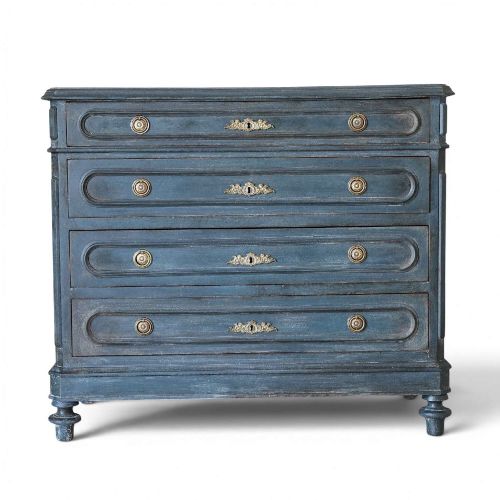
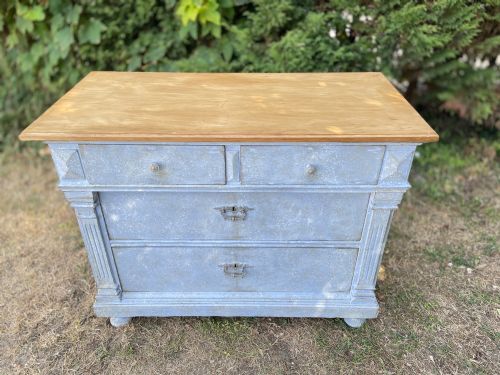
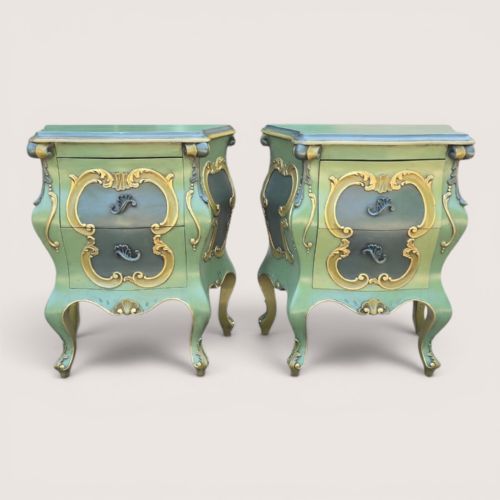
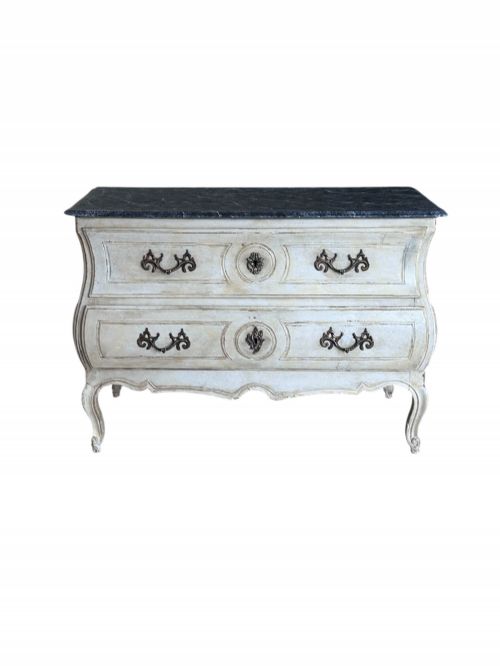
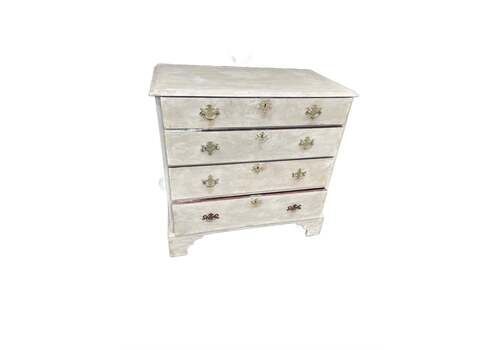
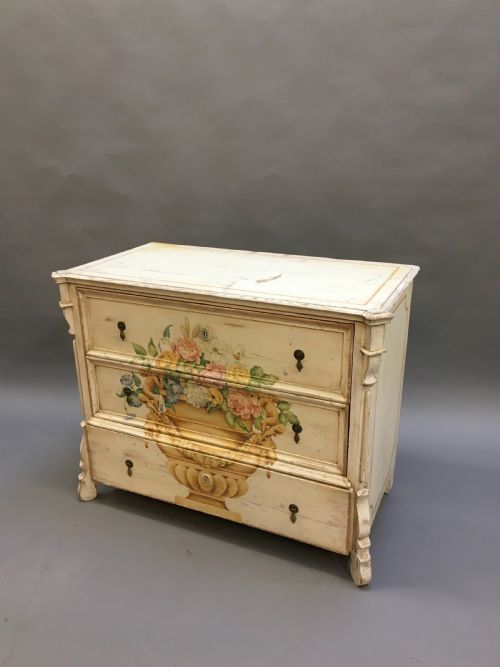
A french painted chest of drawers typically appears as a commode, a bedside table, or a larger storage unit spanning centuries of continental craftsmanship. The pieces on this page range from modest pine country furniture to grander urban examples influenced by royal courts.
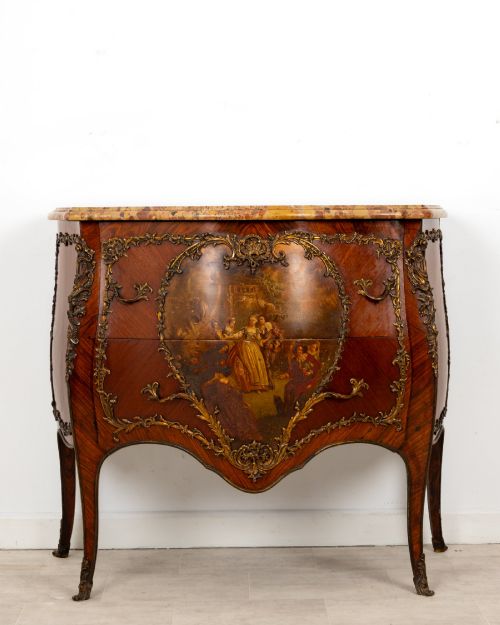
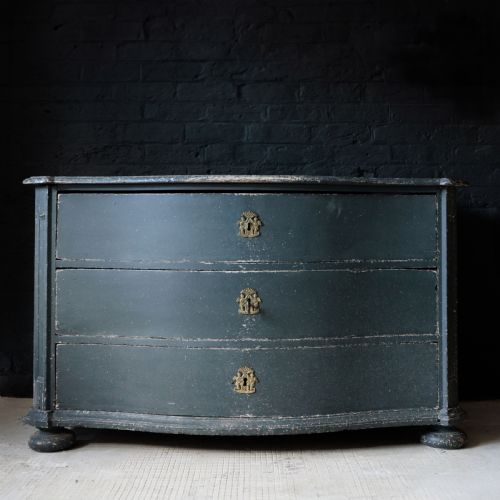
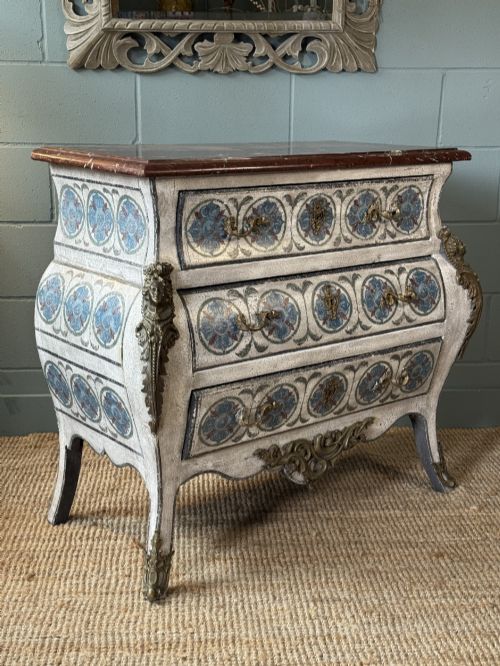
Continental regional styles shape these forms significantly, with provincial examples sitting alongside pieces reflecting Paris workshops. Buyers encounter serpentine fronts, bombée shapes, and straight-lined carcases reflecting periods from the eighteenth century into the twentieth century.
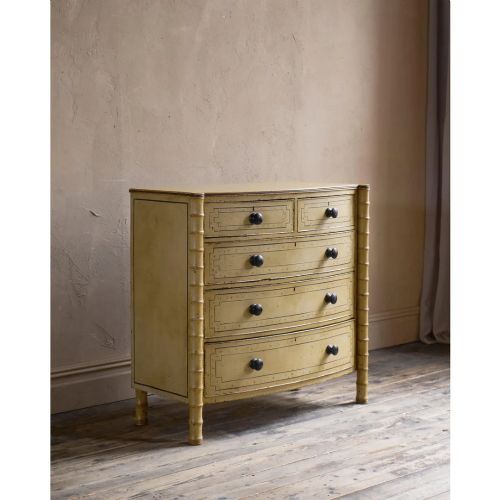
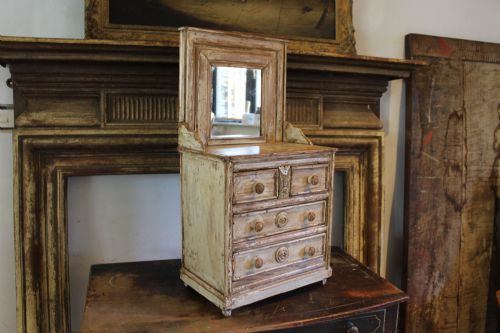
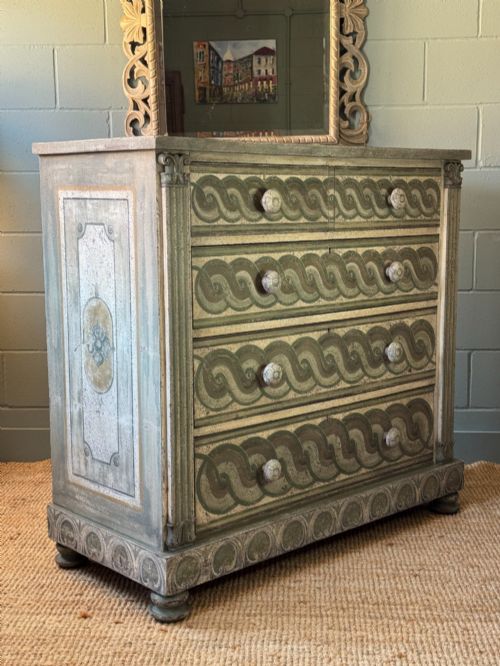
The decorative schemes on these chests often involve layered paint, sometimes combined with gilding, floral motifs, or faux finishes. Scale varies from miniature apprentice pieces and bedside chests up to substantial tallboys and banks of drawers.
Materials and construction
Makers utilised timbers such as oak, pine, and exotic hardwoods beneath decorative paint layers, building carcases with traditional joinery. Carved details often emerge directly from solid oak or pine frameworks before application of the finish.
Surface treatments rely on oil or water-based paint systems, occasionally layered over older finishes or applied during subsequent revival periods. Many examples incorporate heavy marble slabs fitted to the top surface, alongside cast brass or gilt-bronze mounts and handles.
Miniature apprentice pieces appear among the full-sized chests, offering perfect small-scale storage.
Assessing quality in painted furniture
Superior examples demonstrate crispness in carved wood details and precise alignment of drawers within the carcase. The depth and integrity of the decorative paint surface, whether original or part of a historic redecoration, dictate much of the visual success.
Hardware selection plays a role, as heavy cast brass handles and mounts indicate higher workshop standards than stamped sheet metal alternatives. The integration of fitted marble tops, particularly on serpentine or bombée carcases, shows greater ambition in manufacture.
Edwards and Roberts
The French Painted Chest of Drawers Glossary
- Commode
- A low chest of drawers, often with distinct serpentine or bombée shaping, originating in France. This term is frequently used interchangeably with chest of drawers in continental furniture contexts.
- Bombée
- A swelling, outward-curved contour on the front and sides of a chest of drawers. This curved silhouette requires advanced woodworking skill to execute properly.
- Serpentine
- A front outline curving inward centrally and outward at the ends, creating an undulating wave effect. This shape appears frequently on eighteenth-century and revival commodes.
- Vernis Martin
- A simulated Japanese lacquer technique developed in France, using specialised varnishes to create glossy, decorative surfaces. It is often found on high-end revival pieces.
- Gilt-bronze
- Copper alloy cast elements treated with gold leaf or mercury gilding to provide decorative mounts and pulls. These metallic details accent the painted wood surfaces.
French Painted Chest of Drawers: Frequently Asked Questions
What is a french painted chest of drawers called?
These pieces are frequently catalogued as commodes, particularly when they feature serpentine or bombée profiles with decorative paint finishes.
Smaller versions intended for sleeping quarters appear as bedside chests or lamp chests, while taller formats are sometimes designated as semainiers or tallboys.
How do I date a painted chest?
Dating relies on examining construction methods, timber choices, and the composition of the paint layers applied to the wood carcase.
Stylistic indicators such as Louis XV or Louis XVI revival details also help place pieces within the eighteenth, nineteenth, or early twentieth centuries.
Are marble tops original to these chests?
Marble tops appear frequently on nineteenth-century and earlier commodes, providing a durable and decorative surface above the painted drawers.
They were often selected to match the grander interior schemes of French chateaux and provincial homes alike.
Where were these pieces used originally?
Continental households utilised commodes and chests in principal reception rooms, bedchambers, and hallways for storing linens and personal items.
Smaller bedside chests sat beside sleeping berths to hold personal items and lighting.