
Painted Two Drawer Chest
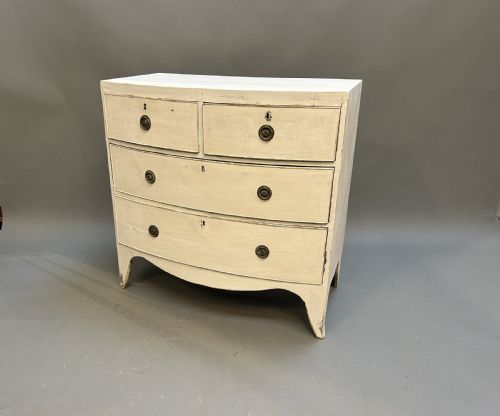
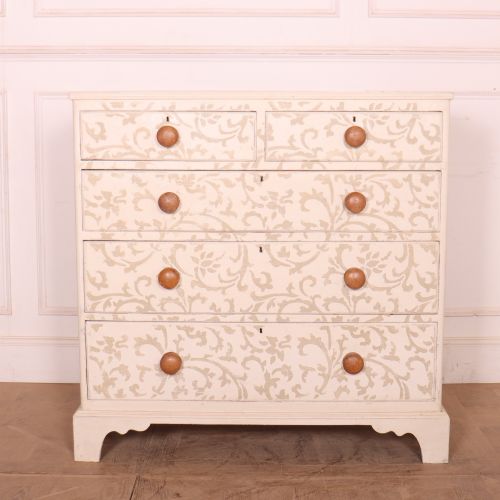
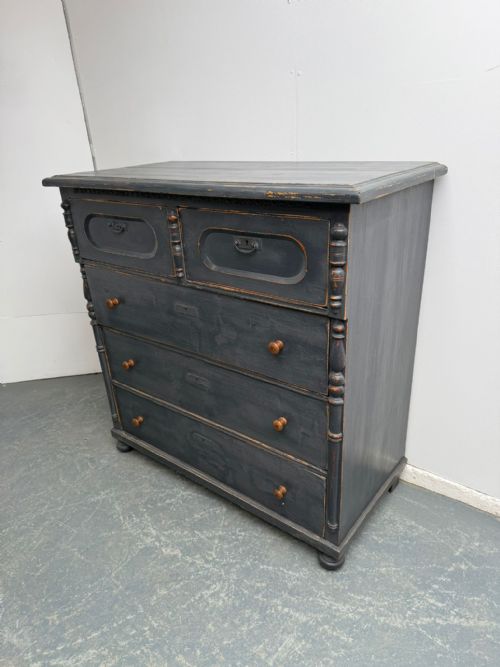
A painted two drawer chest brings colour and practical storage to a room, ranging from compact commodes to provincial pine pieces.
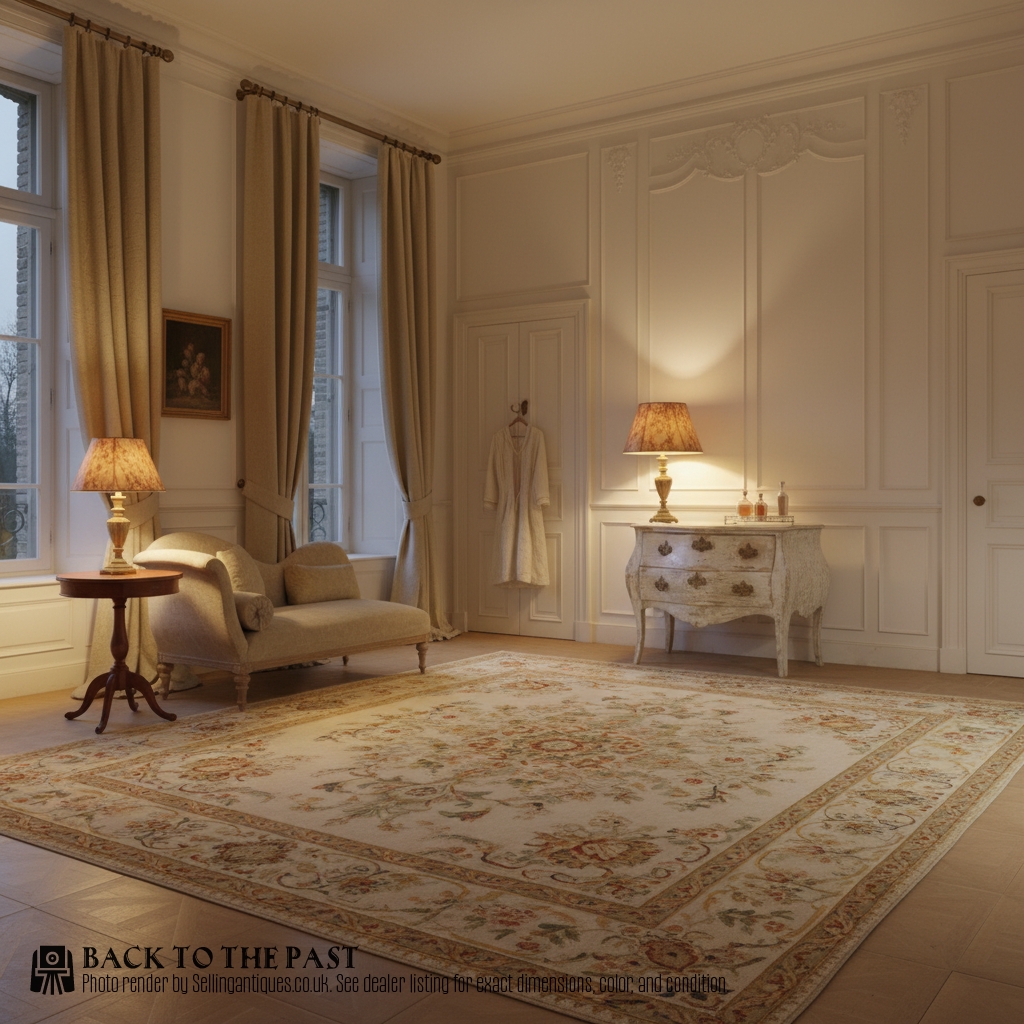
Painted Two Drawer Chest
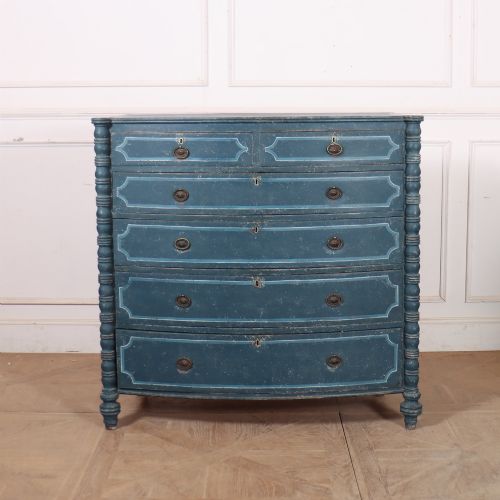
When you search for a painted two drawer chest, you find a selection of compact storage furniture spanning the eighteenth, nineteenth, and early twentieth centuries. These pieces cross various regional styles including English country, Regency, French provincial, and Italian neoclassical forms.
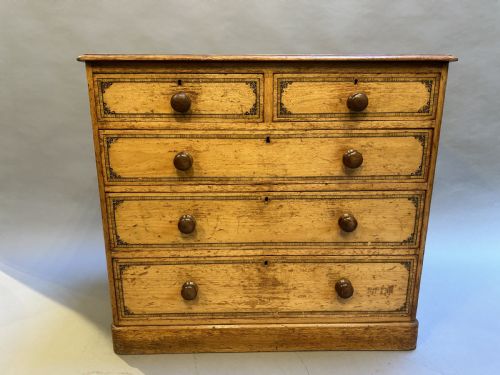
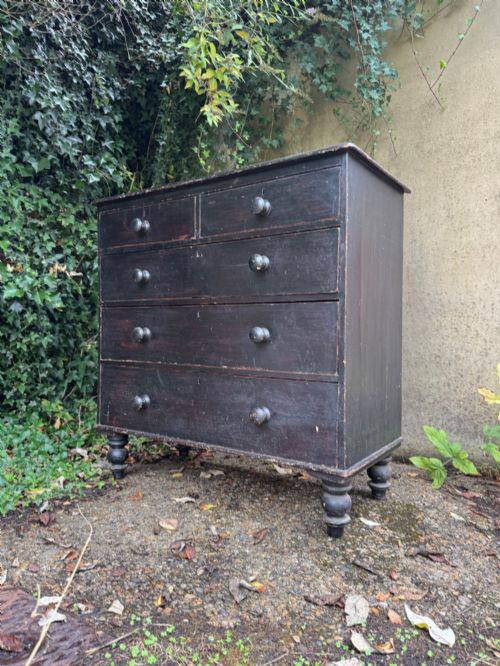
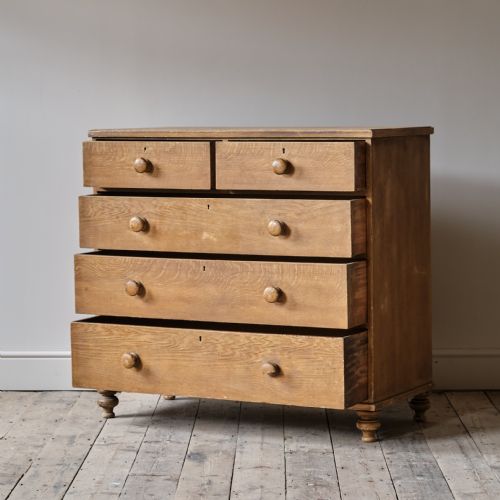
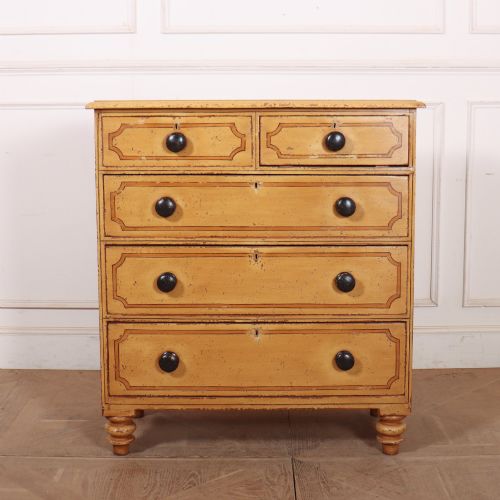
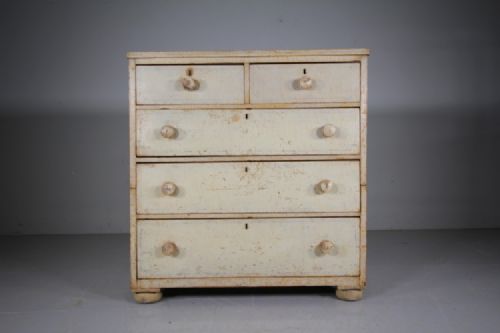
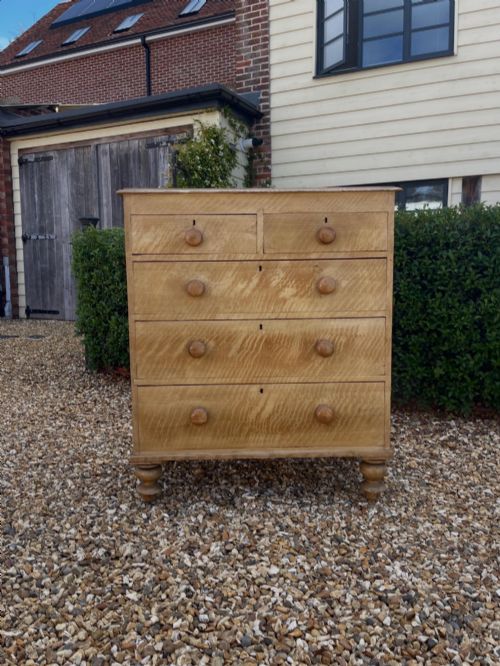
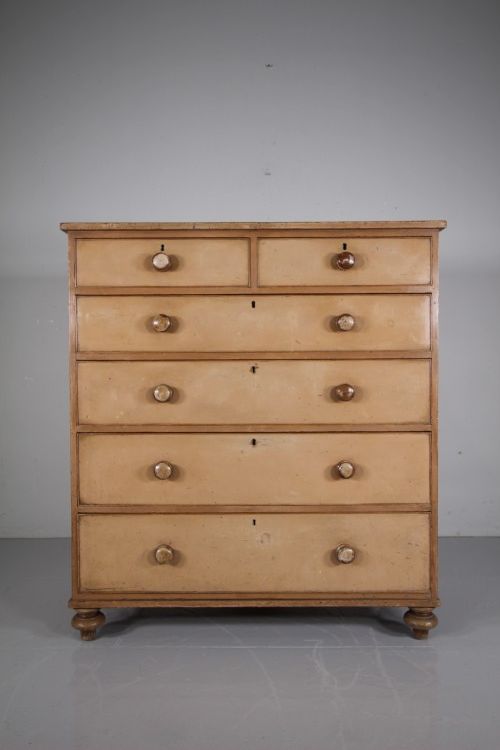
The version you are most likely to meet on this page is a nineteenth century pine chest, often featuring an original painted or scumbled surface. Alongside these domestic pine items, the selection includes continental commodes and occasional pieces with two drawers arranged for daily utility.
How they were made
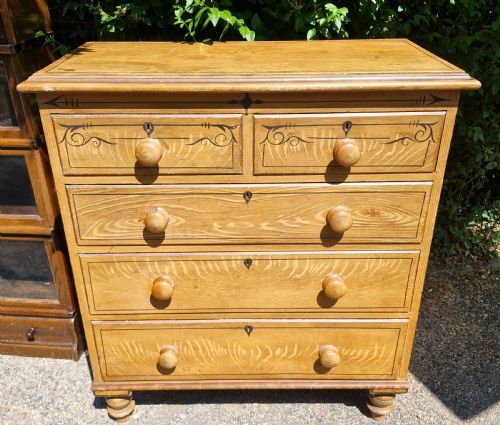
Carpenters relied primarily on solid pine and ash, constructing carcases with traditional joinery before applying surface finishes. Paint was brushed or stencilled onto the wood, sometimes employing scumbling techniques to imitate grain patterns.
Metal fittings such as brass handles and iron hardware were added to drawers and doors, securing the functional aspects of each piece while complementing the painted exterior.
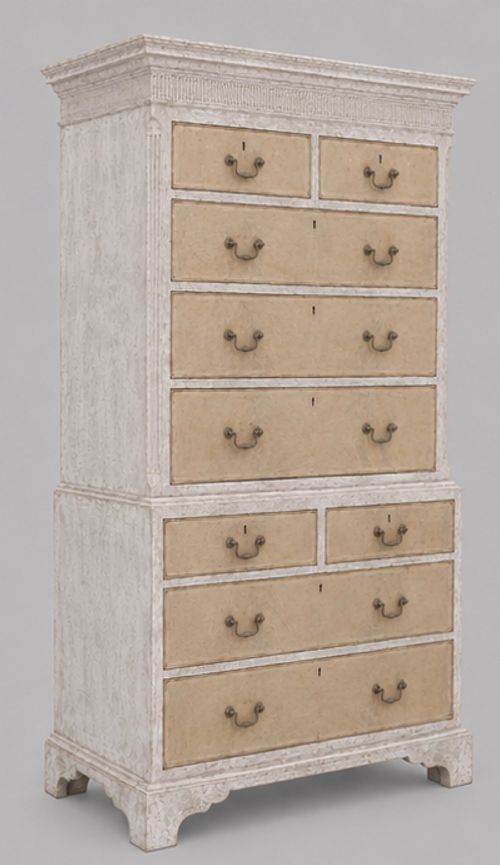
Swedish grey paint makes frequent appearances on nineteenth century ash.
What varies in quality
The integrity of the surface finish dictates much of the distinction between pieces, particularly whether the paint is original to the period or a later redecoration. Original layered pigments and scumbled effects hold greater historical interest than modern brushed updates.
Structural execution also separates items, seen in the solidity of the timber used for the carcase, the retention of period brass or iron hardware, and how cleanly the drawers slide within their housings.
The Painted Two Drawer Chest Glossary
- Scumble
- A decorative painting technique involving a translucent top layer dragged over a lighter base colour to simulate wood grain. This finish was widely applied to nineteenth century pine furniture.
- Commode
- A low chest of drawers or cabinet, frequently associated with eighteenth and nineteenth century continental European design. These pieces often feature serpentine or bowfront shapes.
- Linen press
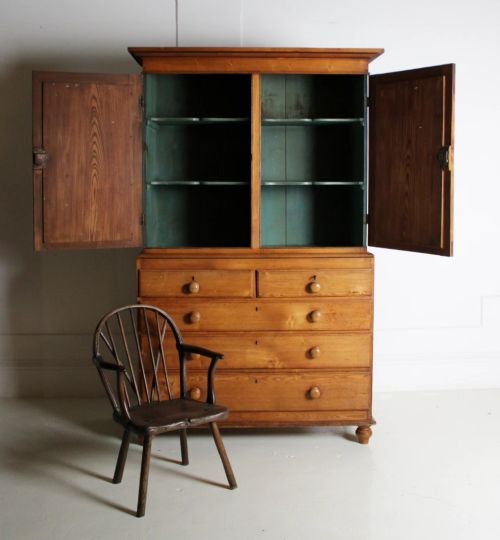
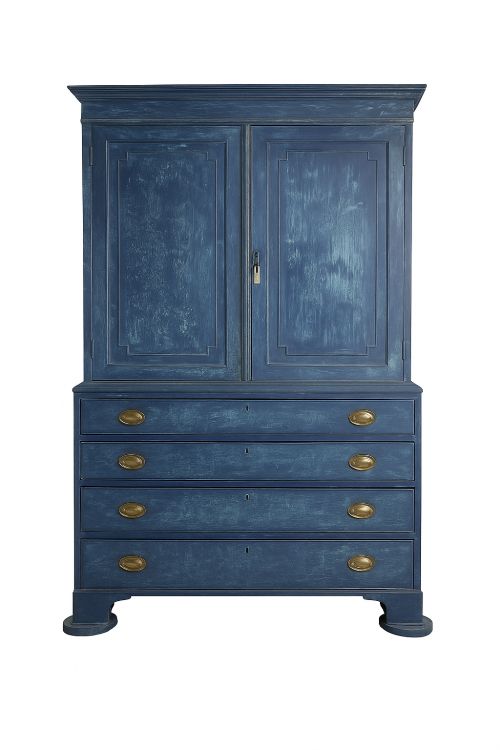
- A tall cupboard traditionally used for storing textiles, typically combining upper sliding shelves with lower drawers. Examples in the evidence appear in ash and painted pine.
- Mule chest
- A storage chest fitted with one or more drawers at the base beneath the main compartment. This form bridges the traditional blanket box and the chest of drawers.
- Regency
- An English design period spanning the early nineteenth century defined by classical restraint and clean architectural lines. Pieces from this era often utilise ebonised or painted decoration.
Painted Two Drawer Chest: Frequently Asked Questions
How do I date a painted chest?
Dating relies on examining the construction methods used for the drawers and carcase, alongside the type of timber and fixings present. Hand-cut dovetails and forged iron nails generally point towards earlier eighteenth and nineteenth century production.
Surface finishes also help determine age, as original paint layers show distinct craquelure and wear patterns that differ significantly from twentieth century coatings.
Is original paint important?
Original paint finishes preserve the authentic historical character of a piece and are generally preferred by collectors. They reveal the original aesthetic choices made by the maker or contemporary owner.
Later redecoration can still offer practical appeal for interior styling, but pieces retaining their initial surface carry more direct period evidence.
Where should I place a two drawer chest?
These compact chests suit smaller spaces such as hallways, bedrooms, or landings where deeper furniture would obstruct movement. Their low profile provides useful surface display area without dominating the room.
They pair well with both traditional country interiors and more eclectic modern schemes by introducing texture and colour.
What is scumbled pine?
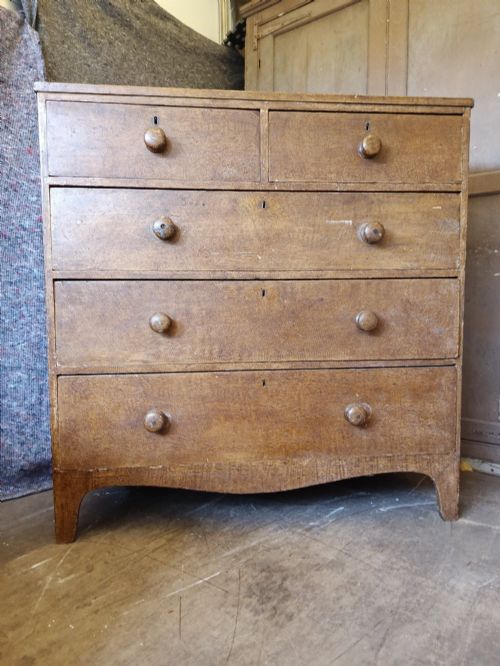
Scumbled pine is timber treated with a specialised glazing method designed to imitate expensive hardwoods like oak or mahogany. Painters dragged darker translucent paint over a pale base to create faux grain effects.
This technique was popular during the Victorian era for giving ordinary softwood furniture a more decorative and substantial appearance.