
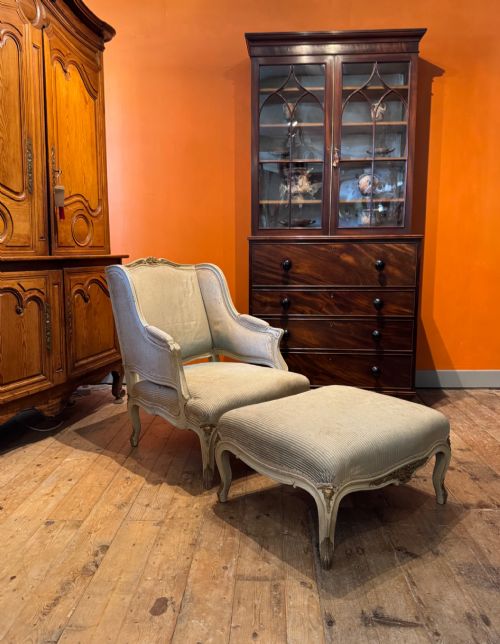
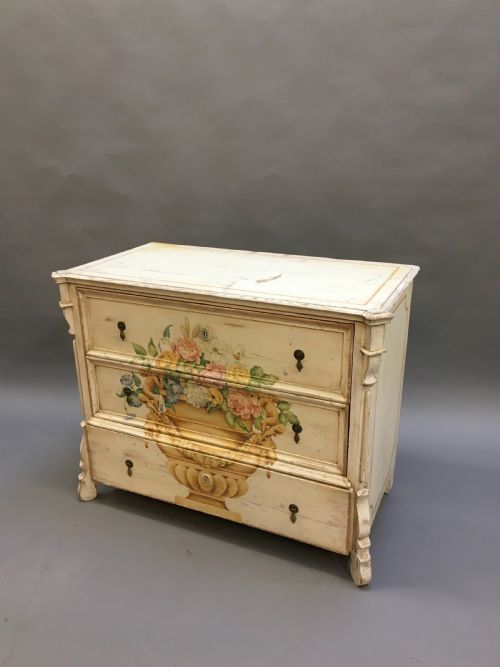


French Chateau Bedroom Furniture
French chateau bedroom furniture brings grand domestic luxury into a room, offering grand painted woodwork and carved oak built for private chambers.
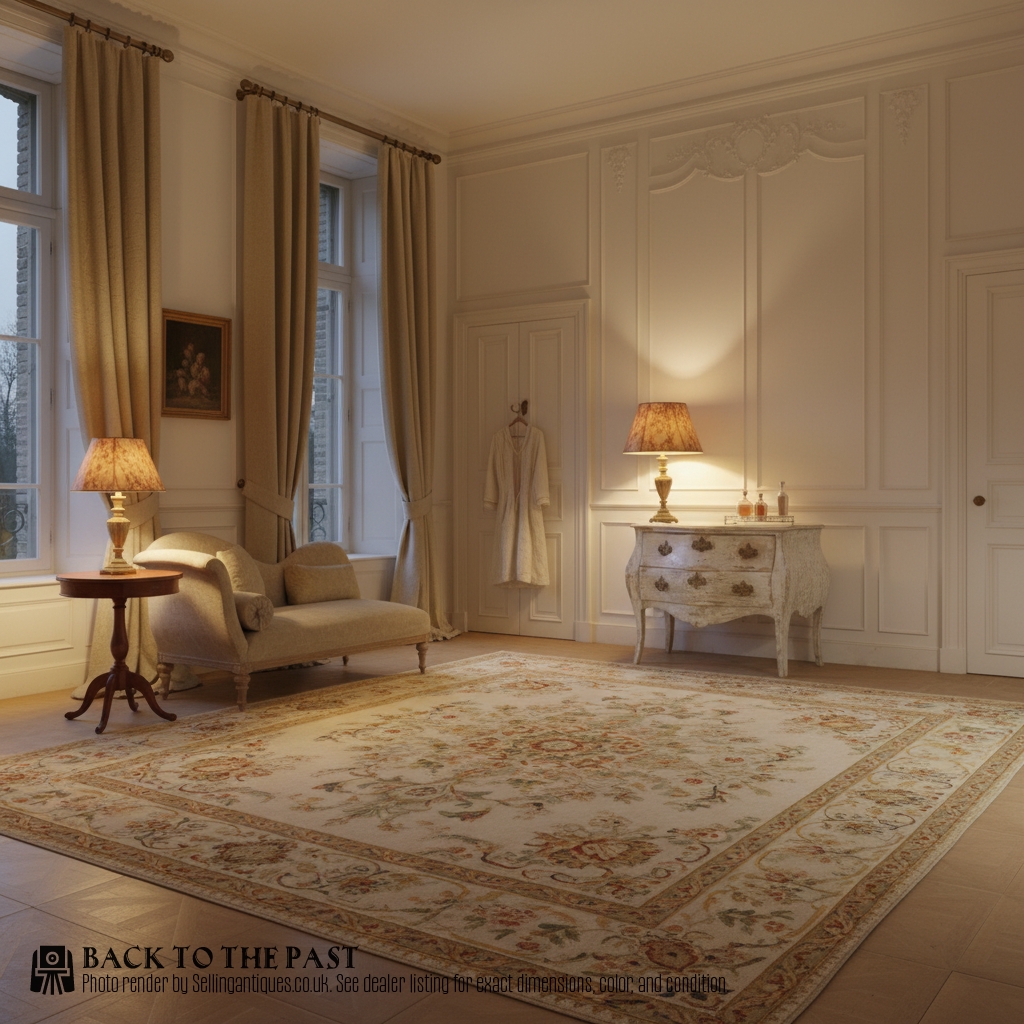
French Chateau Bedroom Furniture
French chateau bedroom furniture encompasses substantial pieces designed for sleeping quarters, including chests of drawers, beds, chaise longues, bedroom suites, and dressing tables. Buyers seeking this aesthetic encounter objects spanning several periods, from the eighteenth century to the early twentieth century, reflecting enduring classic designs.
The selections available here lean towards painted wood finishes alongside solid oak constructions, capturing the essence of French provincial and Louis styles. Pieces range from single bedsteads with matching bedside cabinets to large suites featuring caned details and paired drawer units.
The forms demonstrate a clear lineage from classical French cabinet making, interpreted through nineteenth and twentieth-century revivals. Whether selecting an eighteenth-century kingwood commode or a nineteen-thirties duchesse brisée, each item contributes a distinct architectural presence to a room.
Materials and construction methods
Makers utilised solid timbers such as oak, beech, and kingwood as structural foundations, shaping them into curved profiles and supporting frameworks. Painted wooden surfaces often retain original finishes, showing layers of historic pigment applied over carved mouldings.
Detailing relied on skilled carpentry, incorporating brass mounts, marble tops, and woven caning to add texture and functional elegance to beds and seating. Drawer fronts and commodes utilised curved bow fronts and fitted hardware to accentuate the sophisticated silhouettes typical of the style.
Current listings feature items spanning the eighteenth century through to the nineteen-thirties, constructed from painted wood, oak, beech, marble, and brass.
Judging the quality of the pieces
Quality rests in the integrity of the carved woodwork and the fidelity of the stylistic revival, whether the piece follows Louis XV or Louis XVI lines. Superior examples display crisp hand-carving and harmonious proportions across large suites and individual chests.
The preservation of original painted surfaces and authentic hardware distinguishes finer pieces from later, less considered interpretations. The integration of materials like marble tops and inset brass elements elevates the sophistication of commodes and dressing tables.
The French Chateau Bedroom Furniture Glossary
- Commode
- A low chest of drawers, often featuring decorative painted surfaces or fine wood veneers. These pieces served practical storage needs in bedrooms and formal chambers alike.
- Duchesse brisée
- A chaise longue split into parts, typically a chair and a matching footstool or intermediate section. This seating form allowed for relaxed reclining within grand boudoirs.
- Kingwood
- A dense, richly grained wood utilised in fine cabinet making during the eighteenth century. Its distinct patterns enhanced the visual appeal of bow-fronted commodes.
- Caning
- Woven plant material used to form light, patterned panels in headboards and footboards. This technique added decorative contrast to solid wooden bed frames.
- Louis XV Style
- An ornate design aesthetic characterised by asymmetric curves, naturalistic carving, and flowing lines. This style heavily influenced nineteenth and twentieth-century bedroom furniture revivals.
French Chateau Bedroom Furniture: Frequently Asked Questions
What pieces make up a bedroom suite?
A bedroom suite typically includes a large bedstead accompanied by matching bedside cabinets and storage chests. These matched sets created a unified decorative scheme for grand rooms.
Additional pieces such as dressing tables or chaise longues often completed the ensemble, ensuring functional harmony across all the furnishings in the private chamber.
How do I identify Louis XV style?
Louis XV style is defined by curved lines, asymmetrical scrollwork, and organic motifs like leaves and flowers. Furniture from this tradition avoids straight vertical lines in favour of flowing contours.
In bedroom pieces, this appears in the sweeping cabriole legs of dressing tables and the undulating frames of commodes and headboards.
Where were commodes used?
Commodes served primarily as functional storage furniture within bedrooms, holding linens, clothing, and personal items. Their decorative fronts and marble tops meant they were placed in prominent positions.
Over time, their role expanded into principal reception rooms, but their origins remain tied to private chambers and dressing spaces.
How should I care for painted wood?
Painted wooden furniture requires gentle dusting with a soft, dry cloth to protect historic pigments and delicate finishes. Avoid harsh chemical cleaners that might strip or soften the aged paint layers.
menjaga stable humidity levels in the room will help prevent the underlying timber from expanding and cracking the historic surface coatings.