
French Ornate Overmantel Mirror
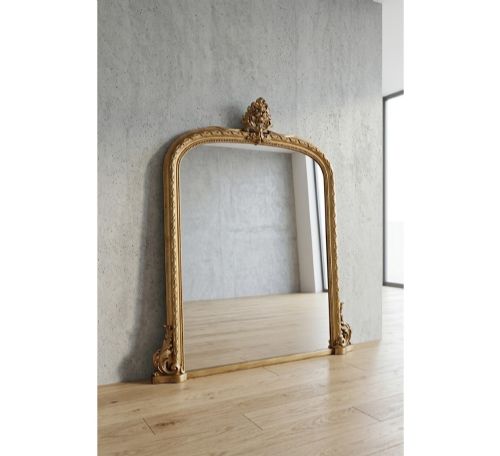
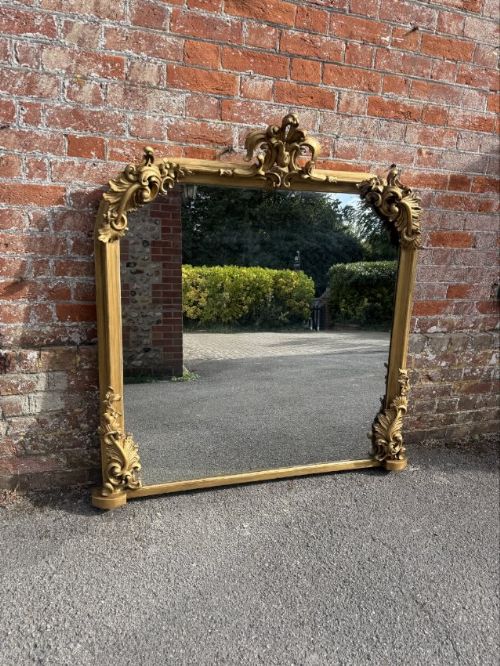
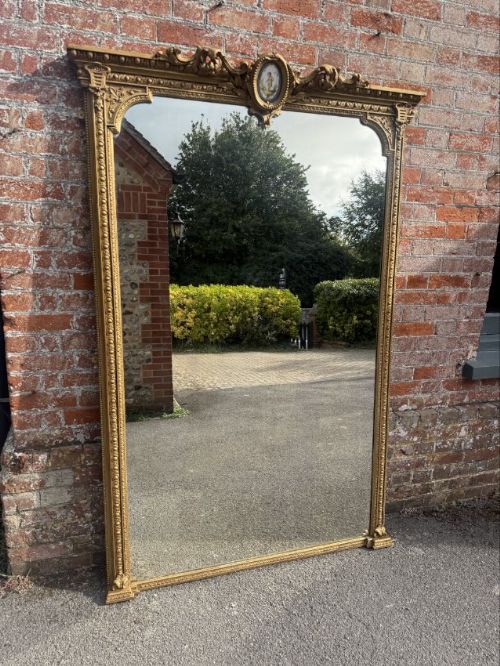
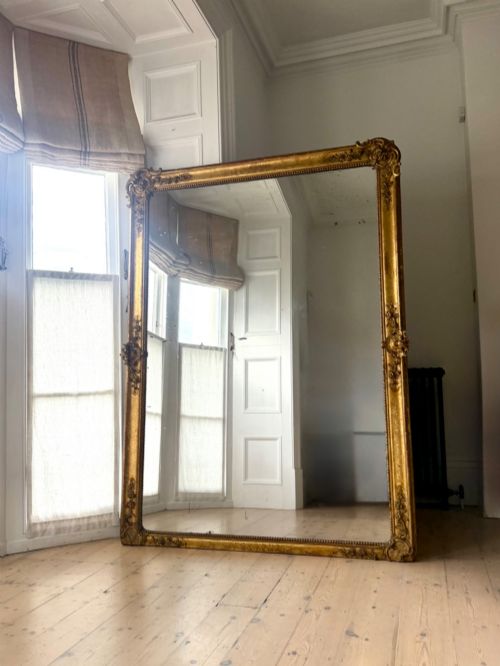
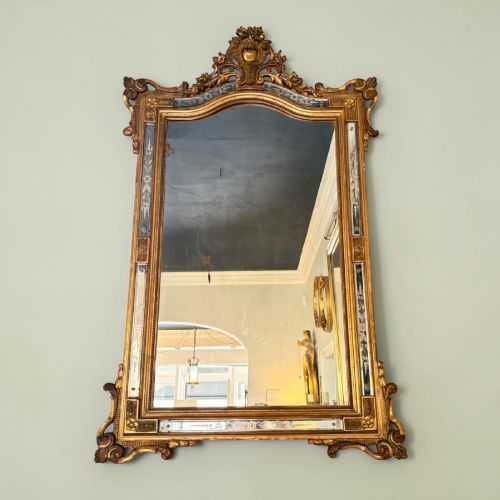
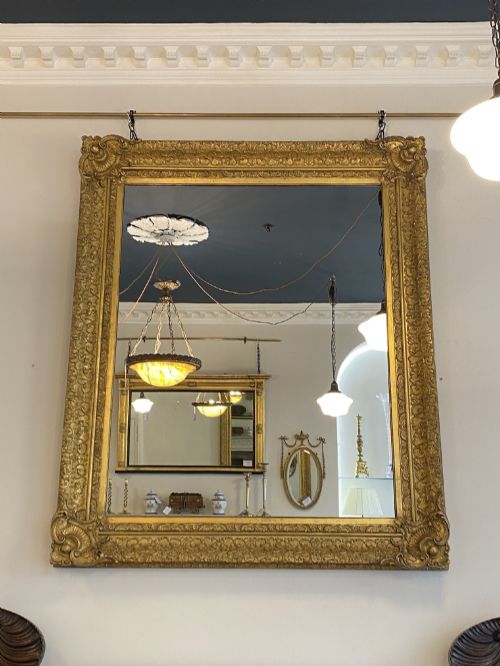
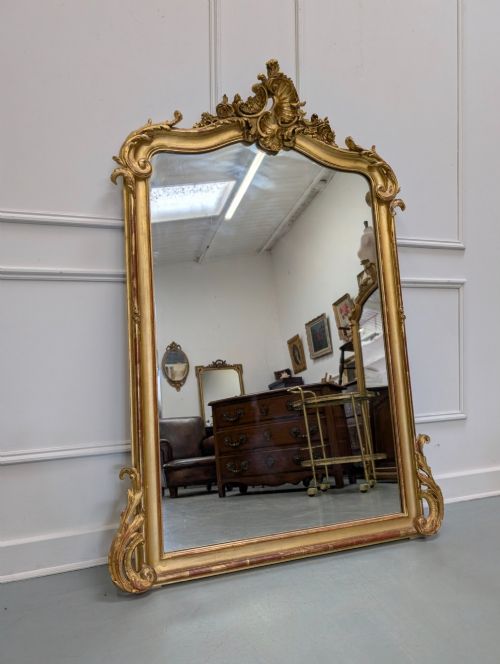
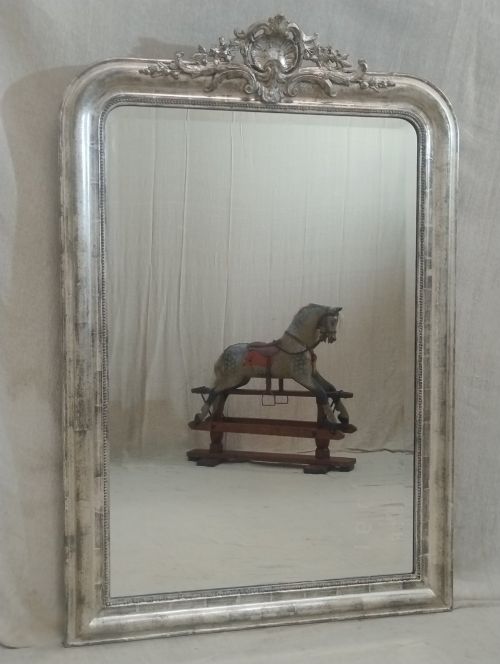
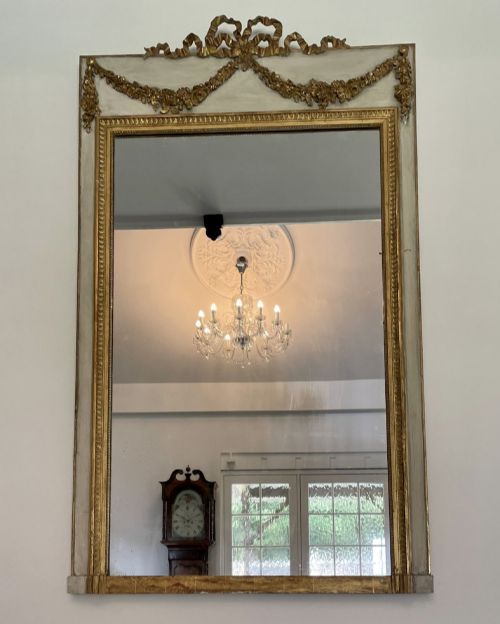
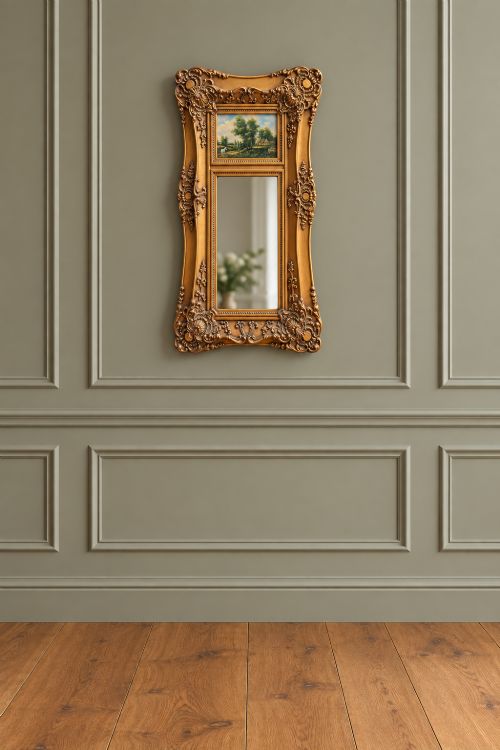
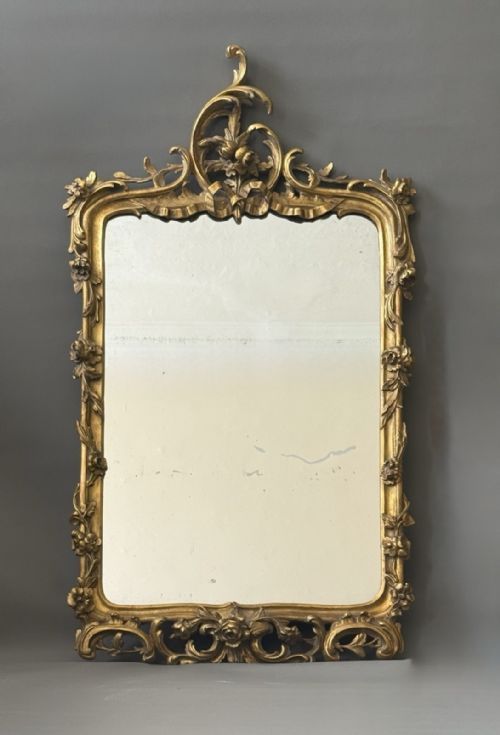
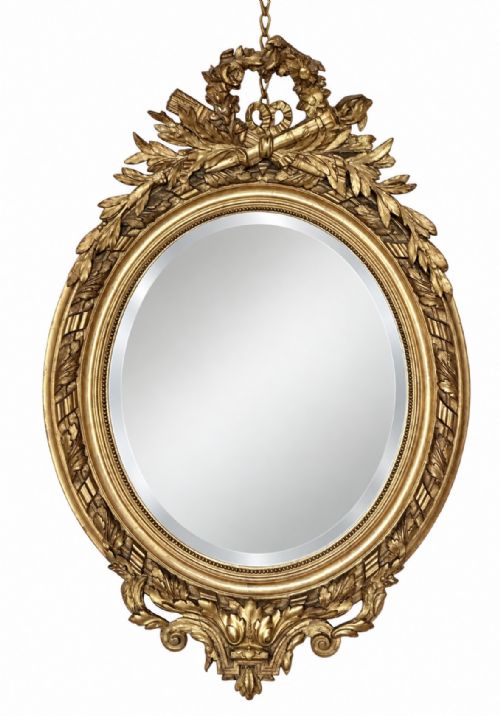
A french ornate overmantel mirror brings architectural height and reflected light to a room, drawing the eye with sweeping Rococo curves.
French Ornate Overmantel Mirror
A french ornate overmantel mirror is designed to sit directly above a mantelpiece, anchoring the hearth with a commanding presence. The selection on this page centres heavily on nineteenth-century examples, spanning the Victorian era and the decades leading up to nineteen-hundred.
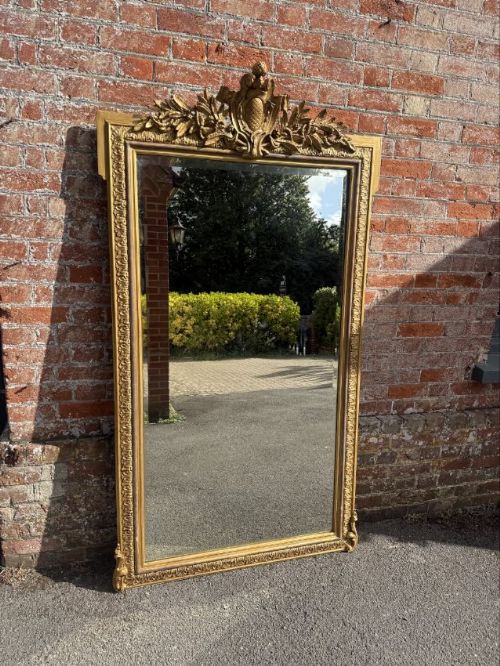
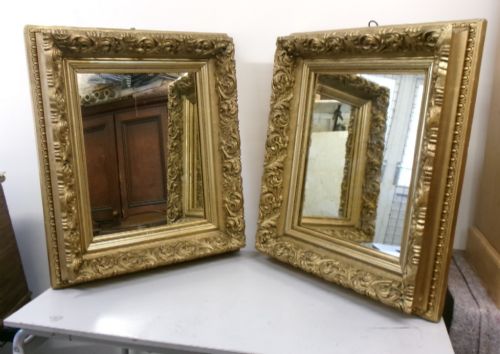
Makers drew on French taste, producing pieces in styles such as Rococo Revival, French Chateau, and Second Empire. These wall-hung and leaner mirrors range from standard proportions to large, imposing statements intended to dominate a chimney breast.
How they were made
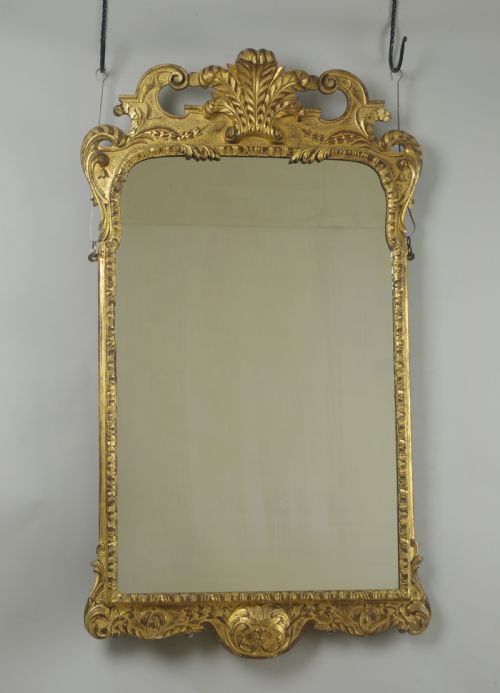
Carved wooden frames form the structural core, frequently built from giltwood, oak, or composition materials. Artisans applied layers of gesso onto the timber base to build up intricate relief ornaments before applying gold leaf.
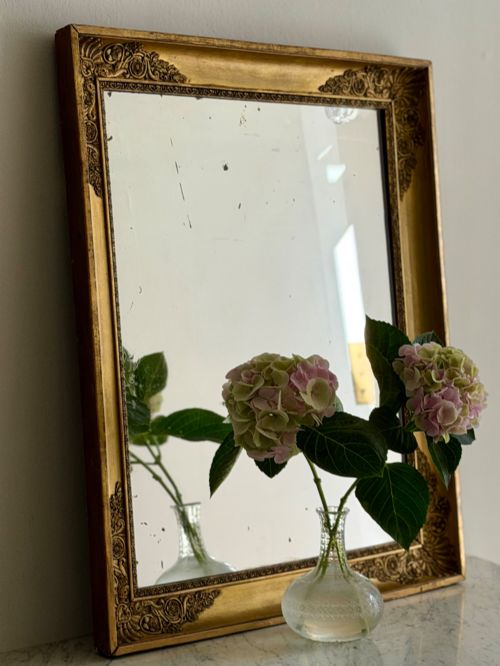
Mirror plates varied from antique surfaces showing foxed patination to bevelled glass held securely within heavy frames. Joinery and carved crests relied on traditional hand techniques appropriate to the nineteenth century.
Listings feature nineteenth-century pieces alongside eighteenth-century examples, constructed from giltwood, gesso, and oak.
What varies in quality
The depth and crispness of the carved ornament distinguish finer examples from simpler production. Hand-carved wooden relief work holds sharper definition than moulded composition, which can appear softer across complex scrolls.
The condition of the original gilding and the character of the mirror plate itself dictate the visual weight of the piece. Retained gold leaf with gentle age patination carries greater presence than later repainting.
The French Ornate Overmantel Mirror Glossary
- Overmantel mirror
- A large wall mirror specifically proportioned to hang above a fireplace mantel. These pieces often feature an arched or shaped top to echo architectural joinery.
- Giltwood
- Timber that has been coated with a thin layer of gold leaf. It provides a luminous surface that catches low room light.
- Gesso
- A plaster-like mixture applied to wood frames to create a smooth surface for carving or gilding. It allows for crisp decorative moulding.
- Foxed glass
- Mirror plate that has developed dark spots or mottled areas due to chemical breakdown over time. Collectors prize this aged effect for its authentic patina.
- Rococo Revival
- A nineteenth-century design movement inspired by eighteenth-century French styles. It is characterised by asymmetrical scrolls, C-curves, and naturalistic plant motifs.
French Ornate Overmantel Mirror: Frequently Asked Questions
How do I hang a heavy overmantel mirror?
These pieces require secure fixing directly into wall studs or masonry using heavy-duty brackets. The substantial weight of timber, gesso, and thick glass demands professional installation to ensure stability above a fireplace.
Leaner versions can rest safely on the mantelpiece itself while being anchored to the wall near the top frame to prevent tipping.
Are these mirrors genuinely French?
Many pieces reflect French design aesthetics such as Rococo Revival and Louis Quinze styles, originating from nineteenth-century workshops influenced by continental tastes. British makers also produced similar decorative frames during the Victorian period.
Examining construction methods and timber types helps clarify the regional origin of individual frames.
What is foxed glass on an antique mirror?
Foxed glass refers to the natural oxidation of the reflective silver backing over decades of exposure to air and moisture. This creates characteristic dark speckles and cloudy patches across the surface.
Many buyers actively seek out this authentic sign of age rather than replacement glass.
How do I clean a giltwood mirror frame?
Dust giltwood surfaces gently with a soft dry brush to remove particles without disturbing delicate gesso relief. Avoid liquid cleaners and harsh chemicals, which can strip gold leaf and damage nineteenth-century finishes.
Professional conservators should handle any deeper restoration or stabilization of cracked wooden joints.