

Gilded Rococo Frame Glass
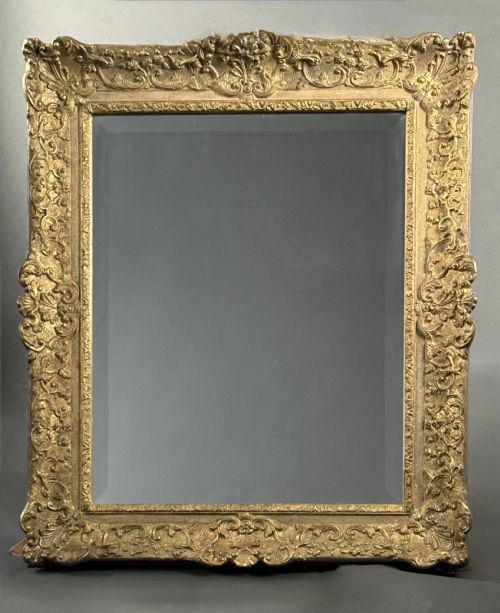
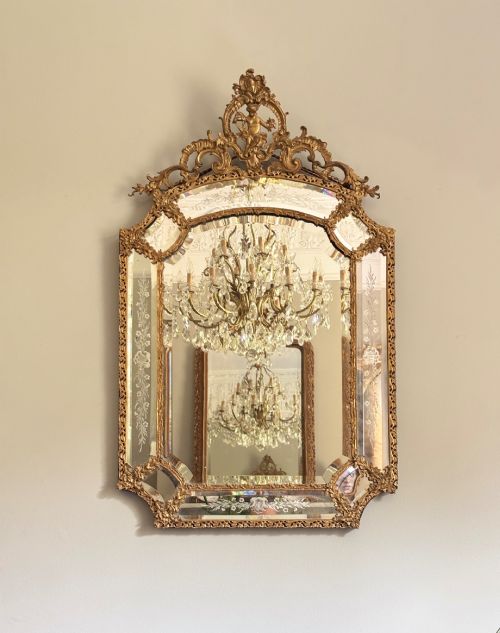
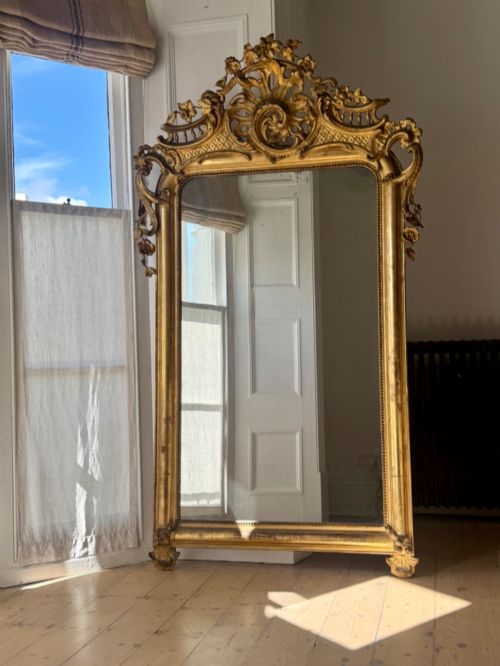
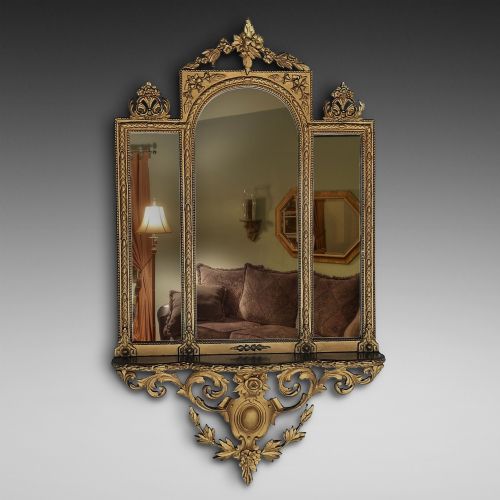
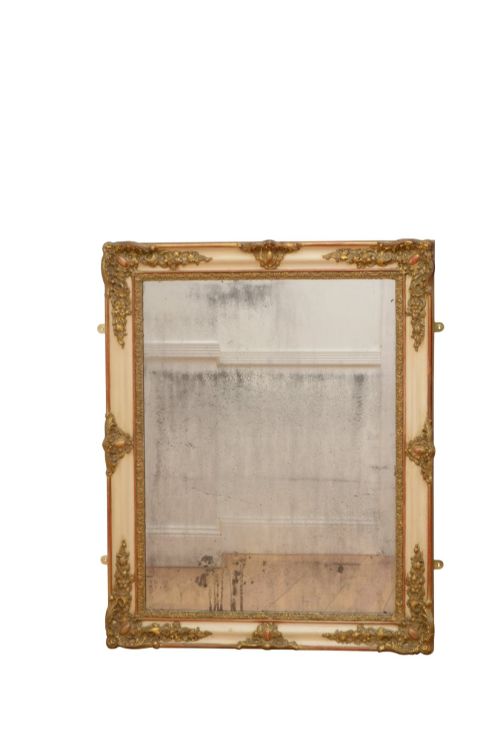
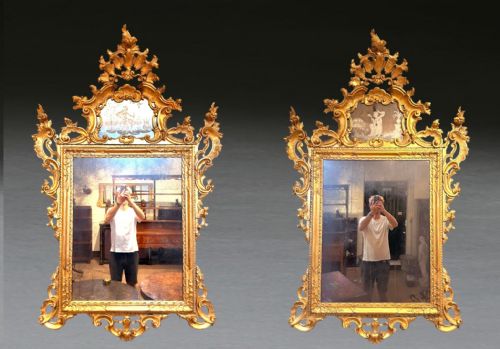
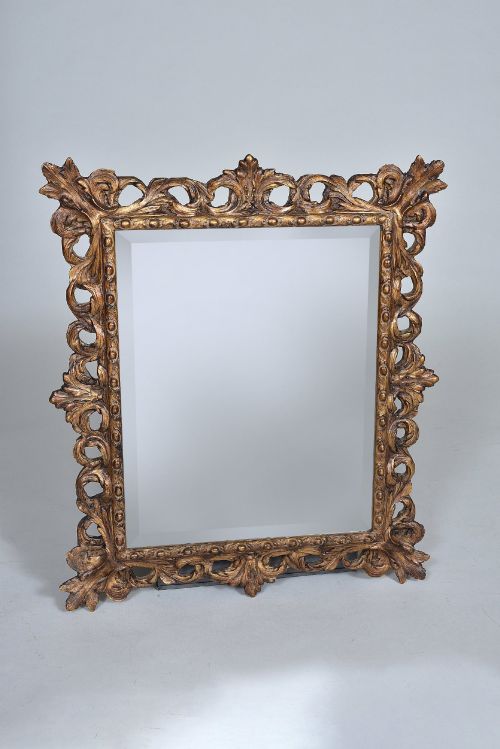
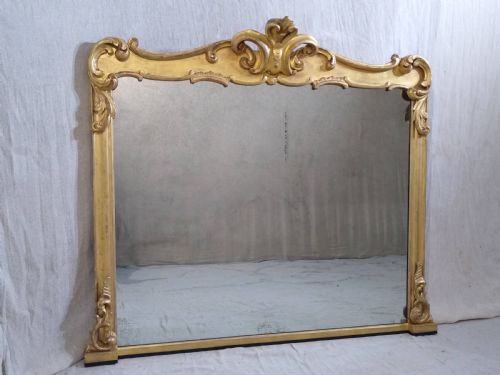
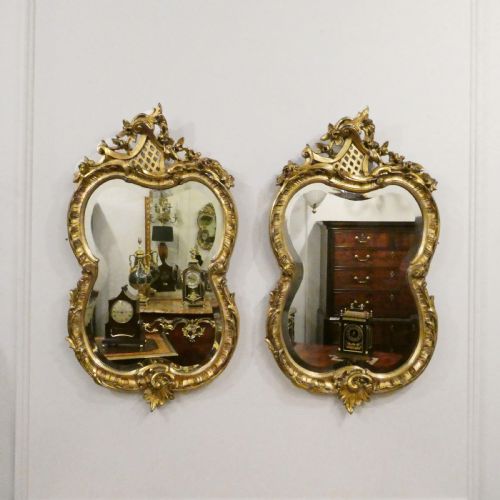
These gilded rococo frame glass mirrors bring sweeping scrollwork and reflective depth into a room, shaped by centuries of French, Italian and English design.
Gilded Rococo Frame Glass
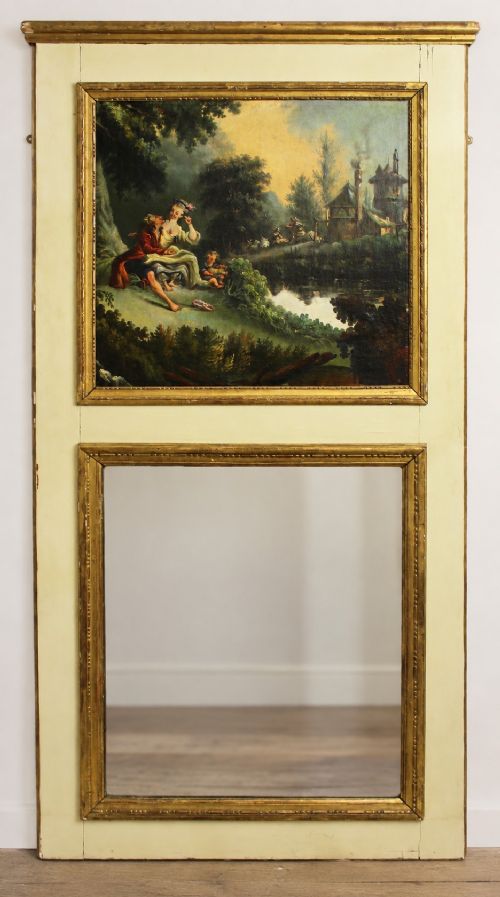
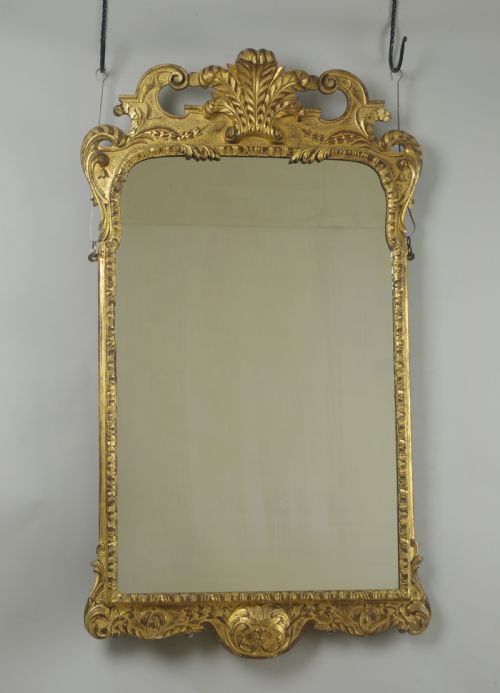
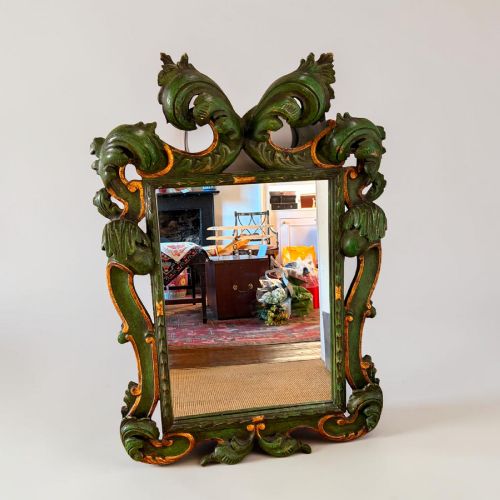
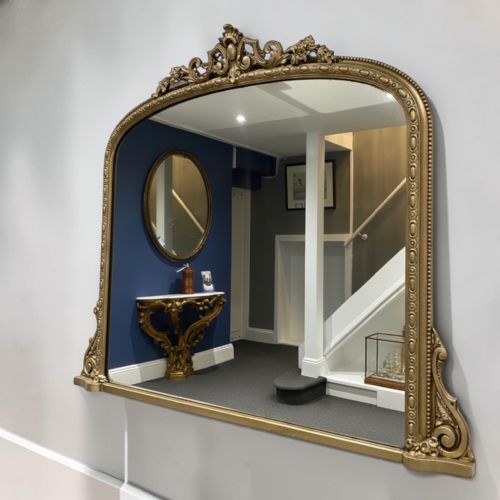
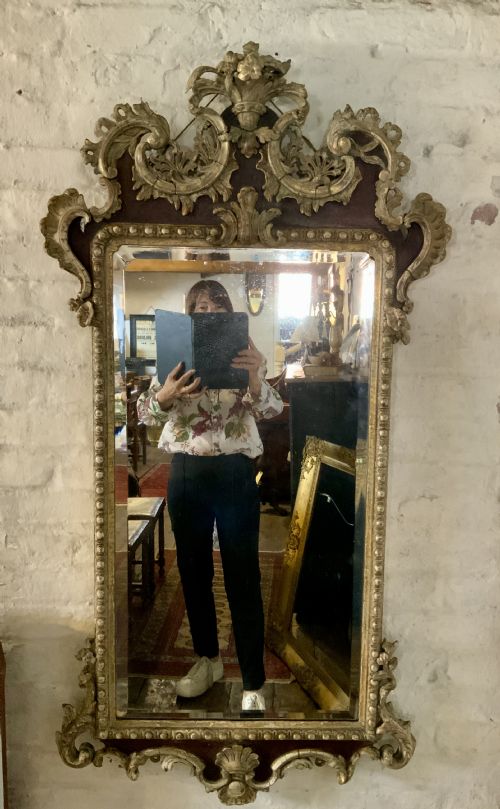
The dominant forms are grand architectural overmantels, tall trumeau mirrors incorporating pastoral oil paintings, and elaborate wall mirrors featuring asymmetric scrollwork. French and Italian examples appear frequently alongside English Chippendale and George II styles.
Mirrors from this selection range from compact boudoir glasses to massive country house overmantels. Most examples rely on historic giltwood, gesso and composition frames housing either bevelled mirror plates or early mercury glass.
Materials and construction
Carved wooden frames provide the structural foundation for these mirrors, utilising giltwood, walnut and general wood substrates. Artisans applied layers of gesso to the carved surfaces to build up delicate relief details before applying gold leaf or gilding.
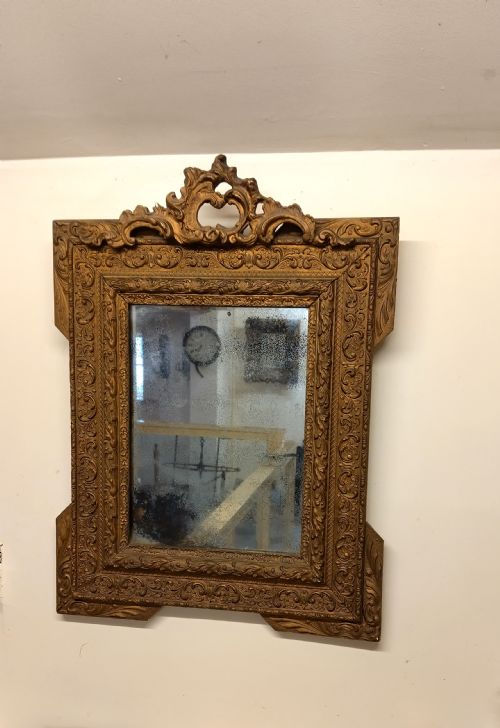
Composition material appears on repetitive ornament and moulded scrolls, allowing intricate decorative programmes on 19th-century and later frames. Mercury glass and bevelled mirror plates complete the optical assemblies, set within secured rebates.
Listings feature items spanning the 18th, 19th and early 20th centuries, executed in giltwood, gesso and brass.
Factors determining quality
Depth and crispness of hand-carved relief distinguish superior frames from moulded composition alternatives. The vitality of the scrollwork and the sophistication of the gilding layers determine the visual authority of the piece.
Originality of the mirror plate carries significant weight, with period mercury glass and hand-bevelled edges commanding respect. The structural integrity of the timber frame and the retention of historic gilt surfaces define the enduring standard.
The Gilded Rococo Frame Glass Glossary
- Giltwood
- Wood that has been coated with gold leaf or a gold-coloured metallic finish. This surface treatment gives the frame its characteristic metallic brilliance and warmth.
- Gesso
- A plaster-like mixture applied to wood frames to create a smooth surface for carving and gilding. It allows for the sharp relief work seen on rococo frames.
- Mercury glass
- A type of double-walled glass blown with a silvering mixture inside, popular in earlier mirrors. It produces a mottled, atmospheric reflection distinct from modern mirror plates.
- Trumeau
- A decorative wall mirror often incorporating an oil painting or carved panel above the glass. These architectural panels originated in grand 18th-century European interiors.
- Overmantel mirror
- A large mirror designed to hang specifically above a fireplace mantel. These expansive glasses reflect light and anchor the reception room scheme.
Gilded Rococo Frame Glass: Frequently Asked Questions
How do I date a gilded rococo mirror?
Dating relies on the substrate materials, construction joints and the characteristics of the glass plate. Early pieces often show hand-carved wooden foundations and mercury glass with subtle oxidation.
Later Victorian and Edwardian revivals frequently incorporate moulded composition ornamentation and machine-bevelled plates. Comparing the style specifics against known 18th-century and 19th-century design manuals clarifies the timeline.
What is mercury glass?
Mercury glass is an early form of silvered mirror glass created by pouring a liquid silvering mixture between double-walled blown glass. It yields a distinctive, cloudy reflection with dark spots and deep character.
This technique predates modern vacuum-deposition silvering and appears on authentic 18th-century and early 19th-century examples.
Where should I hang an overmantel mirror?
An overmantel mirror belongs above a fireplace mantel where it naturally commands the focal point of the room. Its generous proportions amplify natural light and reflect interior furnishings.
Ensure the wall structure and fixings safely support the substantial weight of these heavy giltwood and gesso frames.
How do I care for historic giltwood?
Historic giltwood requires gentle maintenance using a dry, soft brush to remove dust from the intricate carved crevices. Avoid liquid cleaners, polishes and damp cloths which can dissolve delicate gesso and lift the gold leaf.
Keep the mirror away from direct sunlight and excessive humidity to protect the wooden substrate and historic finish.