



French Ormolu Desk Stand
A french ormolu desk stand brings gilt bronze radiance and nineteenth-century craftsmanship directly to the writing table.
French Ormolu Desk Stand
When you search for a french ormolu desk stand, you enter a field dominated by nineteenth-century inkstands, desk sets, and gilt bronze accessories. The pieces on this page span the 18th century through to the Edwardian era, with strong representation from the 1850s, 1860s, and 1870s.
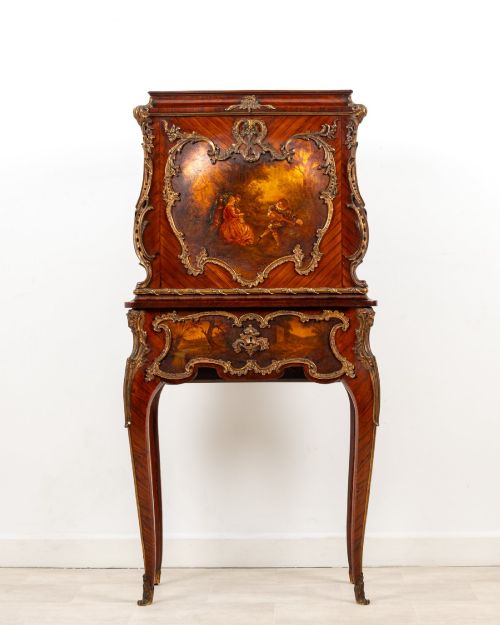
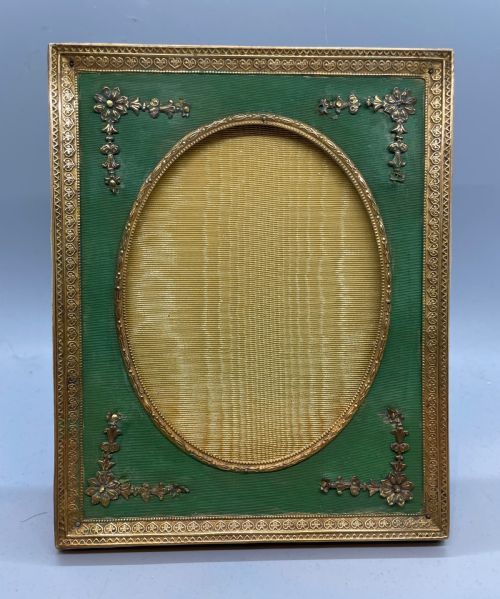
Inkstands form the core of what you will encounter, frequently paired with marble bases, glass inkwells, and patinated or gilded bronze figures. Alongside dedicated desk stands, the selection includes associated writing accessories such as picture frames, candlesticks, and mantel clocks on stands.
Stylistic influences lean heavily toward French Empire, Napoleon III, Louis XV Revival, and Art Nouveau. These objects range from compact mid-century ink stands to substantial partner desks and writing cabinets mounted in ormolu.
Materials and construction
Makers utilised cast bronze, often referred to as ormolu or gilt bronze, combined with contrasting natural materials like white, onyx, and variegated marble, or rich timbers including kingwood, rosewood, and mahogany. The gilding process applied a gold layer over the bronze base, creating a durable and luminous surface finish.
Secondary elements include hand-cut glass inkwells, paste stones, and delicate ceramic panels executed in specific regional styles. Cabinet pieces incorporate fine wood veneers and brass or ormolu mounts fixed securely to structural carcasses.
French Ormolu Desk Stand Retail Price Guide 2026
Typical asking prices for french ormolu desk stand among the pieces listed under this phrase on Sellingantiques today, from the lower quarter to the upper quarter. They describe what is for sale here now, not the wider market.
Listings feature items spanning the 18th, 19th, and early 20th centuries, including pieces from the 1850s, 1860s, 1870s, 1900, 1910, and 1920.
Judging quality in ormolu desk accessories
The definition of the cast work separates superior pieces from standard production. Finer items exhibit crisp chasing across foliage, figures, and scrollwork, whereas lesser examples show softer edges and blurred detail from worn moulds.
The weight and selection of the supporting stone or timber base indicate the standing of the piece. Dense marble, well-figured kingwood, and heavy gauge bronze elevate an object above simpler brass-trimmed constructions.
Albert Marionnet·Marti
The French Ormolu Desk Stand Glossary
- Ormolu
- Gilt bronze produced by applying a gold and mercury amalgam or gold leaf to a cast bronze base. The technique gives metal a rich yellow-gold lustre characteristic of fine French decorative arts.
- Bureau Plat
- A freestanding writing table fitted with drawers, often decorated with elaborate metal mounts. These desks provide a broad surface framed by gilt bronze borders.
- Étagère
- An open tiered piece of furniture designed for display on a table or surface. These stands often feature marquetry inlay and gilt mounts.
- Secrétaire à Abattant
- A tall writing cabinet featuring a drop-down fall front that conceals inner compartments. They frequently incorporate fine wood veneers and heavy ormolu framing.
- Chasing
- The manual tooling of cast metal using small punches and hammers to sharpen details and texture the surface. High-grade items show deep, precise hand-chasing after casting.
French Ormolu Desk Stand: Frequently Asked Questions
What is an ormolu desk stand?
An ormolu desk stand is a decorative desk accessory made from gilded bronze, frequently incorporating materials like marble or glass. These items served both practical writing functions and decorative roles in nineteenth-century interiors.
Most examples include fitted inkwells or pen trays mounted on heavy stone or wooden bases, reflecting revival styles popular during the period.
How do I date a french ormolu piece?
Dating relies on stylistic clues, manufacturing techniques, and material combinations. Pieces from the French Empire period display classical symmetry and martial motifs, while Napoleon III and Louis XV revival items feature elaborate rococo scrolls.
Examining the weight of the bronze, the sharpness of the casting, and the nature of any associated marble or timber helps narrow the decade of production.
Where were these desk stands placed?
These items occupied prominent positions on library tables, partners desks, and writing cabinets in affluent homes. They provided a designated, ornamental place for ink, pens, and correspondence.
Today, they function well on modern desks, sideboards, or mantelpieces as decorative focal points that retain their original utility.
How do I care for antique ormolu?
Care requires gentle dusting with a soft, dry brush to prevent the accumulation of dirt in recessed chasing. Avoid liquid cleaners, abrasive cloths, or chemical polishes which can strip the historic gilt surface.
Keeping the object away from direct sunlight and excessive moisture protects both the bronze gilding and any integrated marble or wood elements.