
French Oil on Canvas
French oil on canvas paintings capture centuries of European artistic expression, offering buyers a tangible connection to classical portraiture, pastoral landscapes and modernist movements.
French Oil on Canvas
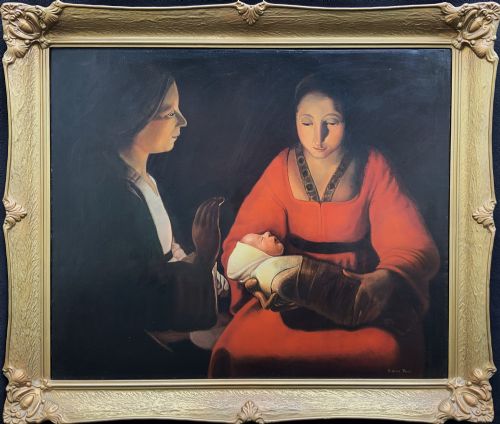
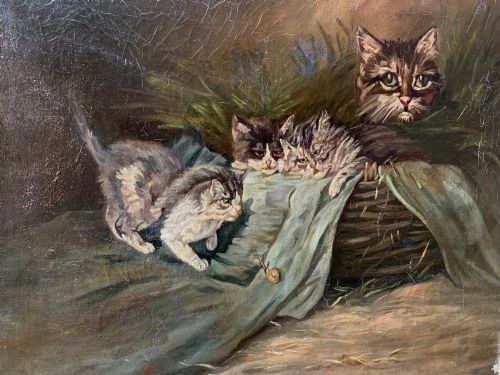
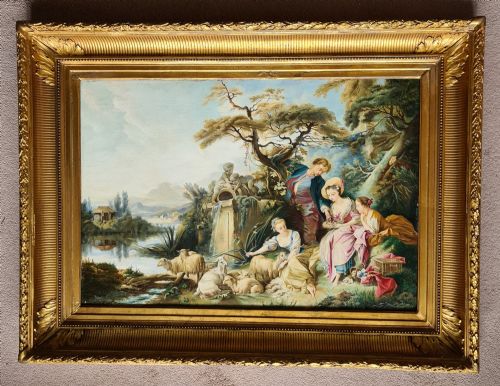
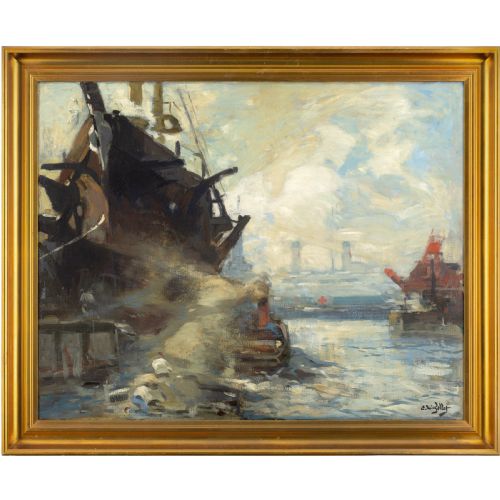
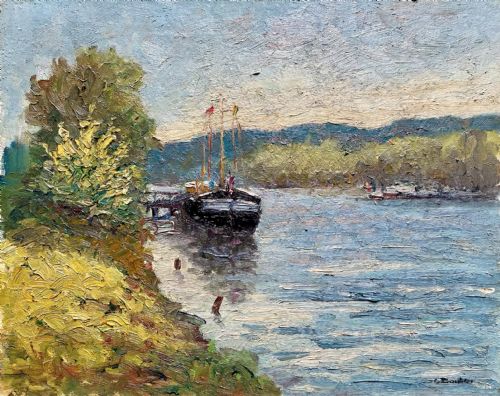
When you search for French oil on canvas, you encounter a diverse array of artworks spanning from the seventeenth century through to the mid-twentieth century. These pieces encompass formal court portraits, quiet rural scenes of the Barbizon school, luminous impressionist cityscapes and vibrant post-impressionist compositions.
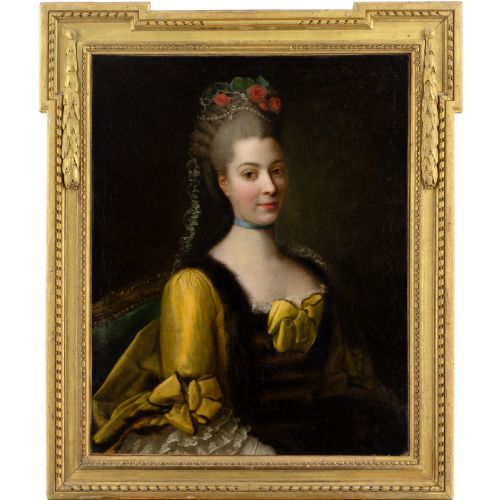
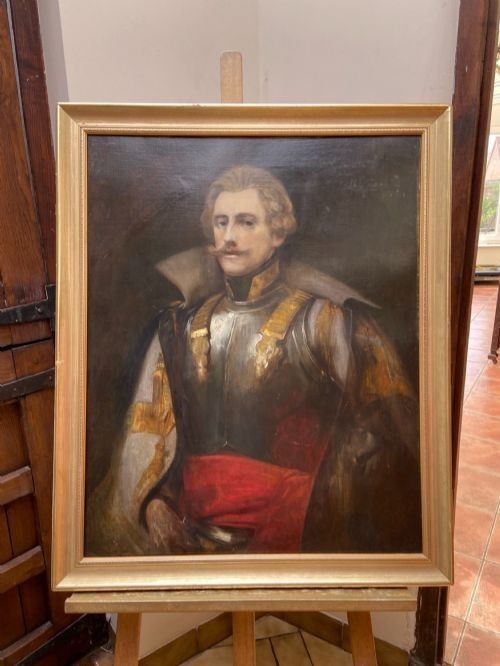
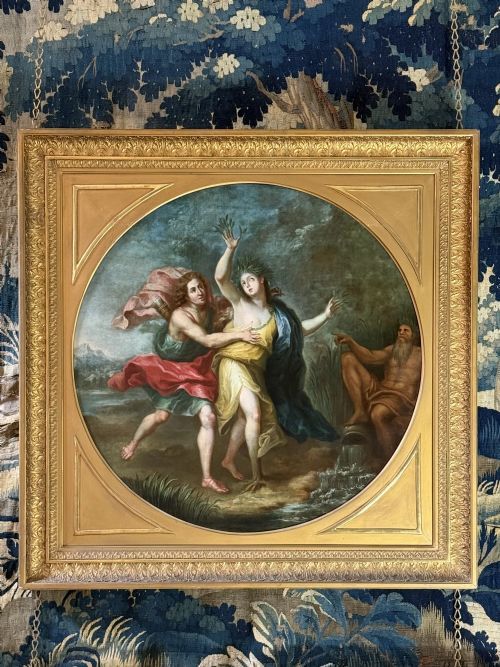
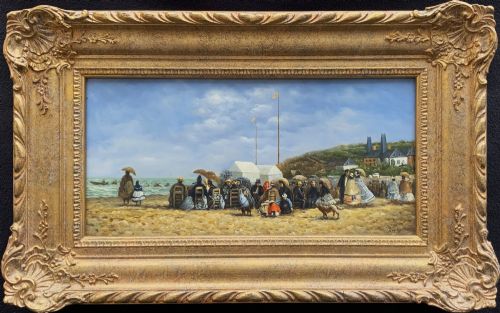
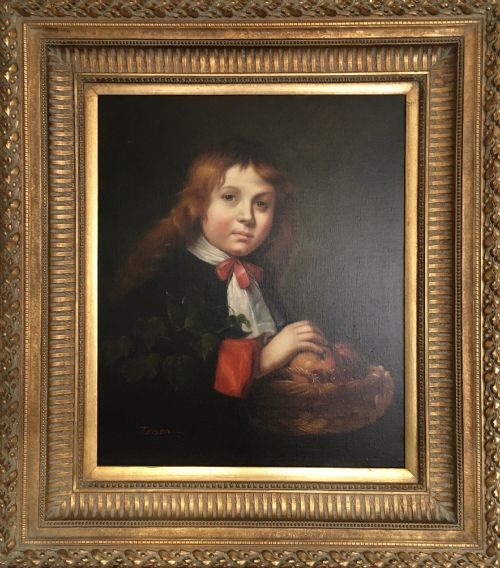
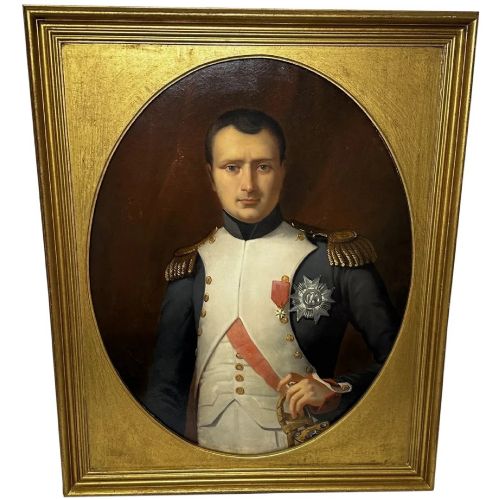
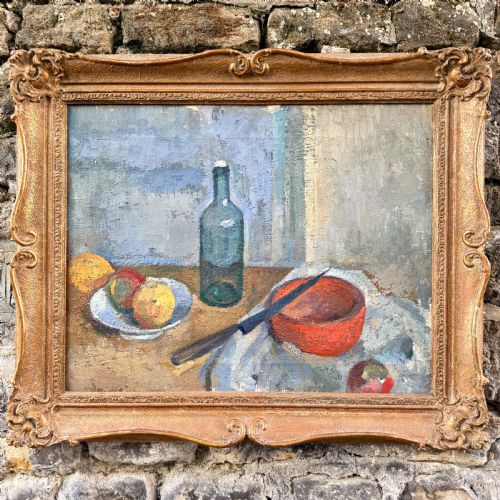
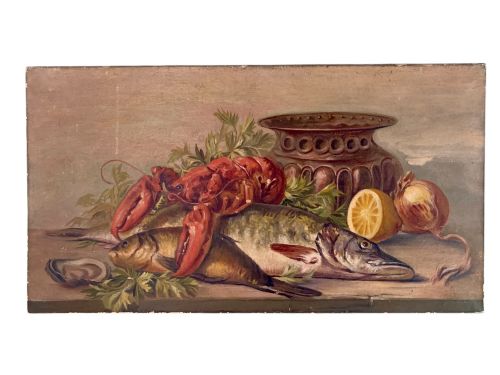
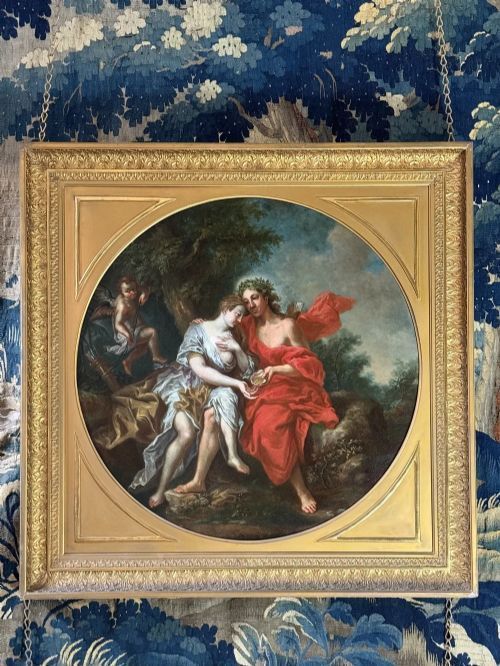
The selections on this page frequently highlight historical portraiture depicting military officers, judges and elegant ladies alongside atmospheric coastal views of Normandy and Provence. Buyers will also find still lifes featuring fish, lobsters and flowers, as well as classical mythological narratives executed by regional schools and named masters alike.
Materials and methods
The creation of these works relies fundamentally upon woven canvas stretched across wooden frames, serving as the stable ground for pigmented oil paint. Artists utilised brushes and palette knives to build rich textures, often applying gesso preparations to prime the fabric before laying down complex layers of colour.
Many historical examples retain their original or period-appropriate wooden frames, frequently enhanced with gilt wood and decorative gesso mouldings that reflect the aesthetic tastes of their respective eras, from ornate rococo designs to understated modern mouldings.
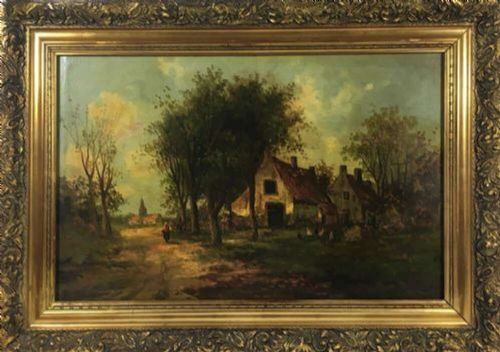
Listings feature numerous French regional scenes, documenting landscapes from Normandy, Brittany, Provence and the streets of Paris across the nineteenth and twentieth centuries.
Assessing the works
Quality in these paintings reveals itself through the confidence of the brushwork, the handling of light and shadow, and the anatomical or spatial accuracy achieved by the artist. Masterworks demonstrate a sophisticated understanding of colour harmony and psychological depth, whether rendering a lifelike human expression or the fleeting play of sunlight upon water.
The preservation of the canvas and pigment layer also distinguishes superior examples, alongside the integrity of the associated frame. Works that maintain their original canvas tension, stable paint surfaces and period framing without extensive modern intervention command greater appreciation among collectors.
Charles Antoine Coypel·Georges de La Tour·Edouard Pingret·Paul Désiré Trouillebert·Gabriel Dauchot
The French Oil on Canvas Glossary
- Barbizon School
- A nineteenth-century French art movement toward realism in landscape painting, deeply influential on impressionism. Artists associated with this group worked directly from nature in the forests and countryside surrounding Fontainebleau.
- Gesso
- A plaster-like mixture used as a surface preparation for painting on canvas or wood panels. It provides a smooth, stable white ground that helps adhere subsequent layers of oil paint.
- Impressionism
- A nineteenth-century art movement characterised by relatively small, thin yet visible brush strokes and an emphasis on accurate depiction of light. This style frequently captures everyday subjects and open landscapes.
- Post-Impressionism
- A predominantly French art movement that developed from about 1886 to 1905, extending impressionism while rejecting its limitations. Practitioners relied on symbolic motifs, distinct brush strokes and unnatural colours.
- Still Life
- A work of art depicting mostly inanimate subject matter, typically commonplace objects. These compositions often feature natural items such as flowers and food alongside man-made drinking glasses or textiles.
French Oil on Canvas: Frequently Asked Questions
What periods do these paintings cover?
The available artworks span multiple centuries, beginning with seventeenth-century classical and court portraits. Listings also feature eighteenth-century mythological scenes, nineteenth-century academic and Barbizon landscapes, and twentieth-century modernist compositions.
This broad chronological range allows collectors to acquire pieces representing distinct shifts in European painting techniques and philosophical movements over four hundred years.
How should I care for an oil painting?
Preserving these works requires hanging them away from direct sunlight, excessive moisture and rapid temperature fluctuations. Environmental stability prevents the canvas from slackening and protects the oil pigment and underlying gesso from cracking.
Dusting should be performed gently with a soft, dry brush, avoiding water or chemical cleaning agents. Professional conservators should handle any structural repairs or deeper cleaning.
Are the frames original to the pieces?
Many listings include period frames, such as nineteenth-century giltwood or twentieth-century Montparnasse moulding, which complement the age and origin of the artwork. Some frames are added later to suit the aesthetic presentation of the painting.
Examining the joining techniques and wear patterns on the wood helps determine whether a frame has accompanied the canvas for generations or was paired with it in more recent times.
How can I tell a study from a finished work?
Finished paintings generally exhibit a high degree of detail, blended colour transitions and a resolved composition intended for public exhibition or commission. Studies and cartoons, such as those prepared for tapestries, often display looser brushwork and visible compositional adjustments.
Both finished pieces and preliminary studies hold significant historical interest, offering insight into the creative process of the artist.