

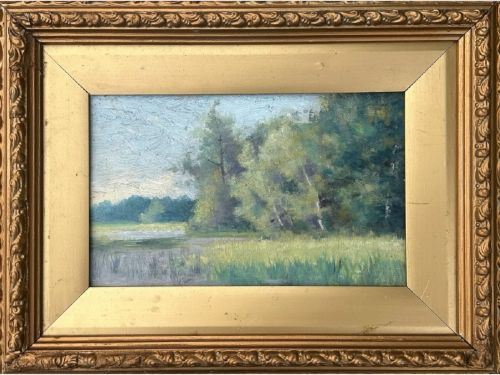


Impressionist Tree Oil Painting
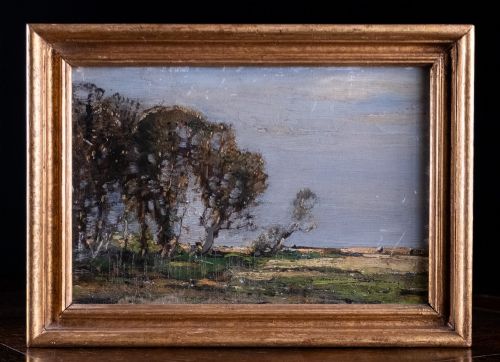
When you search for an impressionist tree oil painting, you encounter works capturing light and foliage across diverse landscapes from the nineteenth to the mid-twentieth century.
Impressionist Tree Oil Painting
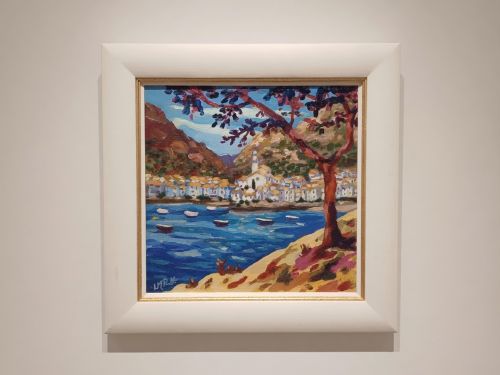
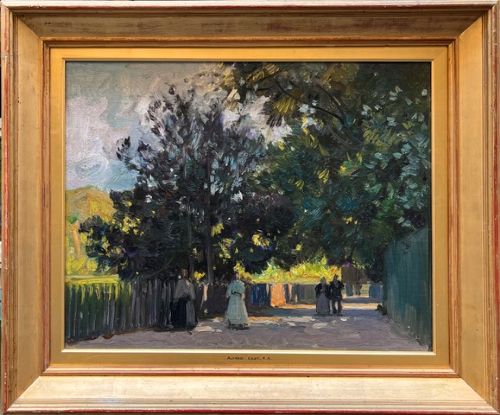
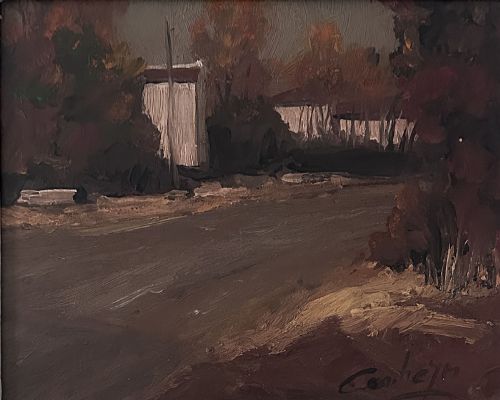
An impressionist tree oil painting captures woodland scenes, river paths, and orchard views through loose brushwork and a focus on natural light. The most common versions on this page are British and French landscapes spanning the nineteenth century through the mid-twentieth century.
Subjects range from Yorkshire farmyards and northern waterways to Mediterranean scenes featuring olive trees and southern streets. Artists record these outdoor subjects with a direct observation of atmosphere and seasonal change.
The formats vary from intimate panels and boards to larger canvases. Many are framed in period gilt wood that complements the painted surface.
How they were made
These works are executed in oil paint applied to canvas, wood panels, or boards, sometimes prepared with gesso layers. Artists build up the surface using broken brushstrokes and impasto to suggest texture in foliage and terrain.
Many paintings were created outdoors to capture transient light effects, while others were developed in studios from earlier plein-air sketches.
Listings feature works spanning the nineteenth century through the 1960s, executed in oil on canvas, wood, and board.
What varies in quality
Quality rests upon the artist's handling of light, tone, and spatial depth within the composition. Stronger examples demonstrate confident brushwork that defines the structure of branches and the play of shadow without becoming rigid.
The harmony of the palette and the preservation of the painted surface also distinguish the works. Superior pieces retain their original vibrancy and texture on canvas or panel.
George Graham·Kershaw Schofield·Lucy Pratt·Sir Alfred East·Maud Raphael Jones·William JB Jenkins·Owen Bowen·Herbert Royle·Ernest Higgins Rigg·Frederick W Jackson·Alois Arnegger·Hermoine Hammond·Antoine Bouvard·Antal Berkes
The Impressionist Tree Oil Painting Glossary
- Impressionism
- A style of painting characterised by relatively small, thin, yet visible brush strokes, open composition, and accurate depiction of changing qualities of light.
- Post-Impressionism
- A predominantly French art movement that developed from about 1886 to 1905, extending impressionism while rejecting its limitations.
- Impasto
- The process or technique of laying on paint or pigment so that it stands out in relief from a canvas or panel.
- Gesso
- A hard compound spread over wood or canvas and prepared for painting.
- Provenance
- The chronology of the ownership or location of a historical object.
Impressionist Tree Oil Painting: Frequently Asked Questions
How do I date an impressionist tree oil painting?
Dating relies on stylistic evidence, signatures, and the support material used, such as canvas, wood, or board. Clues often appear in framing and inscriptions on the reverse.
Comparative study of an artist's known working period helps narrow the decade of creation.
Where were these landscape paintings typically created?
Many works were painted directly outdoors in rural locations across Britain and France, including Yorkshire, Provence, and Parisian parks. Artists sought out natural settings with varied light.
Studio finishing sometimes followed initial plein-air observation.
How should I care for an oil painting on wood panel?
Wood panels require stable environmental conditions to prevent warping or cracking of the support. Keep paintings away from direct heat sources and dramatic humidity fluctuations.
Dust the surface gently with a soft, dry brush and avoid liquid cleaners.
What is the difference between canvas and board supports?
Canvas offers flexibility and a woven texture that interacts with the oil paint layers. Board and wood panels provide a rigid surface that often supports thinner, direct applications of paint.
Both materials were widely used throughout the nineteenth and twentieth centuries.