




French Neoclassical Wall Mirror
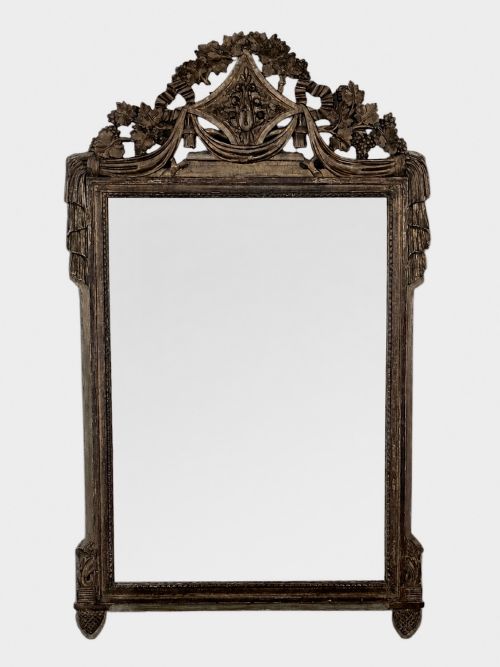
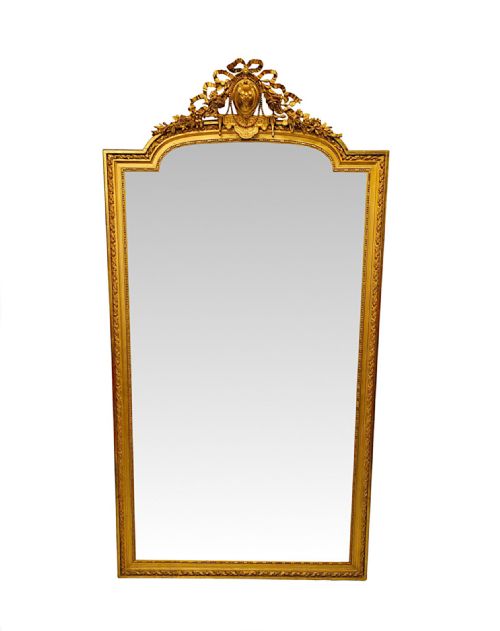
A french neoclassical wall mirror brings architectural proportion and gilded light to a room, framed in the classic restraint of the Louis XVI manner.
French Neoclassical Wall Mirror
When searching for a french neoclassical wall mirror, buyers encounter a distinct lineage of decorative objects originating primarily from the eighteenth and nineteenth centuries. These pieces span specific regional expressions, including pieces designed in the Louis XVI style, French chateau aesthetics, and later Victorian revivals.
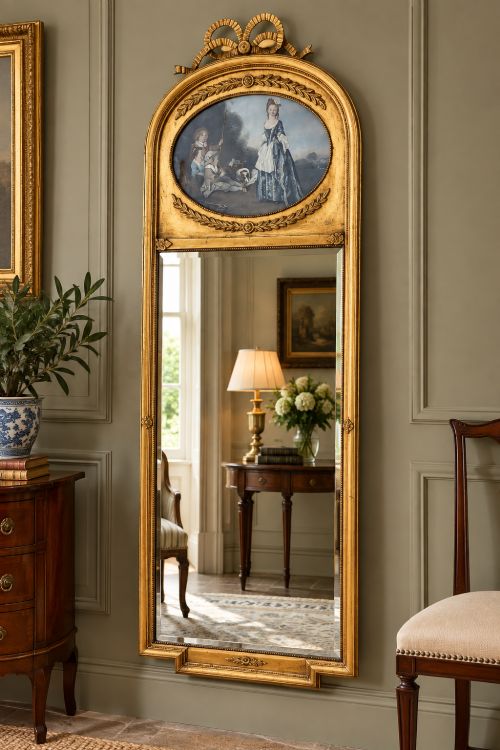
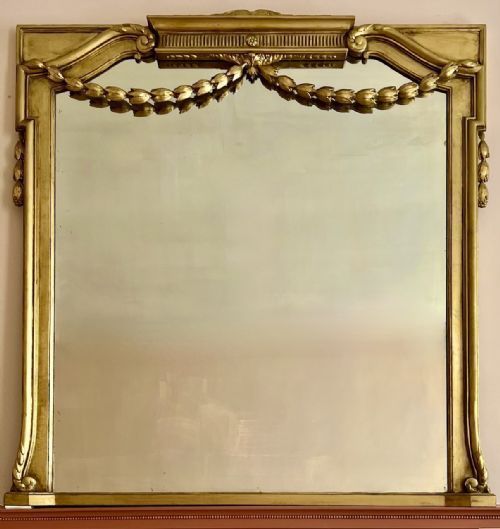
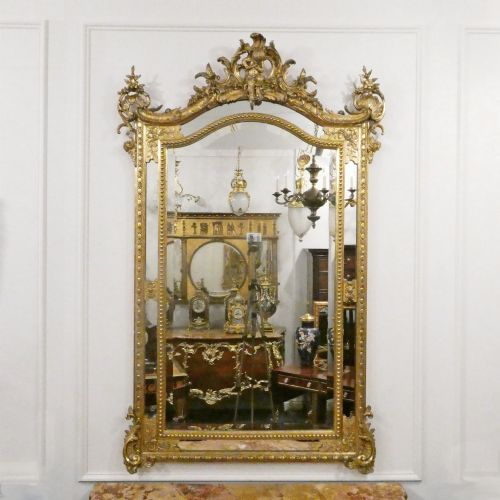
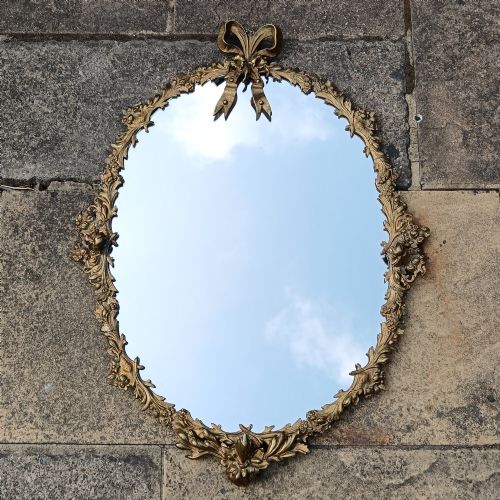
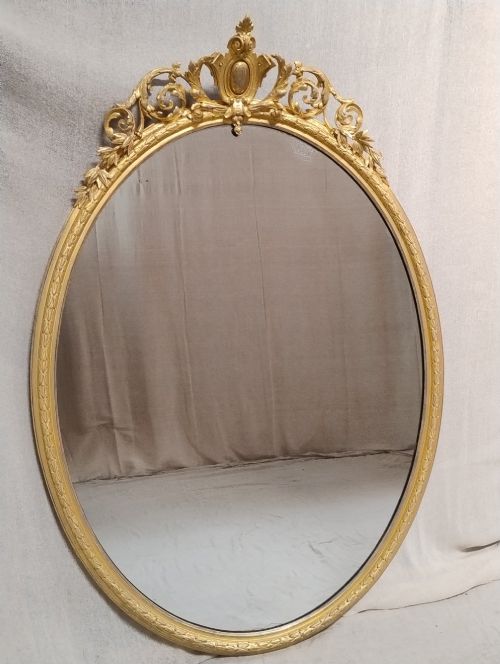
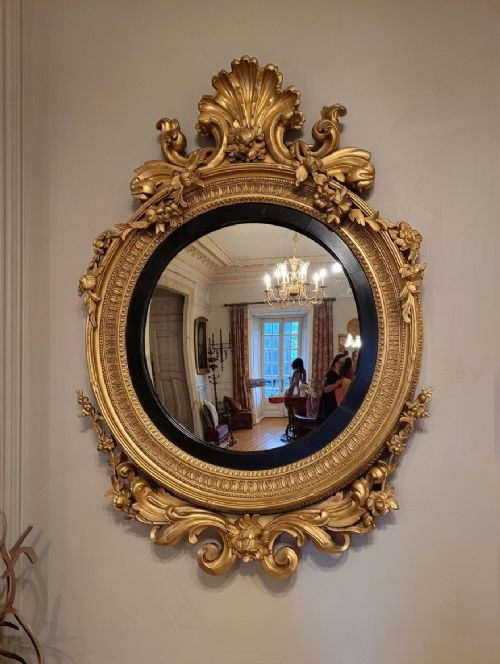
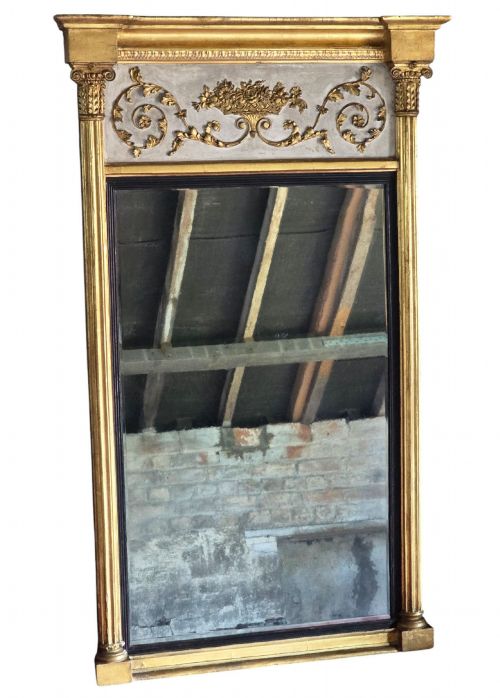
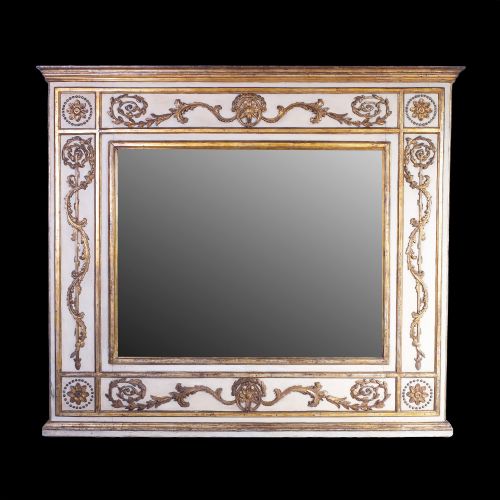
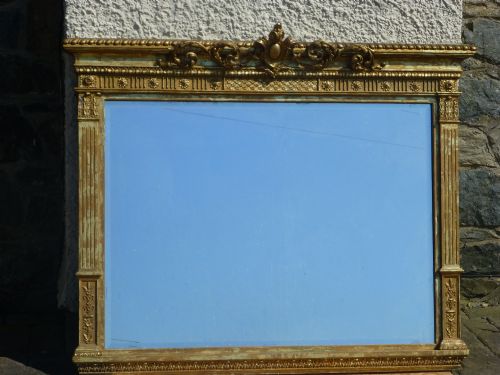
The physical formats recorded here include tall pier mirrors, expansive overmantel mirrors intended for placement above fireplaces, and smaller oval or round wall formats. The common thread uniting them is an adherence to neoclassical symmetry, rectilinear proportion, and classical motifs.
Most examples found on this page date from the nineteenth century, reflecting both original period production and subsequent revivals such as the Regency and Edwardian eras. Buyers select these forms to anchor a room with period character, utilising their reflective glass to amplify natural light within an interior space.
How they were made
Makers constructed the structural frames of these mirrors using timber such as wood, which was then layered with gesso to receive intricate surface ornamentation. Gilding was applied using gold leaf or paint, resulting in the luminous giltwood finishes characteristic of the style.
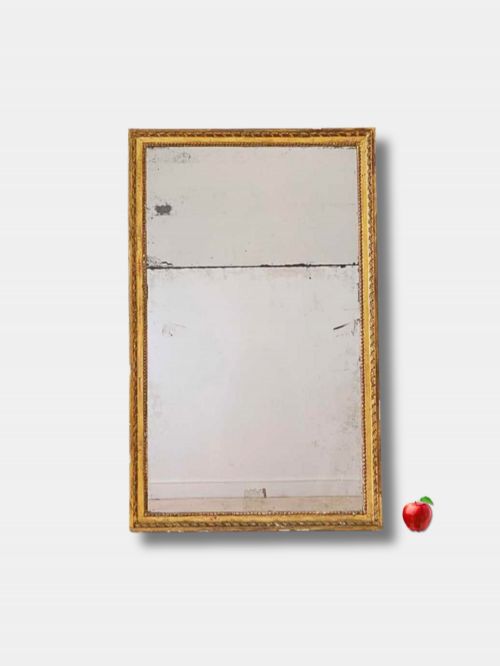
Decorative detailing often involved composition mouldings or hand-carved elements depicting classical motifs. Many pieces house early mirror glass, including mercury plate and bevelled glass plates that display the subtle imperfections associated with traditional silvering techniques.
Materials recorded across these listings include timber, gesso, composition, painted wood, and original mirror glass.
What varies in quality
The distinction between tiers of quality rests upon the crispness of the carver's hand and the depth of the ornamentation within the gesso and giltwood frame. Superior examples display sharply defined classical motifs and harmonious proportions, whereas lesser pieces rely on softer, moulded composition details.
Originality of components also dictates standing, with preference given to mirrors retaining their early mirror glass plates and backboards. The integrity of the original gilding, free from unsympathetic overpainting, marks the distinction between standard decorative items and high-period survivals.
The French Neoclassical Wall Mirror Glossary
- Giltwood
- Wood that has been coated with gold leaf or a gold-coloured finish. This technique creates the bright metallic surface seen on neoclassical frames.
- Mercury plate
- An early type of mirror glass produced by applying a tin-and-mercury amalgam behind the glass. It produces a characteristic mottled, deep reflection.
- Pier mirror
- A tall mirror designed specifically to hang on the narrow section of wall between two windows. They often match the height of adjacent furnishings.
- Overmantel mirror
- A wide mirror intended to be hung directly above a fireplace mantelpiece. These pieces frequently feature horizontal proportions to suit the width of the hearth.
- Trumeau mirror
- A decorative wall mirror incorporating a painted panel or carved artwork directly into the upper section of the frame. Originating in neoclassical interiors, they functioned as permanent architectural fixtures.
- Gesso
- A plaster-like preparation mixture used as a base for wood gilding and moulding. It provides a smooth surface that can be carved or stamped with classical details.
French Neoclassical Wall Mirror: Frequently Asked Questions
How do I hang a heavy antique mirror?
Heavy giltwood and overmantel mirrors require professional wall fixings secured directly into structural studs or masonry. Weight distribution across a substantial French frame demands robust hardware.
Because antique frames can be exceptionally heavy due to dense timber and gesso construction, hanging them safely protects both the wall and the structural integrity of the antique.
What is mercury glass?
Mercury glass refers to silvered glass plates made using historical techniques before modern vacuum-deposition methods were invented. They often show dark spots and a deep, cloudy reflection.
These optical characteristics help authenticate older pieces from the eighteenth and nineteenth centuries, adding historical depth to the reflection.
Where should I place an overmantel mirror?
An overmantel mirror traditionally sits centrally above a fireplace mantelpiece to reflect light and balance the hearth. Their wide proportions complement the architectural scale of a chimney breast.
They also function effectively on main reception room walls where a large horizontal focal point is required to anchor the furniture arrangement.
How do I clean antique mirror glass?
Clean antique glass gently with a soft microfibre cloth and a mild, ammonia-free solution applied to the cloth rather than directly to the glass. This prevents moisture from seeping behind the plate.
Avoid harsh commercial chemical cleaners that can damage fragile original silvering or corrode the surrounding giltwood and gesso frame surfaces.