
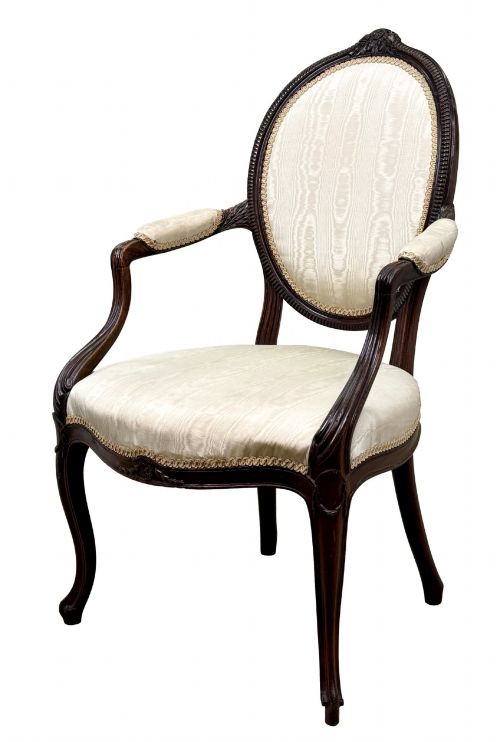


French Neoclassical Seat
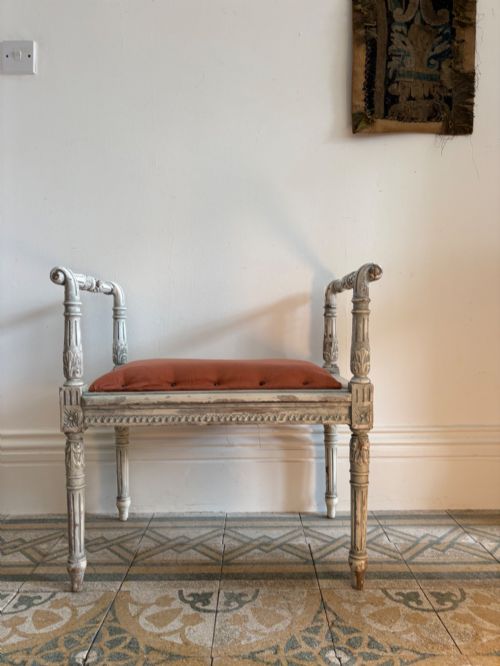
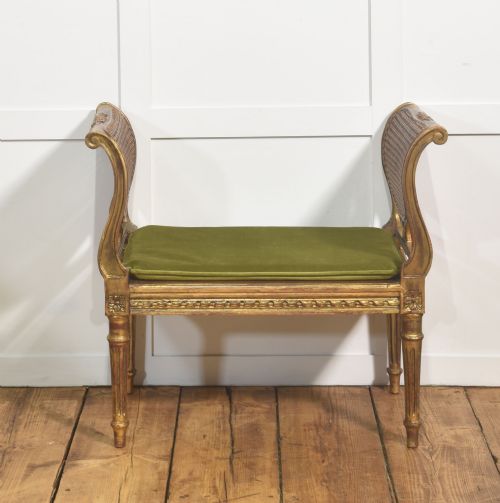
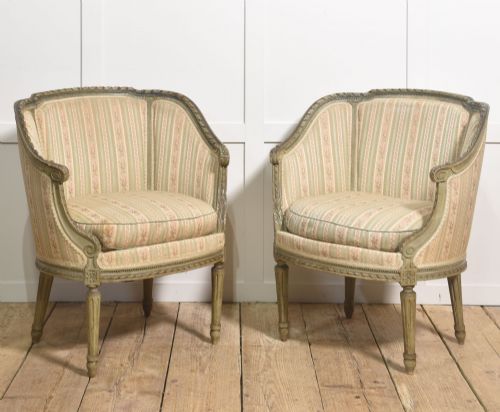
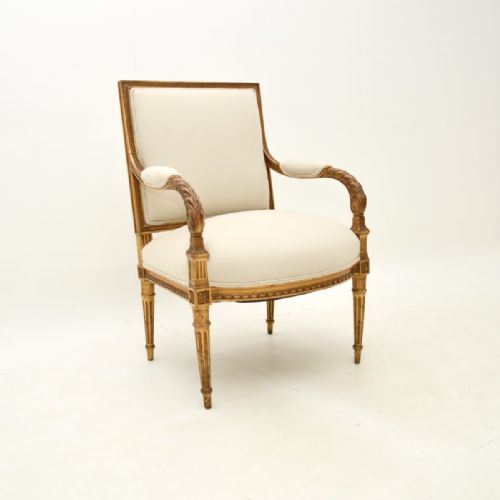
These french neoclassical seat examples range from gilded armchairs to painted window stools, offering classical discipline for a refined interior.
French Neoclassical Seat
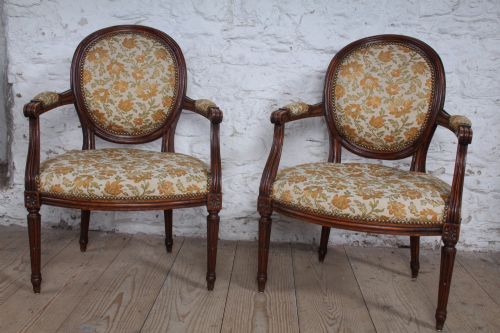
A french neoclassical seat encompasses armchairs, settees, and stools produced across the eighteenth, nineteenth, and early twentieth centuries. These forms reflect the enduring influence of Louis XVI, Empire, and Gustavian design vocabulary on seating furniture.
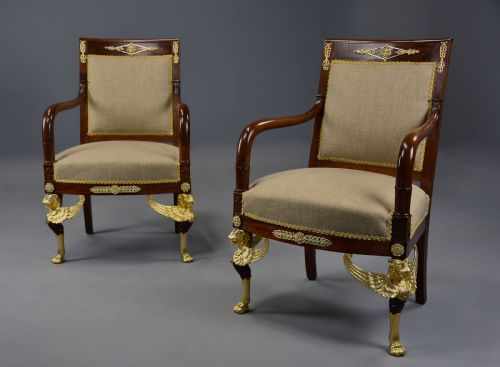
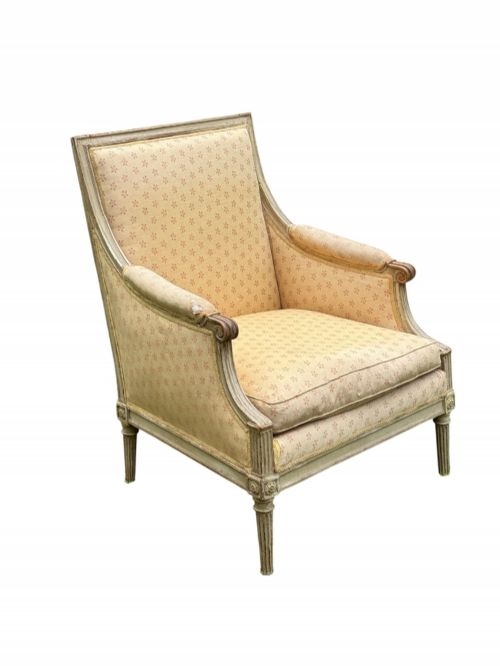
The pieces appearing most frequently on this page include nineteenth-century armchairs and twentieth-century revival chairs rendered in carved giltwood, painted wood, and mahogany. Makers and manufacturers of these periods drew directly upon ancient architectural motifs.
Buyers also encounter various forms of daybeds, window seats, and duet stools upholstered in silk, velvet, or needlepoint tapestry. These functional items served intimate salons and formal drawing rooms alike.
How They Were Made
Carpenters shaped structural frames from hardwoods such as mahogany, walnut, and beech before applying decorative surfaces like giltwood, brass mounts, or pale paint finishes. Carving tools defined the fluted legs, rosette corner blocks, and laurel wreaths characteristic of the style.
Upholstery techniques relied on traditional stuffing methods enclosed within textiles like silk, velvet, and intricate needlepoint panels. Canework panels also appeared on lighter window stools and salon chairs.
Several petite chairs in this collection were built specifically as children's salon seats.
What Varies in Quality
Quality rests upon the crispness of the hand-carved ornamentation and the architectural proportion of the frame. Superior examples display deeply chiselled acanthus leaves and fluting rather than soft, moulded resin or shallow mechanical cuts.
The integrity of the original giltwood or historic painted surface dictates distinction among surviving pieces. Skilled gilding and genuine period patination elevate a piece well above later repainted or heavily restored surfaces.
Etienne-Henri Dumaige·Henri Jacob
The French Neoclassical Seat Glossary
- Fauteuil
- An open-framed armchair with upholstered back and armrests, typically featuring exposed carved wood. These chairs populated French salons from the eighteenth century onward.
- Ormolu
- Gilded bronze mounts applied to furniture frames for decorative accent. Artisans cast and chased these metal elements to catch candlelight in formal rooms.
- Giltwood
- Wood coated with a thin layer of gold leaf over a prepared gesso ground. This finish provided brilliant reflection for neoclassical seating.
- Gustavian
- The Swedish interpretation of French neoclassical design, favouring pale painted finishes and restrained rectilinear forms. This style emerged during the late eighteenth century.
- Canework
- Woven cane seating panels utilised on light chairs and window benches. This technique offered durable flexibility for domestic seating.
French Neoclassical Seat: Frequently Asked Questions
What defines a french neoclassical seat?
These pieces draw inspiration from ancient Greek and Roman design, showing straight tapered legs, geometric symmetry, and carved motifs like fluting and wreaths.
Craftsmen interpreted these classical elements across armchairs, settees, and stools during the eighteenth century and subsequent revival periods.
How do I identify Louis XVI style?
Louis XVI seating is distinguished by rectilinear geometry, strict symmetry, and classical restraint, moving away from the curved exuberance of the preceding Rococo period.
Look for fluted column legs, square backrests, and carved rosettes at the frame joints.
Were these seats used in bedrooms?
Smaller salon chairs, window stools, and tub chairs frequently served private dressing rooms and bedchambers in grand houses.
Their scale allowed for flexible placement near windows or within intimate seating arrangements.
How should I care for giltwood?
Giltwood requires careful protection from moisture, direct sunlight, and abrasive cleaning materials to preserve the delicate gold leaf layer.
Dust the carved surfaces gently with a dry, soft brush to maintain the historic finish.