
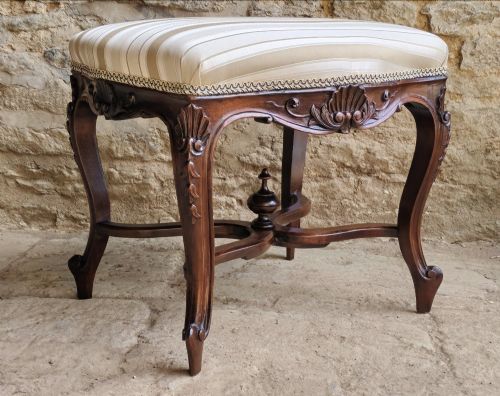


French Dressing Table Stool
These French dressing table stool examples are seating pieces designed for vanity use, offering both period charm and practical comfort for a bedroom.
French Dressing Table Stool
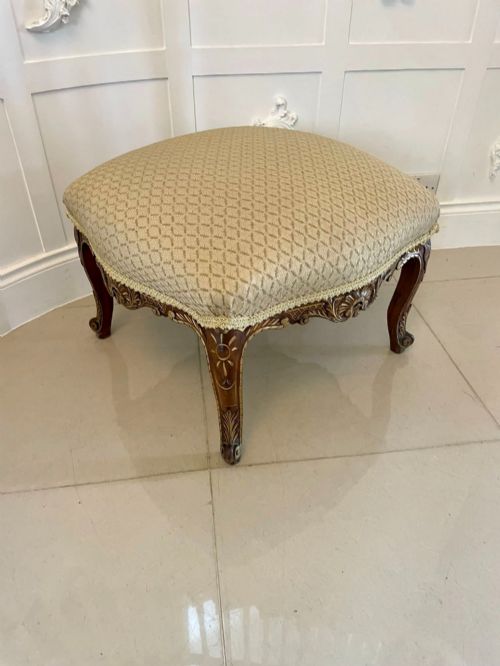
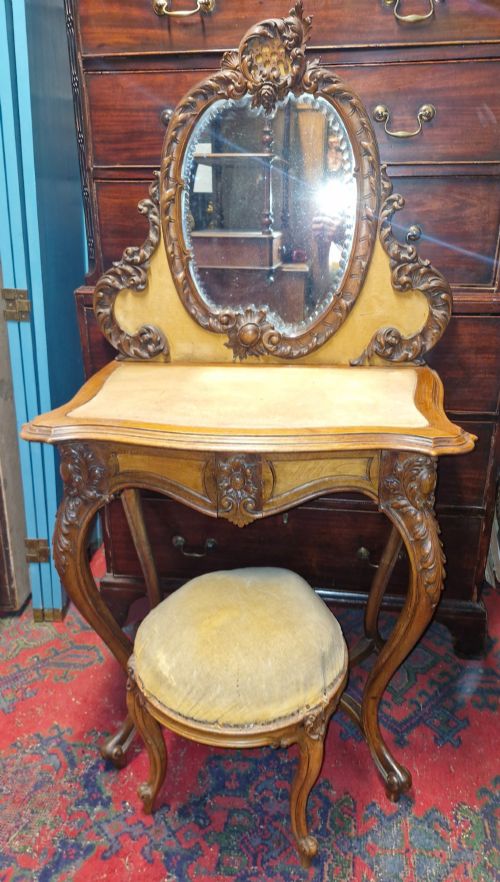
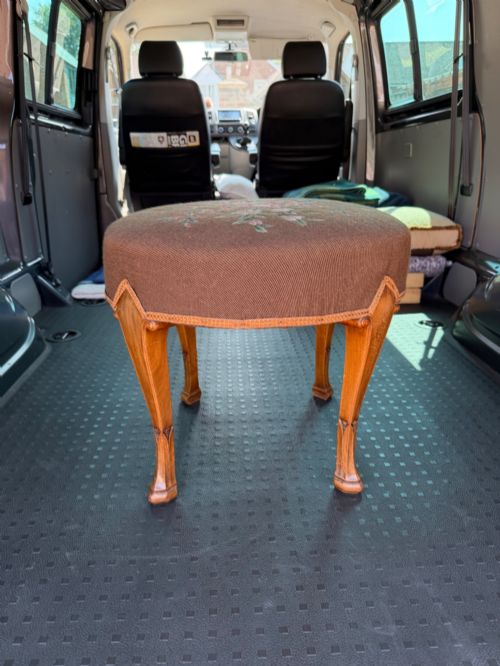
When searching for a french dressing table stool, you encounter low seating designed to sit neatly beneath a vanity or dressing chest. The examples span periods from the nineteenth century into the twentieth, including Victorian, Regency, and Art Deco eras.
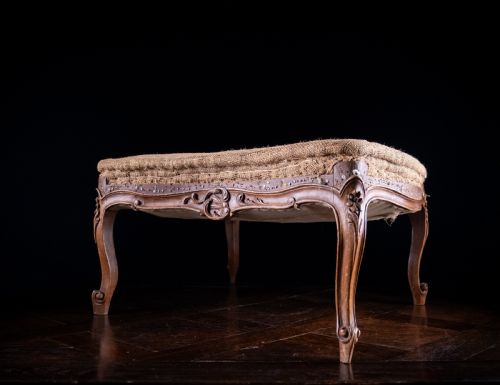
Most pieces seen here adopt continental design influences, most notably Louis XV and Louis XVI styles, alongside Victorian revival forms. You will find single stools and paired seats taking circular, long, or freestanding configurations.
Makers utilised various timber frames, dressing them in traditional upholstery such as velvet or simple fabric. These seats function primarily as dressing table companions or small window benches.
How they were made
The construction relies heavily on solid hardwoods including walnut, mahogany, beech, and oak, shaped into supportive frames. Many pieces feature hand-carved ornamentation applied directly to the timber substrate.
Surface finishes range from natural polished mahogany and walnut to painted wood and gilded giltwood. Upholstery methods involve securing fabric, velvet, or patterned textiles over padded seats, sometimes accented with brass details.
Some dressing stools survive in pairs, suggesting bedrooms once required matching seating for social grooming or symmetric vanity setups.
What varies in quality
The sophistication of the woodcarving dictates much of the visual distinction between pieces, where fluid hand-carved scrolls surpass simple turned legs. Timber selection also plays a role, with choice cuts of walnut or mahogany elevating the build.
The execution of the giltwood or painted finish affects the overall elegance, alongside the durability and execution of the period upholstery. Structural integrity in the joints determines whether a frame remains solid after decades of use.
The French Dressing Table Stool Glossary
- Giltwood
- Timber that has been coated with gold leaf or a gold-coloured finish. This technique highlights carved details on formal nineteenth-century seating.
- Cabriole leg
- A furniture leg that curves outward and then tapers inward, ending in a pad or foot. It is common on Louis XV and Rococo revival pieces.
- Louis XV style
- A design movement characterised by asymmetric curves, naturalistic plant motifs, and scrollwork. It influences many French-inspired dressing stools.
- Louis XVI style
- An aesthetic defined by straight lines, symmetry, and classical motifs derived from antiquity. It provides a more restrained contrast to earlier revival styles.
- Rococo revival
- A nineteenth-century resurgence of elaborate ornamentation, shell motifs, and C-scrolls. It appears frequently on Victorian walnut and mahogany stools.
French Dressing Table Stool: Frequently Asked Questions
How do I identify the period?
Dating relies on timber choices, carving styles, and construction techniques visible in the frame. Victorian and nineteenth-century pieces often display heavier carved walnut or mahogany.
Later twentieth-century examples incorporate simpler painted finishes or Art Deco design elements.
Where were these stools used?
They were kept in bedrooms and dressing rooms to provide seating during grooming routines. Their compact proportions allowed them to slide under dressing tables when not in use.
Some longer or paired versions also functioned as window seats.
What materials are common?
Frames are predominantly constructed from hardwoods like walnut, mahogany, beech, and oak. Surfaces are finished with polish, paint, or gilding.
Seats are typically upholstered in fabrics such as velvet, supported by internal padding.