




French Bedroom Stool
A french bedroom stool brings a touch of period elegance to a dressing room or boudoir.
French Bedroom Stool
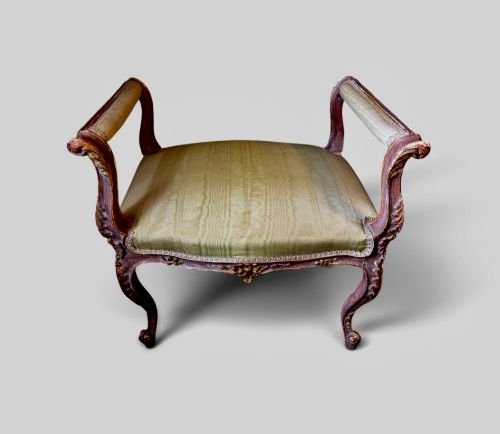
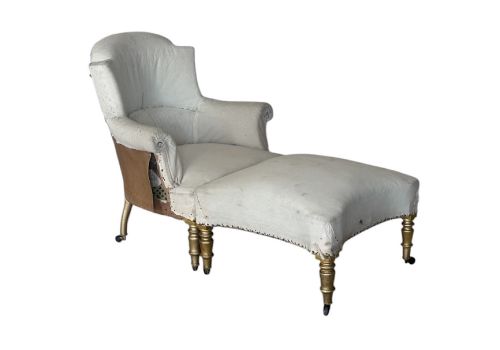
When you search for a french bedroom stool, you find a selection of seating forms spanning the nineteenth and early twentieth centuries, including window seats, footstools, and duet stools.
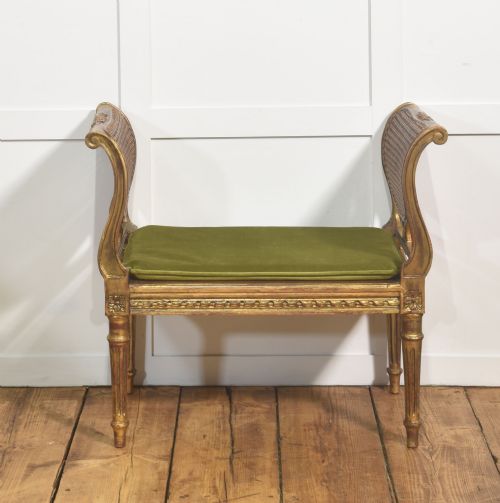
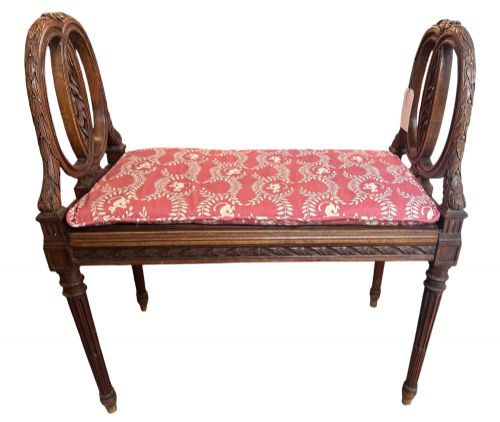
The versions you are most likely to meet on this page feature walnut, giltwood, and painted finishes, often drawing on Louis XVI and Rococo revival styles.
Many examples incorporate cane seating or upholstered fabric tops resting on cabriole legs.
Materials and construction
Carpenters shaped frameworks from hardwoods such as walnut and beech, applying intricate hand carving to rails and legs.
Giltwood and painted finishes received careful surface treatment, while cane panels were woven by hand into seat frames.
Some nineteenth-century makers evidently believed that one cannot have too many scrolls on a single footstool.
Assessing quality
The crispness of the hand carving dictates the visual merit of the piece, separating standard production from finer craftsmanship.
The integrity of the underlying timber frame and the quality of the gilding or paint determine longevity and visual appeal.
The French Bedroom Stool Glossary
- Cabriole leg
- A furniture leg featuring a double curve, bulging outward at the top and tapering inward toward the foot. This shape mimics animal limbs and appears frequently on period seating.
- Giltwood
- Wood that has been coated with a thin layer of gold leaf or gilt. It provides a bright, reflective surface characteristic of formal French seating.
- Cane
- Woven rattan or plant material used for seat panels. It offers a lightweight and decorative alternative to solid upholstery.
- Window seat
- A long stool designed to fit within the recess of a window. These pieces often feature arms or carved wooden frames suitable for lounging.
French Bedroom Stool: Frequently Asked Questions
What is a french bedroom stool used for?
These pieces serve primarily as functional seating in bedrooms and dressing areas. They provide a convenient perch beside a dressing table or at the foot of a bed.
Beyond basic seating, window seats and long stools function as decorative accents in hallways and reception rooms.
How do I identify Louis XVI style?
Louis XVI style pieces typically feature straight, fluted legs and classical symmetry, contrasting with the earlier curved lines of the Rococo period. Carved details often include ribbons, acanthus leaves, and neoclassical motifs.
The framework remains restrained and geometric, reflecting an eighteenth-century return to classical proportions.
Are these stools comfortable for daily use?
Upholstered versions provide soft seating suitable for dressing or resting. Fabric and padding thickness vary depending on whether the piece is a simple wooden stool or an elaborate duet seat.
Cane seats offer a firmer surface that relies on the natural give of the woven material.
How do I care for giltwood frames?
Giltwood requires gentle dusting with a soft, dry cloth to protect the delicate gold leaf finish. Moisture and harsh cleaning agents can damage the surface.
Keep these pieces away from direct sunlight and radiators to prevent the wood underneath from drying and cracking.