




French Miniature Painting
These small French miniature painting works offer intimate portraits and delicate scenes framed in period gilt metal and wood.
French Miniature Painting
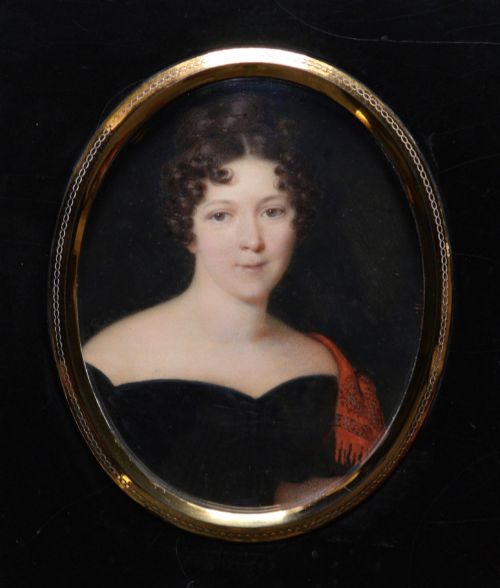
When you search for french miniature painting, you encounter diminutive artworks executed with remarkable precision across several centuries. These pieces encompass portrait miniatures, mythological watercolours, and enamel plaques housed in protective frames.
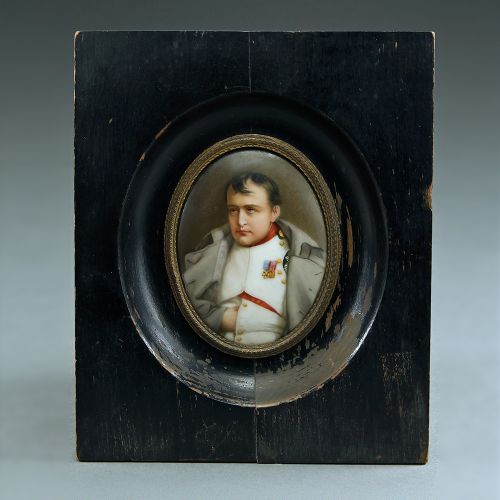
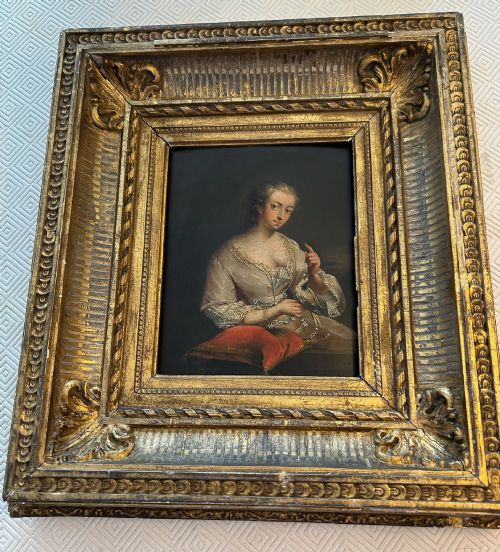
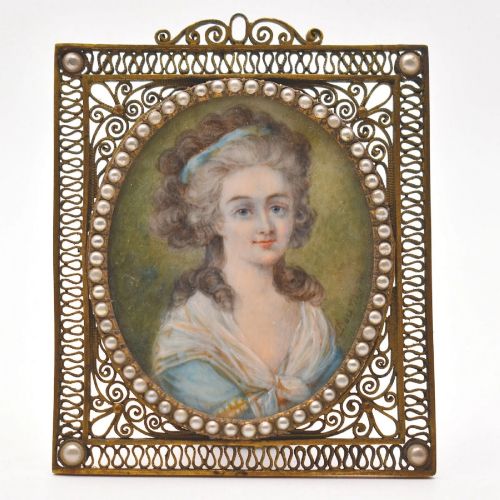
The version most commonly met on this page is the nineteenth-century portrait on porcelain or paper, often signed by the artist and set within a gilt brass or carved wooden mount. Historical figures, nobility, and idealized pastoral scenes dominate the subjects.
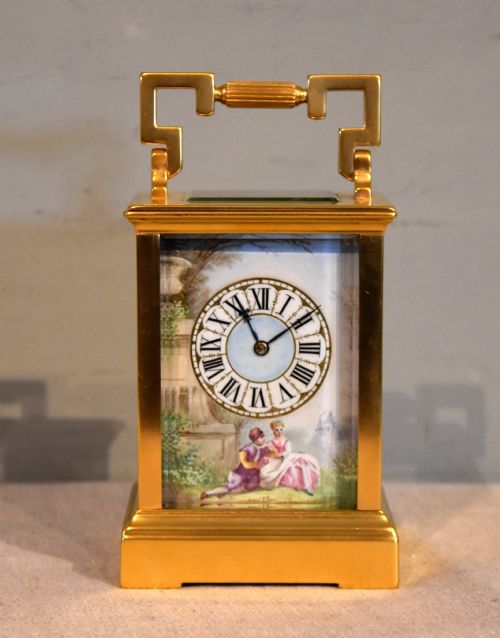
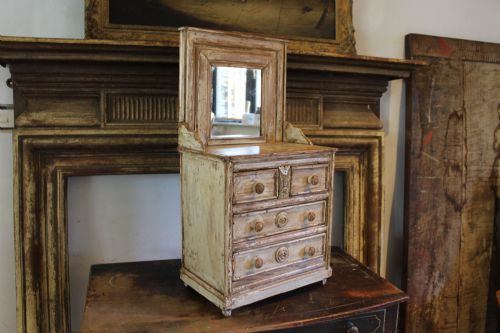
Beyond flat wall art, the tradition extends to decorated carriage clocks, porcelain ewers, and small furniture items inset with painted panels. Each object combines fine art with decorative utility characteristic of French craftsmanship.
Materials and construction
Artists painted these works using oil, watercolour, or gouache on specialised supports including ivory, vellum, paper, and prepared porcelain plaques. Enamel variants required fusing powdered glass pigments onto copper bases at high temperatures to achieve permanent colour.
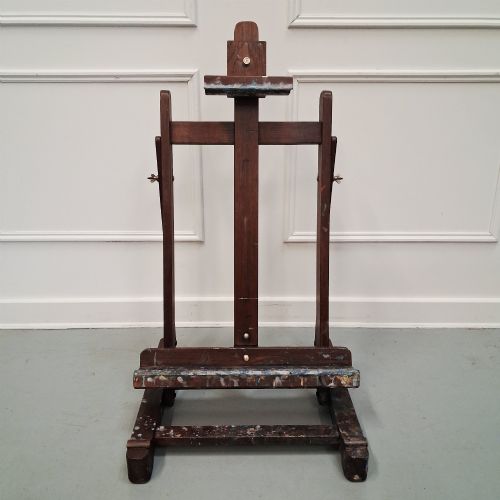
Frames and housings utilise cast or chased ormolu, giltwood, and precious metals like gold and silver, sometimes accented with seed pearls or champleve enamel. Miniature furniture and easels employ dense hardwoods such as oak, constructed to precise scale.
The listings span the eighteenth, nineteenth, and early twentieth centuries, recording materials from fragile glass and paper to robust porcelain and ormolu.
Factors determining quality
The skill of the brushwork defines the upper tier of these works, where facial expressions remain crisp and detailed under magnification. Lesser examples rely on hurried execution and formulaic rendering of clothing and backgrounds.
The preservation of the original mounting and the clarity of the protective glass or glaze preserve the integrity of the piece. Intact signatures, historical attributions, and high-grade metalwork or porcelain bodies elevate the standing of an item within its period.
Paul Lelong·Samson·Louis Leopold Boilly·H Desprez·Elisabeth Vigee Le Brun
The French Miniature Painting Glossary
- Ormolu
- Gilded bronze or brass mounts used extensively in French decorative arts. This technique involves applying a mercury and gold amalgam to a bronze base before heating.
- Limoges enamel
- Painted enamelwork produced in the French city of Limoges, typically featuring rich opaque colours on copper plaques. Artisans built up layers of vitreous enamel to create depth and shading.
- Gouache
- An opaque water-based paint mixed with a gum binder and white pigment, favoured for its matte finish and fine detail. It allows artists to achieve solid colour areas and precise miniatures on paper.
- Champleve enamel
- A technique where troughs or cells are dug into a metal surface and filled with enamel powder before firing. The surrounding metal partitions remain visible as part of the design.
French Miniature Painting: Frequently Asked Questions
How were these tiny portraits displayed?
Many of these works hung in small groups on parlour walls or sat upon tabletop easels designed specifically for diminutive art. Others were mounted into functional luxury goods like carriage clocks, snuff boxes, and pendant lockets.
Their portability allowed owners to carry likenesses of family members or rulers during travel. Today, they remain suited for small wall spaces or tabletop display cabinets.
Are these paintings signed by artists?
Certain pieces bear artist signatures or attributions to prominent schools and painters, while others remain anonymous studio productions. Signatures often appear discreetly along the edge of the painted surface.
Archival records and stylistic comparisons help scholars link unsigned works to particular periods or workshops. Signed examples by documented artists command particular interest among collectors.
What materials support the painted scenes?
Artists utilised a variety of stable surfaces depending on the medium, ranging from thin porcelain plaques to paper, vellum, and copper. Porcelain provided a smooth, luminous base that held fine enamel colours permanently after firing.
Watercolour and gouache required paper or card protected beneath glass to prevent fading and moisture damage. Enamel works fused glass directly onto metal to resist degradation over time.
How do I date an antique miniature?
Dating relies on examining the style of the subject's clothing, the framing materials, and construction techniques of the housing. Regency and Napoleonic pieces often feature distinct empire styling, whereas later Victorian examples utilise heavier gilt brass mounts.
Backings, labels, and handwriting on the reverse can offer further clues regarding origin and age. Comparing the brushwork style to dated examples within the same school narrows down the period of creation.