
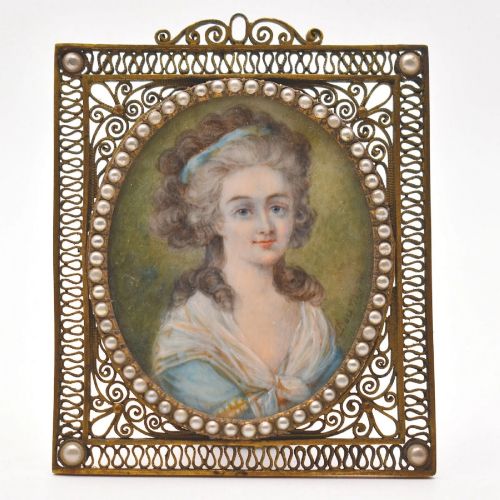


Gold Brass Miniature Frame
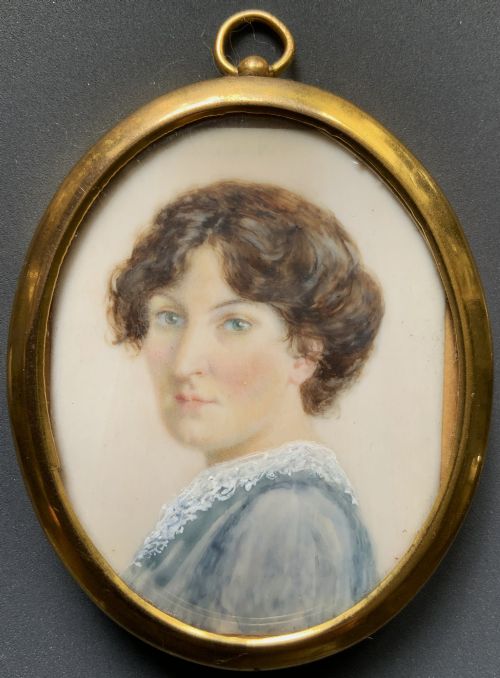
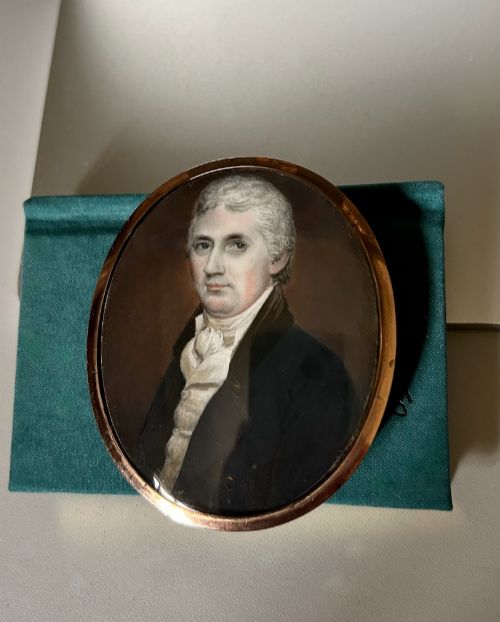
These gold brass miniature frame pieces hold delicate portraits and watercolours, offering intricate metalwork and intimate scale that collectors prize for cabinet displays.
Gold Brass Miniature Frame
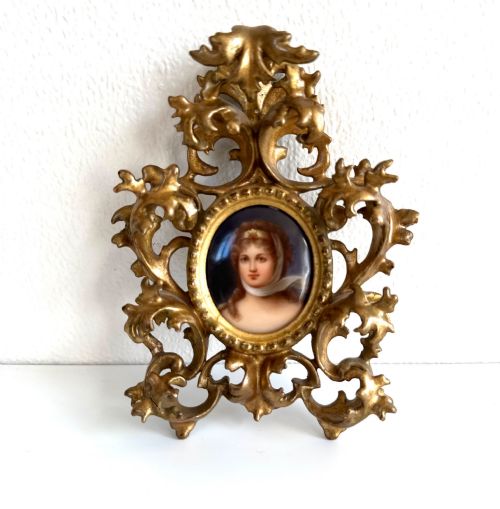
The objects appear in forms such as oval picture frames, travelling mounts, table mirrors, and gilt metal stands. Materials range from brass and ormolu to gilt bronze and gilt metal, often housing paper, glass, porcelain, and watercolour artworks.
Materials and construction
These items utilise base metals such as brass, ormolu, and gilt bronze to create durable yet ornate housings. Artisans combined cast or stamped metal frameworks with protective glass elements to shield fragile paper, plaster, and porcelain plaques inside.
Surfaces were frequently gilded to achieve the appearance of solid gold while maintaining structural integrity. Internal components often integrated paper, watercolour, gouache, and seed pearls alongside hand-painted portrait miniatures.
Listings feature items from the 18th century, Georgian period, Regency era, and Victorian times, constructed in brass, gilt metal, and ormolu.
Assessing craftsmanship and condition
Quality in these pieces depends upon the crispness of the cast metalwork and the preservation of the original gilding. Superior examples display refined chasing and secure bezels that hold the glass and artwork firmly without distortion.
The artistry of the enclosed portrait miniature or silhouette significantly influences the overall desirability of the piece. Finer items feature detailed hand-painted watercolours, porcelain plaques, or enamelling that complement the surrounding metal frame.
Susie Lassam RMS RA·John Miers·Emma Kendrick·F. Bienvue
The Gold Brass Miniature Frame Glossary
- Ormolu
- A technique of applying finely ground high-carat gold to a bronze or brass object using a mercury amalgamation process. This finish provides a warm, durable metallic lustre found on many nineteenth-century mounts and frames.
- Gilt Bronze
- An alloy of copper and zinc treated with a gold coating to simulate solid precious metal. It offers strong structural stability for intricate casting work on small picture frames.
- Portrait Miniature
- A small, highly detailed painting on ivory, vellum, card, or porcelain, usually executed during the eighteenth and nineteenth centuries. These delicate works are frequently housed in brass and gilt metal frames.
- Travelling Mount
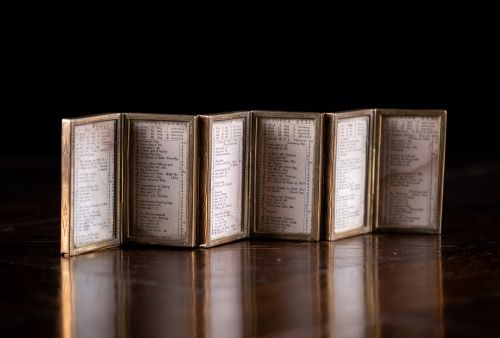
- A hinged or folding enclosure designed to protect miniature paintings and almanacs during transit. These items often feature glass panels and secure brass mountings for portability.
Gold Brass Miniature Frame: Frequently Asked Questions
How do I date a gold brass miniature frame?
Dating relies upon stylistic markers, materials, and accompanying portrait techniques associated with periods like the Georgian or Victorian eras. Examining the construction of the brass mount and the fastening methods provides further chronological clues.
Changes in artistic conventions for portrait miniatures also help narrow the timeframe of manufacture. Written signatures or inscriptions on reverse panels sometimes confirm exact dates.
What were these miniature frames originally used for?
These frames served as portable or desktop tributes to family members, loved ones, or notable figures. People carried travelling mounts on journeys or displayed table mirrors and easel stands within domestic interiors.
They functioned as personal tokens of affection and status symbols among collectors of fine art. Their small scale allowed for intimate viewing in private chambers.
How should I display a gold brass miniature frame?
Place them away from direct sunlight to protect the delicate watercolours, paper, and pigments housed inside the glass. Stable humidity levels prevent corrosion on the brass and gilt metal surfaces.
Utilise secure cabinet shelving or specialised display stands that support the weight of the metal frame safely. Avoid hanging them in areas prone to excessive temperature fluctuations.
Are portrait miniatures always hand-painted?
Most period examples feature hand-applied watercolour, gouache, or enamel work by skilled artists. Some later pieces incorporate printed elements or silhouettes on plaster.
Magnification often reveals the fine brushstrokes characteristic of traditional miniature painting techniques. Materials like porcelain plaques also received meticulous hand-painted details.