



Georgian Era Portrait Miniature
A georgian era portrait miniature captures an intimate human likeness on a tiny scale, offering a direct glimpse into the faces of the past.
Georgian Era Portrait Miniature
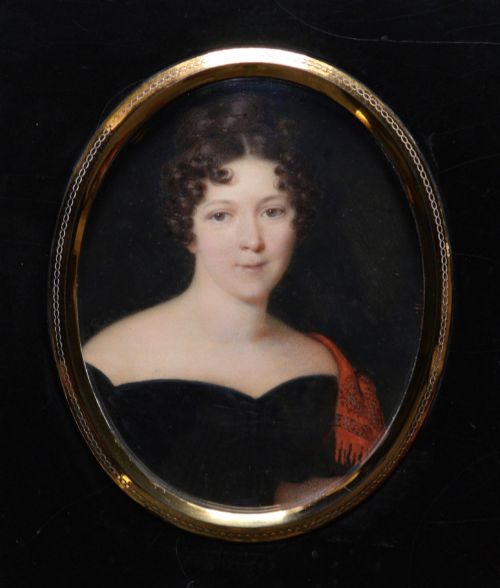
The objects take several distinct forms, most commonly framed artwork and portrait paintings, alongside specialised items like snuff boxes. Works appear in circular gilt frames or glazed mounts intended to protect the delicate media inside.
The selection on this page shows British, French, and German origins executed in styles ranging from English Regency to French Rococo and Biedermeier. Buyers frequently encounter watercolours and pencil sketches depicting named individuals or anonymous subjects from around eighteen-twenty.
How they were made
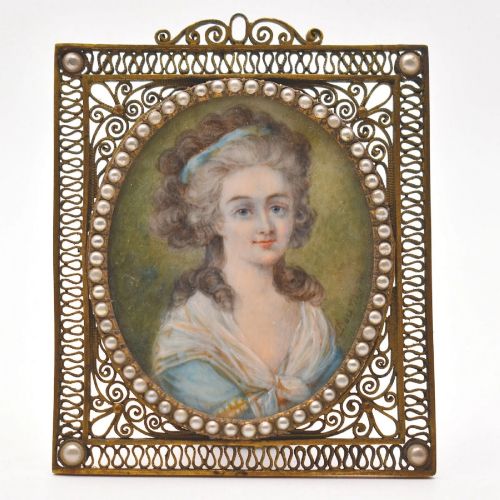
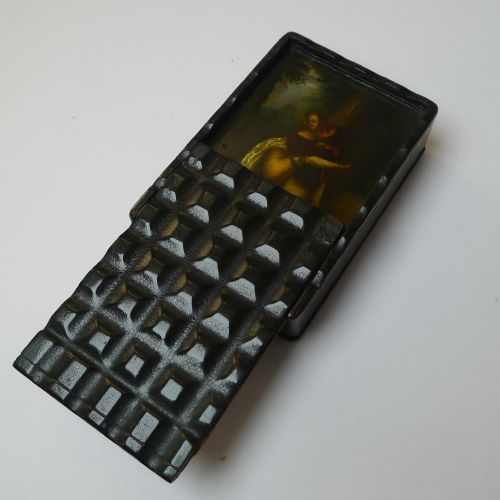
Finished works were housed within protective enclosures of glass and gilt metal, sometimes incorporating elaborate decorative elements such as seed pearls. Snuff boxes utilised specialised construction to conceal erotic miniature paintings within sliding or hinged lids.
German gentlemen commissioned concealed erotic paintings inside snuff boxes to enjoy private art during polite social gatherings.
What varies in quality
Quality rests upon the draughtsmanship and the artist's ability to render expression and character within a confined space. Superior works demonstrate confident pencil work or fluid watercolour application that captures lifelike anatomical proportions.
The quality of the housing similarly influences the piece, distinguishing standard frames from elaborate gilt wood settings and seed pearl embellishments. Signed works and attributions to recognised artists elevate the standing of a miniature portrait.
Dumont·Stobwasser·George Clint·Lady Francis Herbert
The Georgian Era Portrait Miniature Glossary
- Gouache
- An opaque water-based paint that provides solid, matte areas of colour. It is frequently combined with watercolour in portrait miniatures to build up highlights and clothing textures.
- Regency
- A period in British history spanning from eighteen-eleven to eighteen-twenty. Items from this era often display clean lines and classical restraint in their portraiture.
- Seed pearl
- Very small natural pearls utilised in jewellery and decorative framing during the period. They are often sewn or set around the perimeter of a miniature portrait.
- Snuff box
- A small container designed to hold powdered tobacco. Some examples incorporate concealed paintings beneath secondary lids.
- Biedermeier
- A Central European style dating from the early nineteenth century that emphasises domestic realism and simplicity. Portraits in this style focus on unpretentious likenesses of everyday individuals.
Georgian Era Portrait Miniature: Frequently Asked Questions
How were portrait miniatures originally worn or displayed?
Many of these small works were designed to be worn close to the heart as pendants or kept inside pocket watches and lockets. Others were framed for intimate domestic display on small easel stands or gallery walls.
Over time, owners transitioned from portable personal mementos to stationary wall art housed in circular or rectangular gilt frames.
What subjects appear most often in these paintings?
Portraits frequently depict family members, children, and fashionable society figures including actresses and naval officers. Some pieces record specific historical individuals identified by contemporary inscriptions or archival records.
Anonymous sitters also appear regularly, capturing the everyday appearance of middle and upper-class individuals from the period.
Why are some miniatures painted on paper while others use different grounds?
Paper and card served as standard supports for watercolour, pencil, and gouache due to their smooth absorbent qualities. Oil paint required firmer grounds like metal or prepared panels to properly cure and adhere.
The chosen material depended upon the artist's preferred medium and the intended final format of the portrait.
How do you distinguish Regency pieces from earlier eighteenth-century works?
Regency portraits generally reflect the neoclassical fashions, softer hairstyles, and muted palettes popular during the early nineteenth century. Eighteenth-century examples often feature more elaborate costume details, powdered wigs, and French Rococo influences.
Clothing styles, framing materials, and accompanying signatures or inscriptions provide the clearest indicators of date.