




Gilt Bronze Portrait Frame
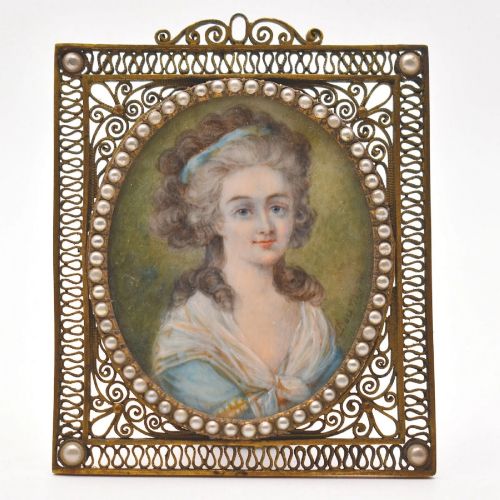
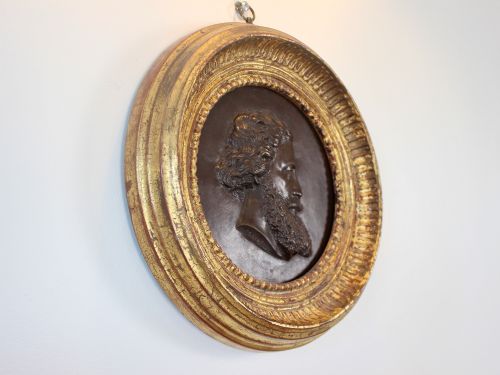
A gilt bronze portrait frame holds miniature paintings, silhouettes and photographs, bringing small-scale portraiture and decorative metalwork into focus.
Gilt Bronze Portrait Frame
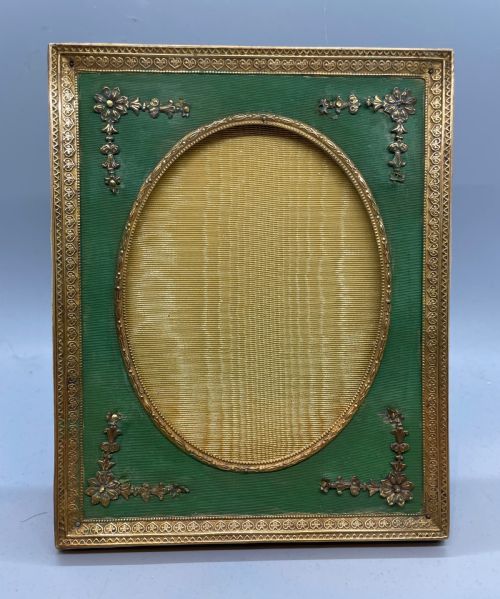
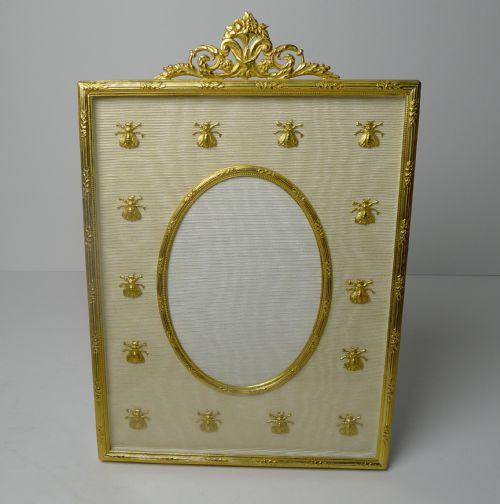
A gilt bronze portrait frame pairs cast or chased metal housings with glazed apertures for small likenesses, ranging from standalone table mirrors to wall plaques and oval picture frames. These decorative objects primarily appear in nineteenth century designs, spanning Victorian, Regency and Edwardian eras alongside earlier Georgian and eighteenth century examples.
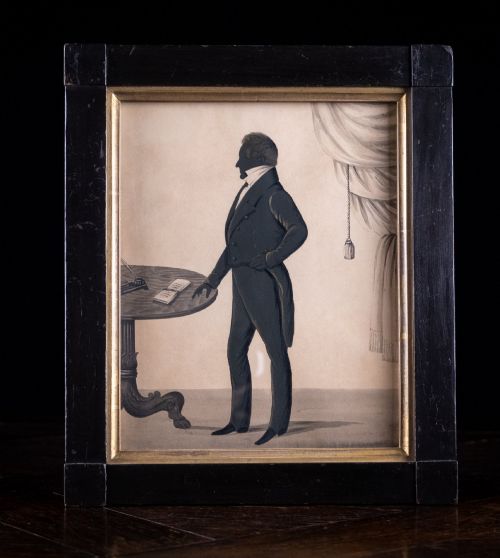
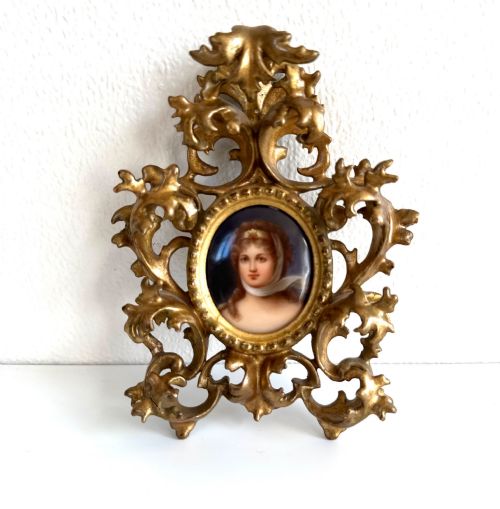
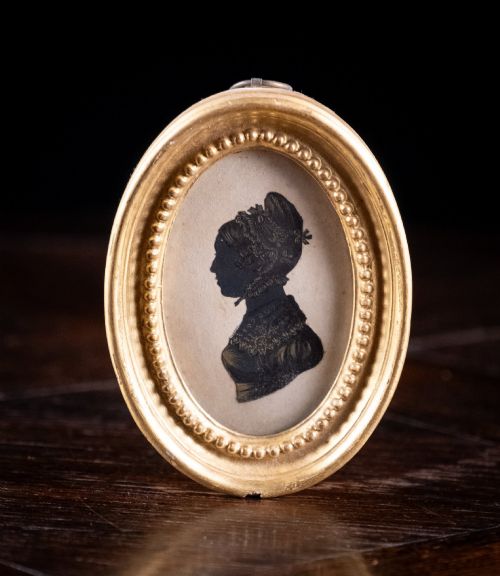
The objects housing these frames vary from hand-painted miniature paintings and signed portrait miniatures with seed pearl borders to silhouettes of gentlemen and ladies, plus photographic inserts. French ateliers dominate the selection, showing distinct decorative vocabularies from French Rococo revival to Louis XVI revival and Napoleonic motifs.
Buyers encounter both dedicated picture frames designed for portraits and complete framed artworks, including Limoges enamel table mirrors and miniature paintings after Boucher. Ormolu and gilt metal often accompany the primary gilt bronze constructions, sometimes incorporating paste stones or damask fabric.
Materials and construction methods
Gilt bronze, ormolu and brass form the structural framework for these pieces, shaped through casting and intricate chasing to achieve high-relief decorative borders. Artisans frequently integrated glass panels to protect delicate paper silhouettes, miniature paintings on ivory or card, and silk backing materials.
Specialist techniques define the finer examples, from hand-applied fire gilding to the inclusion of paste stones and Limoges enamel plaques. Signatures from makers such as Mainfroy, Boin Taburet, F. Bienvue, Dumont and N. Millett indicate the involvement of skilled portrait painters and bronze founders.
Materials documented across the listings include glass, gilt bronze, brass, silk, paper, gilt metal, ormolu and ink.
Assessing quality in gilt bronze portrait frames
Quality rests upon the crispness of the bronze casting and the depth of the chasing, where sharper, more defined ornamentation distinguishes superior workshops from simpler production pieces. The quality of the interior artwork, whether a finely detailed miniature painting or a clean silhouette, elevates the piece significantly.
The presence of signed works by known makers or painters adds a distinct layer of distinction, as does the integration of specialised decorative elements like paste stones, Limoges enamel or original glass and silk components. Heavier, more substantial metal mounts generally indicate better material use and structural integrity.
Boin Taburet·F. Bienvue·Mainfroy·Dumont
The Gilt Bronze Portrait Frame Glossary
- Gilt bronze
- Metal cast and finished with a thin layer of gold or gold-coloured alloy. This material forms the durable and decorative structure of the frame.
- Ormolu
- A historically specific term for high-quality gold-coloured bronze applied via mercury gilding. It gives a rich, warm metallic finish to nineteenth century frames.
- Portrait miniature
- A small-scale painted likeness executed with fine brushwork on ivory, vellum or card. These are frequently housed directly within the gilt bronze frames.
- Silhouette
- A portrait profile filled in with a solid dark colour, typically cut from paper or painted. Early nineteenth century examples frequently depict seated or standing gentlemen and ladies.
- Paste stone
- Cut and polished glass used to imitate gemstones in decorative metalwork. They add sparkling accents to the borders of French frames.
Gilt Bronze Portrait Frame: Frequently Asked Questions
What periods do these frames come from?
The pieces span the eighteenth, nineteenth and early twentieth centuries. Georgian, Regency, Victorian and Edwardian examples are well represented.
French makers produced many of the surviving items during the nineteenth century, drawing heavily on Rococo and Louis XVI revival styles.
How were these frames used?
They functioned as intimate desktop accessories, table mirrors and wall decorations to display likenesses of family members or artistic subjects.
Miniature paintings, silhouettes and early photographs were safely housed behind glass to preserve delicate watercolours and paper.
What materials are used besides bronze?
Makers incorporated glass to protect the portraits, alongside silk and paper linings within the frame interiors. Ormolu, brass and gilt metal provide the primary metallic structures.
Specialist additions include Limoges enamel and paste stones set directly into the metal mounts.
How do I identify French pieces?
French frames often feature characteristic decorative motifs such as Napoleonic bees, elaborate scrollwork, or pastoral scenes reminiscent of Boucher. Signatures from Parisian makers or enamel artists frequently appear on the works.
Stylistic revivals like French Rococo and Louis XVI provide strong visual indicators of French origin.