


French Marquetry Planter Table
A french marquetry planter table brings living greenery indoors with aristocratic flair, combining fine floral wood inlay and structural metal mounts.
French Marquetry Planter Table
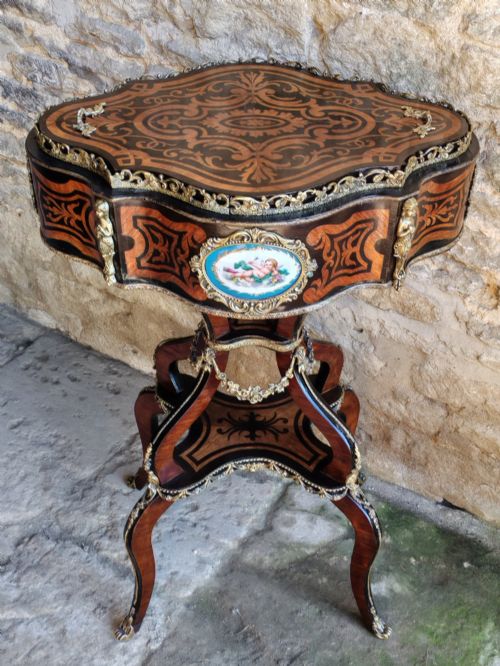
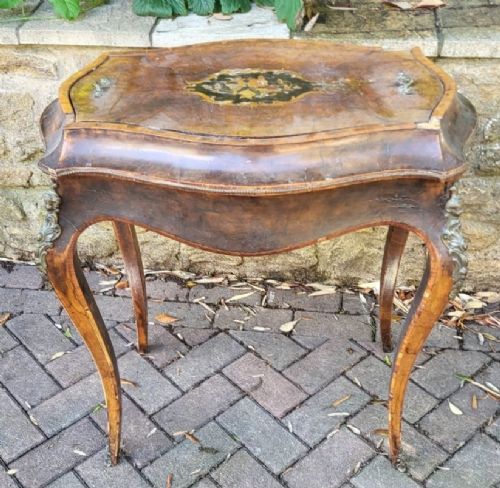
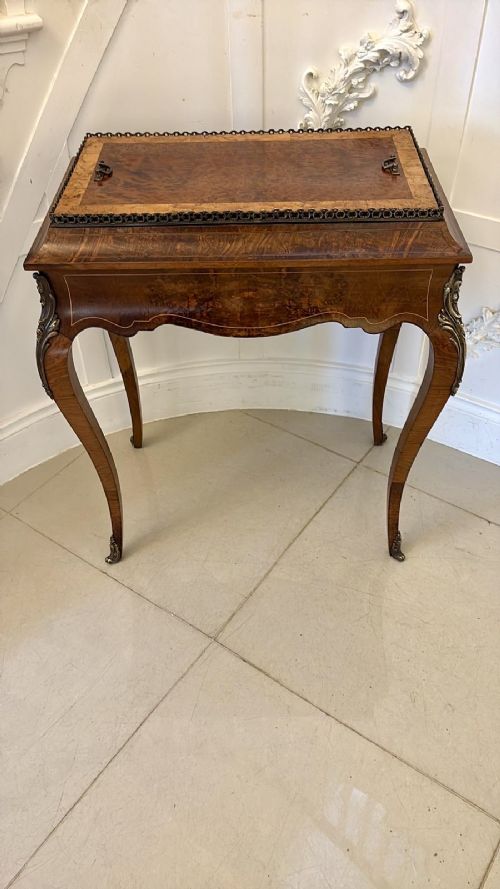
A french marquetry planter table stands as a sophisticated hybrid between an ornamental display piece and a functional plant holder, frequently doubling as a side table, occasional table, wine cooler, or cellarette. These refined pieces emerge predominantly from the nineteenth century, spanning Victorian interpretations and distinct mid-to-late decades such as the eighteen-fifties, eighteen-sixties, eighteen-seventies, eighteen-eighties, and eighteen-nineties. Buyers encounter them under various designations including jardiniere stands, jardiniere tables, and jardinieres with lift-off lids.
The dominant aesthetic channels historical French movements, showcasing Napoleon III designs, Victorian Rococo Revival sensibilities, and explicit Louis XV or Louis XVI style influences. Pieces often integrate porcelain plaques or Sevres plaques within their ornate frameworks, creating a striking visual focal point. Most examples serve primarily as decorative occasional tables where floral marquetry patterns dominate the upper surface surrounding the plant well.
Materials and construction
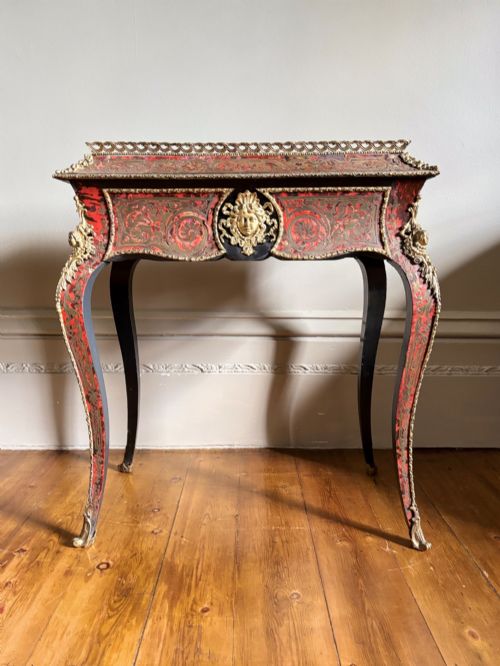
Cabinetmakers constructed these tables using a foundation of hardwoods like walnut, burr walnut, mahogany, kingwood, rosewood, and ebonised wood, upon which intricate marquetry designs were meticulously laid. The wooden surfaces feature detailed pictorial or geometric inlays, sometimes enhanced by aboyna inlay or boullework techniques.
Metal mounts in ormolu, brass, and gilt metal define the structural edges, framing the inlaid panels and outlining the legs and skirts. Many examples incorporate metal or ceramic liners within the plant well to contain moisture and protect the surrounding wooden structure from water damage.
Gradations of craftsmanship
Quality rests significantly on the precision of the marquetry and the depth of the timber figuring, where burr walnut and kingwood veneers display richer natural grain patterns. Superior examples exhibit tightly fitted wood inlays with minimal filler, maintaining crisp pictorial details across the table top and sides.
The sophistication of the metal mounts heavily dictates overall standard, separating standard cast elements from finely chased ormolu and gilt bronze mounts. Integrated porcelain plaques, particularly those executed with hand-painted detail, elevate a piece into a more ambitious decorative category.
The French Marquetry Planter Table Glossary
- Marquetry
- Decorative veneer work formed of small pieces of wood, shell, or ivory fitted together to create pictorial designs on a furniture surface. This technique allows cabinetmakers to compose elaborate floral or geometric scenes across the table top.
- Jardiniere
- A decorative stand or container designed to hold growing plants or flowers indoors. In nineteenth-century furniture, it is frequently built directly into the upper surface of a table with a removable liner.
- Ormolu
- Gilt bronze mounts applied to the exterior angles, feet, and aprons of nineteenth-century furniture. The technique involves applying a gold amalgam to bronze, providing a lustrous metallic finish that highlights the wooden case.
- Boullework
- A specific style of marquetry utilising tortoiseshell and brass inlay developed during the seventeenth century and revived during the nineteenth century. It produces a striking contrasting pattern of metallic shine against dark organic material.
- Cellarette
- A fitted container originally used for cooling wine bottles, a function shared by certain deep-well planter tables of the period. These lined compartments kept beverages chilled or accommodated damp horticultural roots alike.
French Marquetry Planter Table: Frequently Asked Questions
How were these tables used originally?
Wealthy Victorian households utilised these tables to display potted ferns, exotic flowers, or cascading greenery within drawing rooms and salons. The removable lids enabled owners to cover the plant well and use the piece as a standard occasional table.
Certain deeper variants doubled as wine coolers or cellarettes during social gatherings, providing a convenient vessel for chilled refreshments. The waterproof liners protected the delicate marquetry from moisture while guests admired the floral displays.
How do I distinguish Louis XV style from Napoleon III?
Louis XV style pieces, popular during the mid-nineteenth century, lean heavily on asymmetrical Rococo curves, cabriole legs, and naturalistic floral marquetry. They emulate eighteenth-century French court furniture with flowing lines and restrained ormolu accents.
Napoleon III designs often embrace a bolder eclectic mix, frequently incorporating ebonised wood, boullework, and dense gilt bronze mounts. This later imperial phase celebrated historical revivals with heavier ornamentation and striking material contrasts.
Can I still use the planter well for real plants?
Using the well for real plants requires caution to protect the antique wood and interior metal liners from moisture accumulation. Many modern owners prefer utilising potted plants in plastic saucers inside the well rather than planting directly into the cavity.
Regular inspection of the interior liner ensures that humidity and condensation do not compromise the surrounding nineteenth-century timber or veneer. Preserving the integrity of the marquetry remains the primary consideration for living with these functional antiques.