



Napoleon III Planter Table
A Napoleon III planter table brings botanical elegance into a room, combining display and function in richly mounted wood.
Napoleon III Planter Table
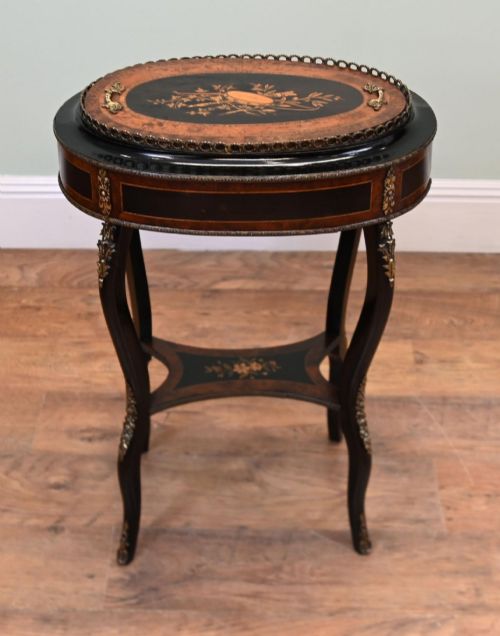
The napoleon iii planter table merges the practical requirements of indoor gardening with the decorative standards of the nineteenth century. Buyers encounter these versatile stands configured as side tables, wine coolers, and dedicated jardinieres designed for domestic horticulture.
Most examples originate from French workshops during the 19th century, drawing upon revived Louis XV and Louis XVI aesthetics. These furnishings typically feature a central plant well alongside display surfaces suited for principal reception rooms.
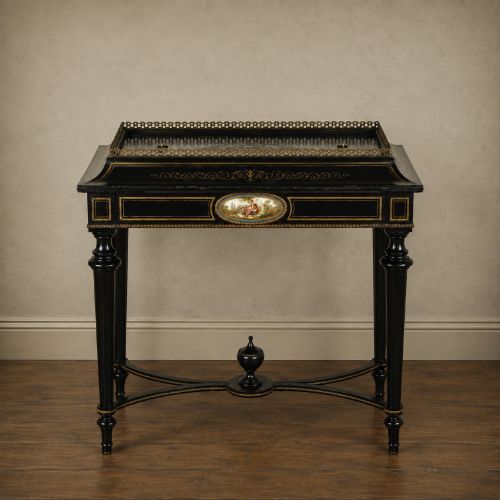
The assortment on this page concentrates on classical forms executed in ebonised wood and fine veneers. Such tables served elite interiors where natural greenery required formal containment.
How they were made
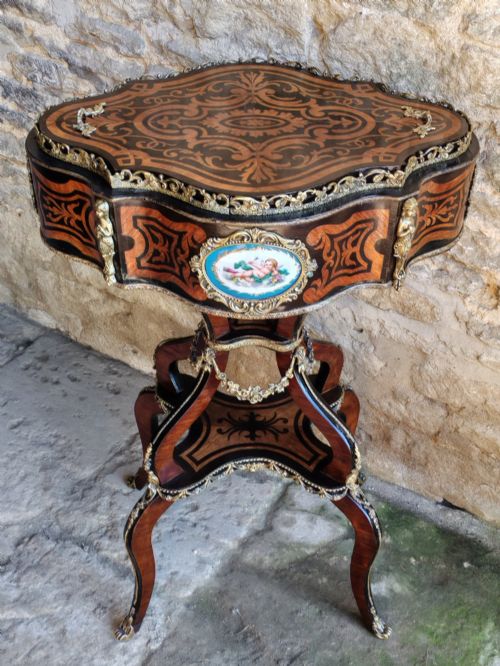
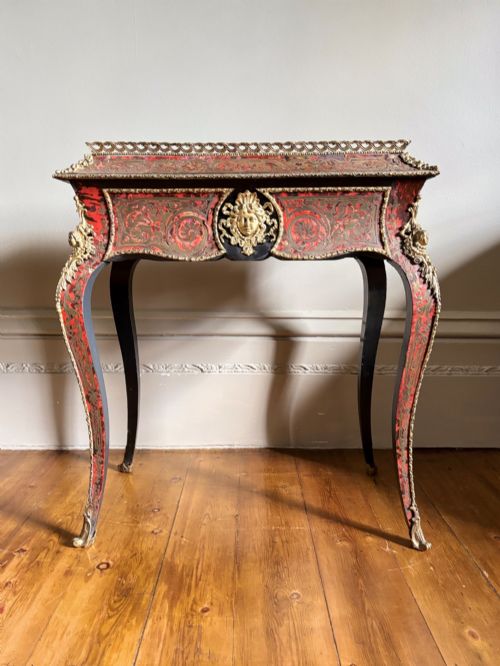
Cabinetmakers constructed these frames using dense timbers like walnut, kingwood, and ebonised wood, frequently embellishing surfaces with intricate marquetry and aboyna inlay. Ormolu mounts and brass detailing were cast and applied to accentuate structural lines and corners.
Makers integrated painted porcelain plaques, including Sevres-type ceramics, directly into the cabinetry alongside metal liners intended to contain soil and moisture. This combination of ceramic art and cabinetmaking demanded collaboration between specialised workshops.
Napoleon III Planter Table Retail Price Guide 2026
Typical asking prices for napoleon iii planter table among the pieces listed under this phrase on Sellingantiques today, from the lower quarter to the upper quarter. They describe what is for sale here now, not the wider market.
Some tables double as wine coolers, proving that nineteenth-century hosts took their indoor refreshments as seriously as their ferns.
What varies in quality
Quality rests upon the precision of the marquetry inlay and the crispness of the ormolu mounts rather than mere ornamentation. Superior examples display seamless veneer matching and finely chased bronze details that remain tight to the wooden carcass.
The integration of hand-painted porcelain plaques and the structural integrity of the internal planter compartment further distinguish finer items. Workshops employing thicker timbers and superior joinery produced pieces that endure without significant warping.
The Napoleon III Planter Table Glossary
- Ormolu
- Gilded bronze applied to furniture and decorative objects as mounts. This technique provides metallic contrast against dark ebonised wood.
- Marquetry
- Fitted wood veneers arranged to form decorative patterns and pictures on furniture surfaces. Craftsmen select contrasting grain directions to catch the light.
- Jardiniere
- An ornamental stand or receptacle designed to hold plants and flowers indoors. These vessels often double as wine coolers.
- Boulle
- Marquetry technique utilising brass and tortoiseshell inlay developed during earlier French reigns and revived in this period. It creates a shimmering metallic surface.
- Kingwood
- A dense, richly figured Brazilian timber prized for fine cabinetmaking. Its distinct grain patterns suit high-status French tables.
Napoleon III Planter Table: Frequently Asked Questions
How were planter tables used?
These tables held potted plants and floral arrangements inside principal living spaces, protecting interior surfaces from moisture while displaying greenery.
Certain models doubled as wine coolers or combined side table surfaces with central plant wells for versatile entertaining.
What woods were commonly used?
Cabinetmakers relied on ebonised wood, walnut, and kingwood as primary structural and decorative timbers for these stands.
Exotic veneers and marquetry inlay enhanced the visual depth of the woodwork across the period.
Are the porcelain plaques original?
Plaques featuring hand-painted ceramic designs were integrated by period workshops to elevate the decorative status of the furniture.
These ceramic insertions match the proportions of the cabinetry and align with stylistic conventions of the era.
How do I care for the finish?
Protect the polished wooden surfaces and ormolu mounts from direct sunlight and excessive moisture fluctuations.
Dust gently with a dry cloth and avoid harsh chemical cleaners that might degrade the historic finish.