


French Ormolu Jardiniere
A french ormolu jardiniere brings gleaming metalwork and planted greenery together to anchor a grand interior.
French Ormolu Jardiniere
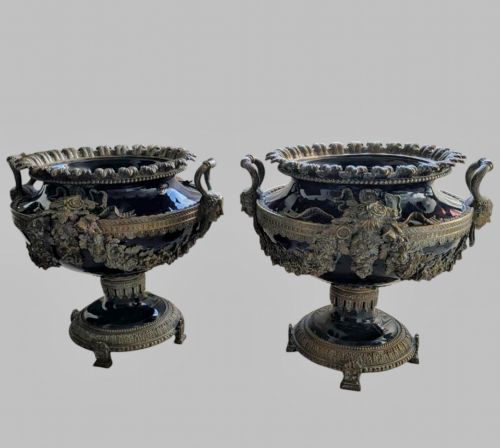
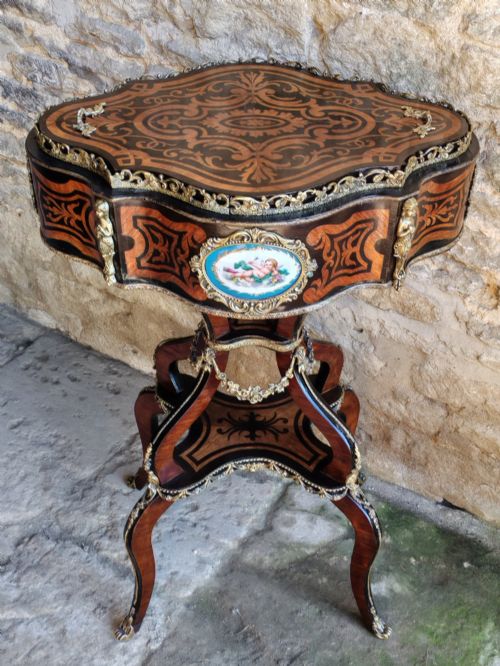
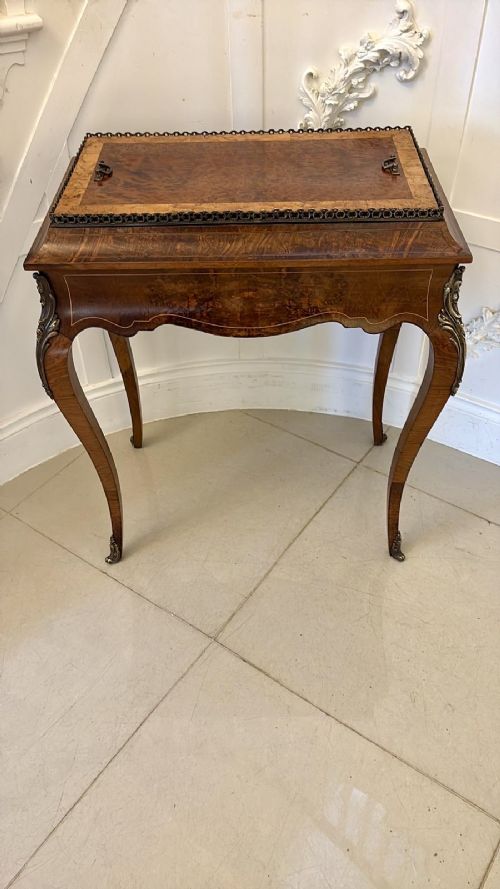
When you search for a french ormolu jardiniere, you are looking at ornate plant holders and planter tables designed to display flora inside elite nineteenth-century drawing rooms. These decorative vessels appear frequently as table-top pieces or raised stands incorporating gilt bronze mounts.
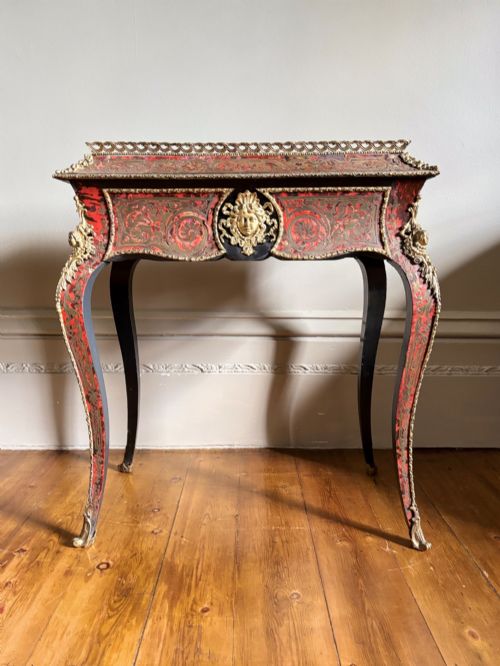
The pieces on this page span the Victorian era and the nineteenth century, drawing heavily on Louis XV, Louis XVI, Napoleon III, and Empire styles. Alongside traditional vessels, the selection includes related forms such as wine coolers, cellarettes, and occasional side tables adapted to hold plants.
How they were made
Maker workshops built the structural bodies of these planters from dense timbers including kingwood, burr walnut, mahogany, satinwood, and ebonised wood, frequently decorated with intricate marquetry and parquetry veneers. Artisans then cast ormolu and gilt bronze mounts to edge the rims, frame porcelain plaques, and form scrolling feet.
Many examples incorporate decorative inserts such as Sèvres-type porcelain plaques, cloisonné enamel, cut glass, and ceramic bowls designed to contain water and soil safely away from the wooden frames.
Several planters double happily as glamorous wine coolers, proving that nineteenth-century hosts valued botany just as much as a well-chilled bottle.
What varies in quality
The refinement of the cast ormolu mounts determines much of the piece's distinction, separating sharp, hand-chiseled bronze detailing from softer, simpler metalwork. Precision in the marquetry patterns and the choice of figured wood veneers like kingwood or burr walnut signal higher workshop standards.
Integrity of the structural form and the survival of matching ceramic or glass liners also separate standard production items from exceptional conversation pieces.
The French Ormolu Jardiniere Glossary
- Ormolu
- Gilded bronze used widely for decorative mounts on nineteenth-century furniture and decorative objects. The technique involves applying a gold amalgam to a bronze base and firing it.
- Jardiniere
- A large ornamental pot or stand designed to hold growing plants or floral arrangements indoors. They often double as wine coolers or cellarettes in period settings.
- Marquetry
- Decorative veneer work formed by fitting small pieces of varied wood, shell, or ivory together to create intricate geometric or floral pictures. Makers applied these to table tops and planter bodies.
- Boulle
- A style of marquetry using tortoiseshell and brass inlay developed in France. It appears on elaborate Napoleon III stands and tables.
- Sevres-type
- Porcelain decorated in the manner of the famous French royal factory, often featuring painted panels within gilt borders. These plaques frequently adorn the sides of quality planters.
French Ormolu Jardiniere: Frequently Asked Questions
What is a french ormolu jardiniere used for?
These decorative vessels were created to house potted plants and floral arrangements inside nineteenth-century reception rooms and parlours.
Many examples double as wine coolers or cellarettes, demonstrating the versatile nature of elite salon furniture during the period.
How do you style a jardiniere today?
You can place a table-top jardiniere on a large sideboard or occasional table to hold trailing foliage or seasonal cut flowers.
Free-standing planter stands work well positioned empty in corners or filled with potted ferns to recreate period interior aesthetics.
How can you tell Napoleon III from Louis styles?
Napoleon III and Second Empire pieces often feature heavier ebonised wood, Boulle marquetry, and dense ormolu mounts reflecting eclectic nineteenth-century revivals.
Louis XV and XVI styles lean towards lighter proportions, curved cabriole legs, and delicate floral marquetry patterns inspired by earlier royal French eras.
Are these planters waterproof?
Most antique pieces rely on removable metal, ceramic, or glass liners to contain moisture and protect the delicate wood veneers beneath.
It remains important to check whether the original liner survives or if a modern waterproof insert is necessary for live planting.