
French Marble Top Console
When you search for a french marble top console, you find a substantial piece of continental furniture designed to stand against a wall, bearing a heavy stone surface.
French Marble Top Console
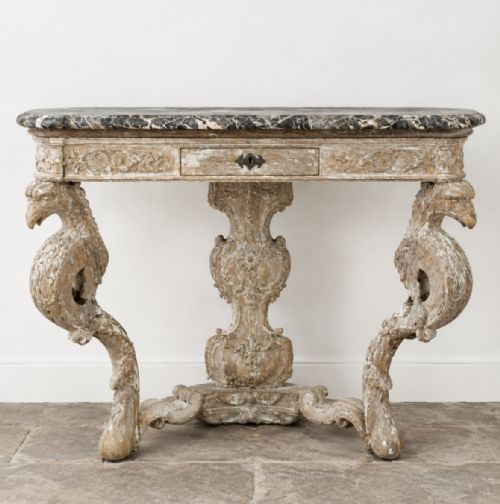
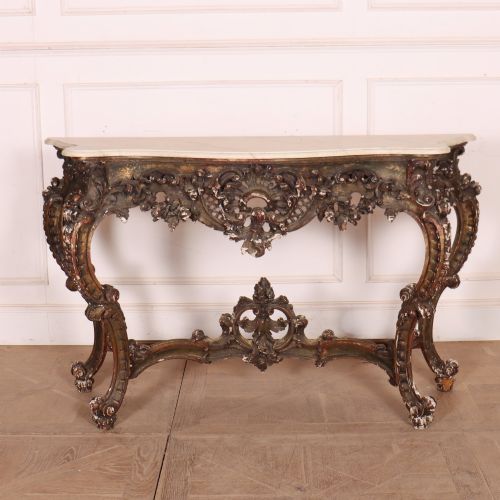
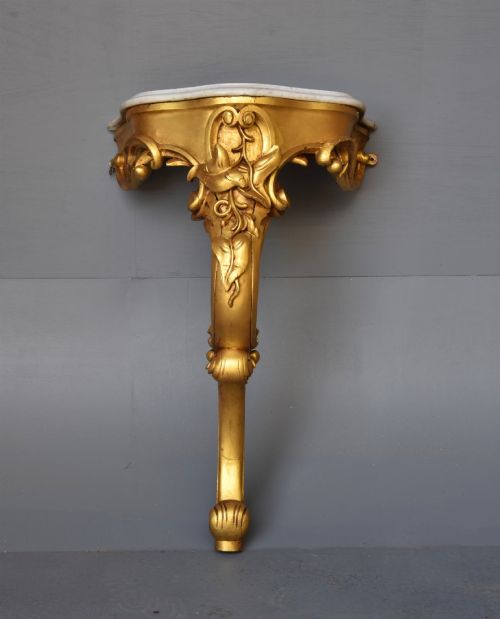
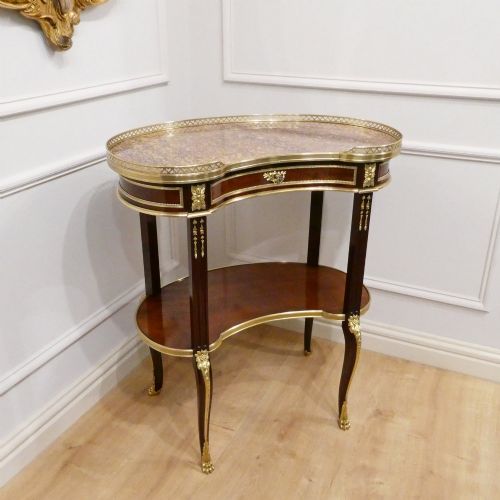
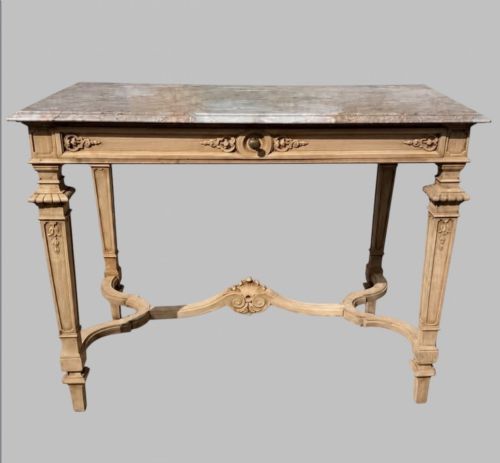
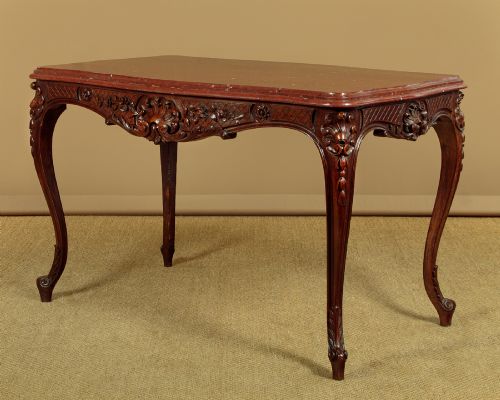
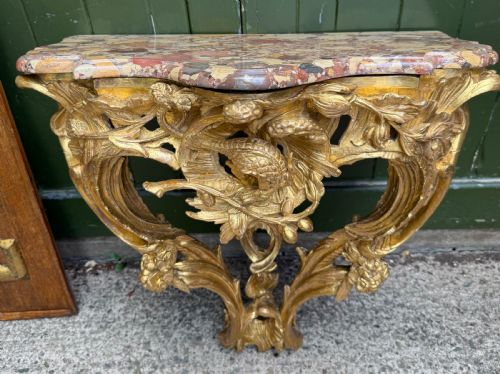
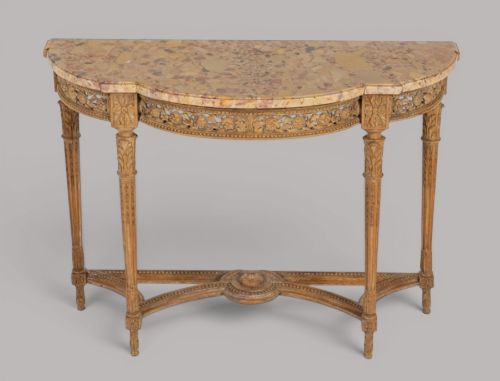
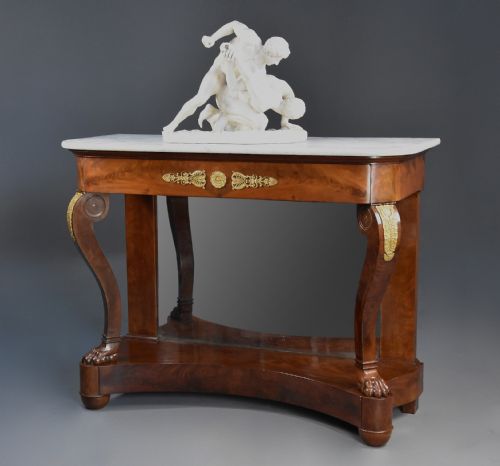
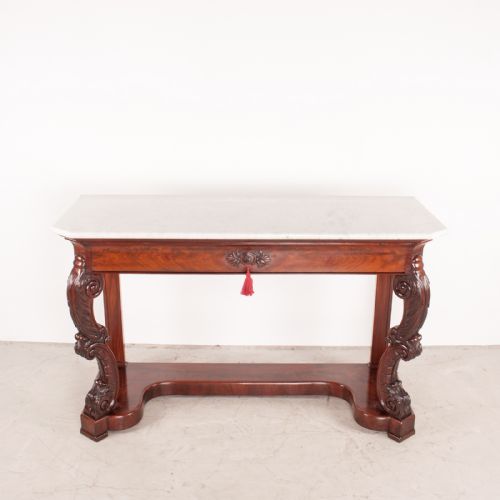
A french marble top console typically takes the form of a console table, side table, or centre table designed for domestic display. You will frequently encounter nineteenth-century examples, alongside pieces from the eighteenth and early twentieth centuries, reflecting diverse provincial and formal origins.
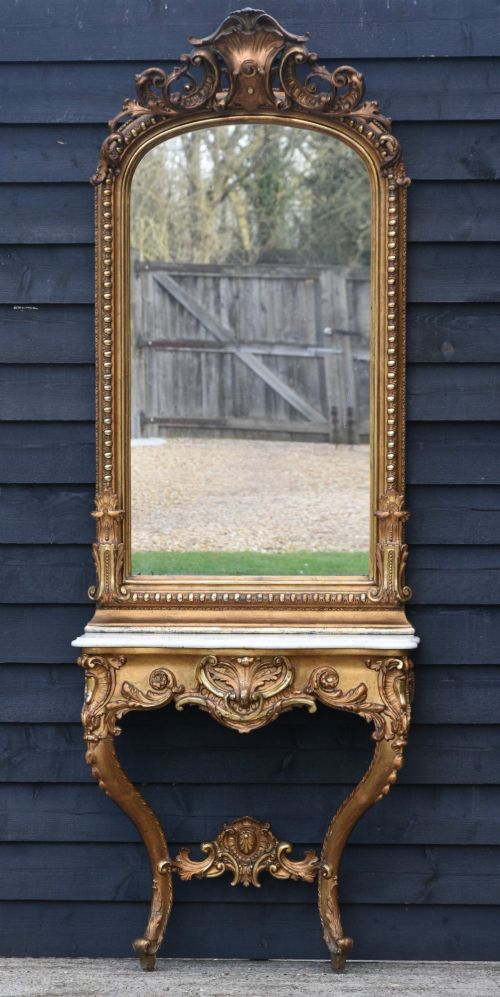
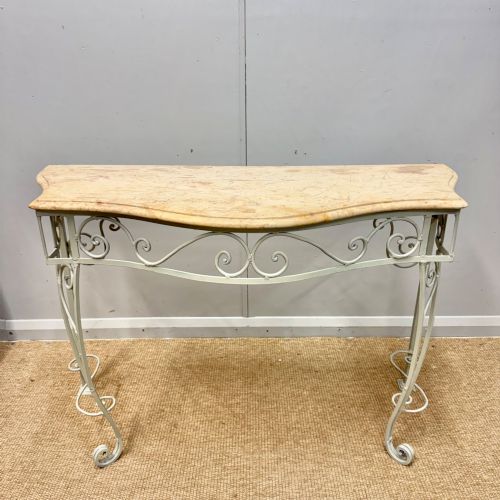
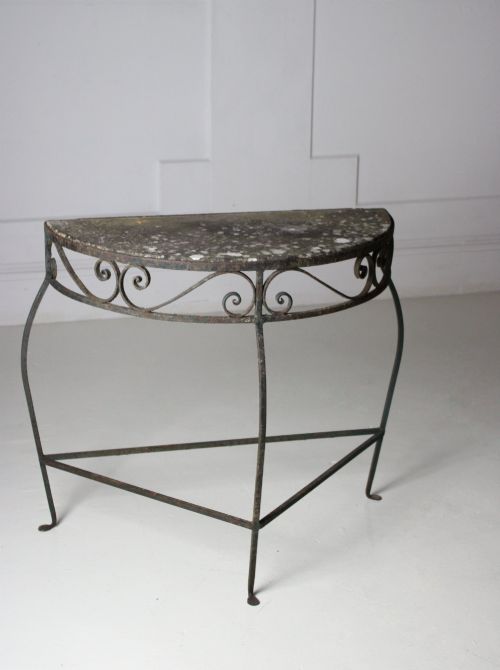
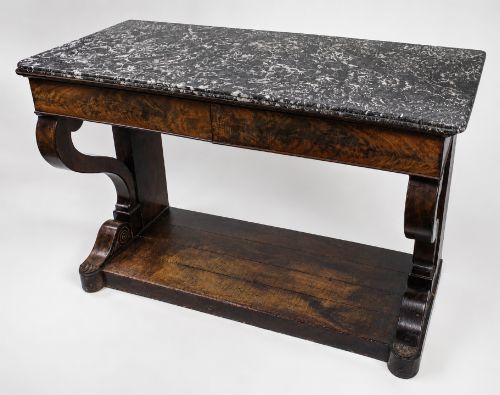
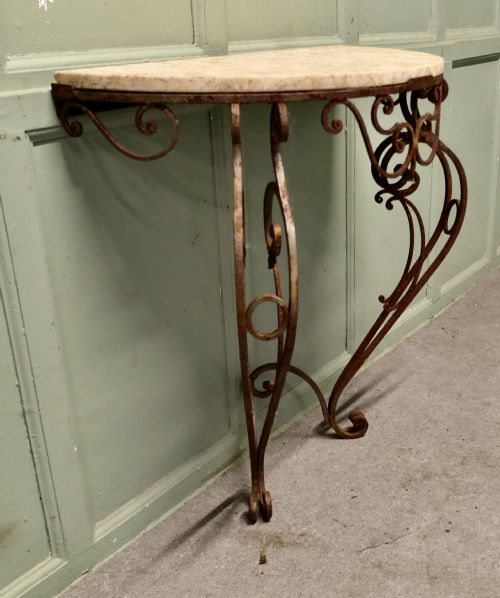
Many variants appear as wall-mounted or freestanding console tables, occasionally paired with matching pier mirrors. These range from heavy walnut and mahogany construction to lighter wrought iron frames intended for charcuterie prep or bistro use.
Materials and Construction
These tables combine heavy stone surfaces in marble with timber or metal frames constructed from mahogany, walnut, giltwood, gesso, and wrought iron. Artisans secured the structural integrity of the base to support the immense weight of the fitted stone slab.
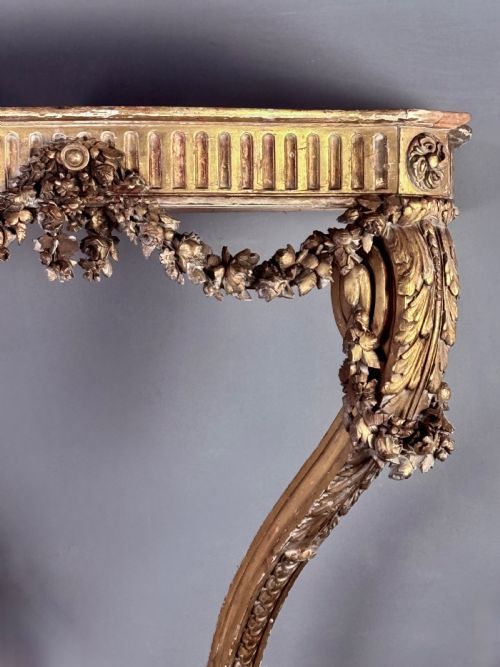
Decorative embellishments often incorporate cast or chased ormolu mounts, brass details, and hand-carved giltwood. Surface finishes range from traditional French polishing on hardwoods to applied gold leaf and original paint on gilded or carved frames.
Indicators of Quality
Quality rests primarily in the depth and execution of the wood carving, the crispness of the ormolu mounts, and the specific geological character of the marble slab. Superior examples display tightly fitted joints and integrated structural stability despite the heavy weight they carry.
The distinction between standard workshop production and master craftsmanship shows in the subtlety of the parcel gilding and the integrity of the original stone top. Pieces bearing maker stamps or specific regional timber selections command closer attention from collectors.
Maison Millet·Krieger Paris·JACOB
The French Marble Top Console Glossary
- Console table
- A table designed to stand against a wall, frequently secured to it with brackets due to its narrow footprint.
- Ormolu
- Gilded bronze ornamentation applied to furniture frames, common in nineteenth-century decorative work.
- Giltwood
- Timber, typically carved wood or gesso, coated with a thin layer of gold leaf.
- Pier mirror
- A large looking glass designed to hang on the wall directly above a console table.
- Serpentine front
- A furniture edge or facade shaped with a central convex curve flanked by concave sweeps.
French Marble Top Console: Frequently Asked Questions
How were console tables used?
These tables served primarily as decorative serving surfaces or display stands in formal reception rooms and hallways. Their narrow profile allowed them to sit against walls without obstructing pathways.
In domestic settings, they held clocks, candelabras, and ornamental objects to impress visitors upon entry.
Are these tables free standing?
Many console tables require attachment to the wall for complete stability, particularly grand giltwood examples with heavy stone tops. Others are built as freestanding side or centre tables.
Examining the rear legs and apron reveals whether a piece was designed to stand entirely alone or lean against a structural wall.
How do I identify the period?
Dating relies on stylistic markers such as neoclassical symmetry, Empire period mounts, or the flowing curves of later revivals. Timber selection and construction methods offer further clues to the decade of origin.
Comparing the decorative carving style against established design eras helps narrow down the manufacturing date.
How do I care for the marble?
Stone surfaces require gentle cleaning with mild, pH-neutral soap and warm water to avoid etching the polish. Wiping spills promptly prevents staining on porous varieties.
Regular dusting keeps the surface clear without risking the integrity of the surrounding wooden or gilded frame.