

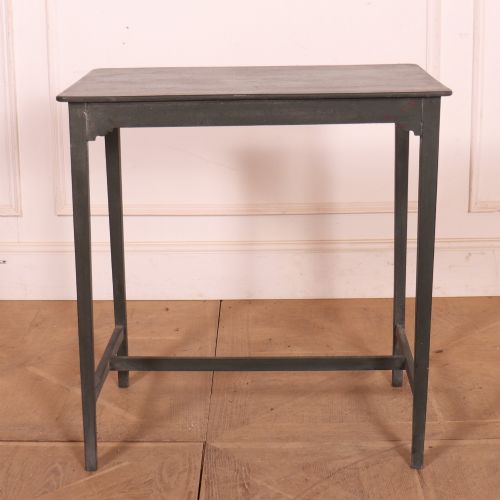

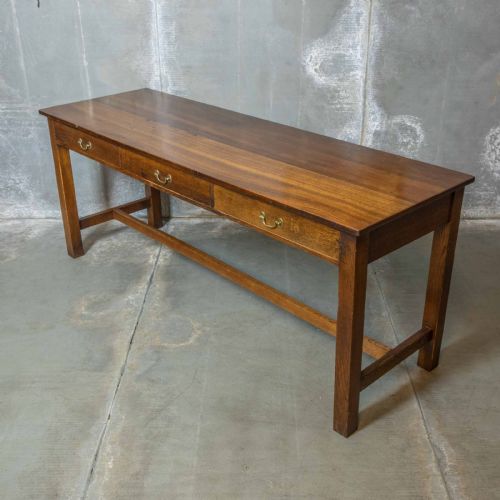


Tall Hall Console Table
A tall hall console table brings sculptural presence and surface utility to an entranceway, drawing the eye immediately with its architectural silhouette.
Tall Hall Console Table
A tall hall console table functions primarily as a surface for lamps, correspondence, or decorative objects within a narrow entrance or reception space. The inventory here spans several distinct centuries and decades, drawing heavily on pieces originating from the nineteenth century, Edwardian era, and the nineteen-twenties.
Forms recorded in the current selection range from traditional console tables and demi-lune bedside formats to larger refectory tables, lamp tables, and occasional tables. Buyers frequently encounter dual-purpose items such as pier mirrors paired directly with matching console tables, which add vertical depth to a room.
Stylistic influences across these examples include English Country, Sheraton Revival, French Neoclassical, Jacobean Revival, and Art Deco. These varied aesthetics mean a buyer can find an unpretentious painted oak utility piece or a more formal marble-topped design depending on the intended interior scheme.
How they were made
Construction relies heavily on traditional hardwoods like mahogany, oak, and burr walnut, alongside painted wood surfaces and delicate satinwood inlay work. Joinery is executed to suit the structural demands of each form, whether supporting a heavy stone surface or maintaining the slender legs of an occasional table.
Decorative detailing incorporates applied gilding, painted finishes, and inlaid veneers to elevate the visual weight of the timber. Marble tops feature prominently on French and nineteenth-century console formats, providing a cool, resilient surface that contrasts with warm wooden frames.
Tall Hall Console Table Retail Price Guide 2026
Typical asking prices for tall hall console table among the pieces listed under this phrase on Sellingantiques today, from the lower quarter to the upper quarter. They describe what is for sale here now, not the wider market.
Listings span multiple historical periods, uniting nineteenth-century craftsmanship with Edwardian designs, nineteen-twenties productions, and earlier eighteenth-century examples.
What varies in quality
The sophistication of the timber preparation and inlay work largely determines the refinement of a given piece, separating simple utilitarian items from more ambitious revival designs. Selection of figured woods, such as burr walnut or patterned satinwood, indicates a higher initial cost and greater attention to visual harmony.
The integration of secondary materials, such as heavy marble slabs and carved gilt mirrors, dictates the overall execution standard. Superior examples demonstrate a precise fit between stone tops and wooden rails, alongside crisp carving and consistent surface finishes.
The Tall Hall Console Table Glossary
- Demi-lune
- A half-moon shape used for console tables designed to sit flush against a wall. This profile saves floor space in narrow hallways while maintaining display utility.
- Pier mirror
- A tall vertical looking glass designed to hang on the pier of wall space between windows, frequently paired with a matching console table below. It reflects ambient light deep into entrance halls.
- Refectory table
- A long, narrow dining or assembly table adapted here in tall proportions for historic interiors. Its sturdy wooden framing supports substantial daily use.
- Satinwood inlay
- A decorative technique inserting contrasting light-coloured wood veneers into a darker primary timber surface. This creates delicate geometric or floral patterns.
- Burr walnut
- Timber harvested from walnut tree growths that display highly twisted, swirling grain patterns. It is prized by cabinetmakers for decorative veneering.
Tall Hall Console Table: Frequently Asked Questions
Where should I place a console table?
These tables are traditionally positioned against a flat wall in an entrance hall, reception room, or narrow corridor where floor space is limited. Their narrow depth allows them to sit comfortably behind seating or beneath wall-mounted mirrors without obstructing pathways.
Selecting a taller version ensures proper visual proportion beneath high ceilings or large architectural windows, while providing a convenient surface for everyday items.
What is a pier mirror and console set?
A pier mirror and console set consists of a tall wall-hanging mirror positioned directly above a matching table designed to fit the same footprint. This combination was popular in nineteenth-century interiors to maximise light reflection and create a unified decorative focal point.
The paired pieces share matching timber, paintwork, or gilding styles to present a cohesive architectural elevation within a hallway.
How do I care for a marble top?
Marble surfaces require gentle cleaning with mild, pH-neutral soap and warm water to avoid dulling the polished finish. Acidic liquids like citrus juice or vinegar can etch the stone if left unattended, so coasters should be used.
Occasional application of a specialised stone sealer helps protect the porous material from staining while preserving its natural lustre.
How do I distinguish Edwardian pieces?
Edwardian furniture, produced during the reign of King Edward VII, often reinterprets earlier eighteenth-century aesthetics with a lighter touch and refined proportions. You will frequently see painted finishes, Sheraton Revival inlay work, and simpler structural lines compared to heavier Victorian counterparts.
These pieces tend to prioritize domestic elegance and brighter room aesthetics, matching the changing architectural tastes of the early twentieth century.